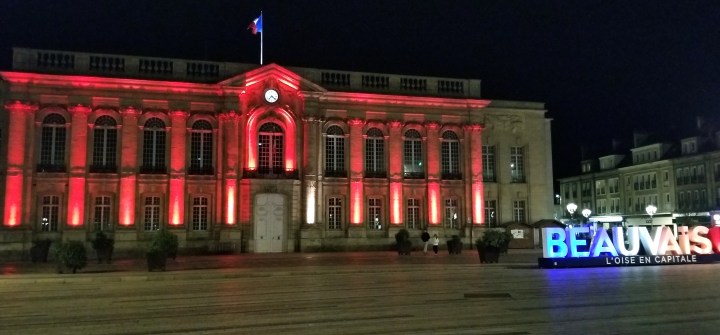
Continuing with some stories about my recent trip to France, while my husband was working for two weeks, we stayed in the town of Beauvais. Our hotel La Salamandre (10 Rue Marcelle Guedelin) was very close to the downtown area, in a very quaint and quiet old building. I was able to do some sightseeing alone, and with my husband on the weekends. In my previous post, I talked about Beauvais’ two most important churches and their relics, and in this post, I would like to share a little about its history and food.
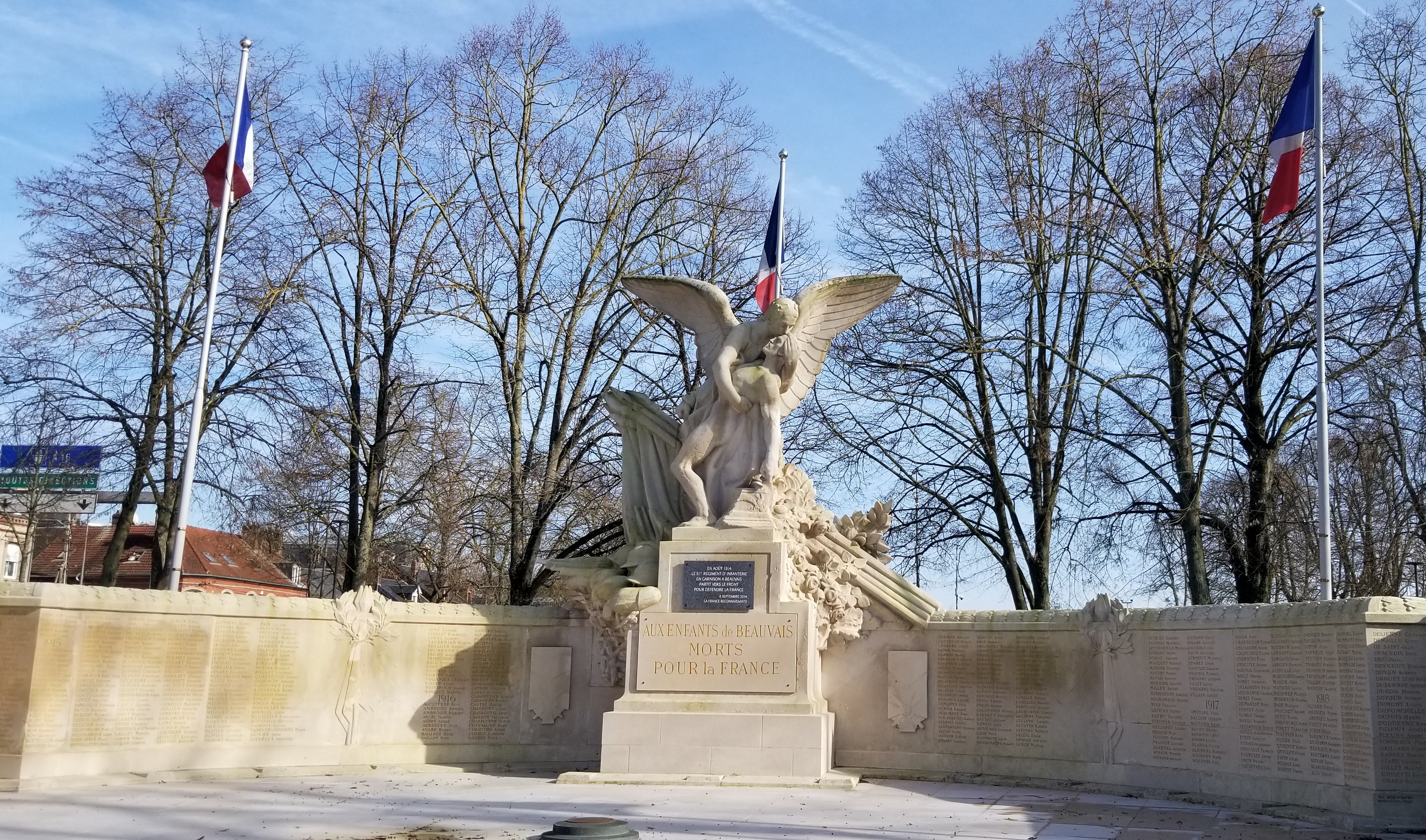
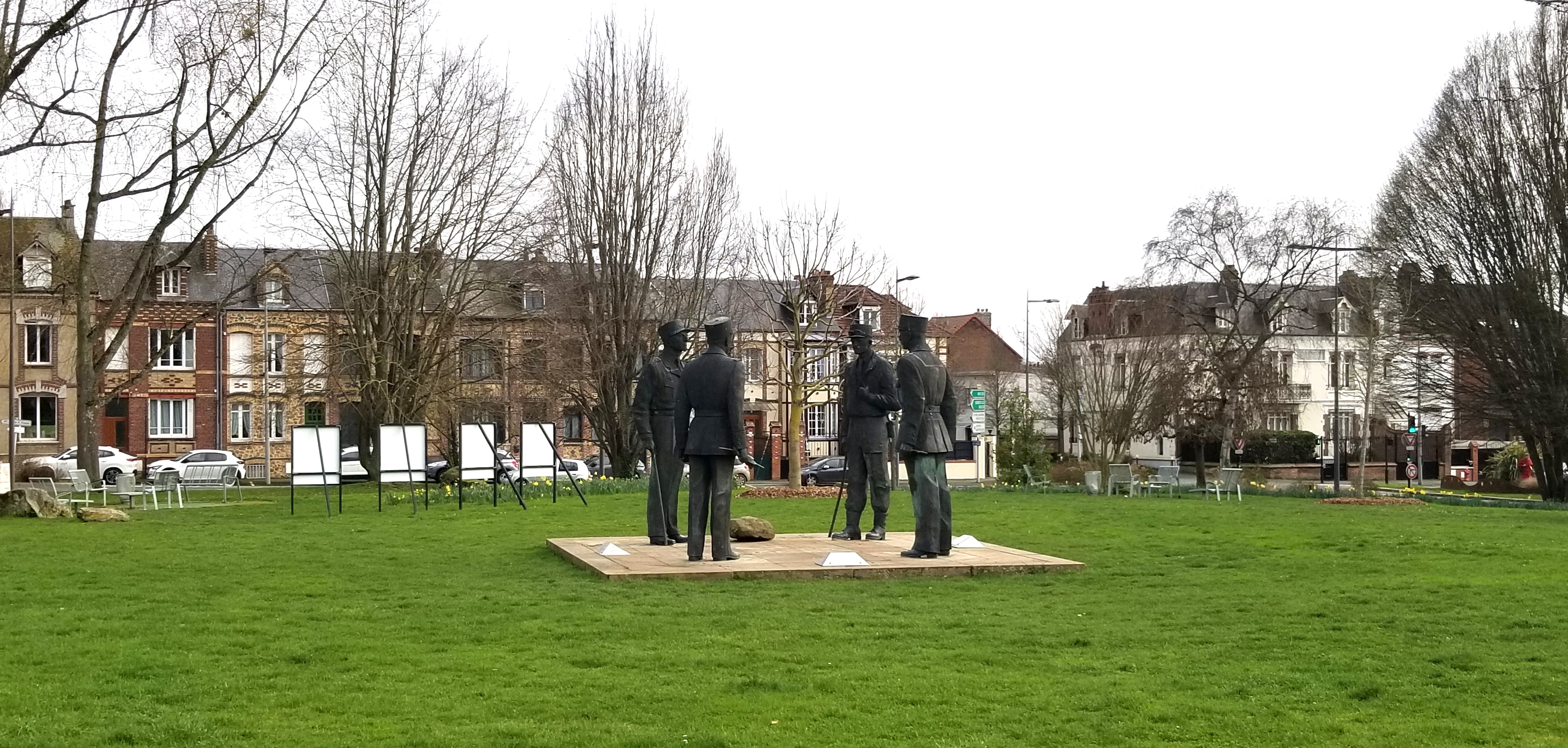
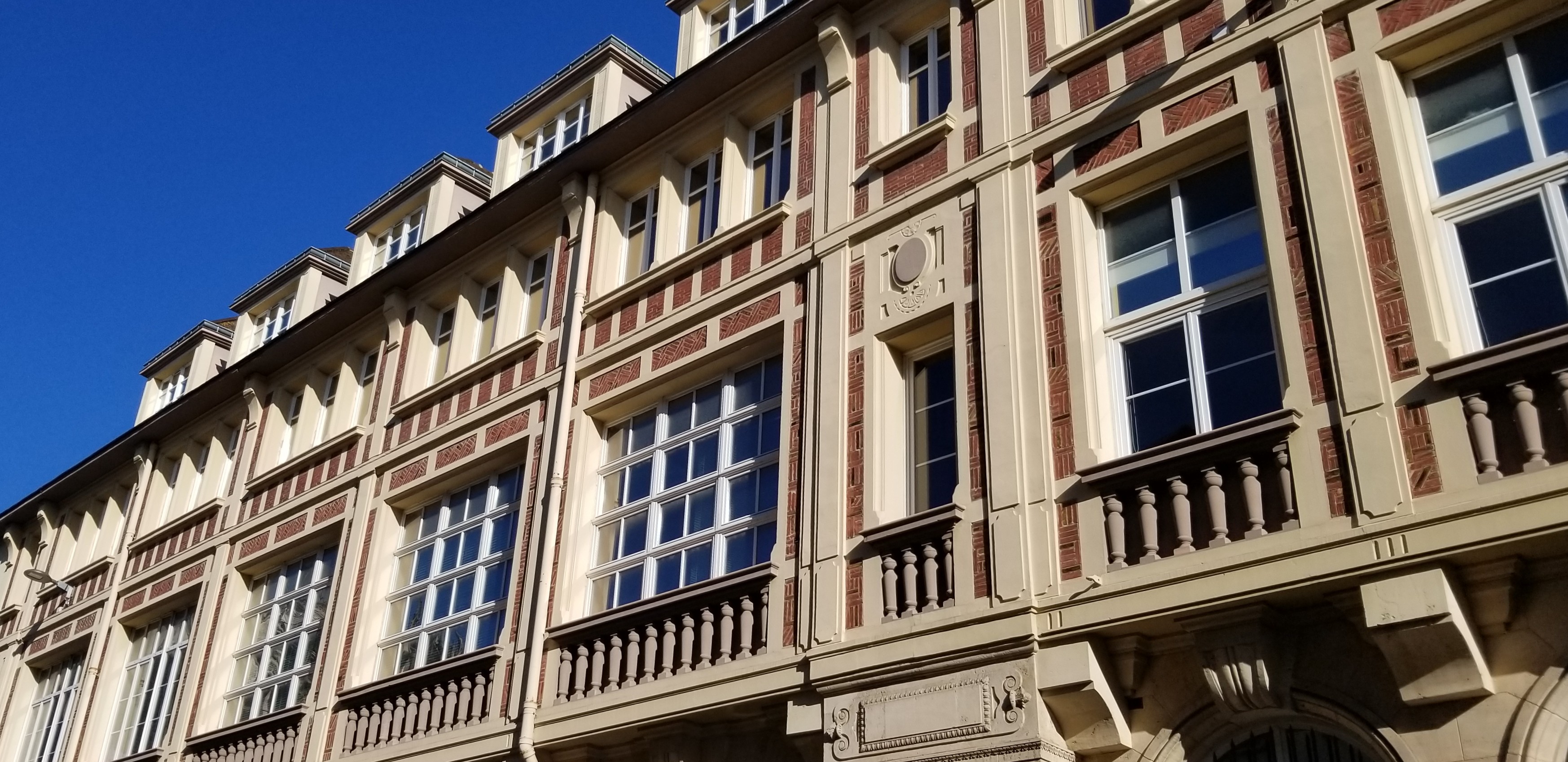
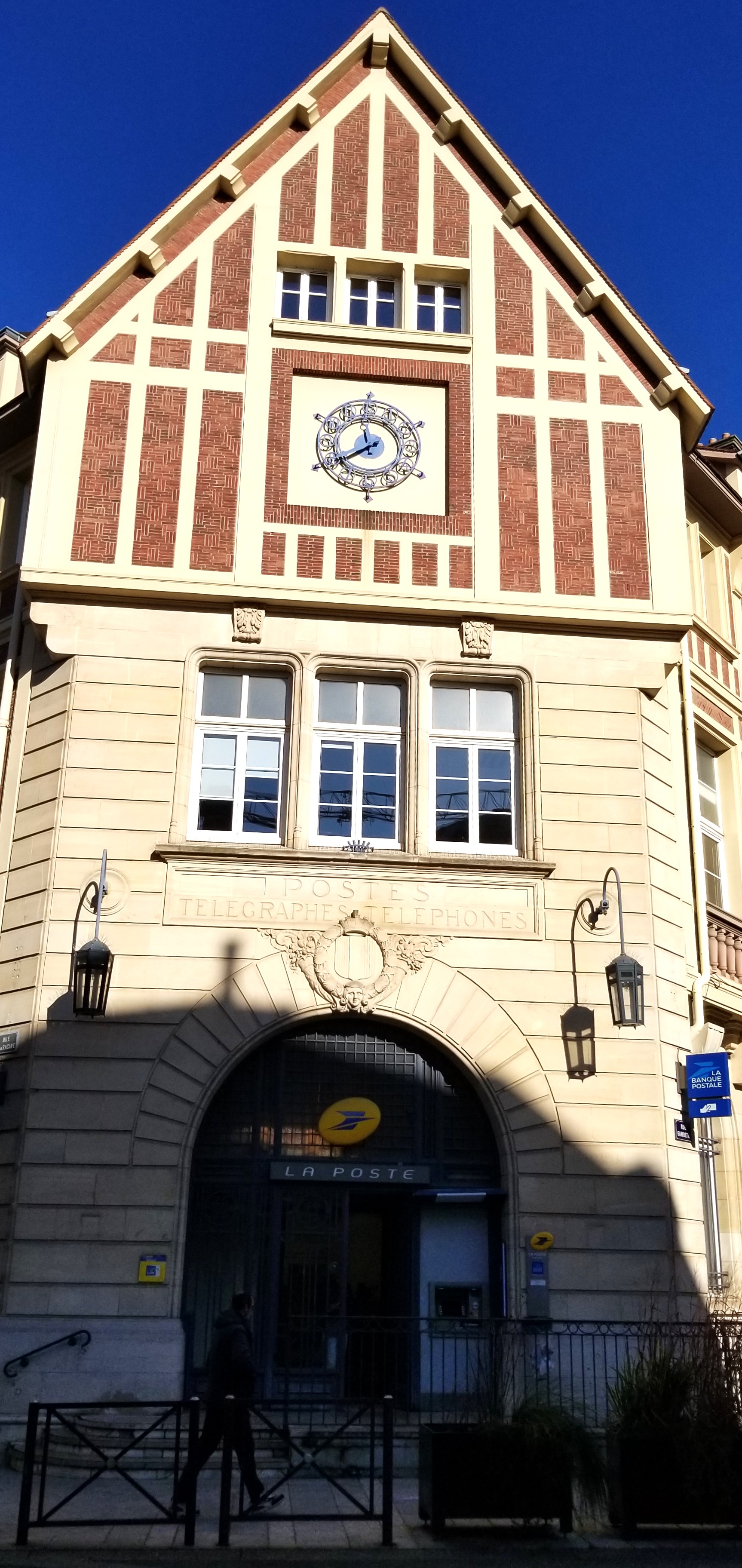
Beauvais is a town with a population of just over 55,000, but along with the suburbs and nearby communities, this number goes up to close to 128,000. I was very pleasantly surprised when I went out on my first day in town, and the short walk to the tourist information office was already full of interesting views of monuments, parks, and old buildings (throughout this post, click on photos for larger images and captions):
The tourist information office had all sorts of brochures, souvenirs and local products; the person on duty was multilingual and gave me information and a map with several walking routes to explore the main core of town (I added the location of my hotel and English translations):
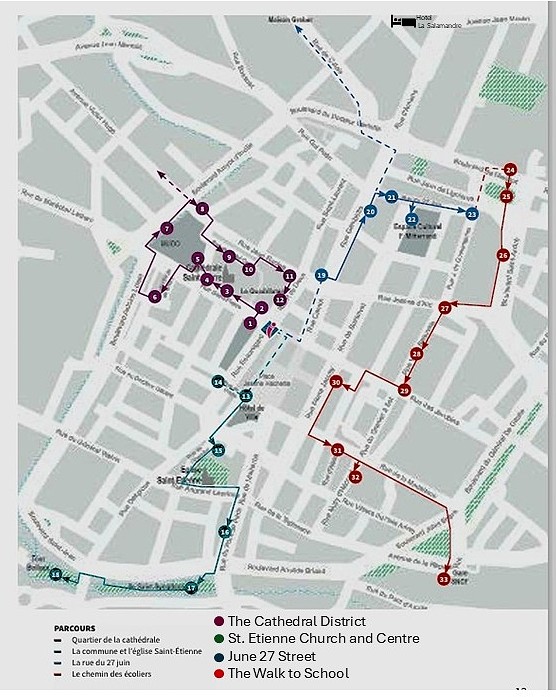
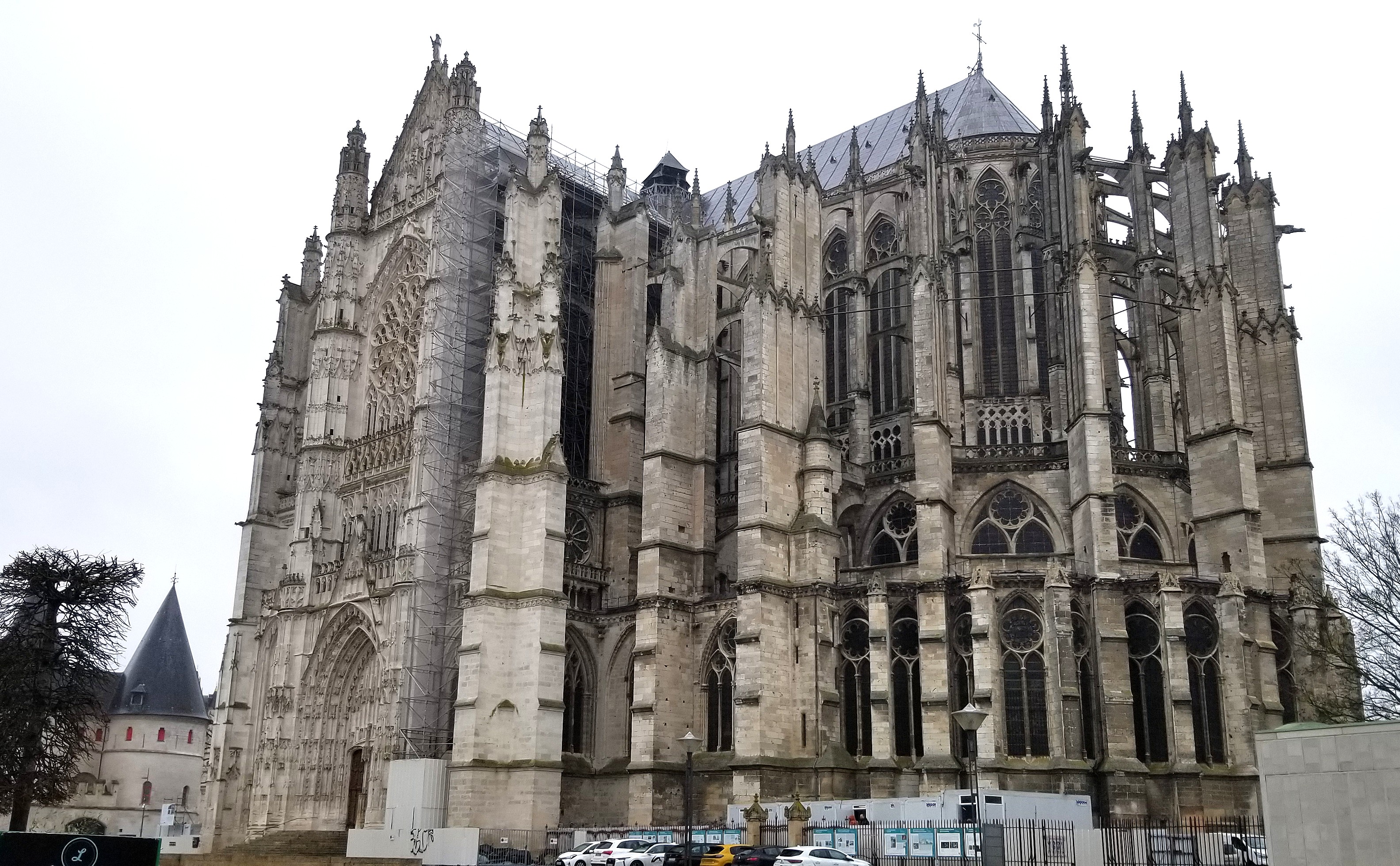
The imposing cathedral is probably the first place to explore and a walk around this district also offers ancient remnants from Gallo-Roman and medieval times:
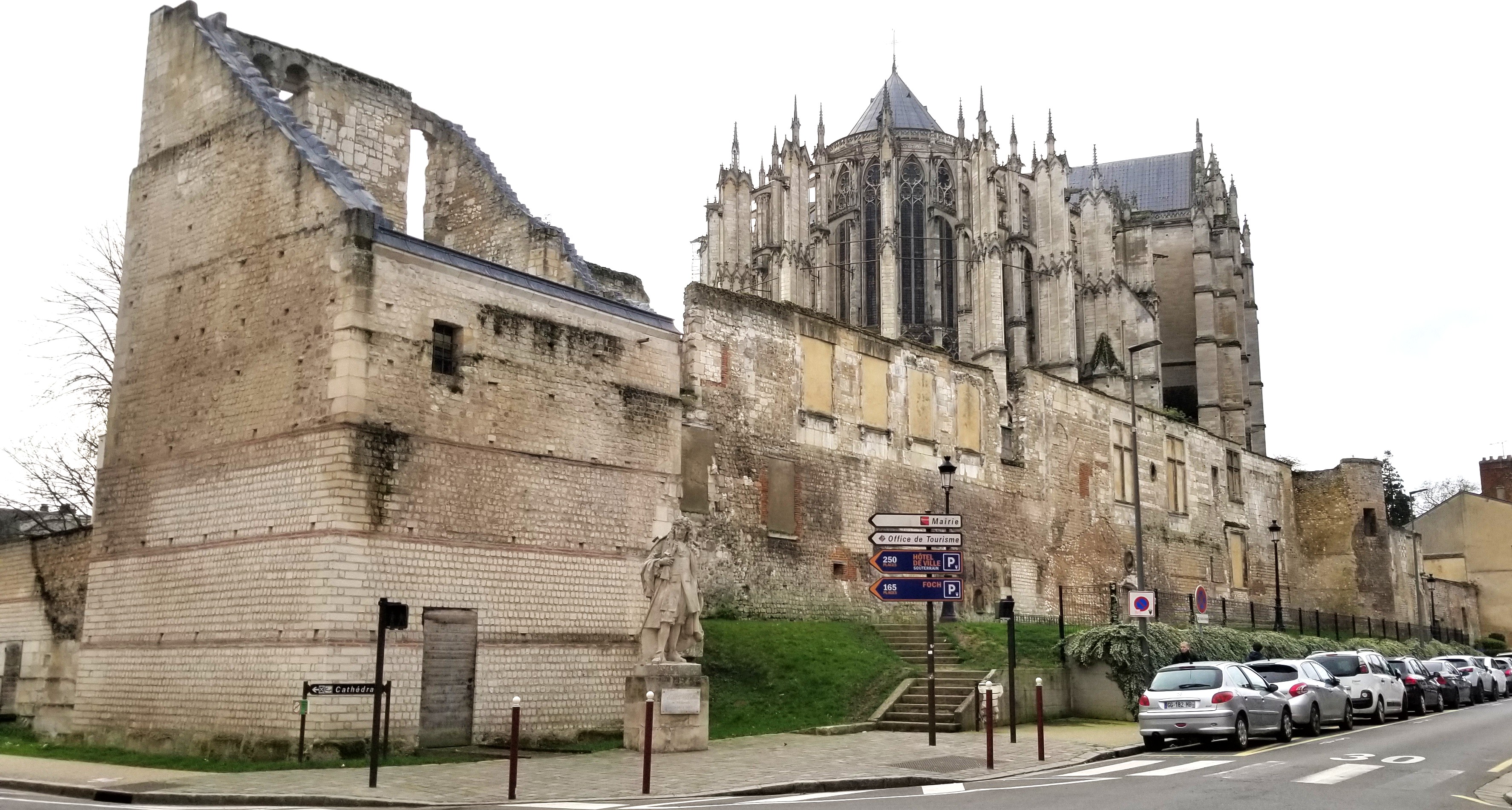
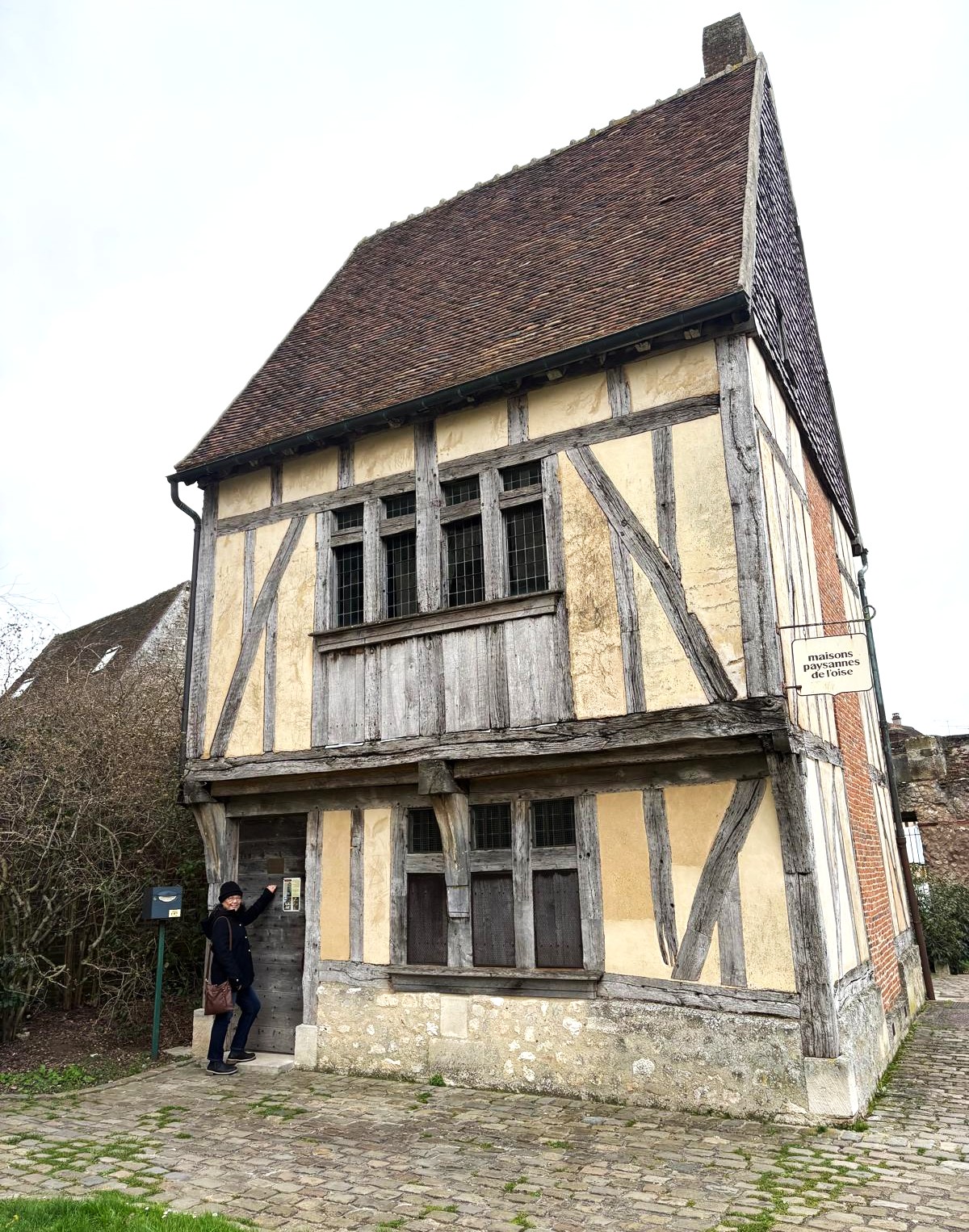
Next to the cathedral, the contemporary lines of the Quadrilatère art centre (22 Rue Saint-Pierre) were designed by architect André Hermant, to contrast with the verticality of the Gothic church, and emphasize the past and present that come together in Beauvais:
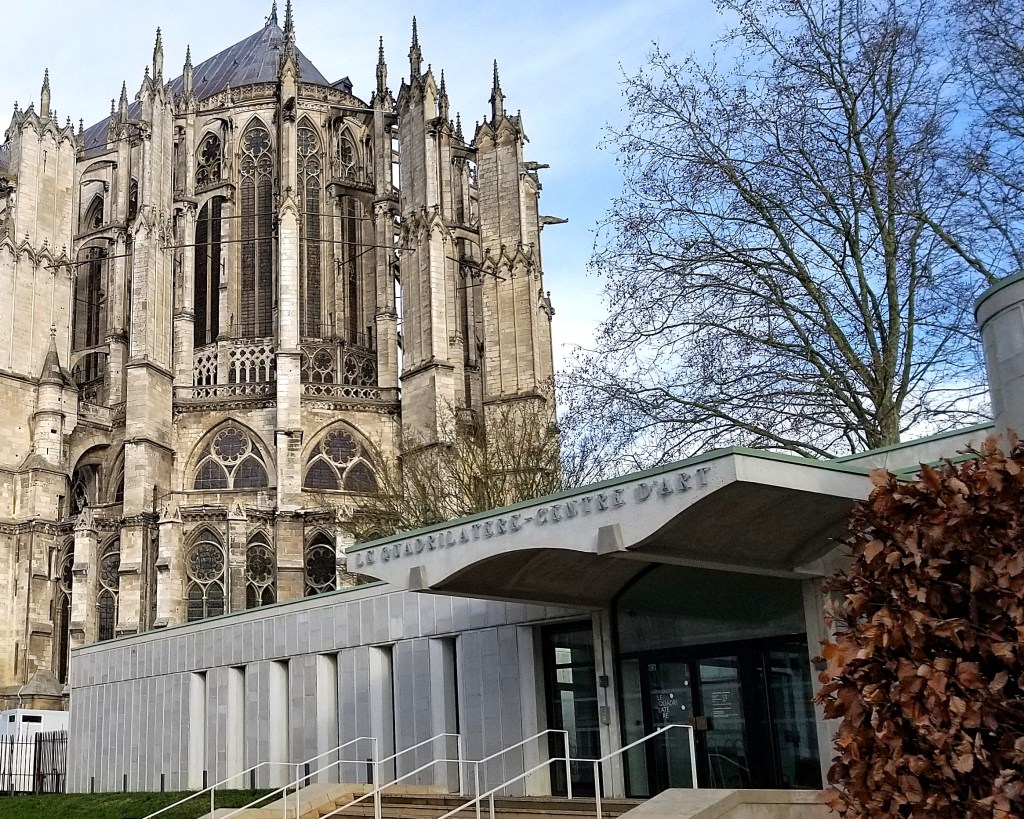
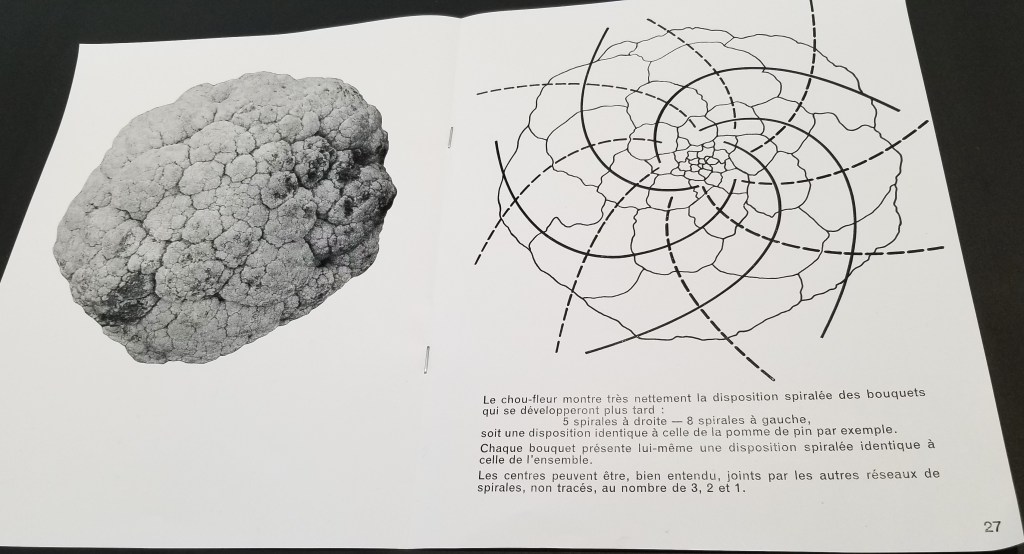
This art centre follows an annual program of temporary exhibits; when my husband and I had a chance to visit, one of them was about the work of no other than André Hermant himself; below, a page of his book Formes Utiles, showing the description of a natural shape (a cauliflower) using curved lines that form spirals:
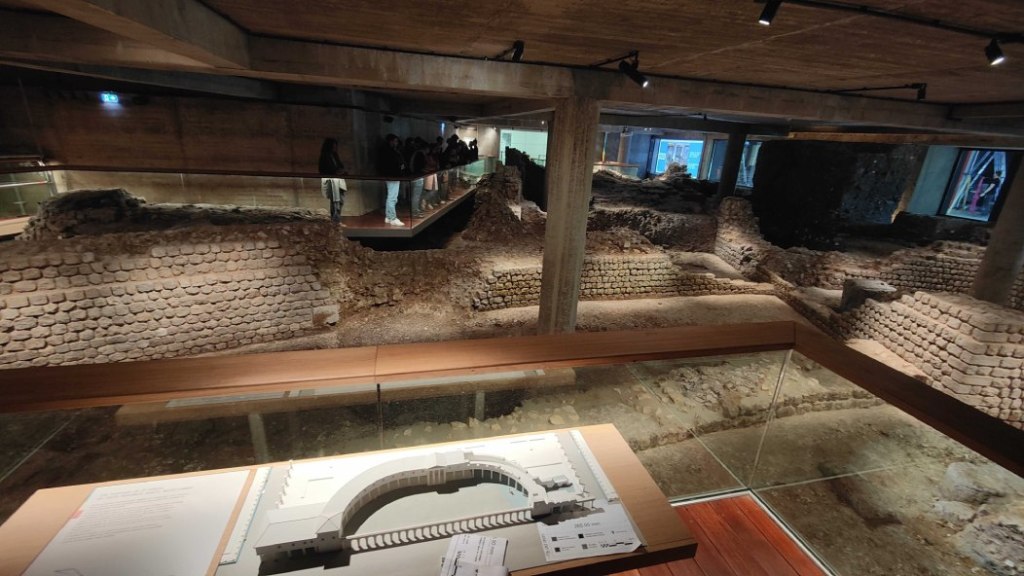
Beauvais was awarded the title of “City of Art and History” by the French Ministry of Culture in 2012; on the lower level of the art centre, 2000 years of Art and History of Beauvais are displayed in its Architecture and Heritage Interpretation Centre. During construction work in the 1960s, archeological remains from Gallo-Roman times were uncovered underneath a medieval construction. The strata of the site were preserved, and the underground room is called The Archeological Crypt. Some parts are as old as the 1st century, also featuring decorated pilasters, and a sculpted head from the 2nd or 3rd century; there is no definitive interpretation of what the purpose of this site was, the semicircular shape suggesting perhaps a forum, thermal baths, or a fountain (the crypt is kept in dimmed lights during visitor’s hours, so the photo below is from the Oise-Hebdo website):
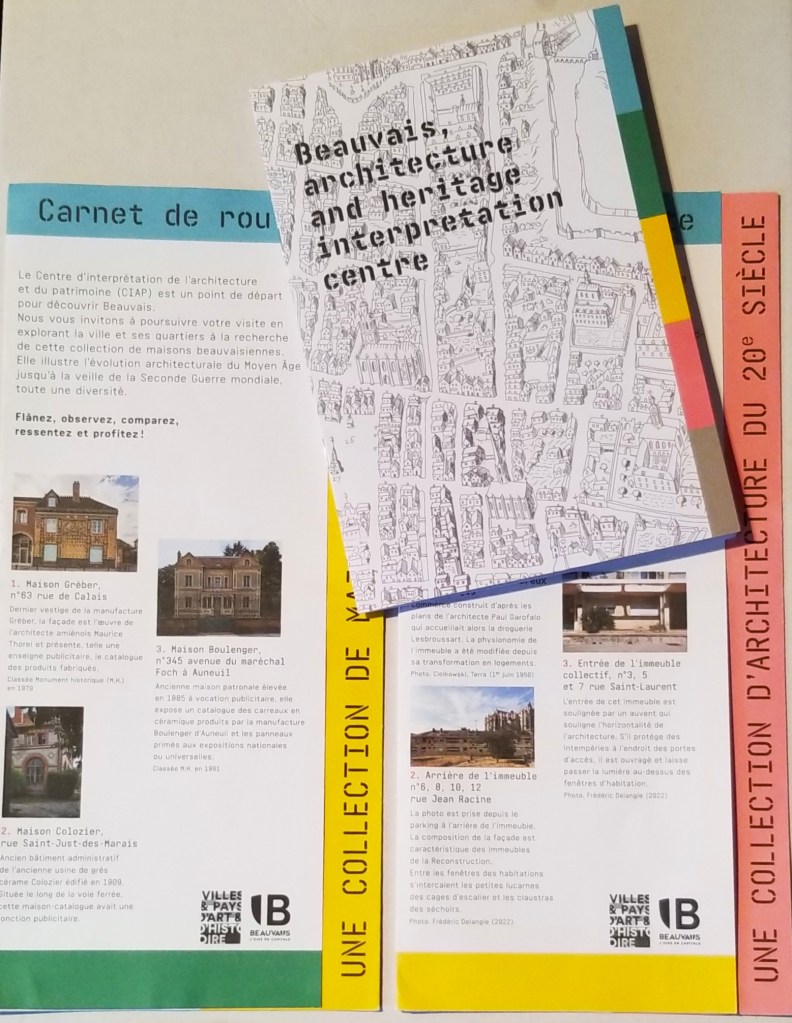
The interpretation centre has modules focusing on different eras or trades of the city, with photos, artifacts, samples and videos. From the beginnings as a frontier town in the Kingdom of France, through wars and trades by the river Thérain – for example serving the textile industry of linens and tapestries – to ceramic tiles and architectural traditions, this collection illustrates the life of the town, and ultimately encourages visitors to go out and continue exploring the town on each street and nook:
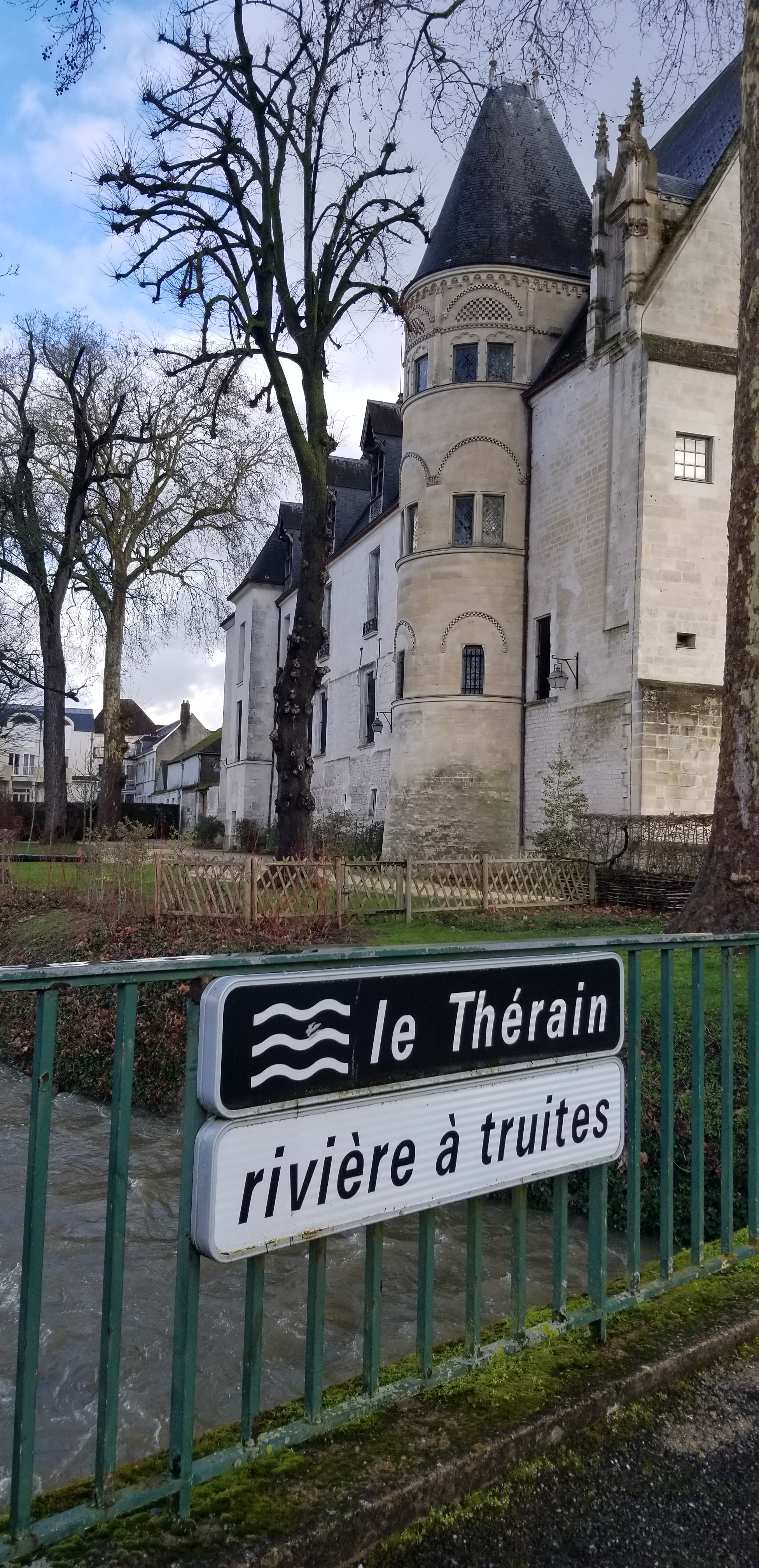
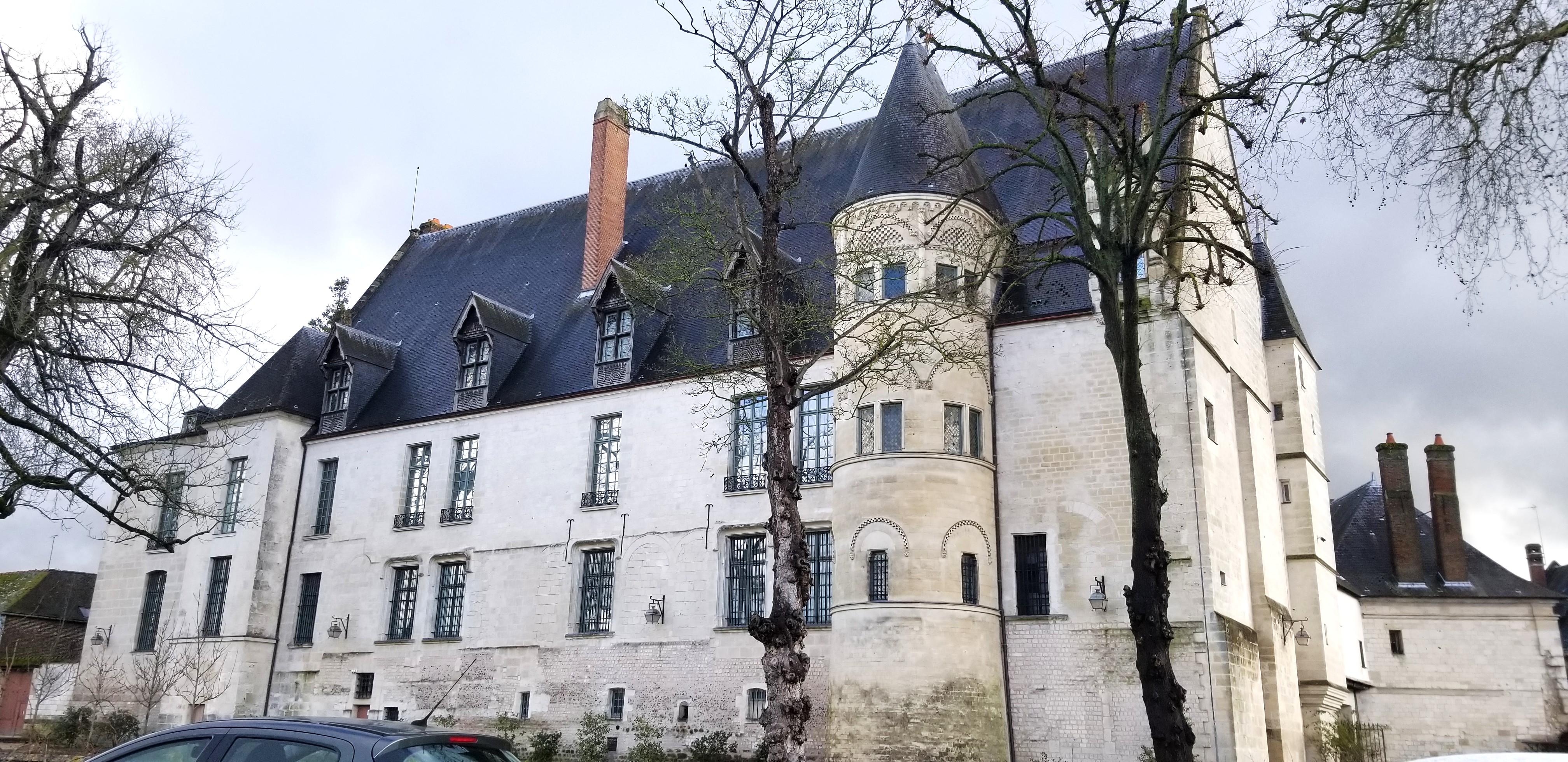
So the next stop, on the other side of the cathedral, next to the Thérain river, was the MUDO (Musée départemental de l’Oise). The historic building dates from the 12th and 13th centuries, and first served as the residence of royalty and high clergy of Beauvais until the French Revolution. Later on, the building was used by the prefecture, bishops, and as a private residence, until it became a museum in 1981:
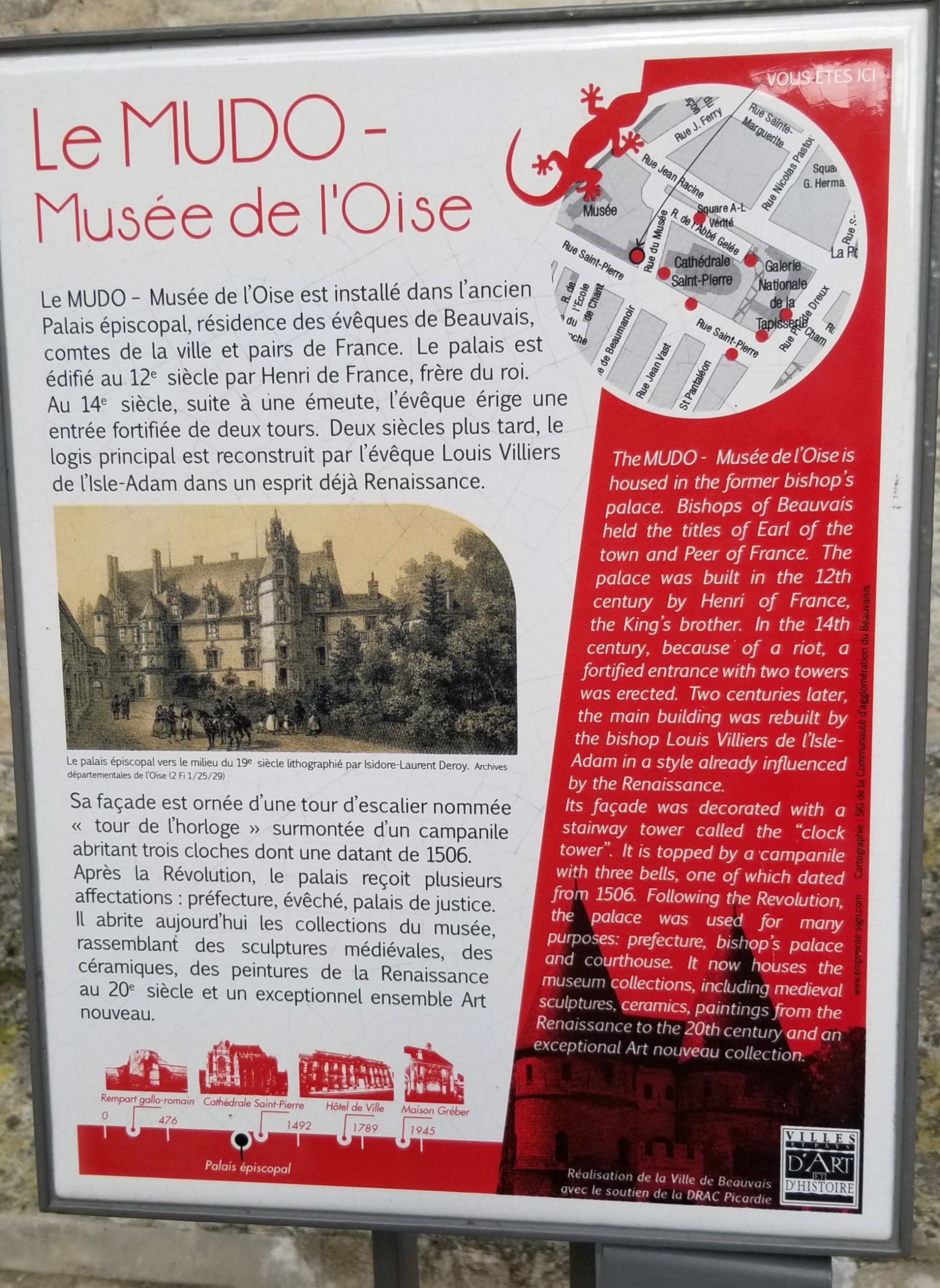
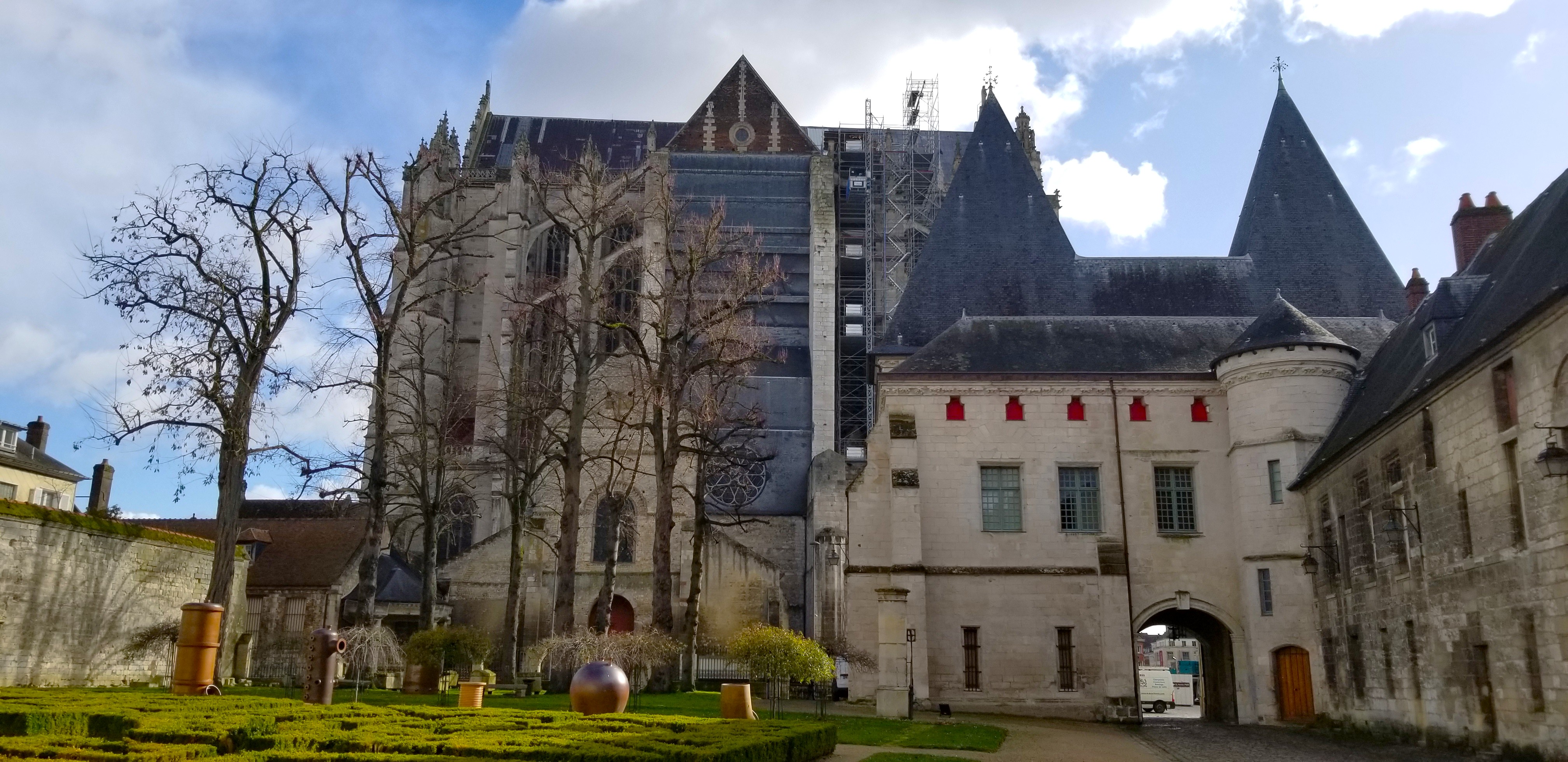
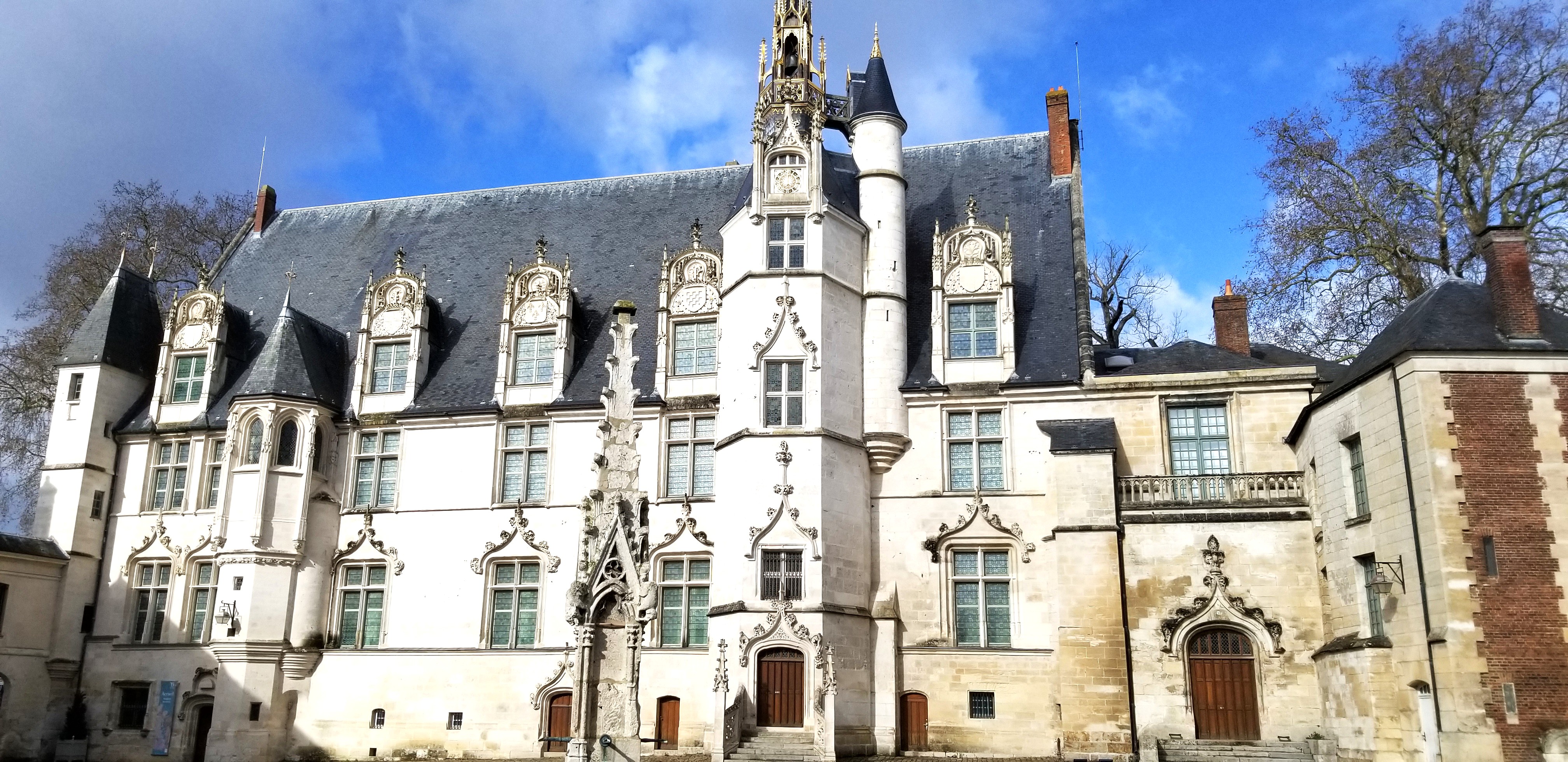
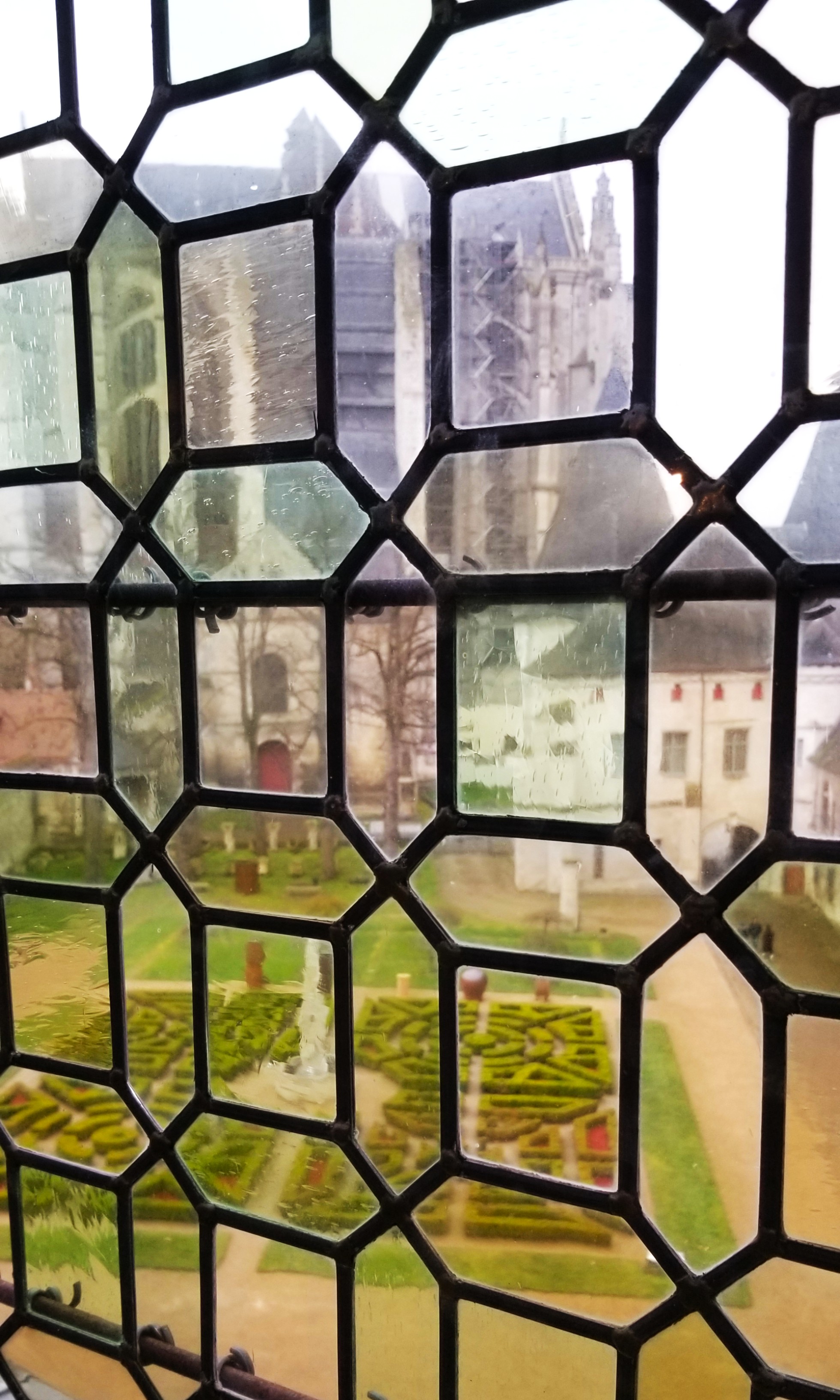
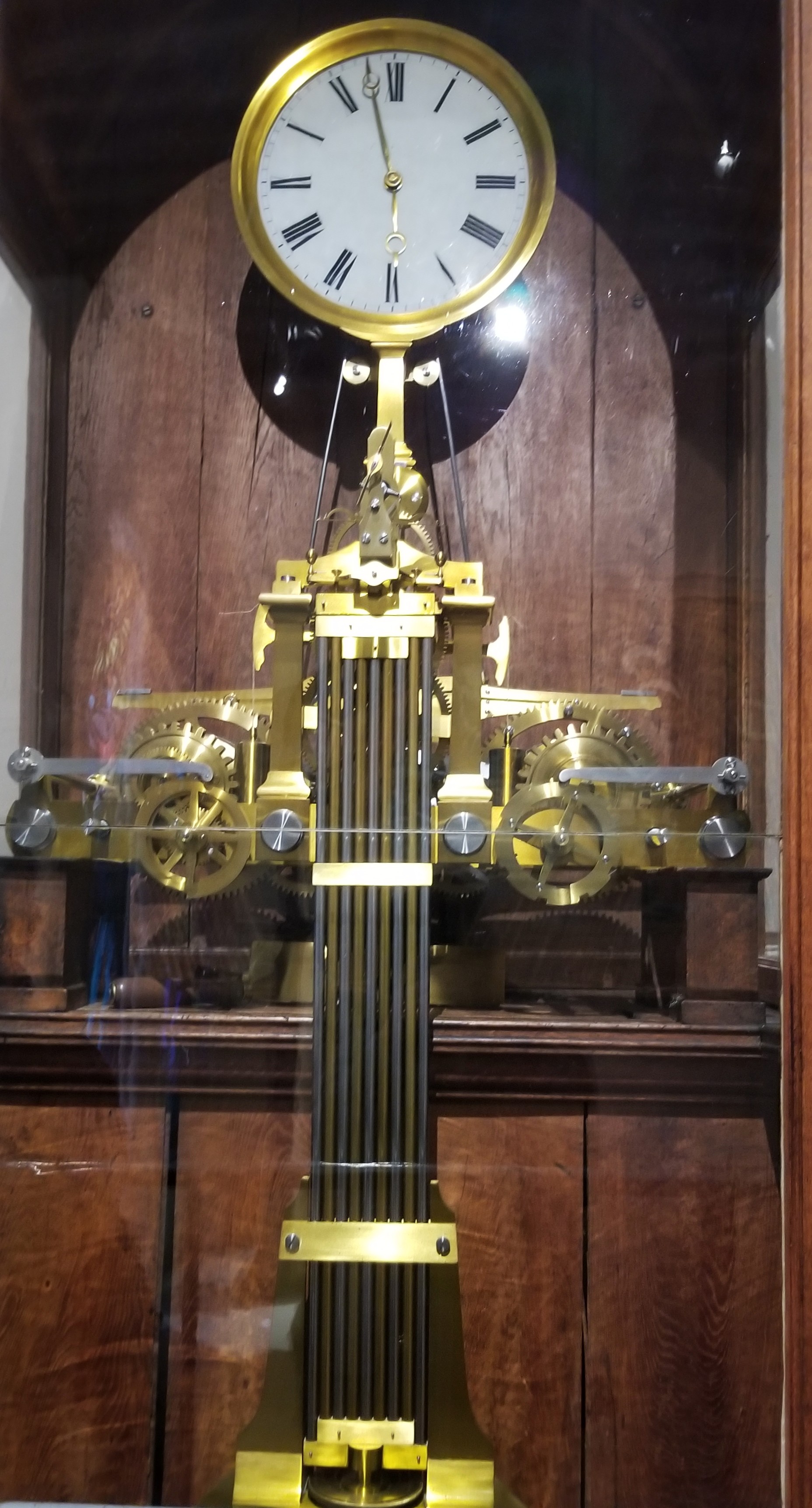
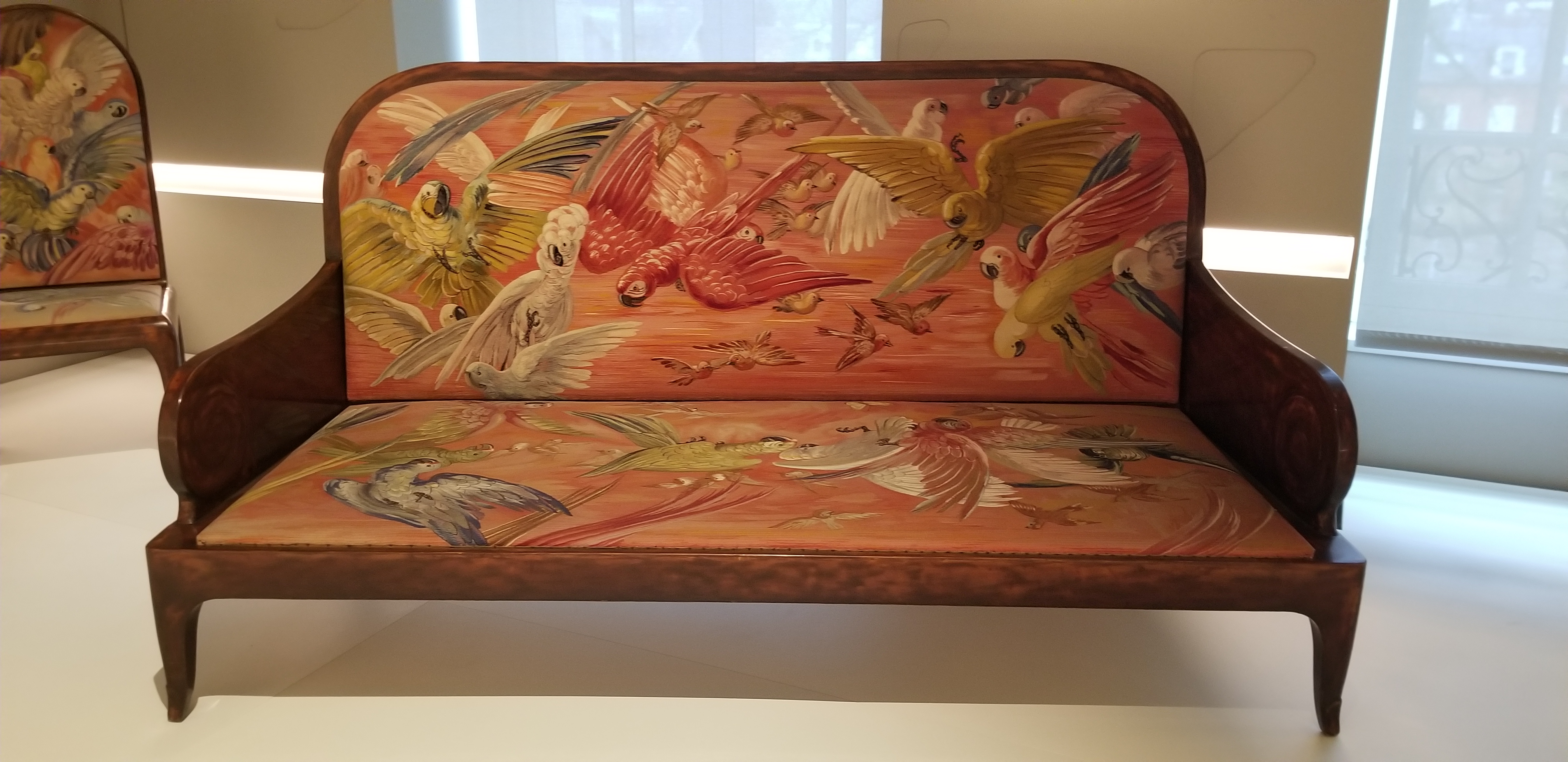
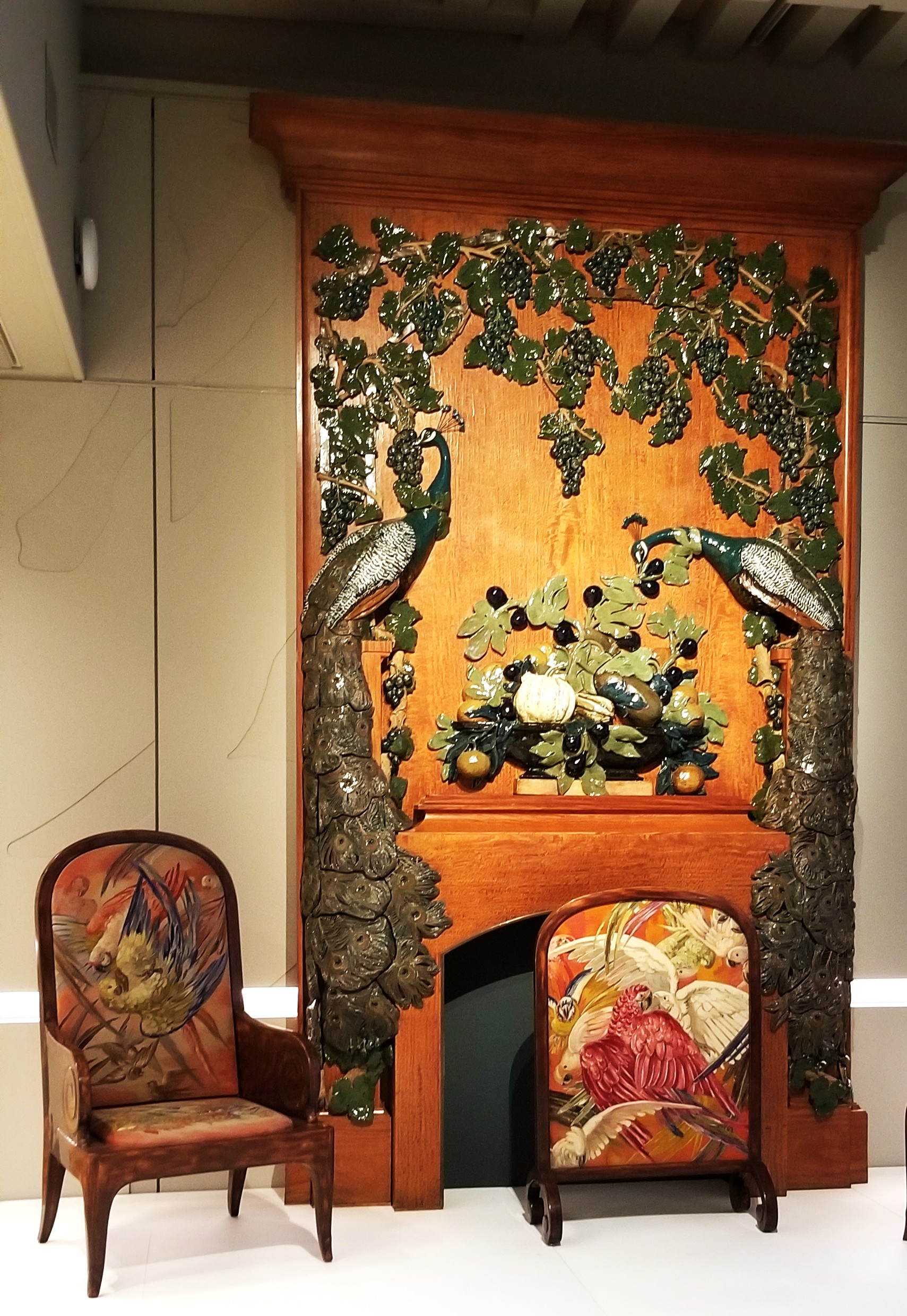
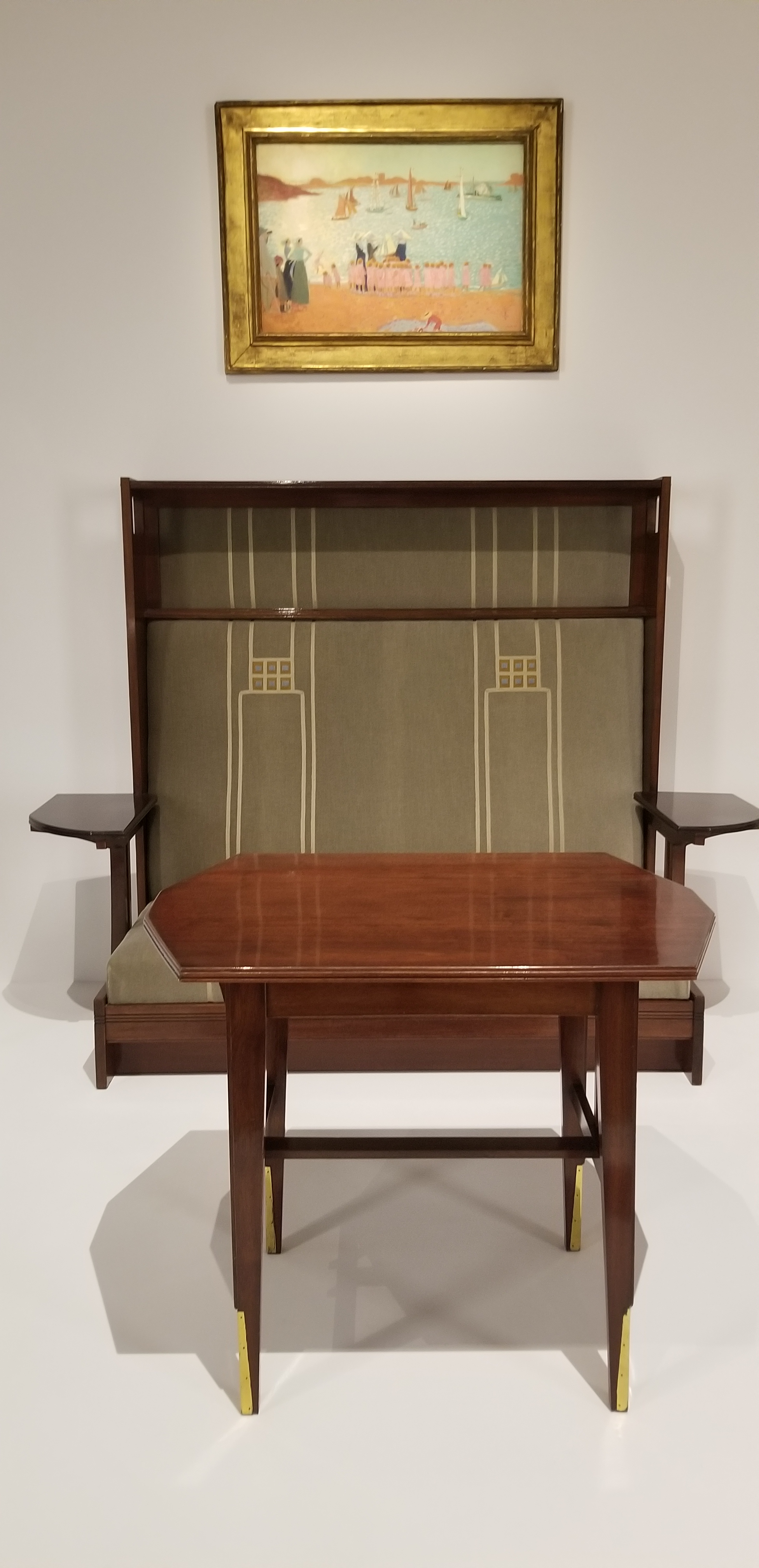
Nowadays, it houses a selection of art works from the 19th century, temporary exhibitions and workshops. In the photos below, amongst the collection, a clock by August Lucien Vérité (the designer of the cathedral’s astronomical clock), paintings, and examples of local tapestry and Art Nouveau furniture:
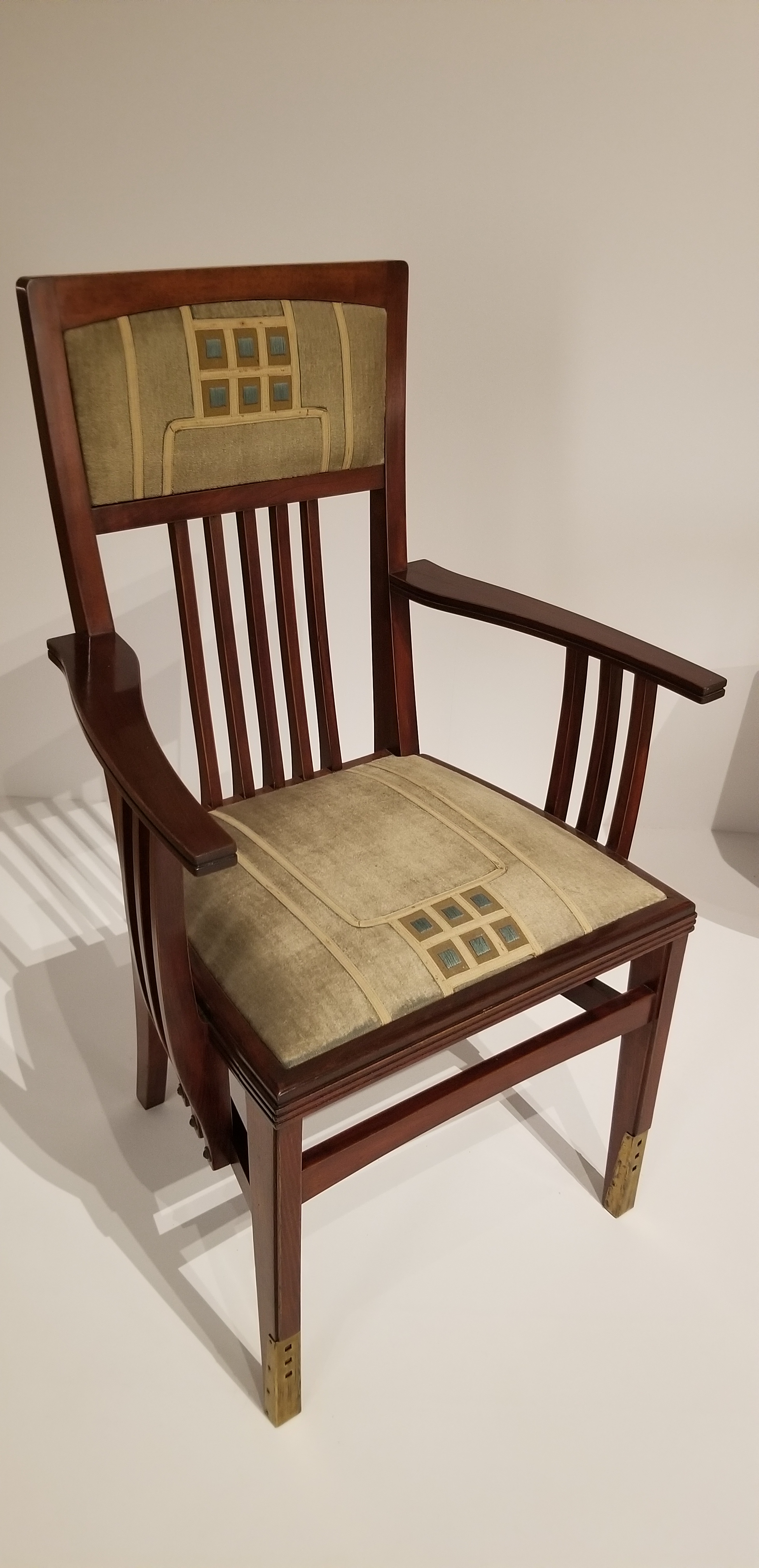
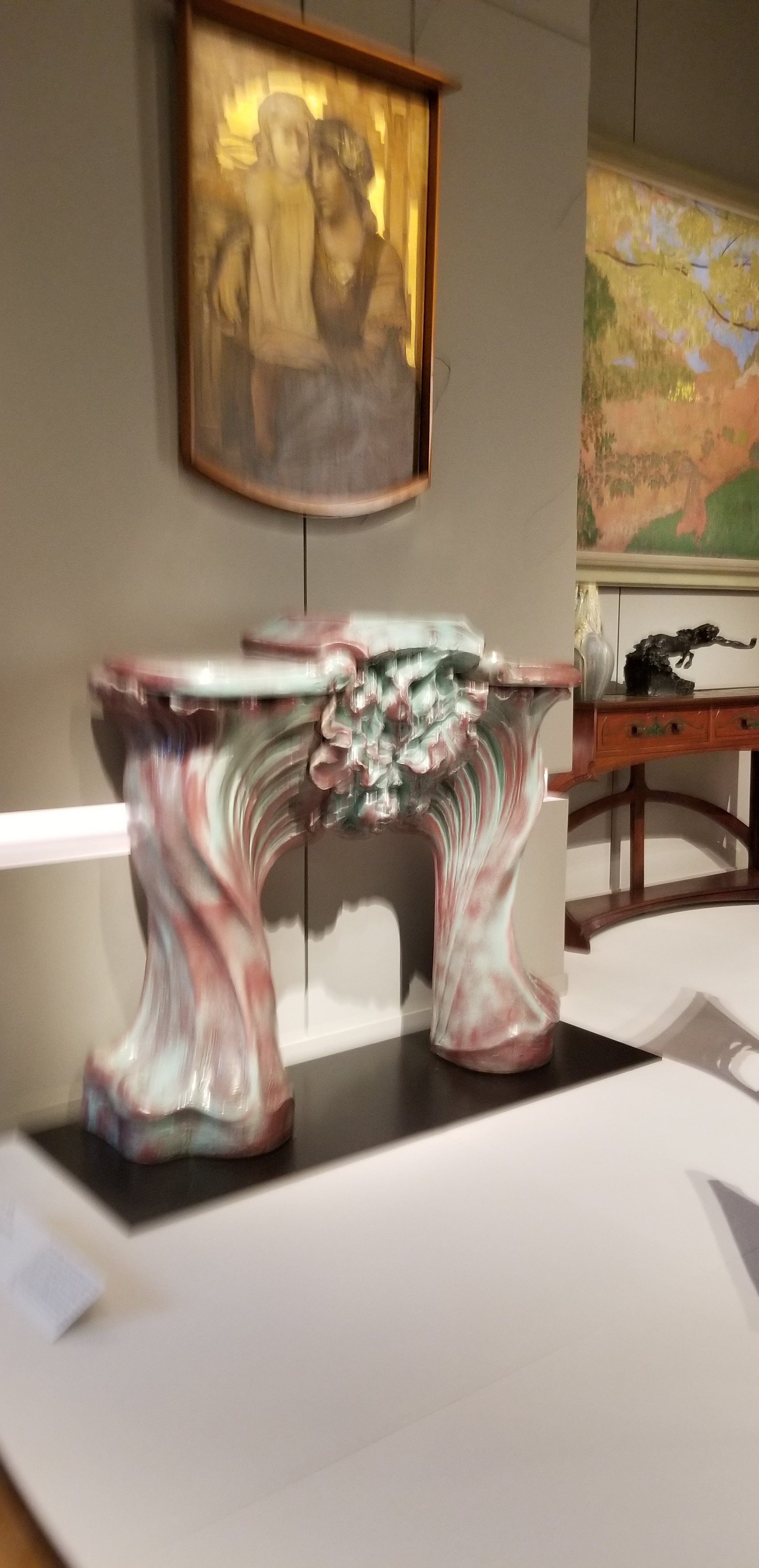
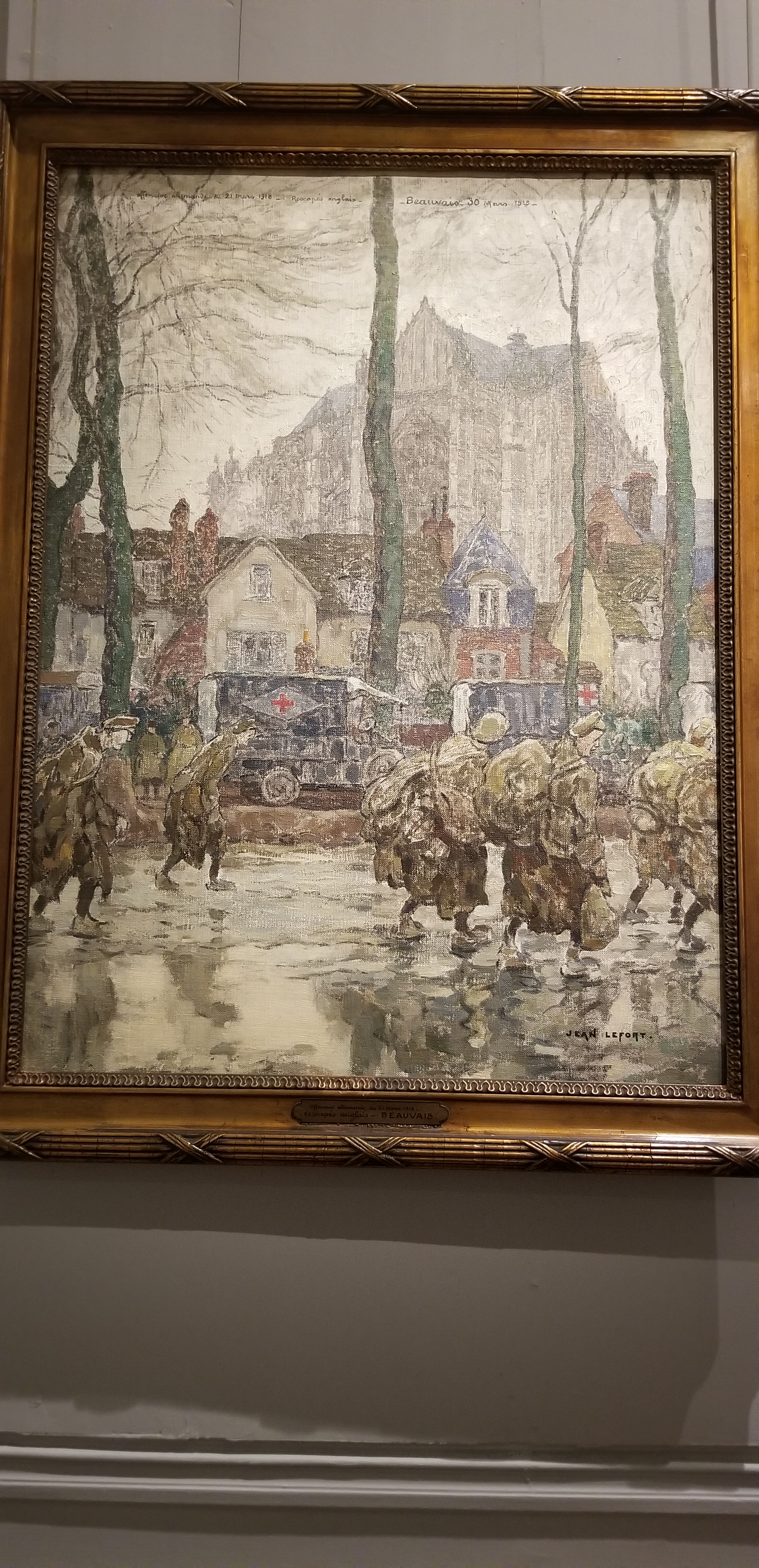
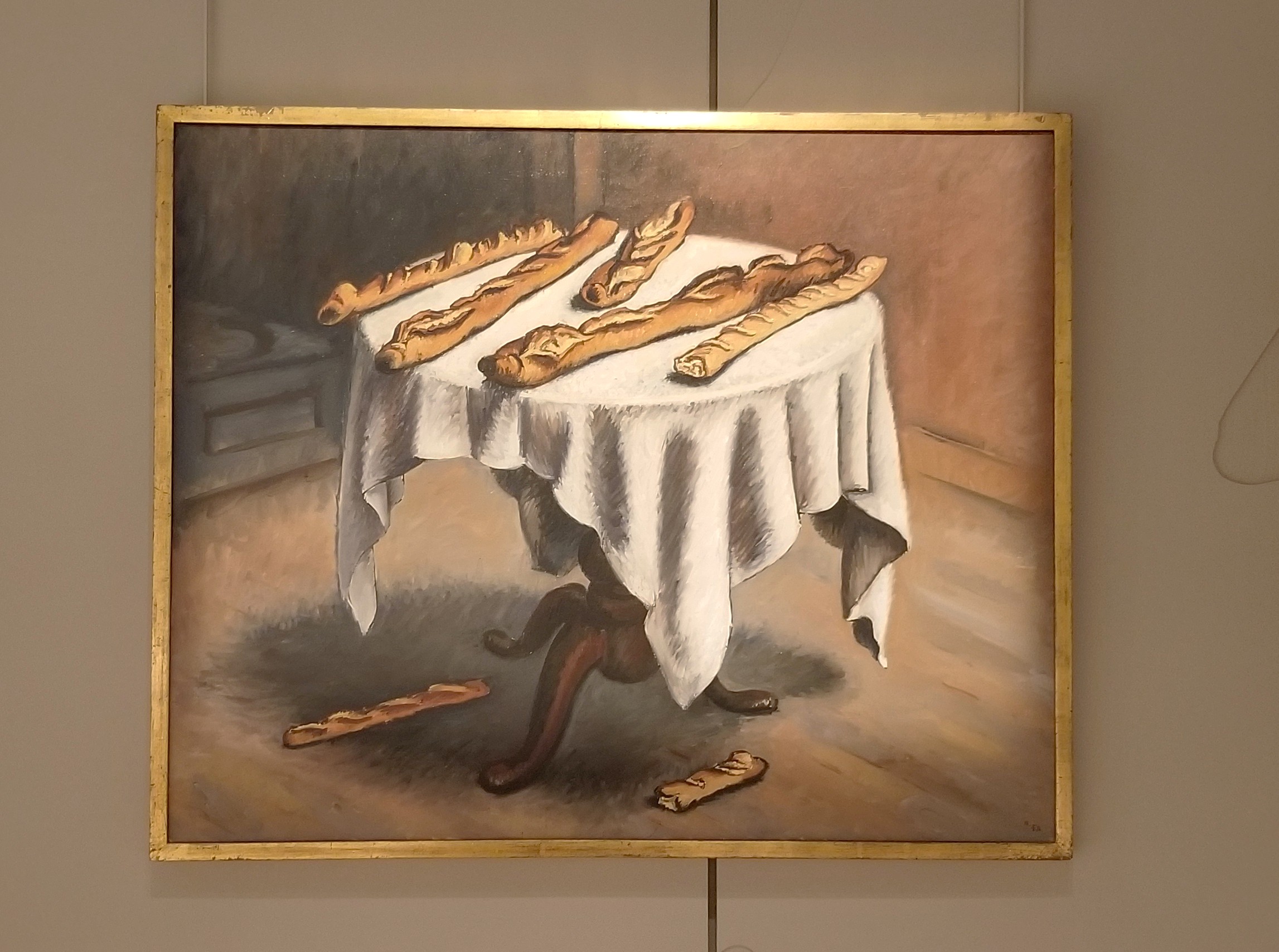
The centre route included the Saint Etienne church, and the main square. Some highlights were a working carrousel, Jeanne Hachette statue (15th century local heroine), and City Hall, which houses some examples of the Beauvais tapestry art:
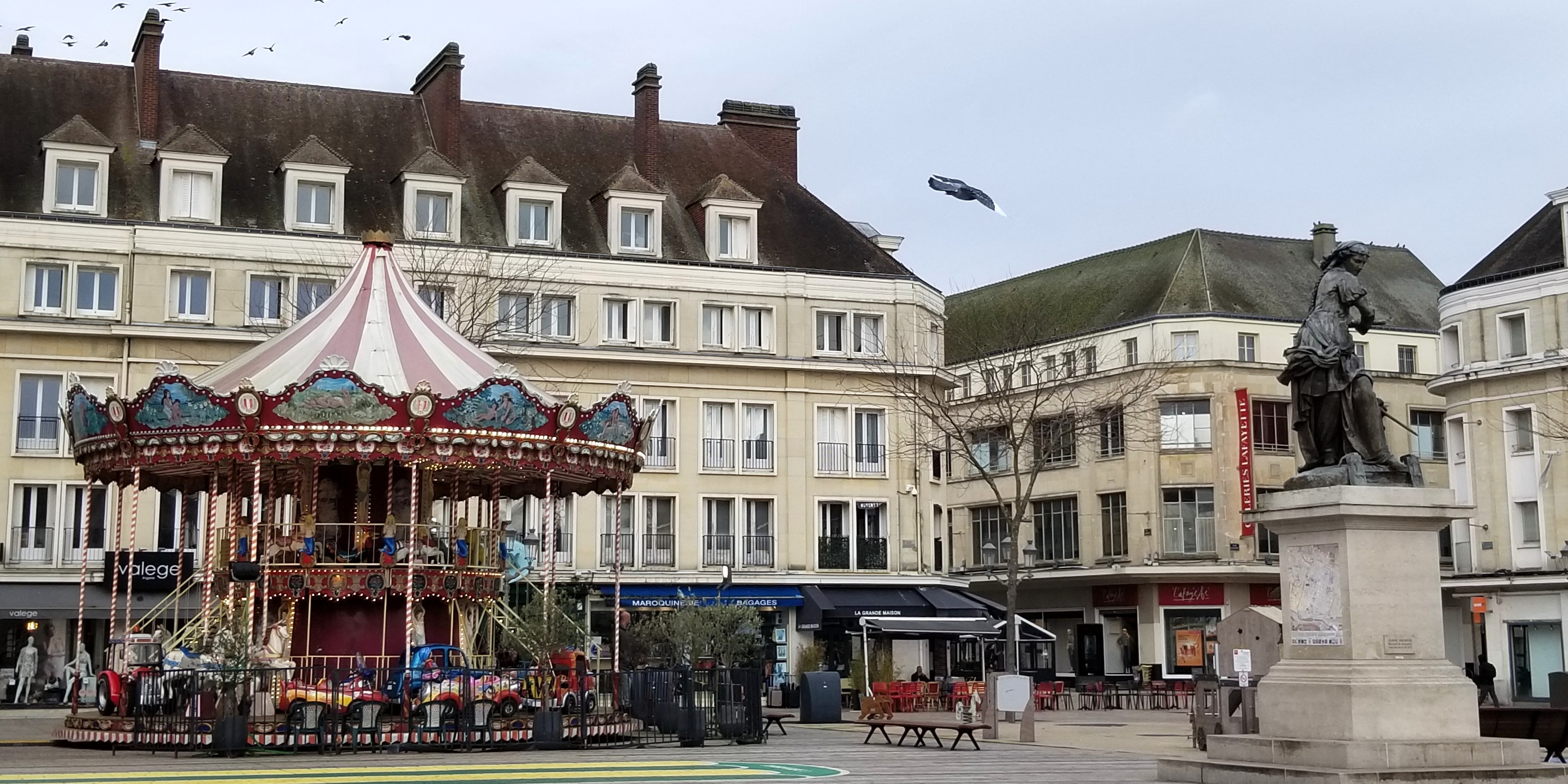
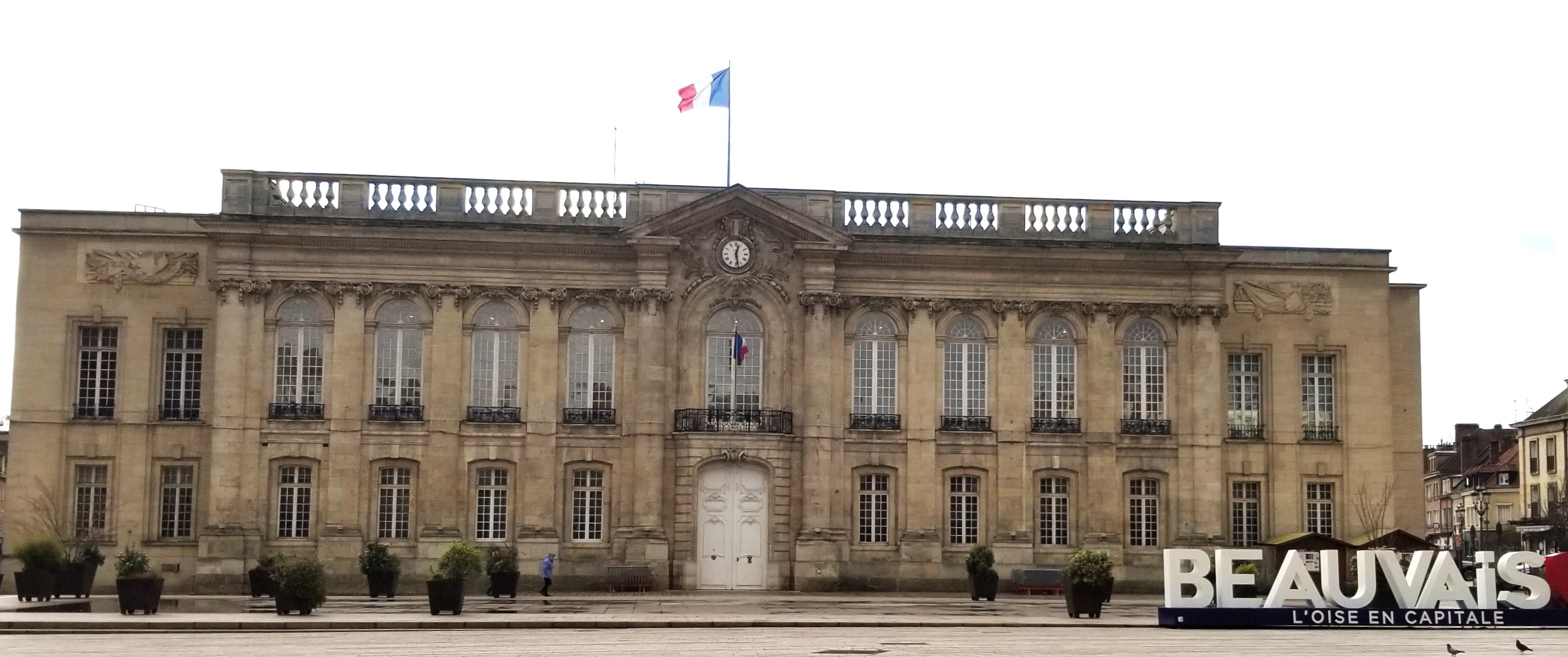
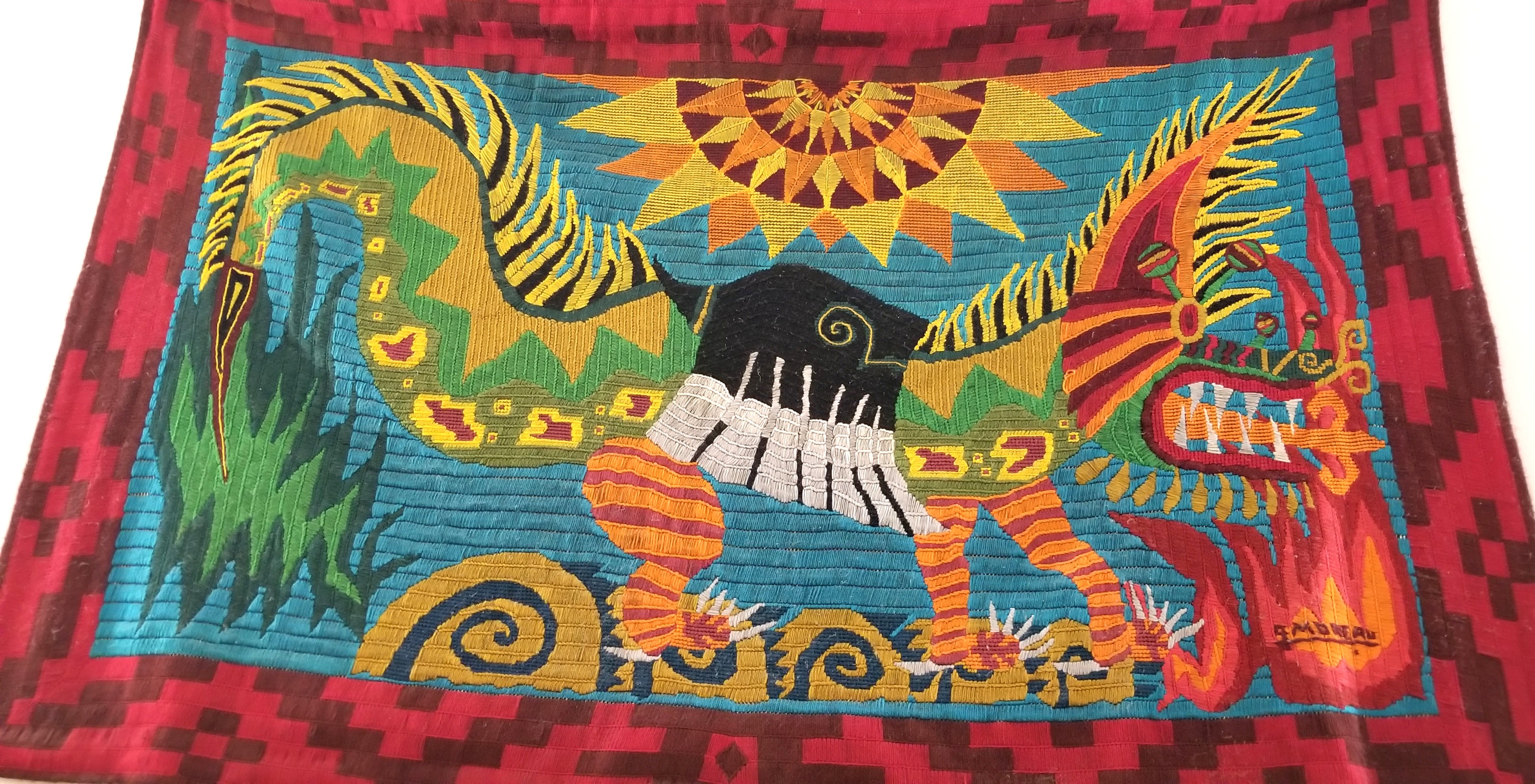
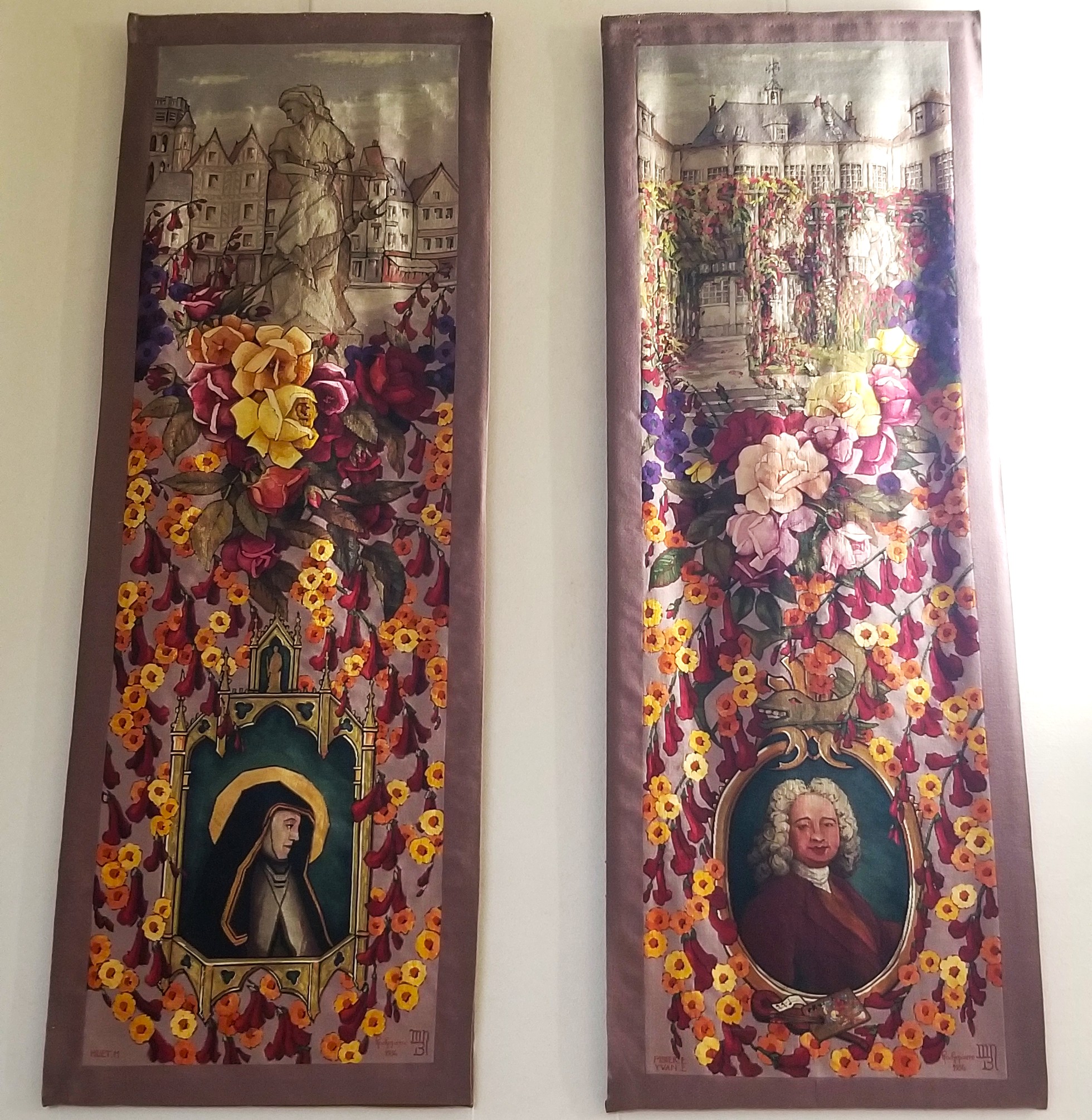
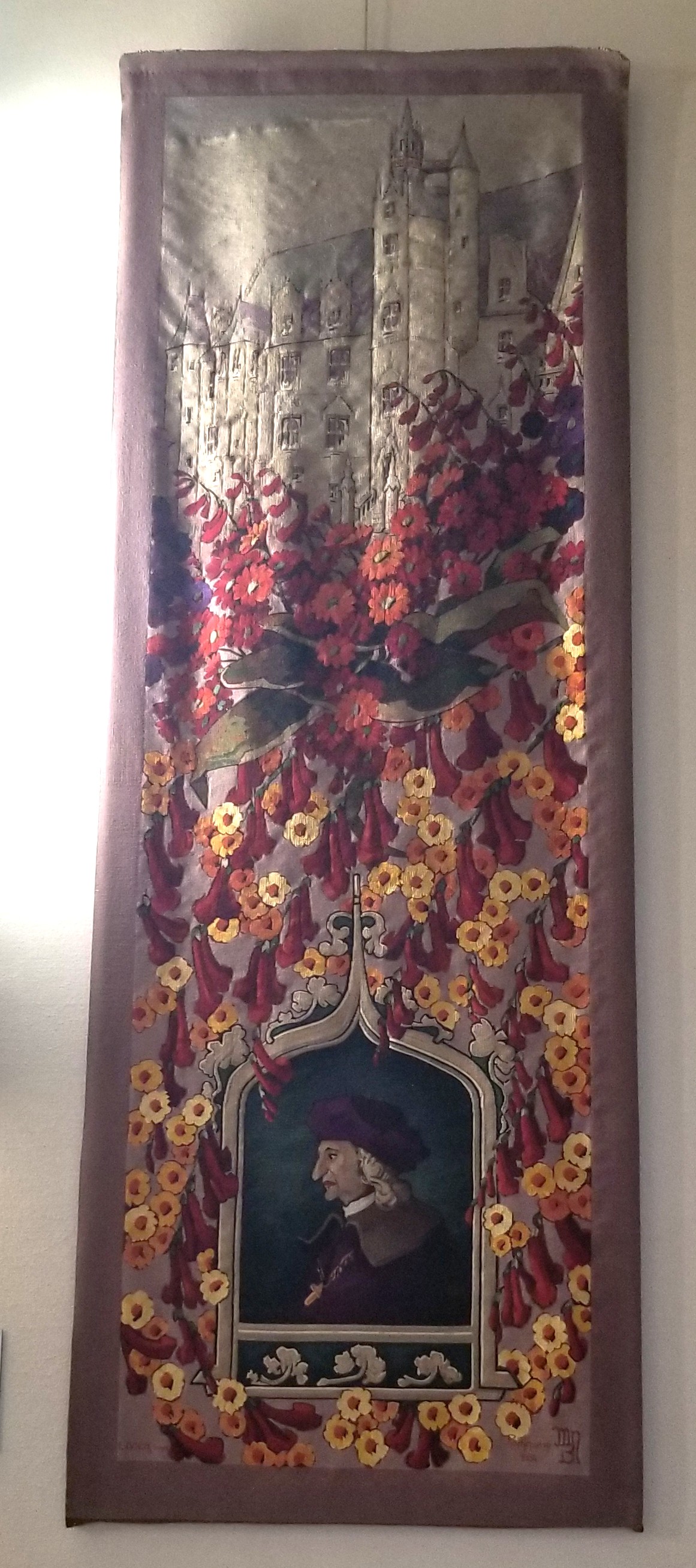
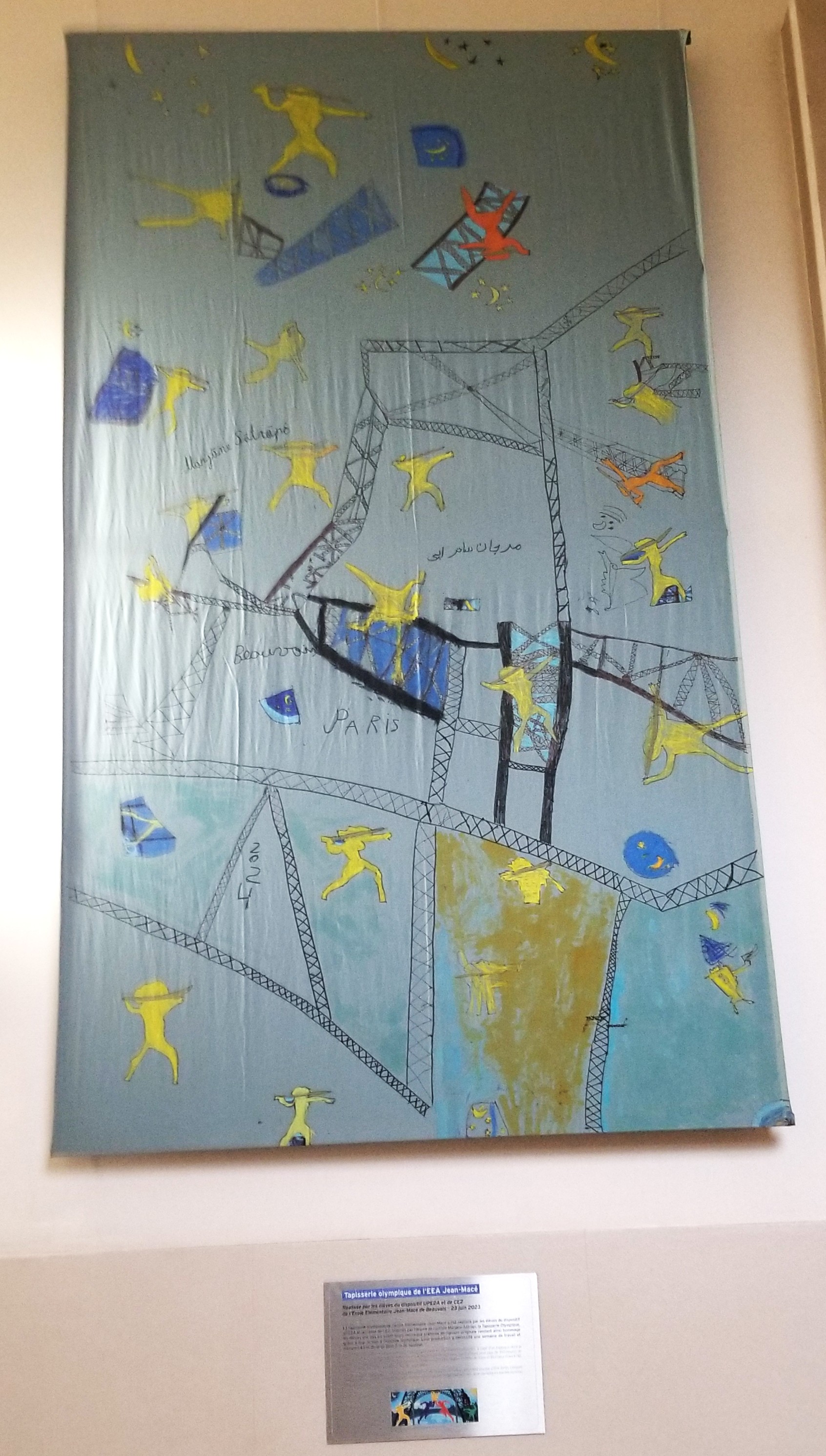
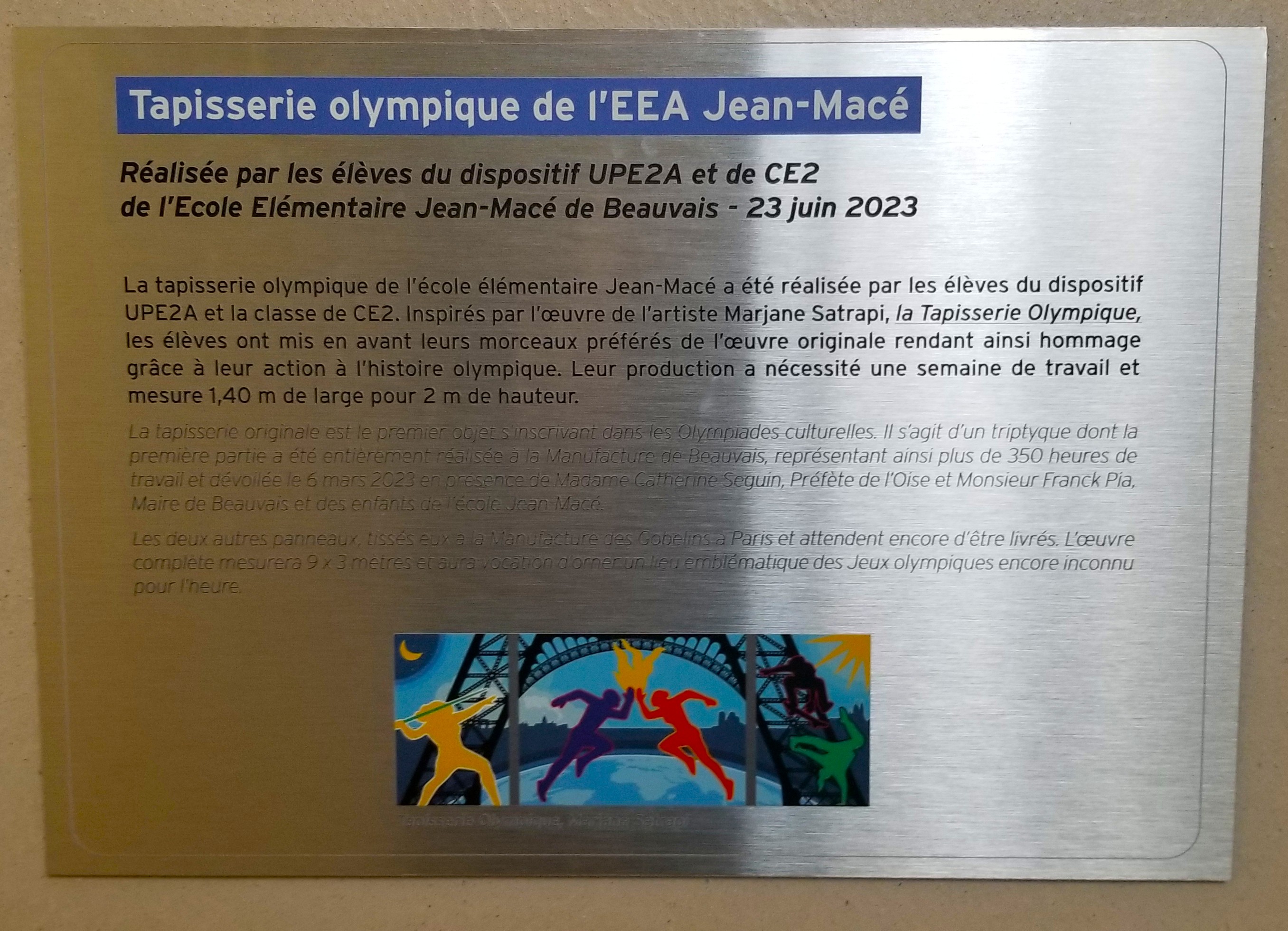
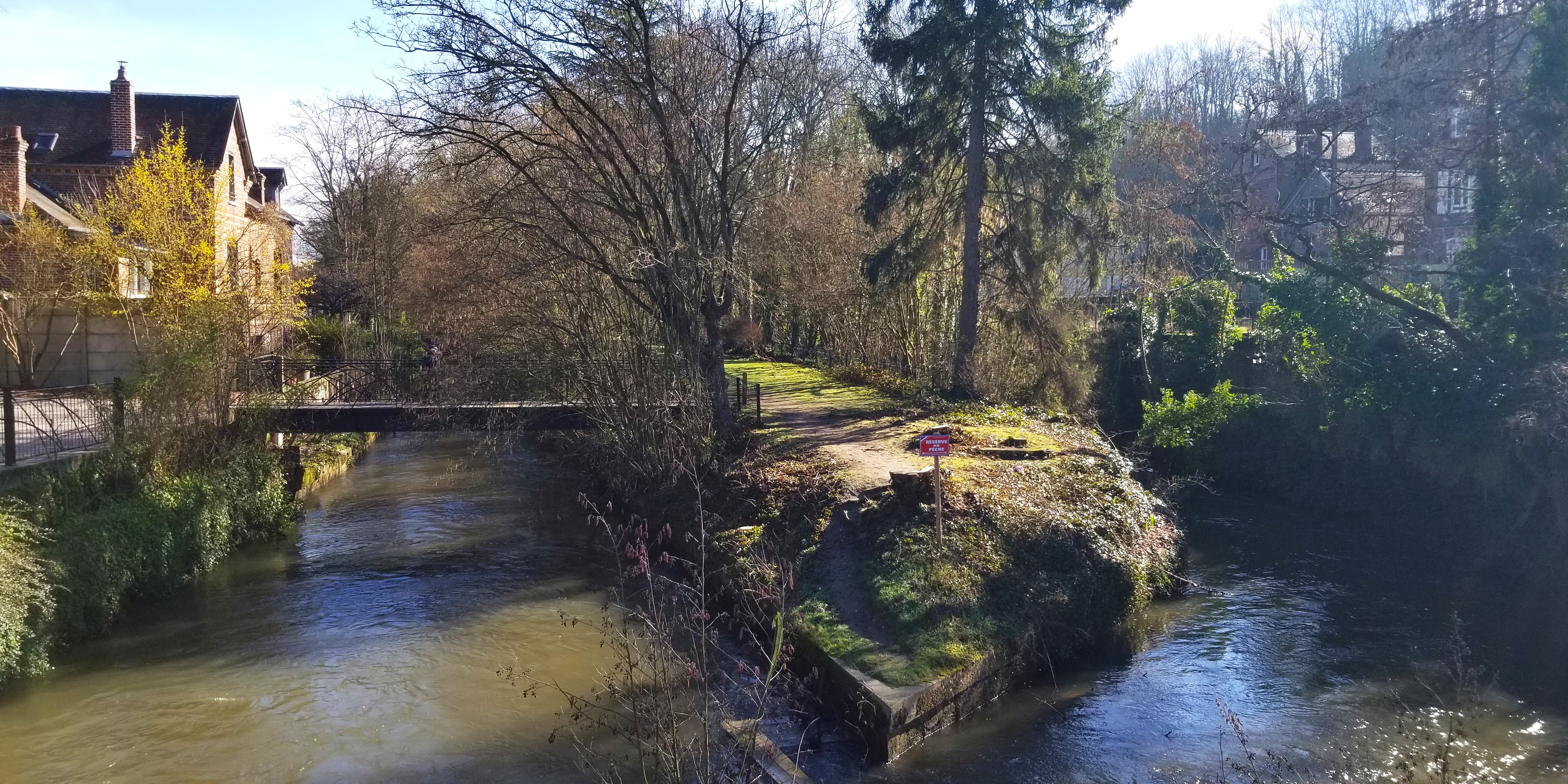
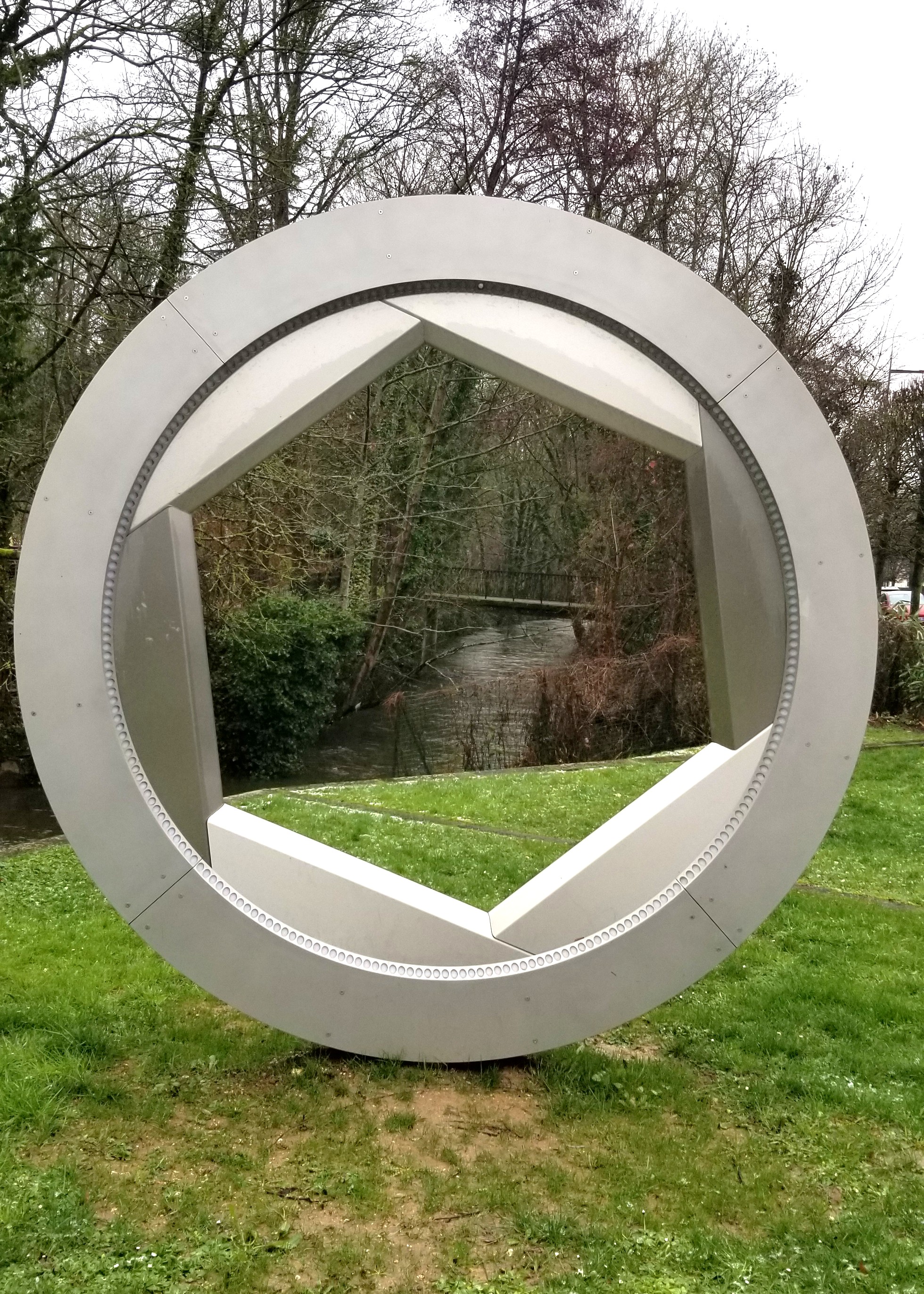
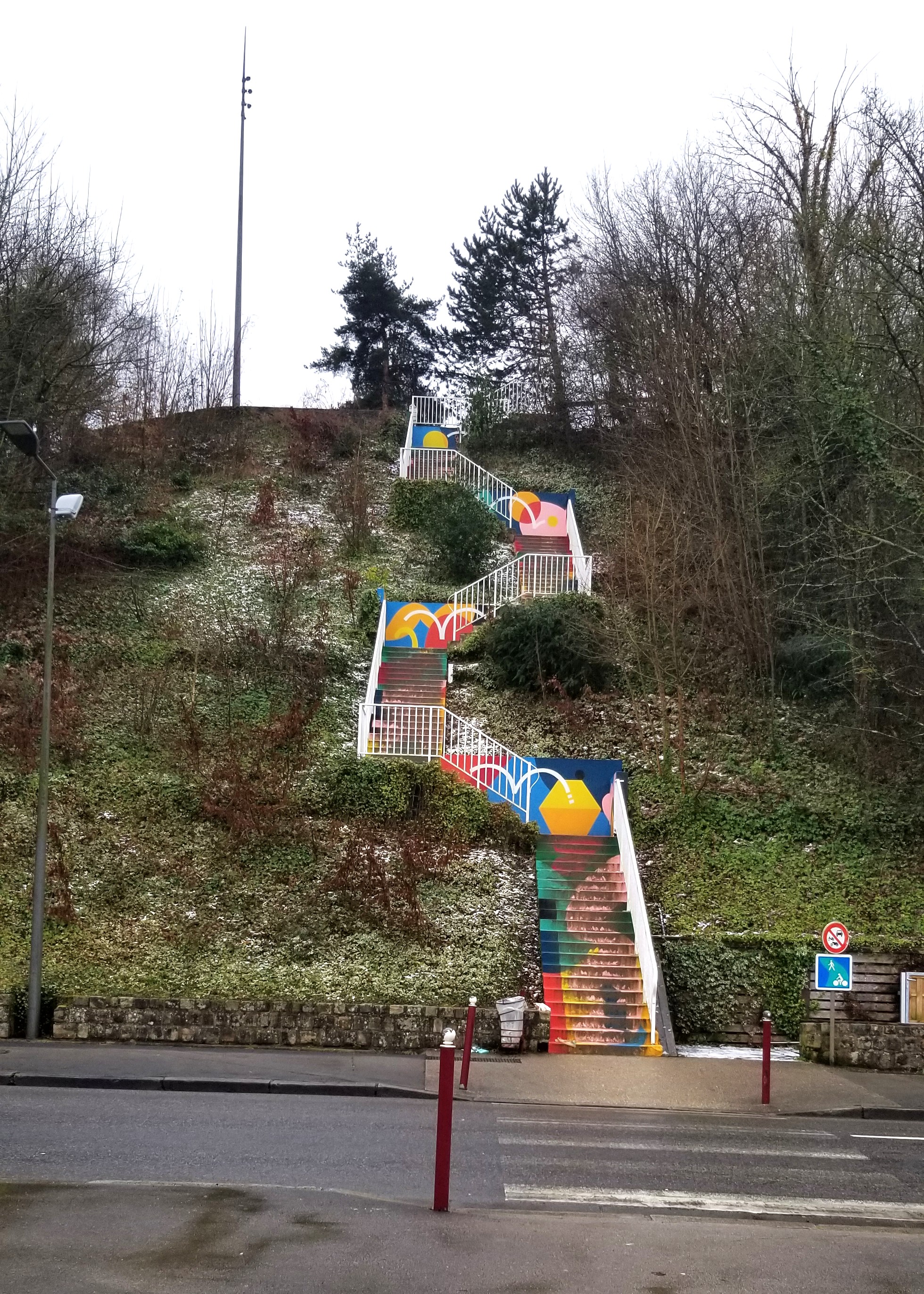
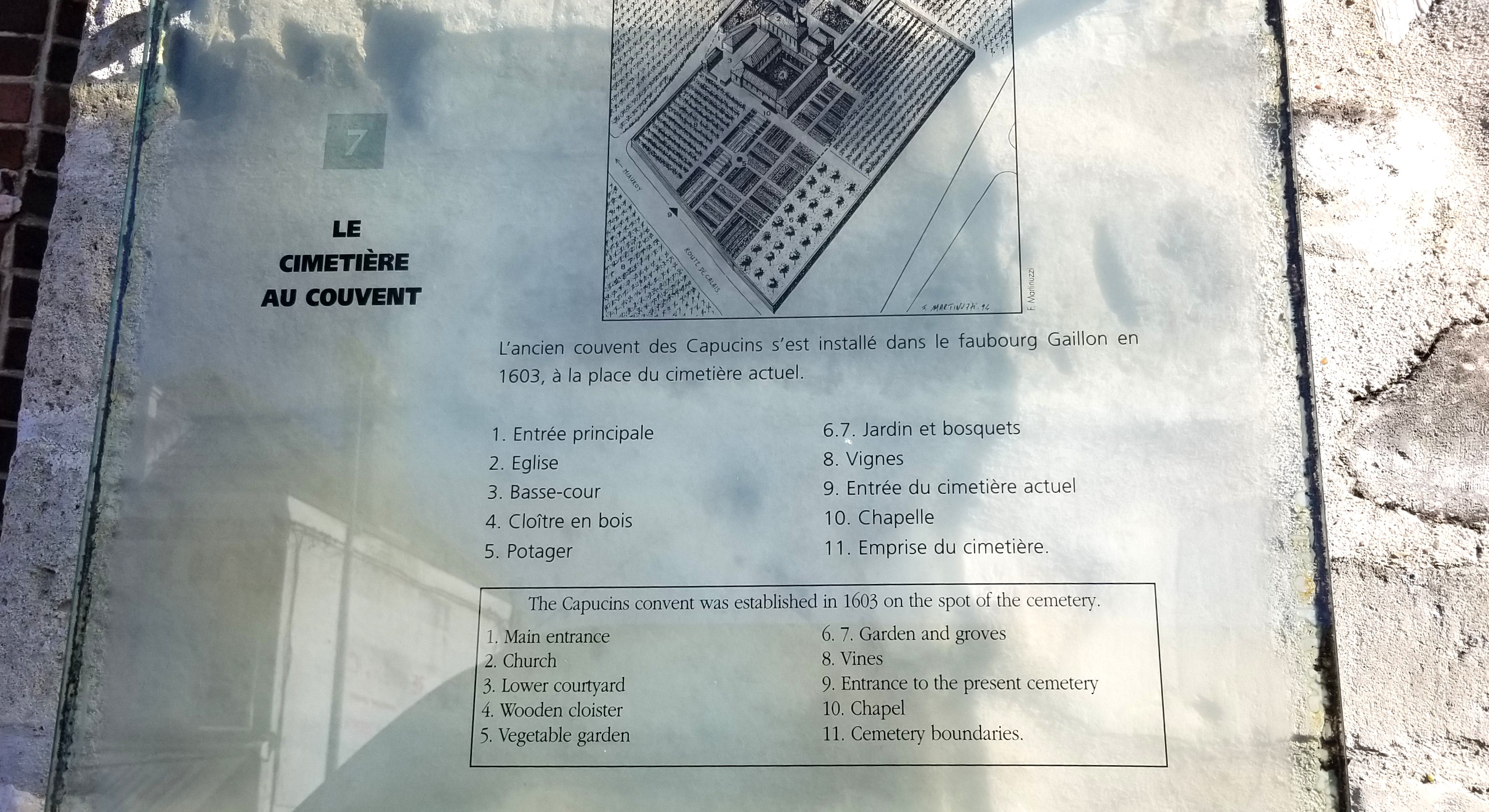
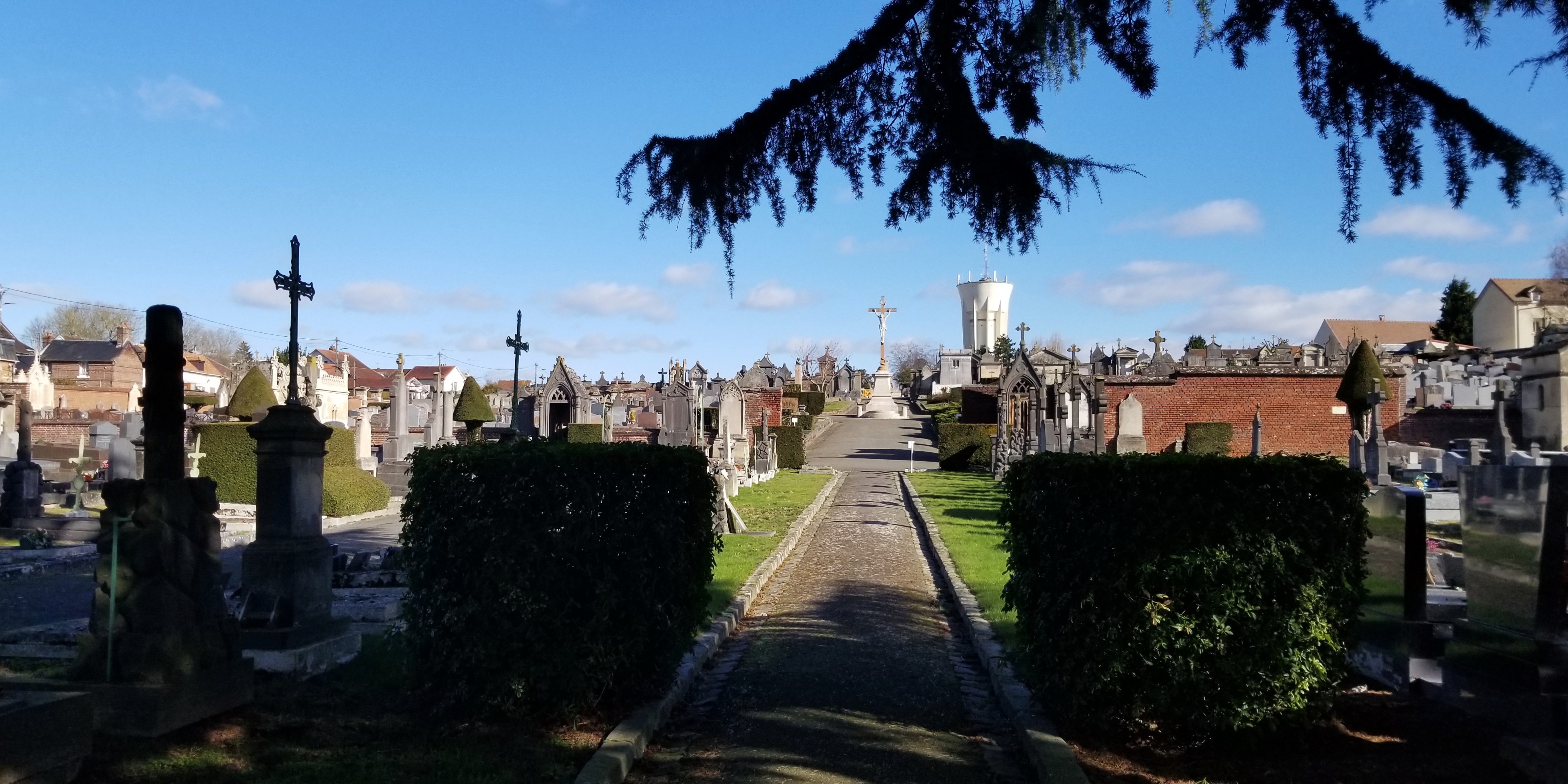
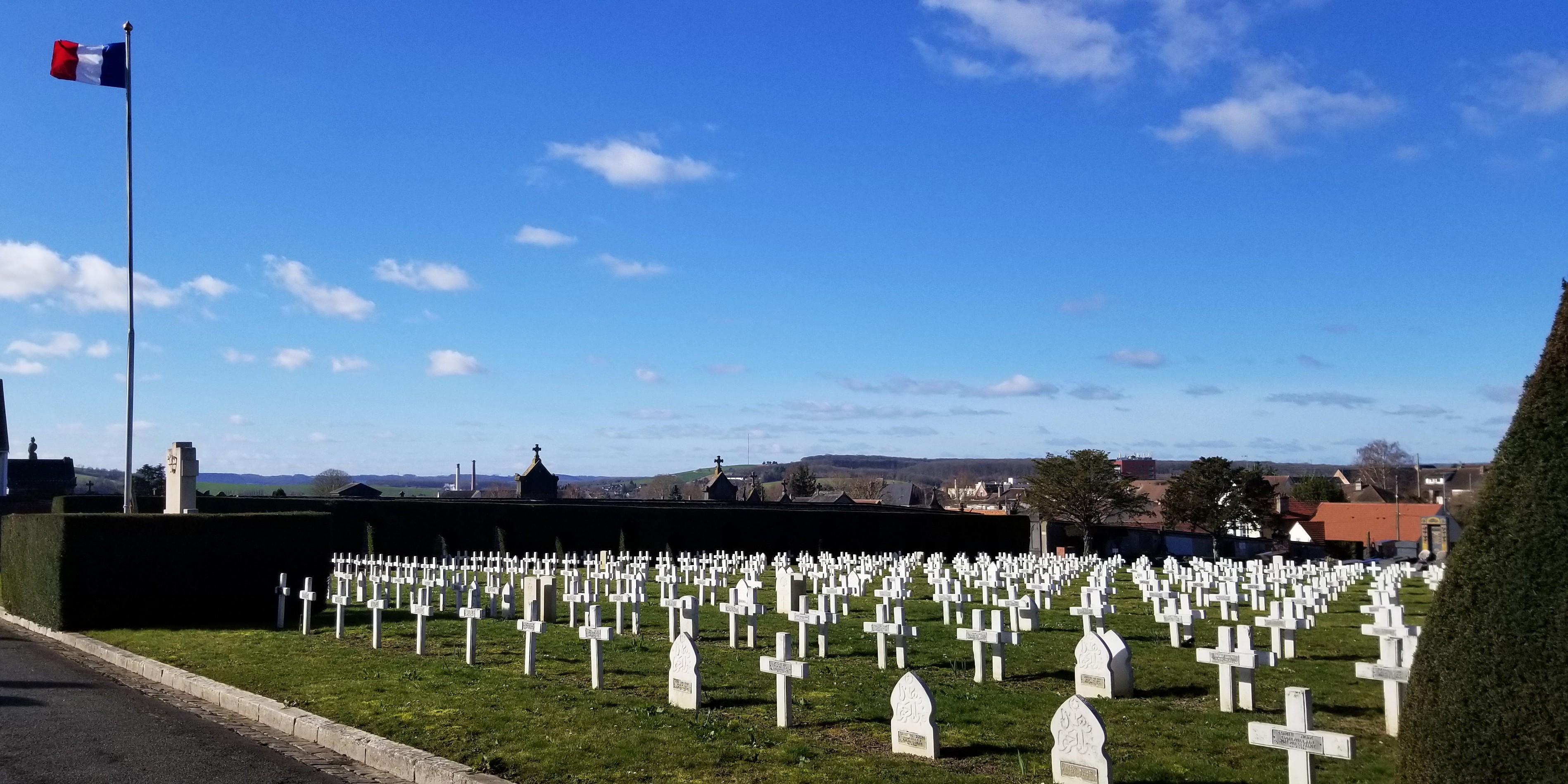
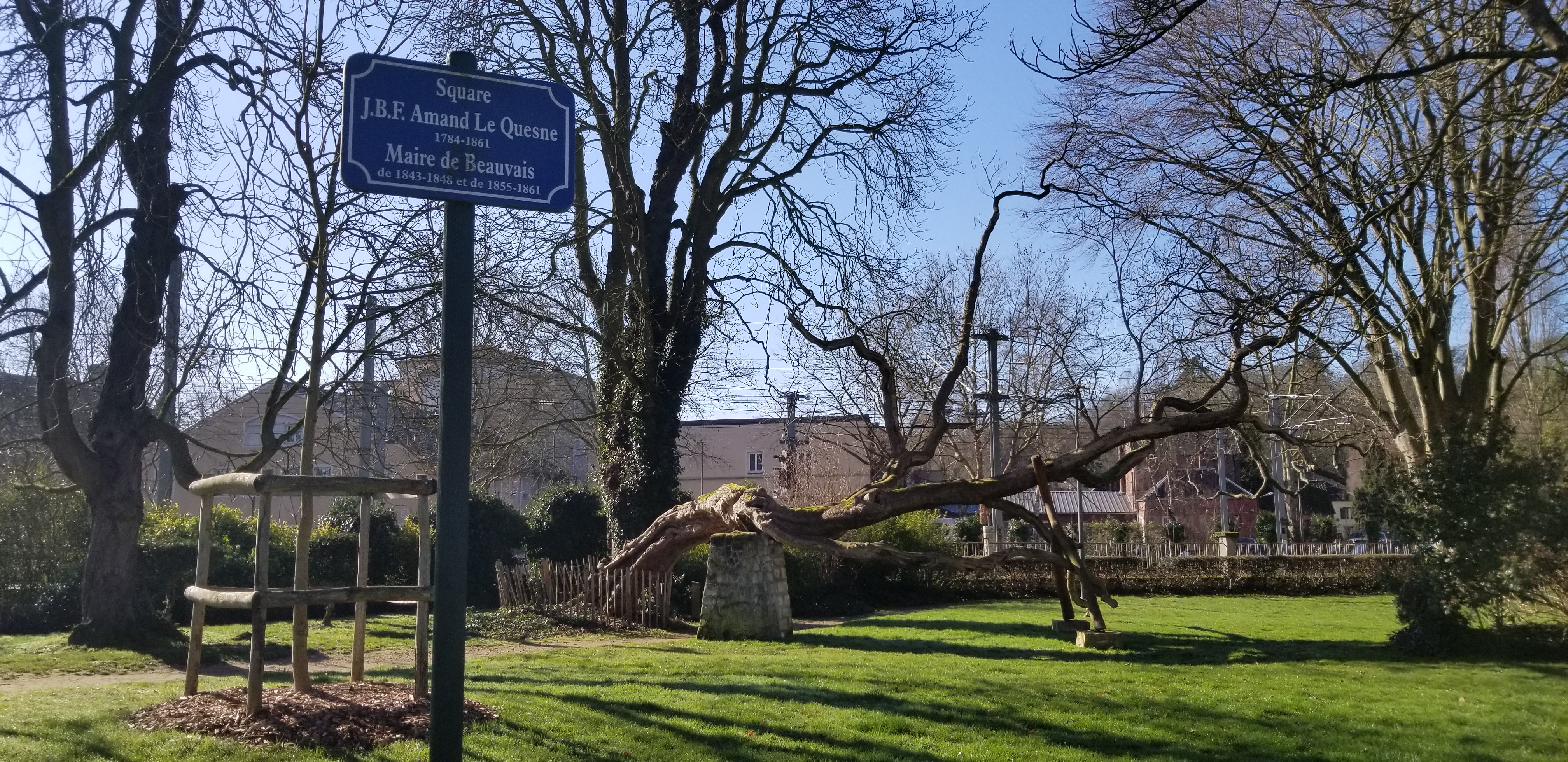
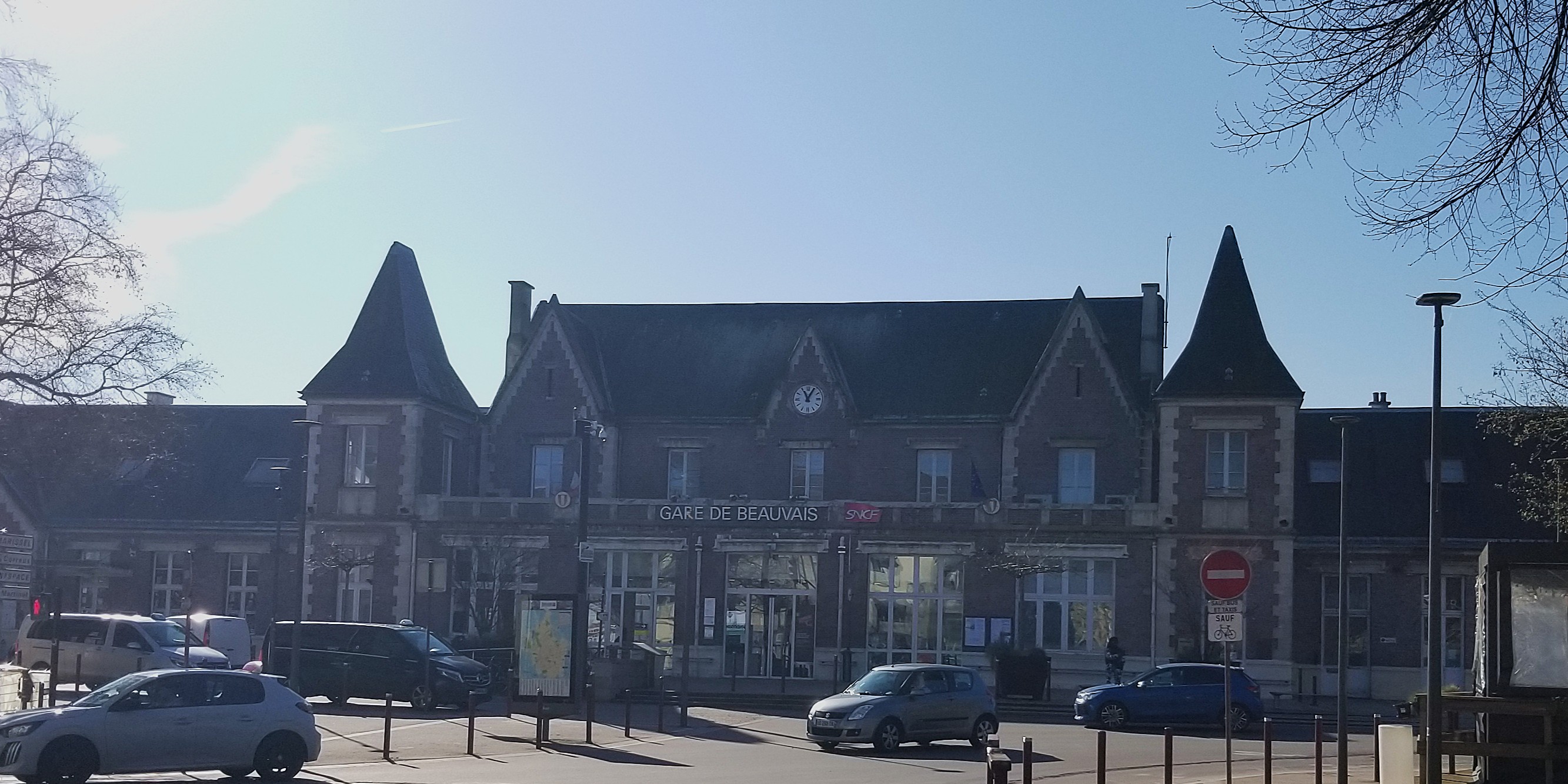
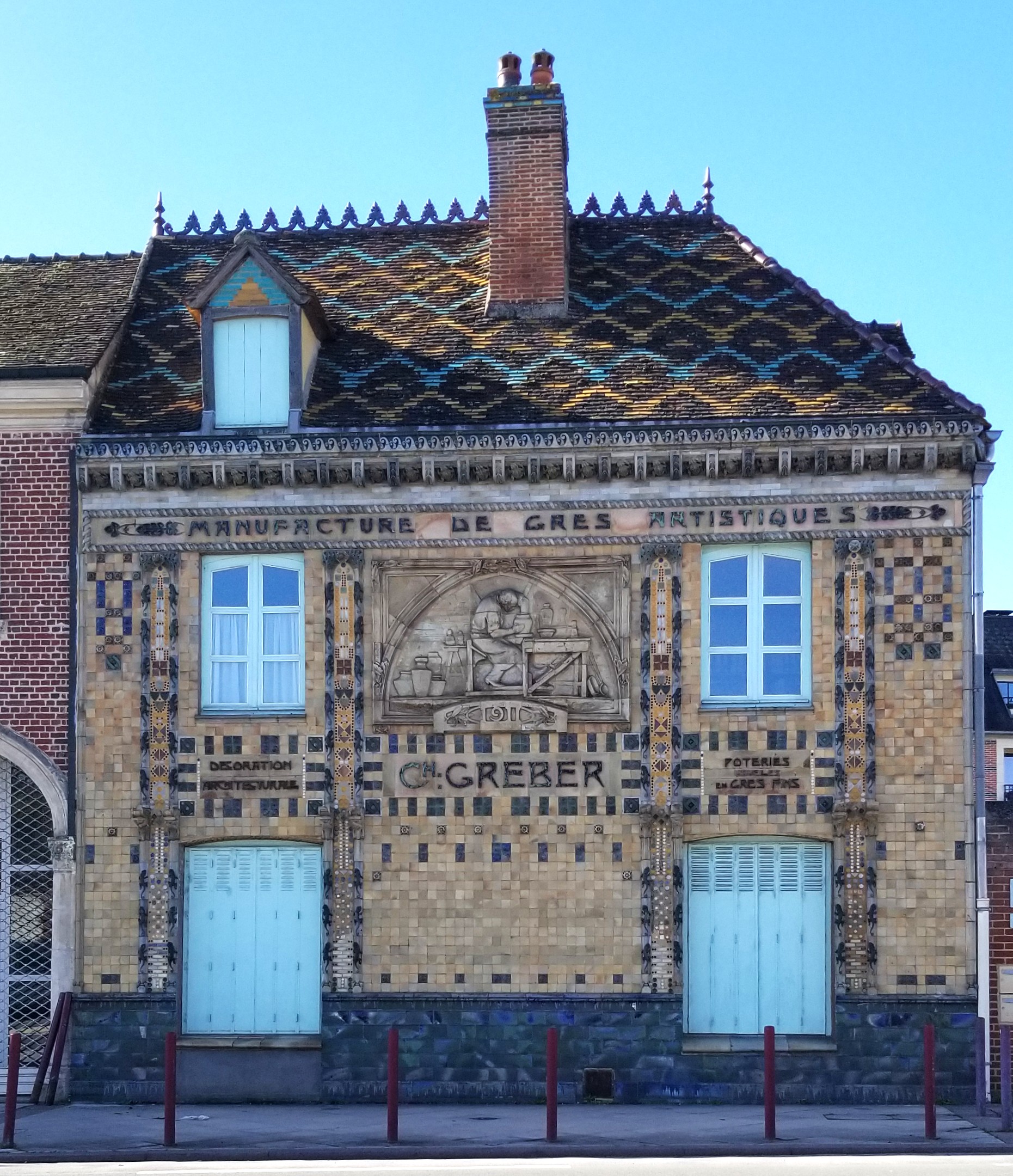
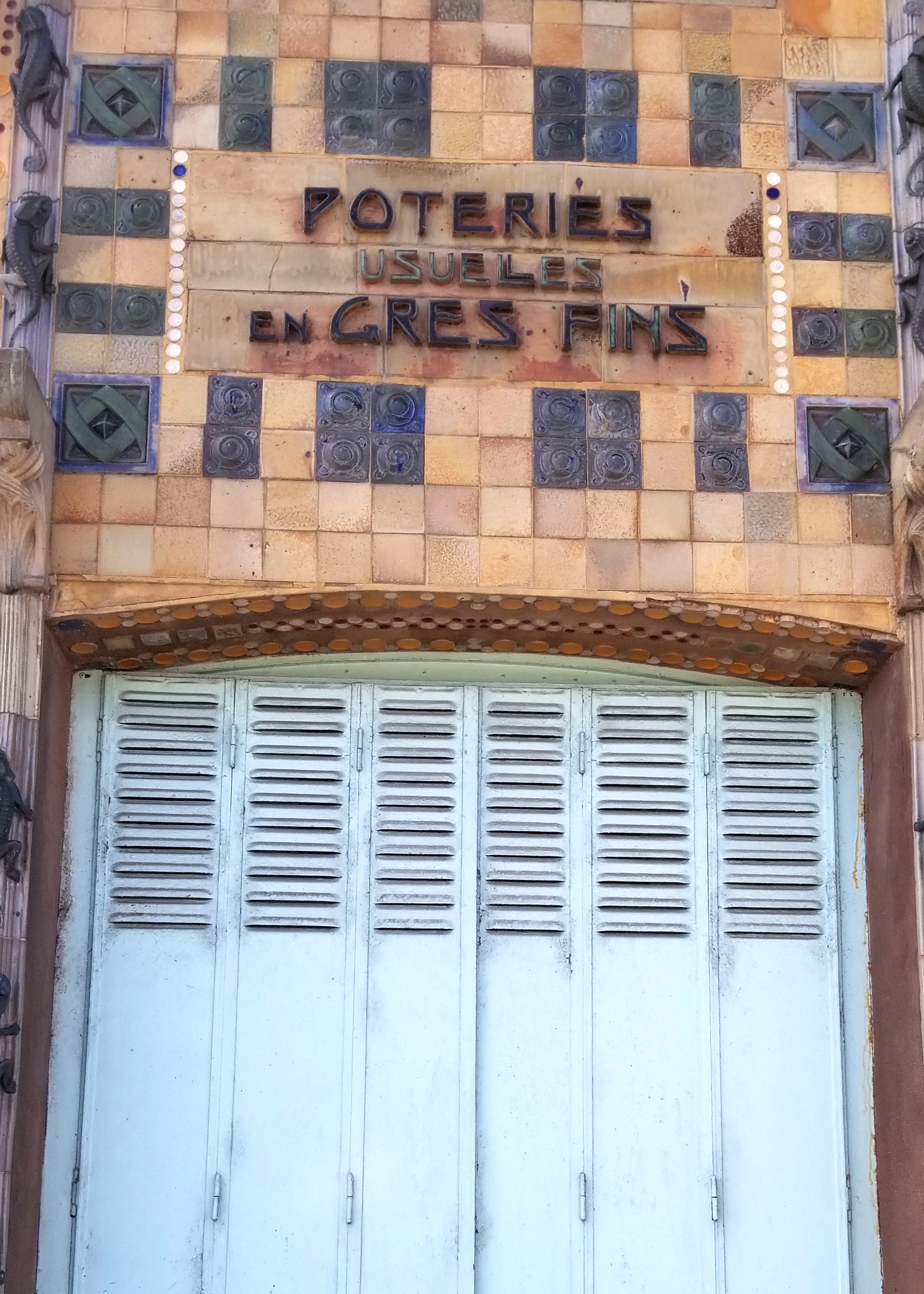
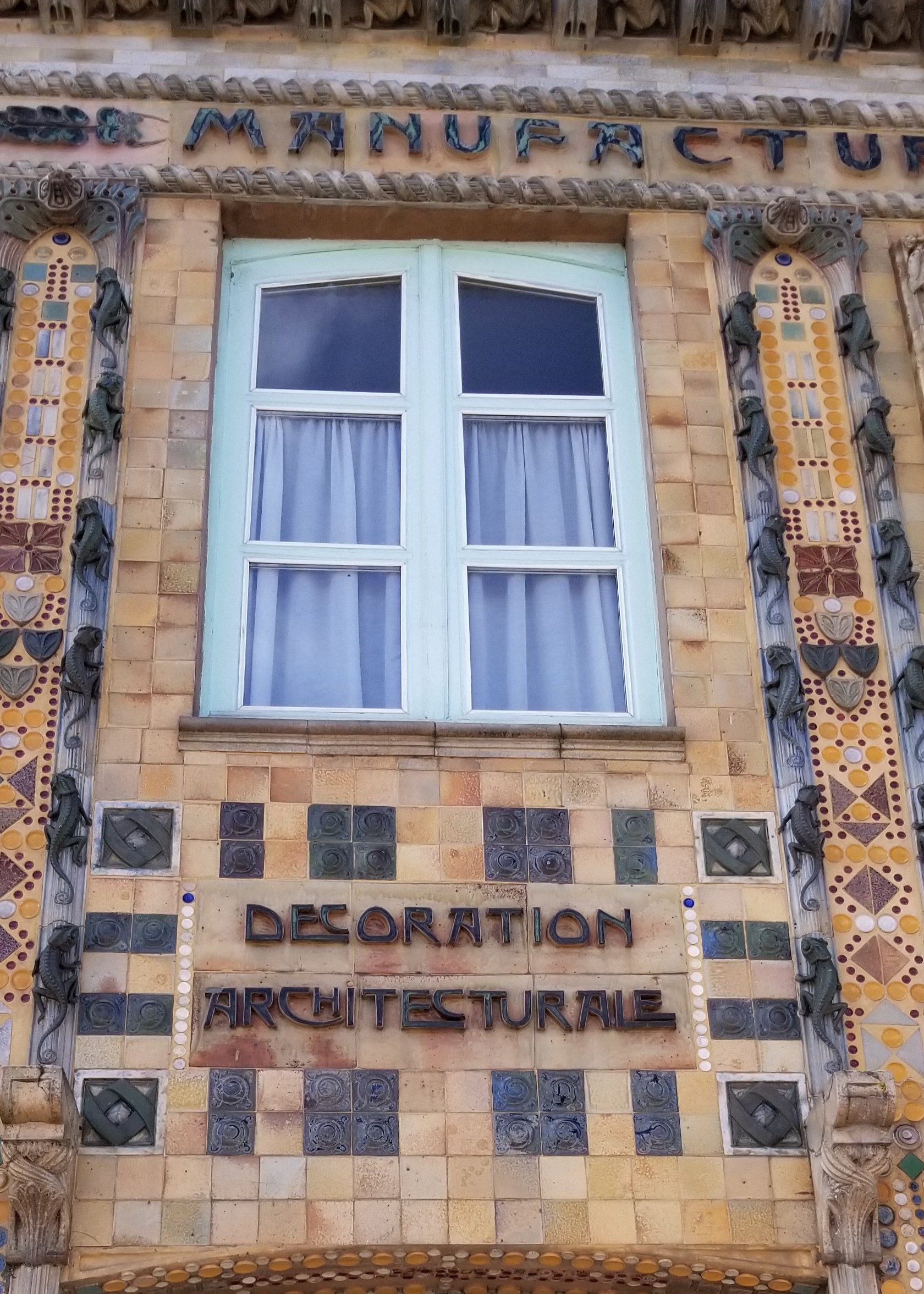
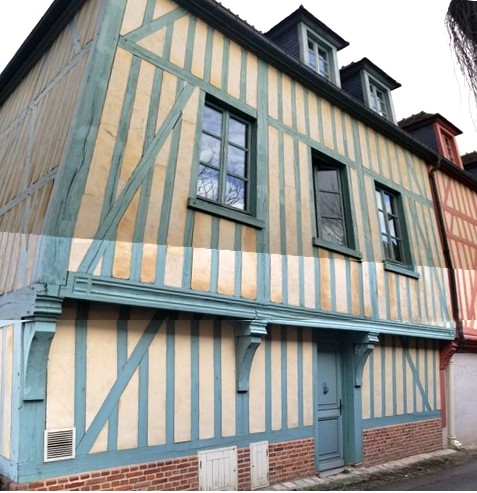
The other walking routes took me to the river Thérain and trails, the main cemetery, mayor Le Quesne Square, and historic old buildings, such as the train station (Gare de Beauvais), Gréber Ceramics, and Rodin’s blue house:
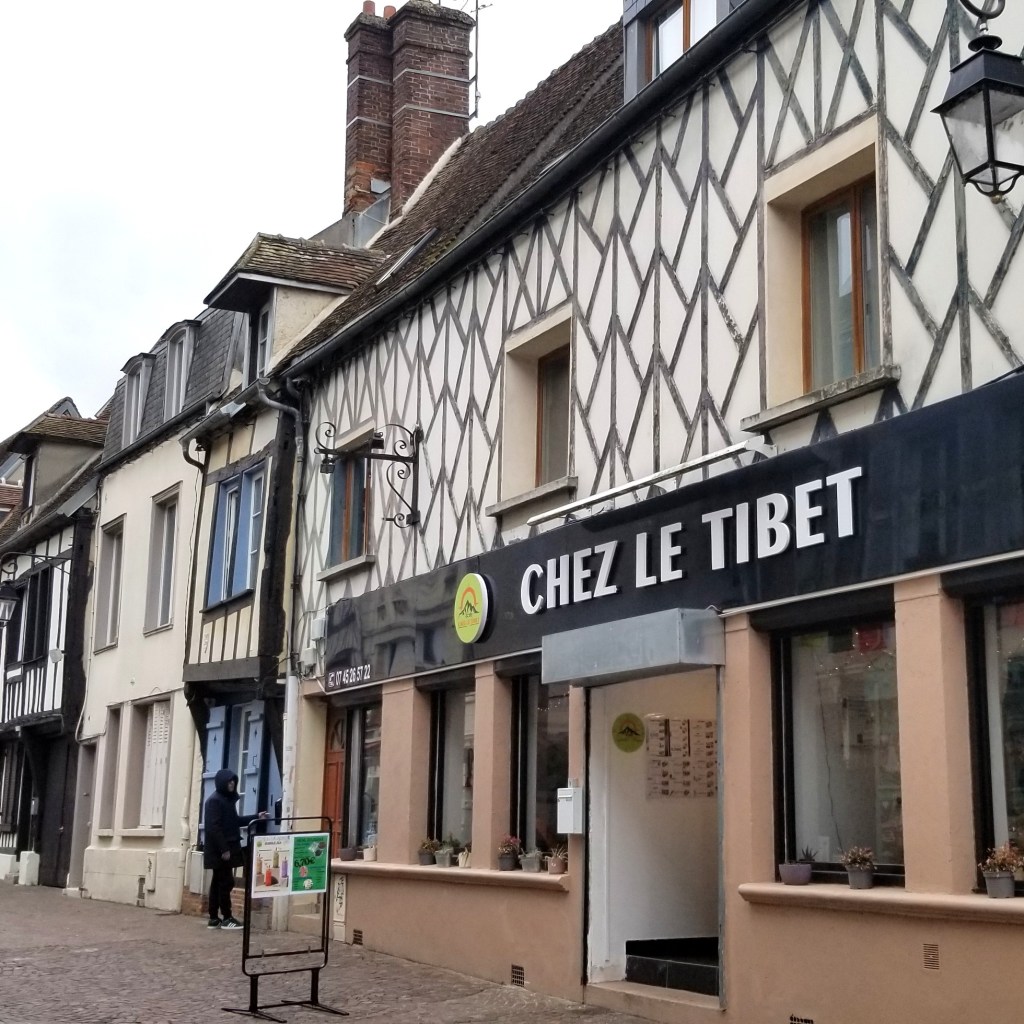
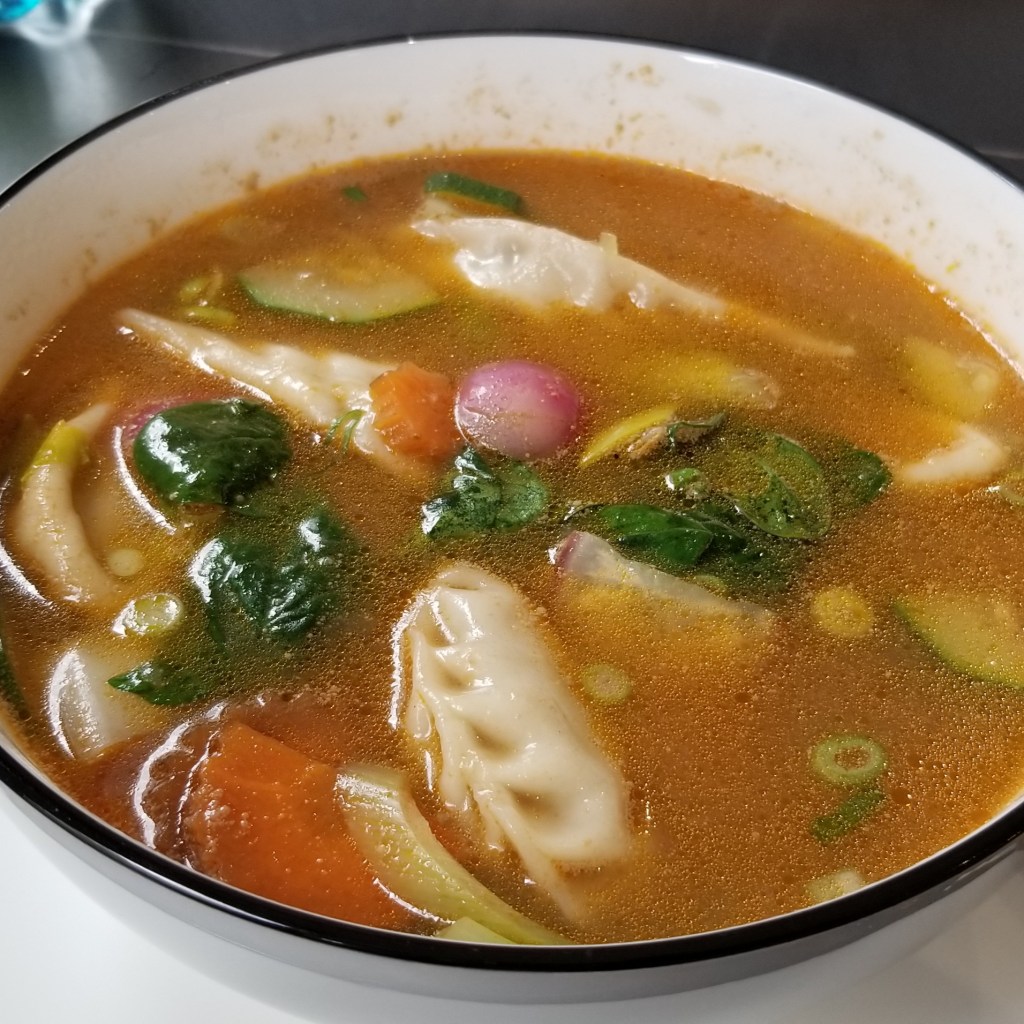
In addition to the historic landmarks and buildings, I was amazed by the availability of all sorts of ethnic food, from Tibetan and Japanese, to Lebanese and even an American style steak house. My favourite was Chez le Tibet (13 Rue 27 Juin) with an extensive variety of Tibetan and other Asian food. We had comforting bowls of marmite de poulet (chicken pot) and mokthuk (dumplings):

Of course there were also French restaurants and bakeries. Some highlights were:
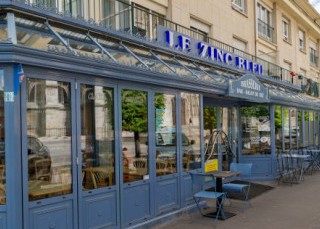
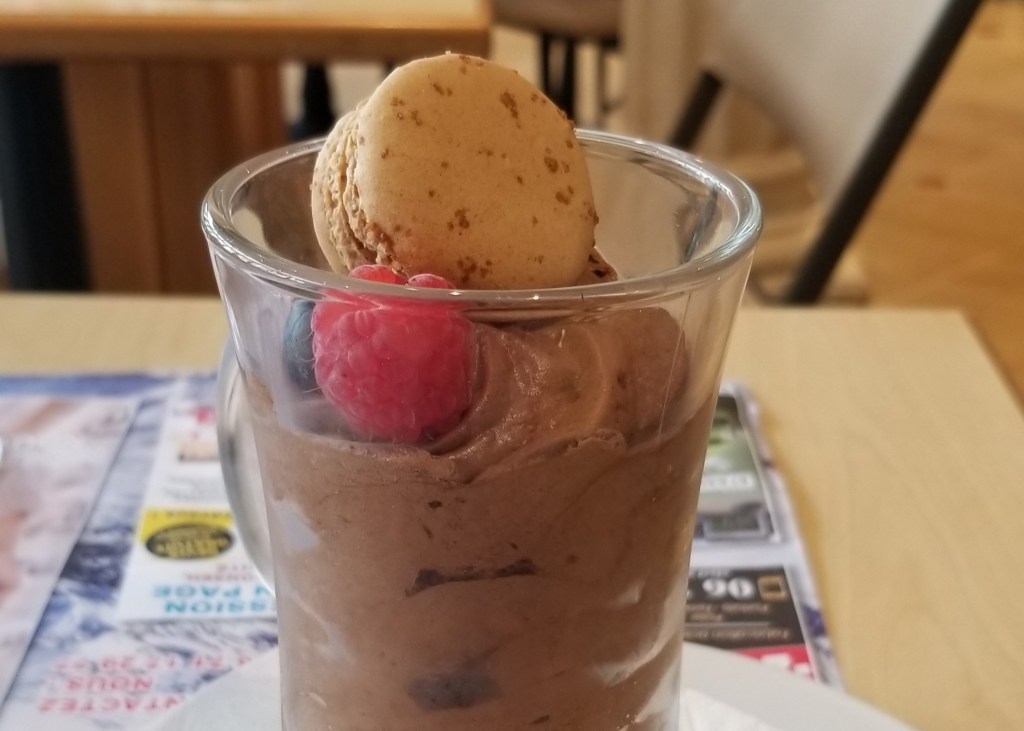
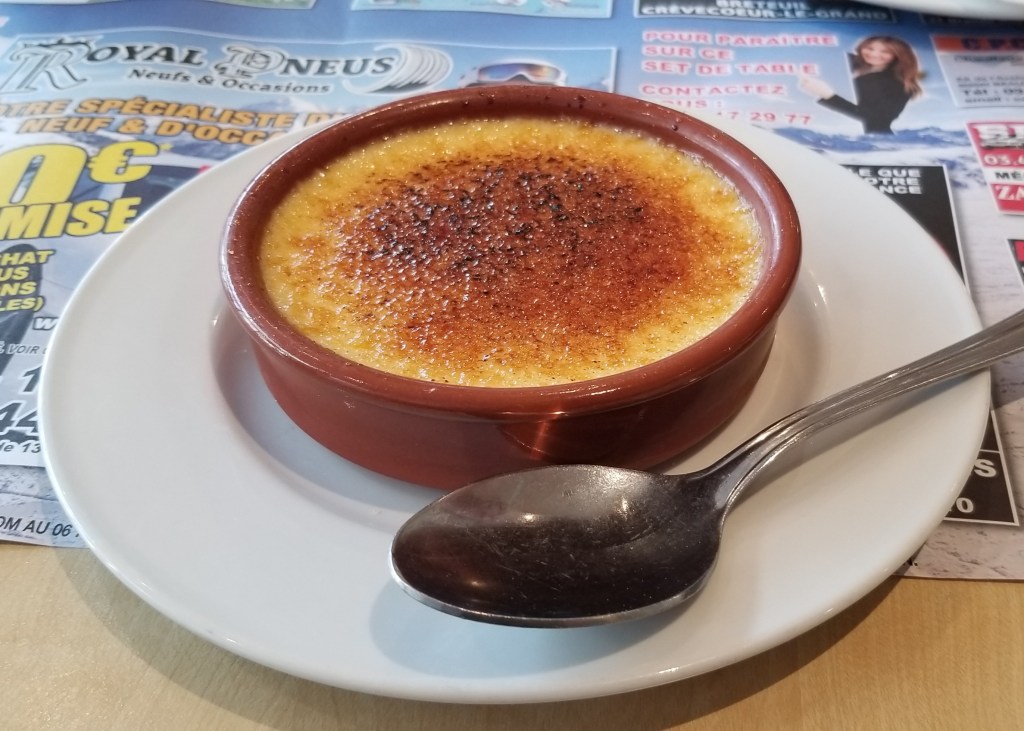
Le Zinc Bleu (59-61 Rue Saint-Pierre) – Fine French cuisine across from the cathedral. Their menu constantly changes; we had côte de porc échine (pork shoulder chops) and poulet Basquaise (Basque style chicken). They have reasonable prices and great desserts:
Boulangeries! Buns, pastries and baguettes, oh my! Too many excellent places to mention, I think it is hard to go wrong with bakeries here:
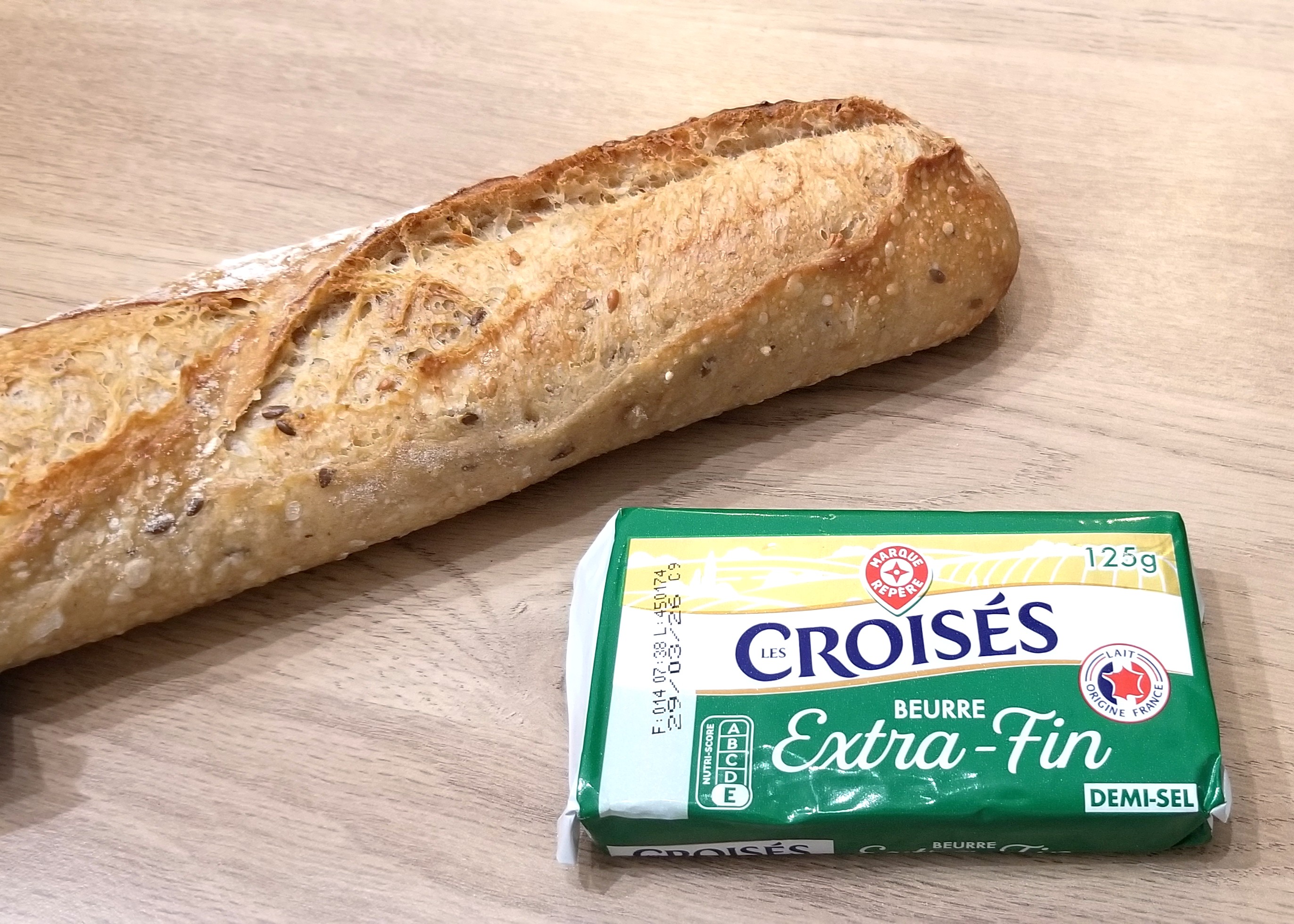
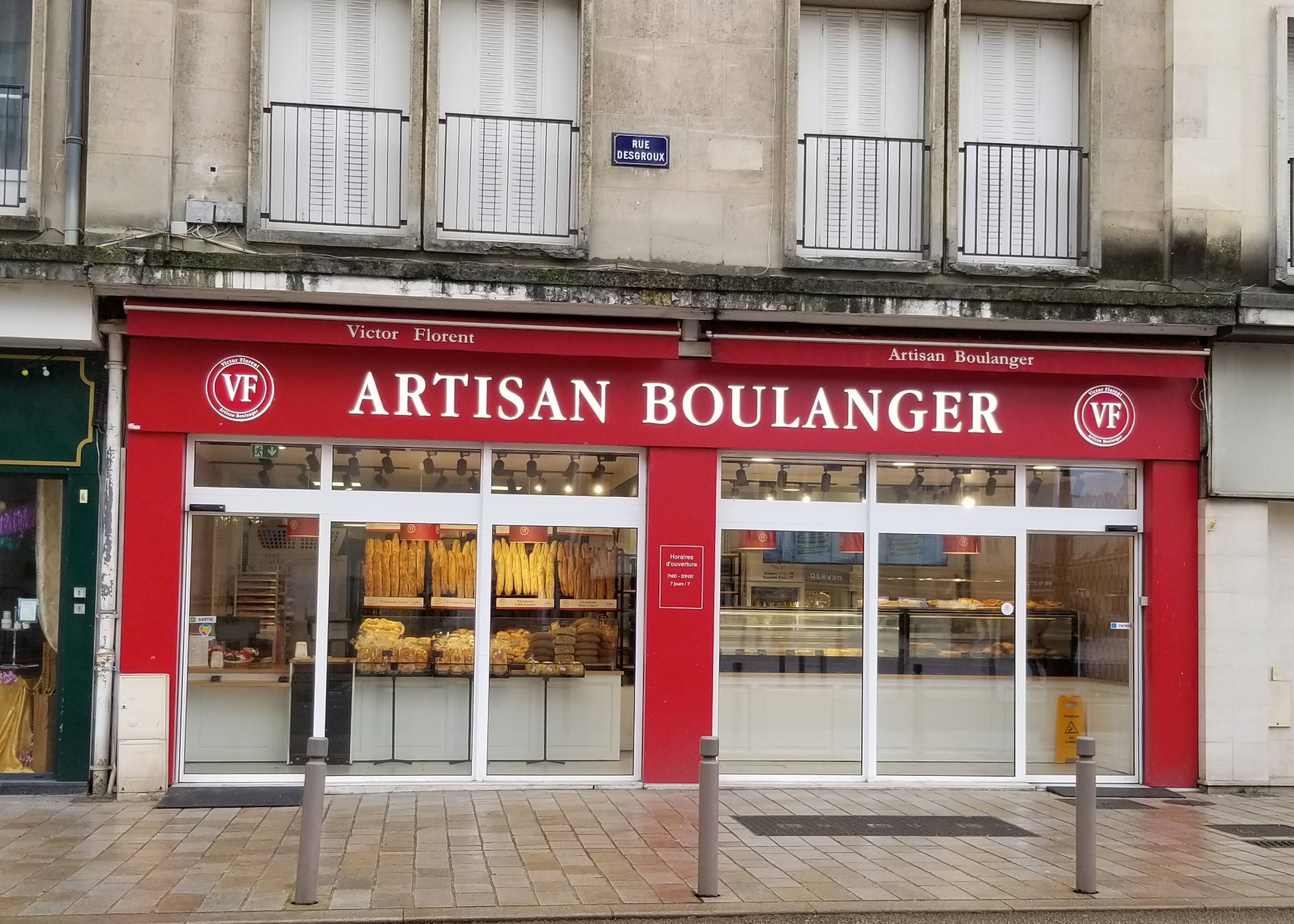
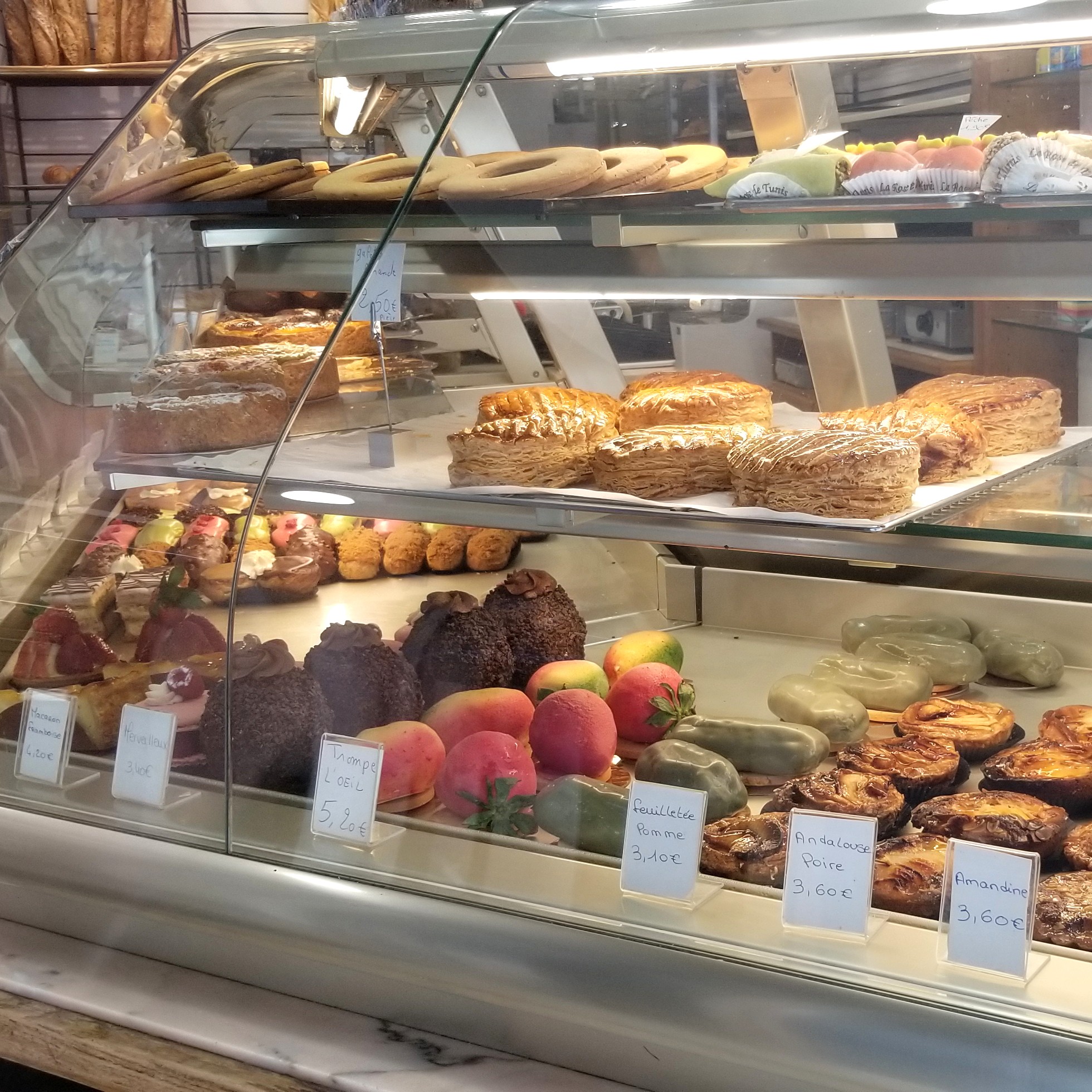
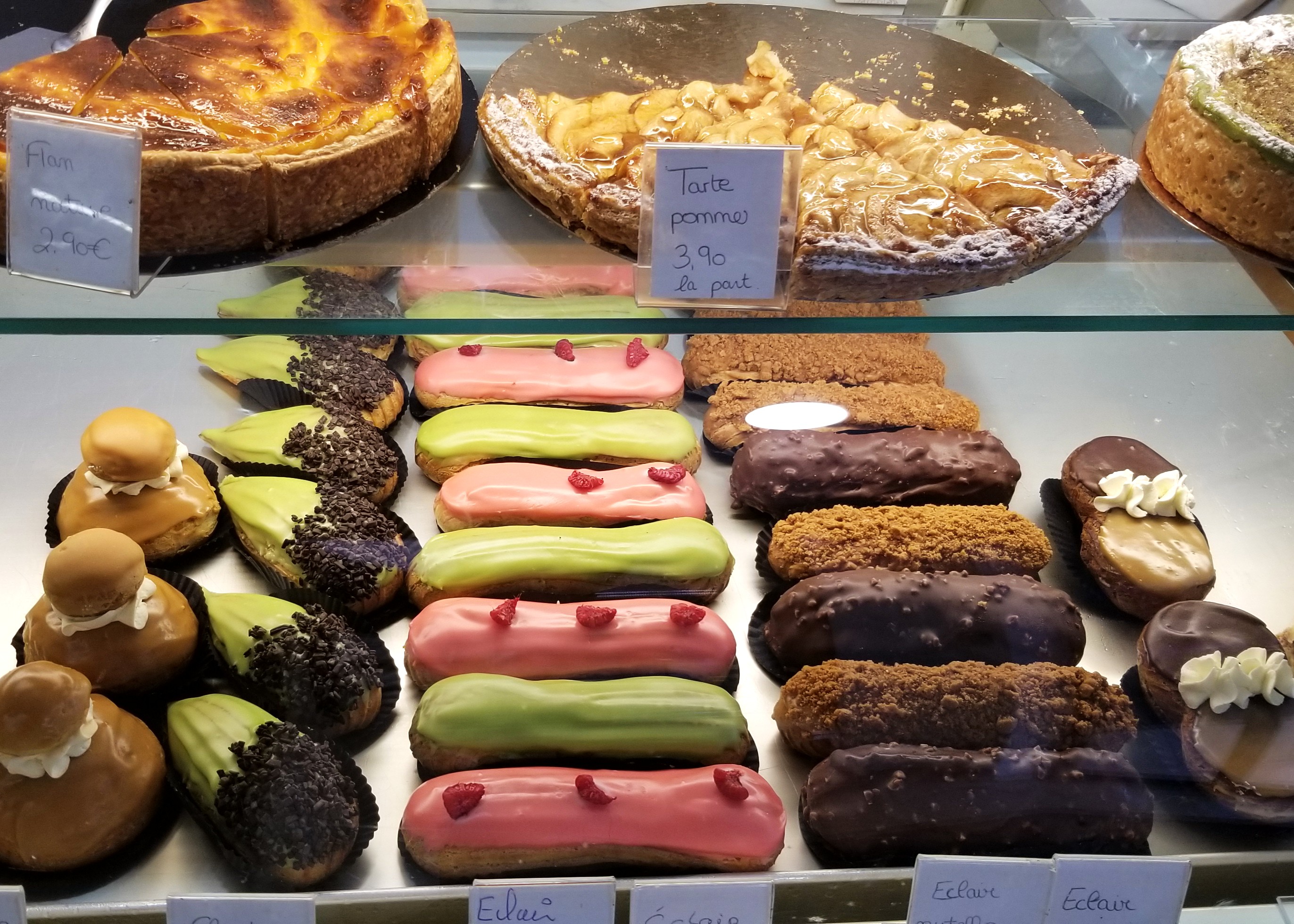
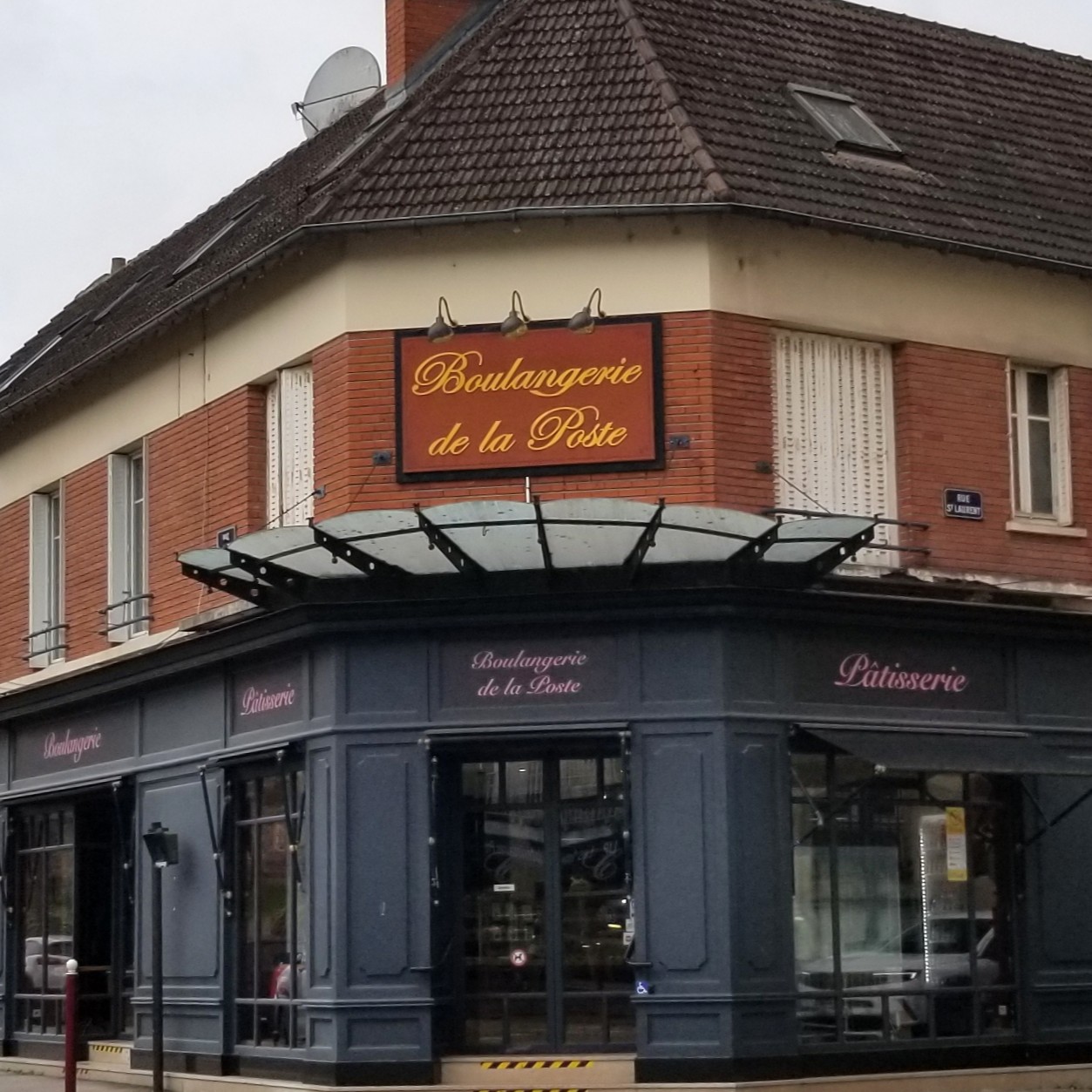
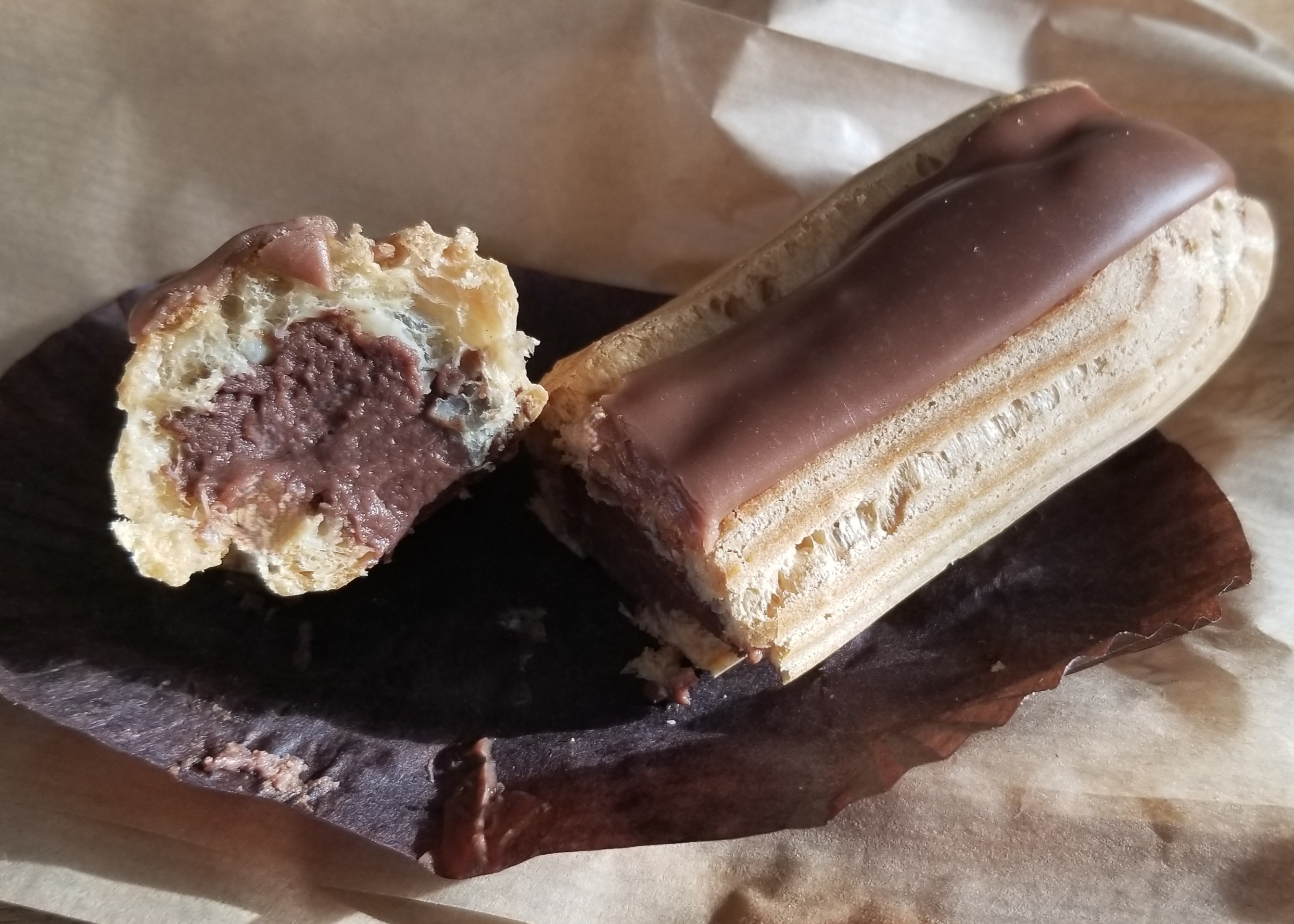
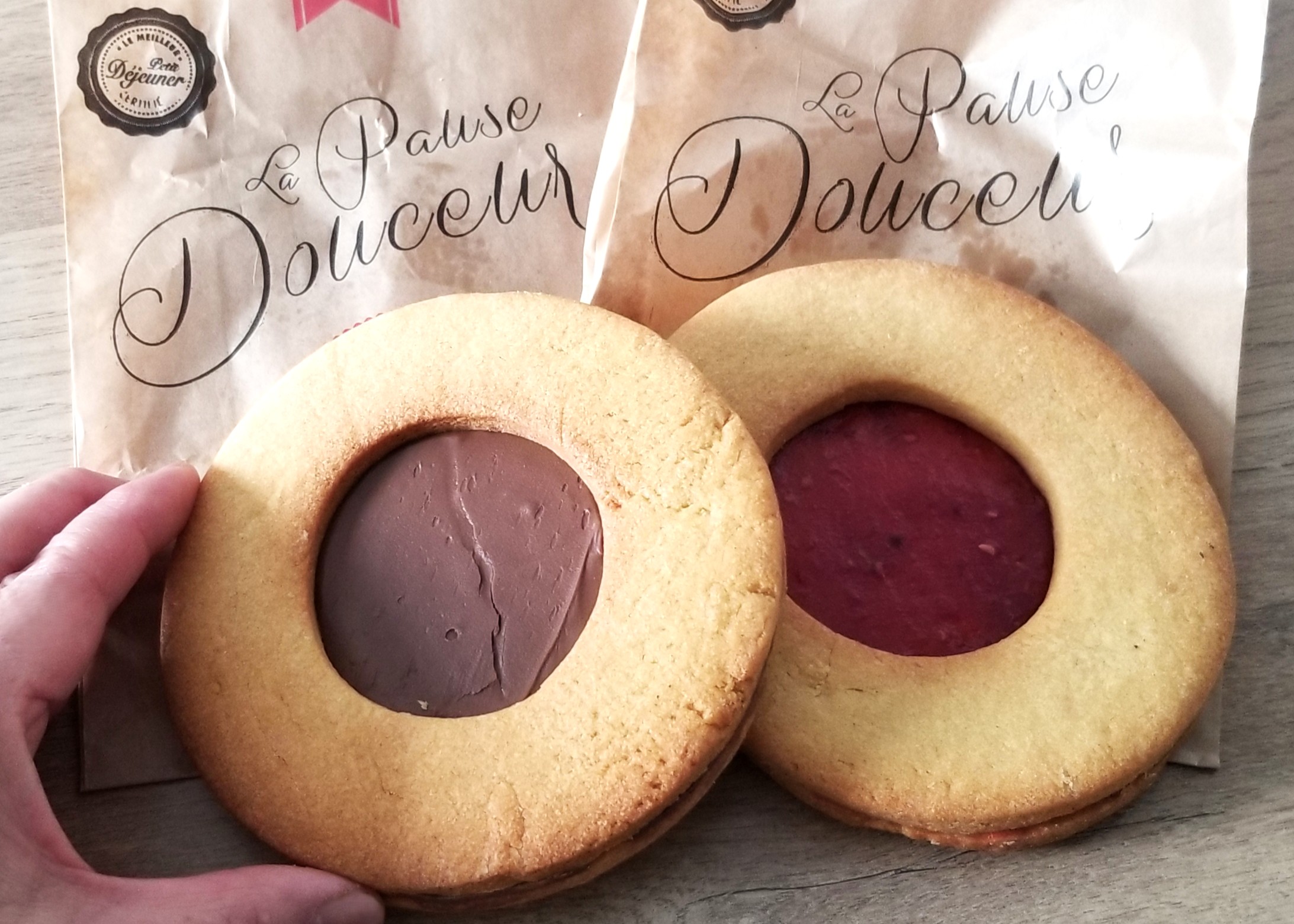
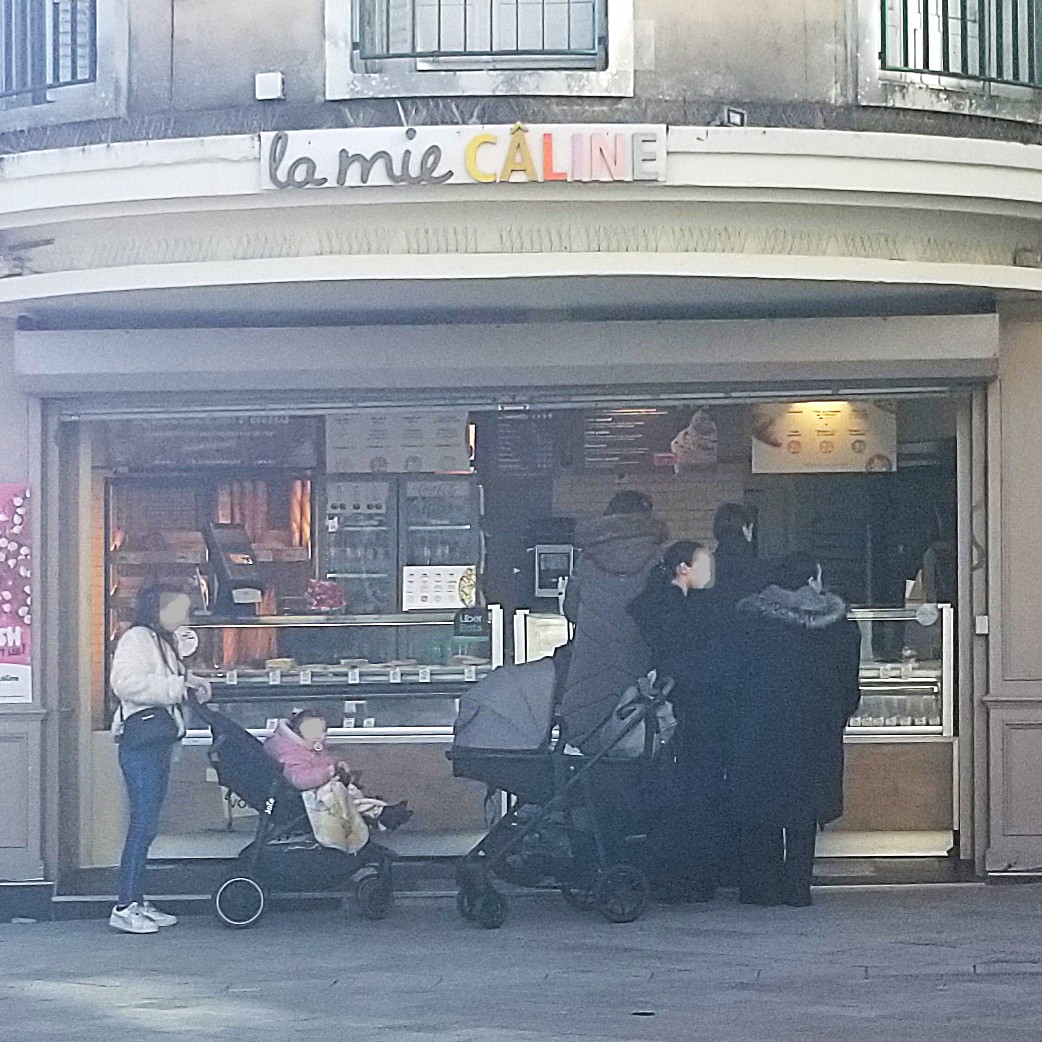
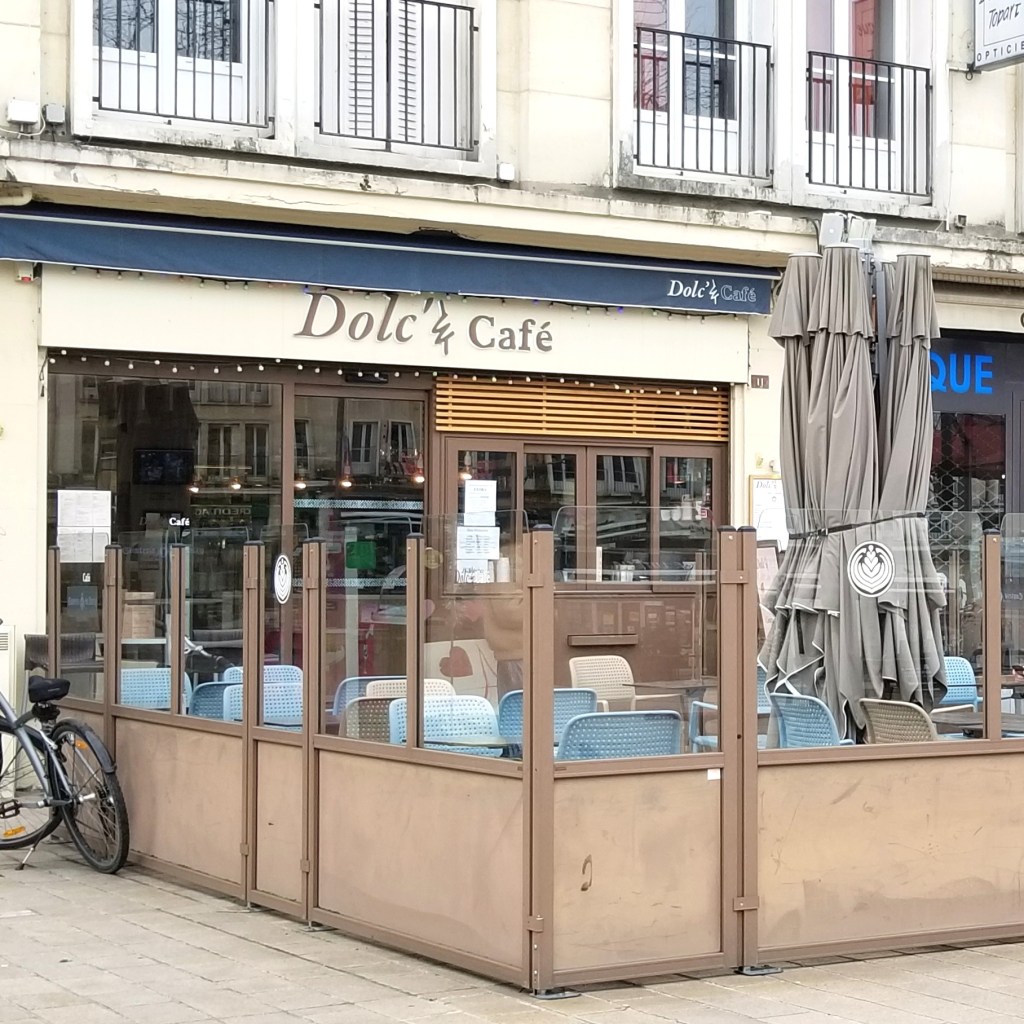
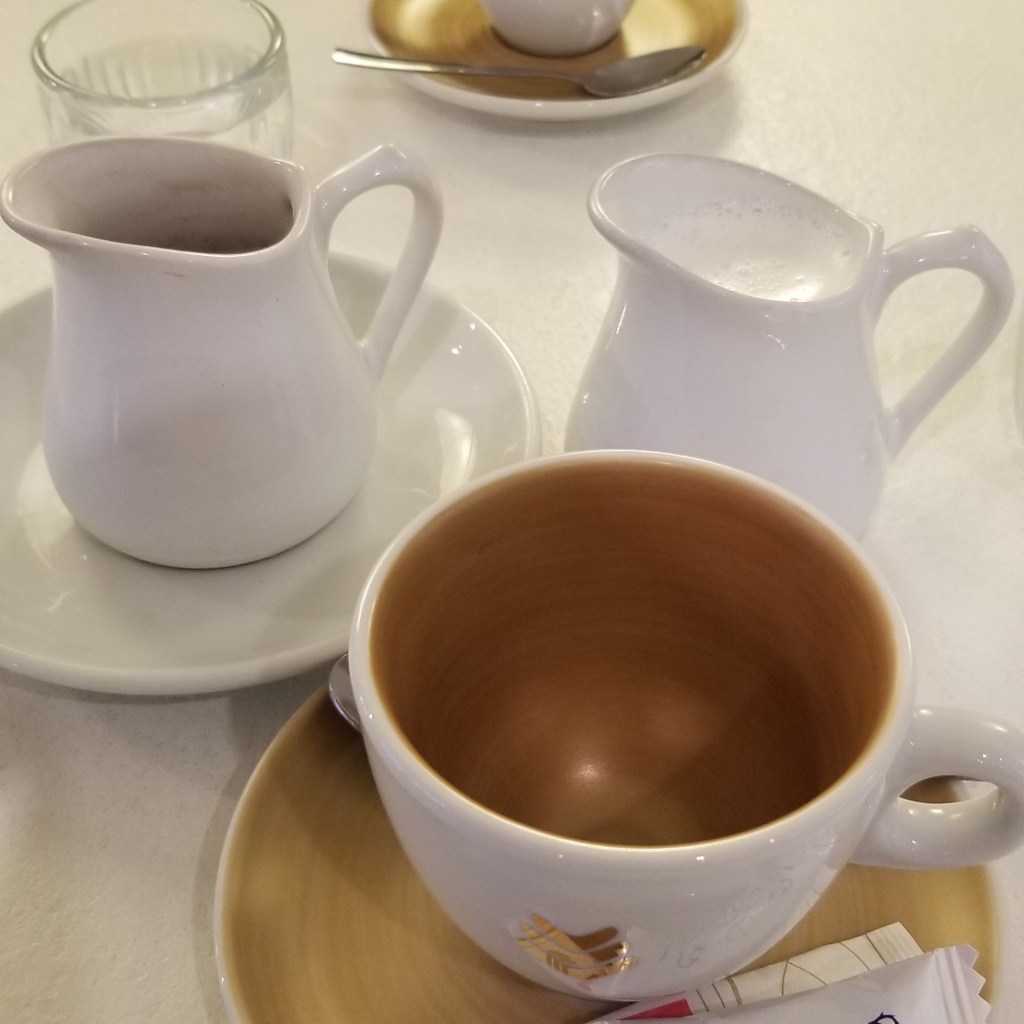
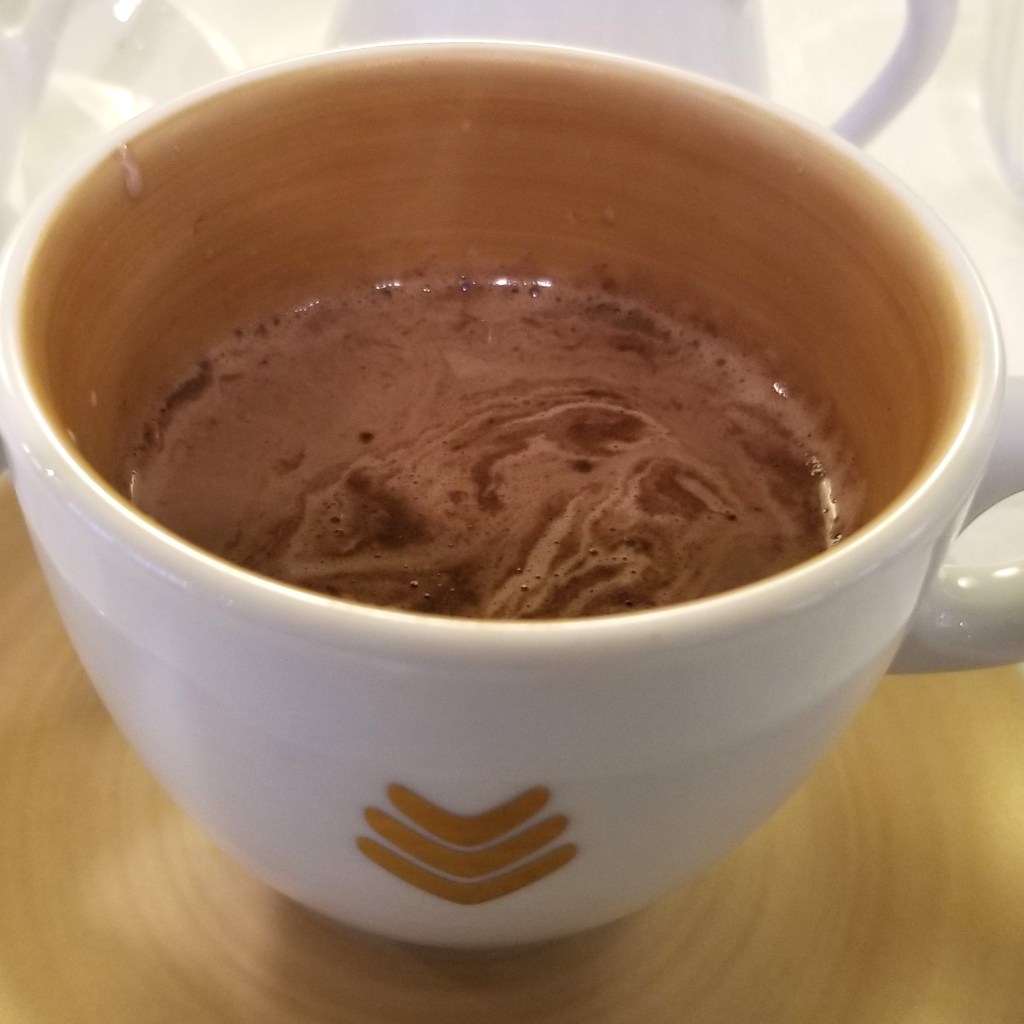
Dolc’ & Café (11 place Jeanne Hachette) – I had one of the best cups of hot chocolate ever (even comparing to Mexican chocolate). I got one small pitcher with melted chocolate, and one with steamy hot milk, for me to mix, yummy!
And finally, about the French Taco: This wrap was probably created by talented immigrant restauranteurs, inspired by Middle East shawarma wraps sometime in the early 2000s, somewhere in or around Lyon. It consists of a flour tortilla, serving as the vessel for fillings that may include: a protein (chicken, beef, even falafel), frites (French fries), creamy sauce and lots of cheese. The paquet is grilled and topped with more cheese. Nowadays, they are popular all around France, and internationally, chains such as O’Tacos have franchises in other European countries, Africa and even in Quebec, Canada.
Beauvais has several French taco joints, including one O’Tacos (12 place Jeanne Hachette) at the main square, which is the one my husband and I tried:
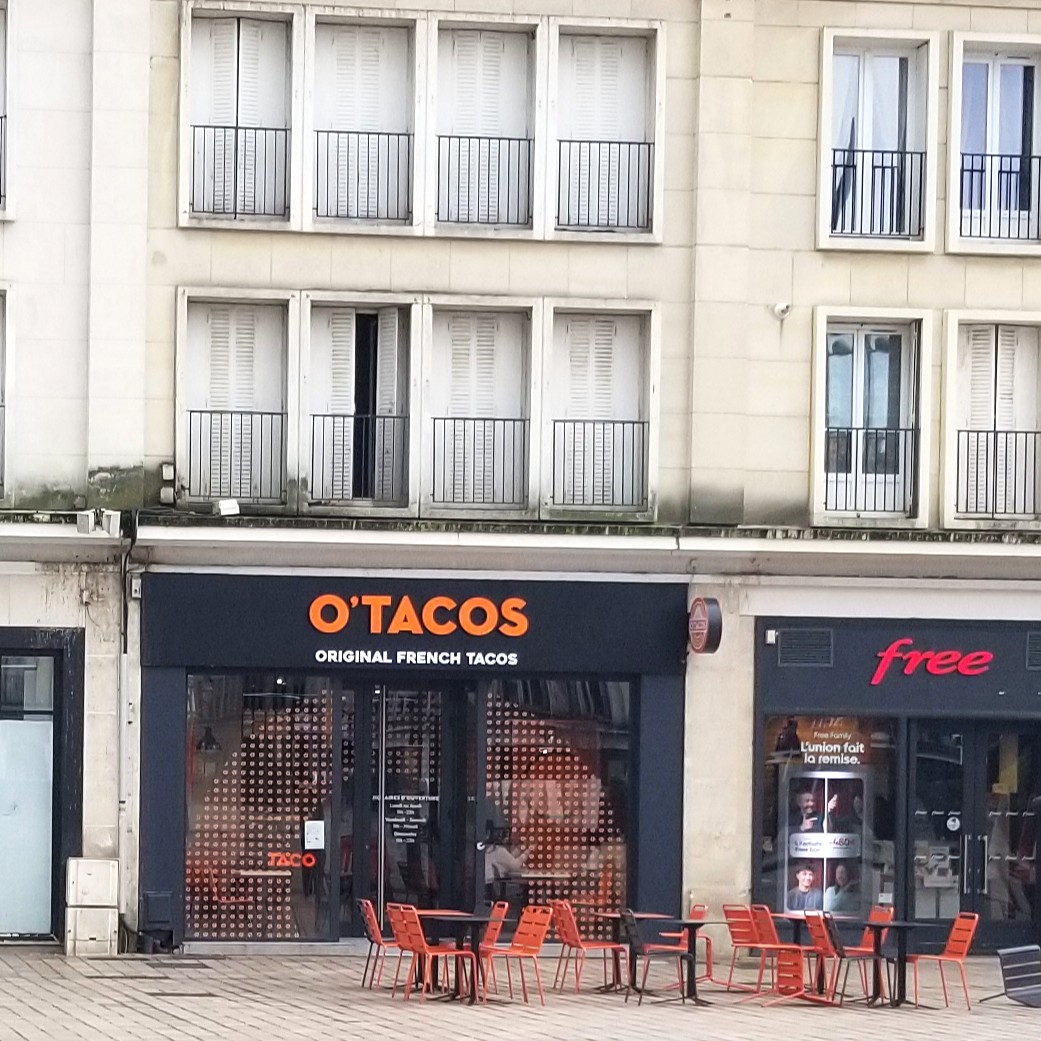
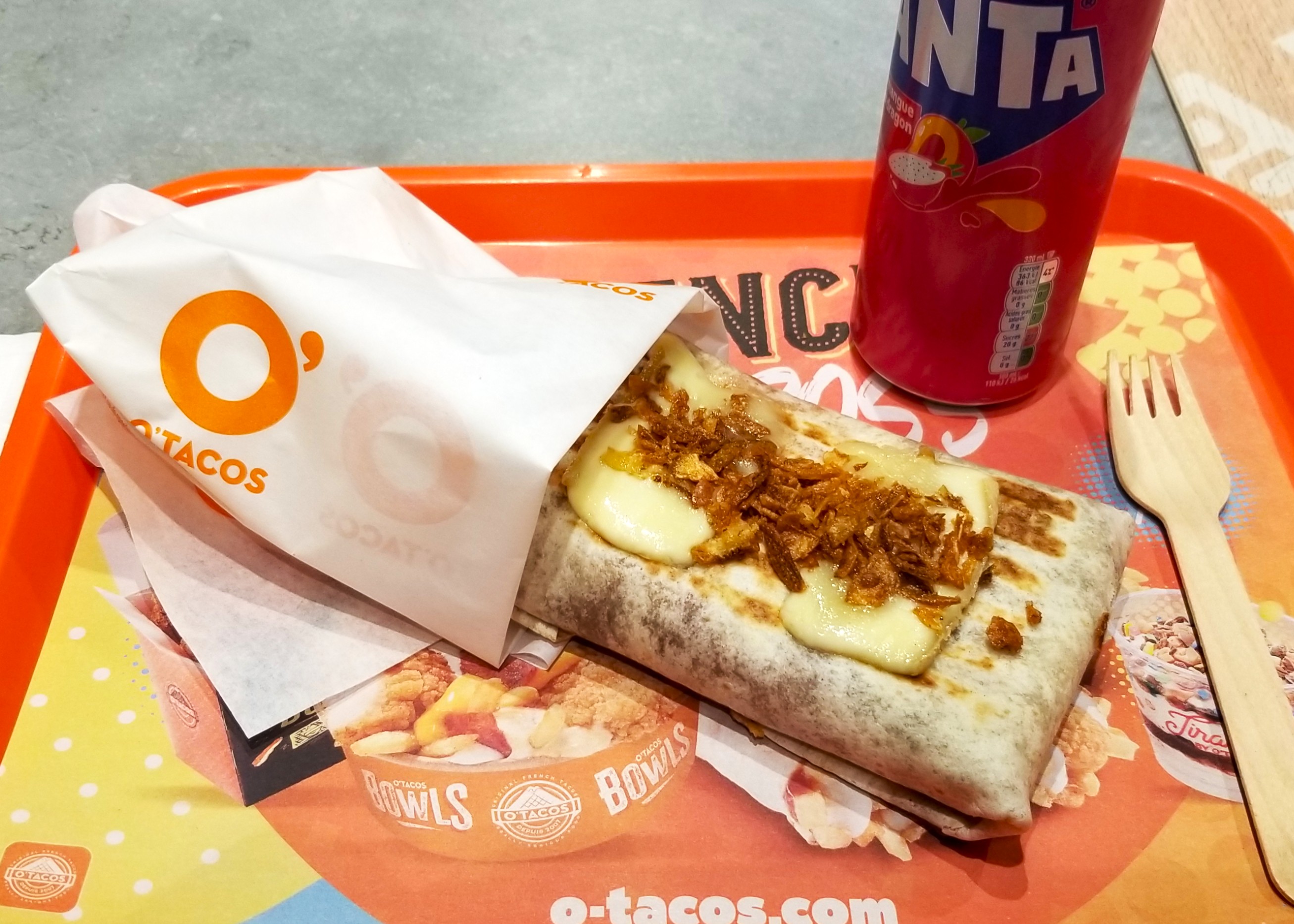
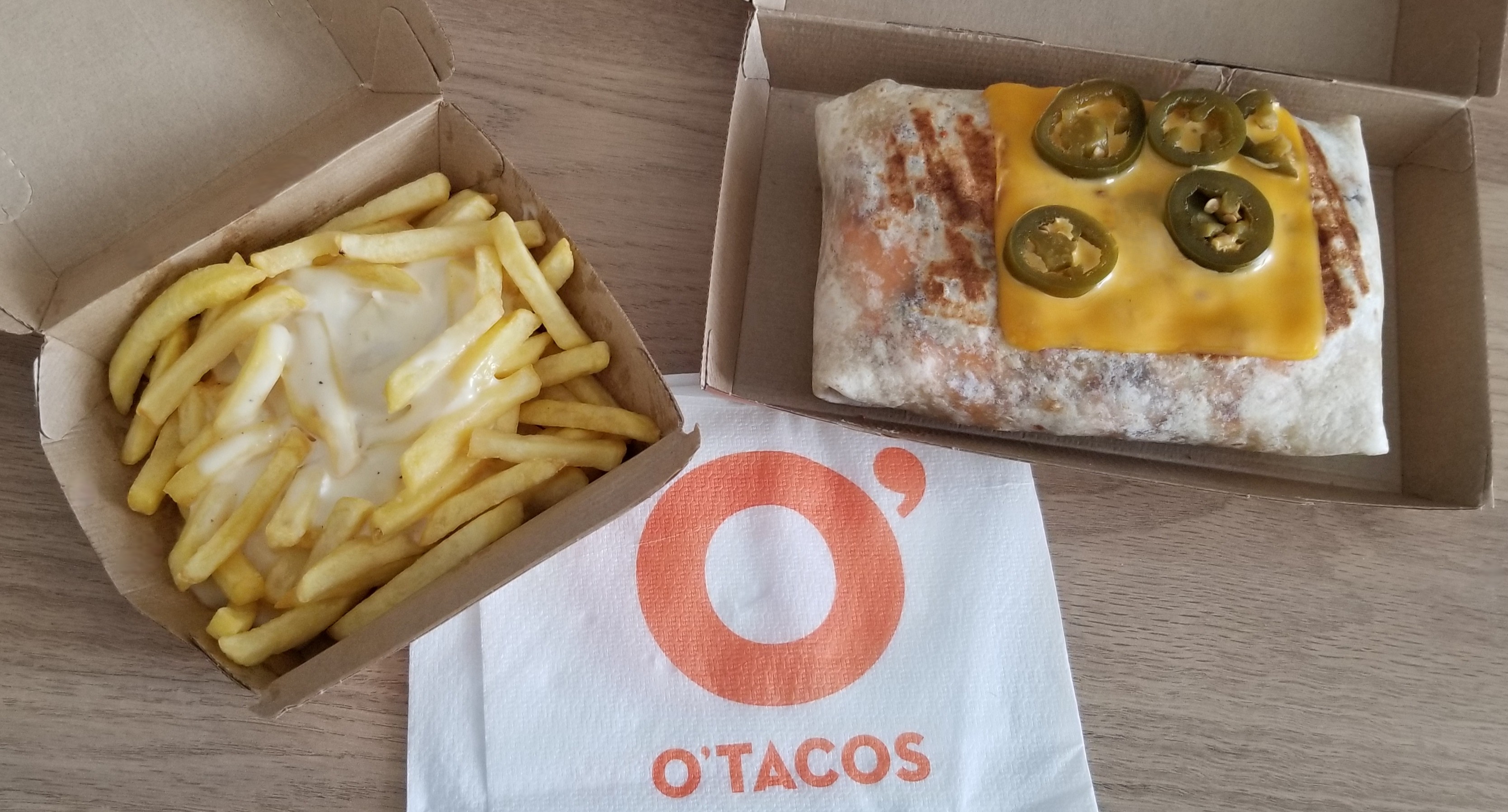
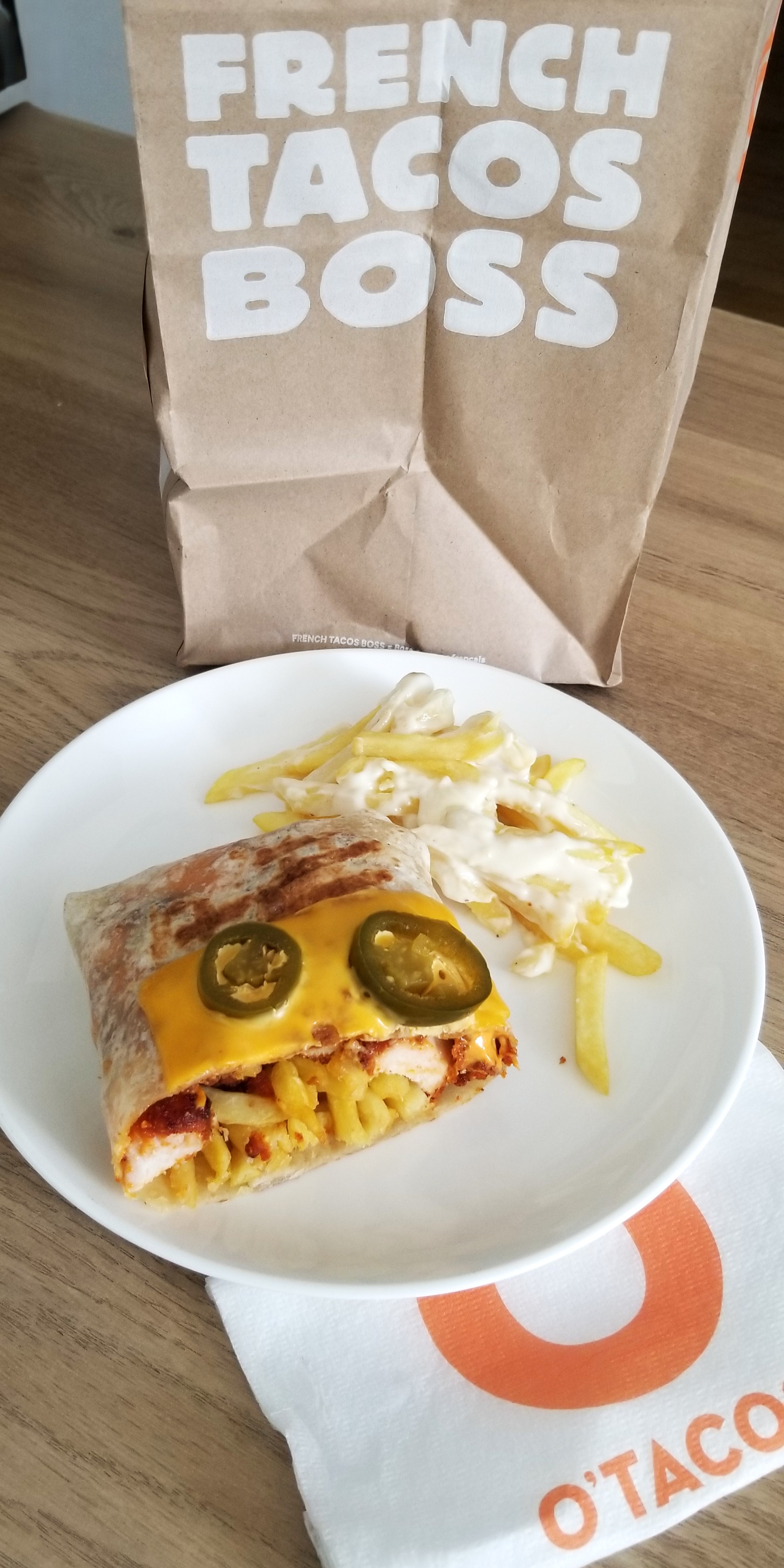
My O’Cheese taco with cordon bleu chicken, bbq and cheesy sauce, fried onions and raclette cheese was, well, way too cheesy, and the raclette flavour overpowered the whole dish. On the other hand, my husband really enjoyed his O’Spicy, with spicy chicken tenders, samurai and cheesy sauce, cheddar cheese and jalapeños:
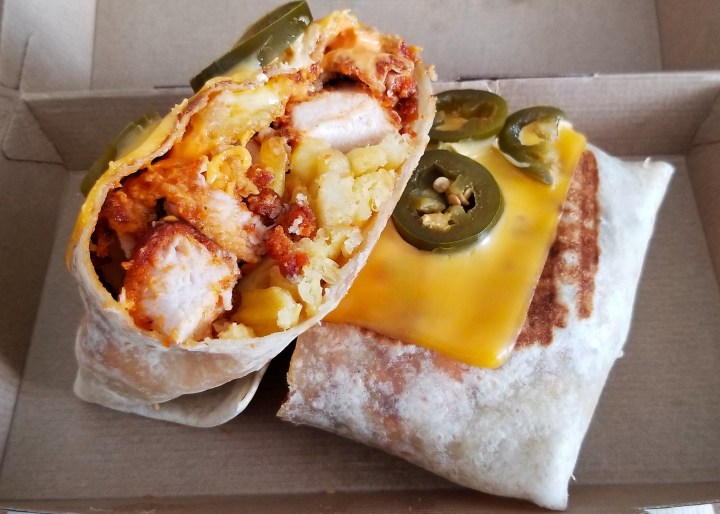
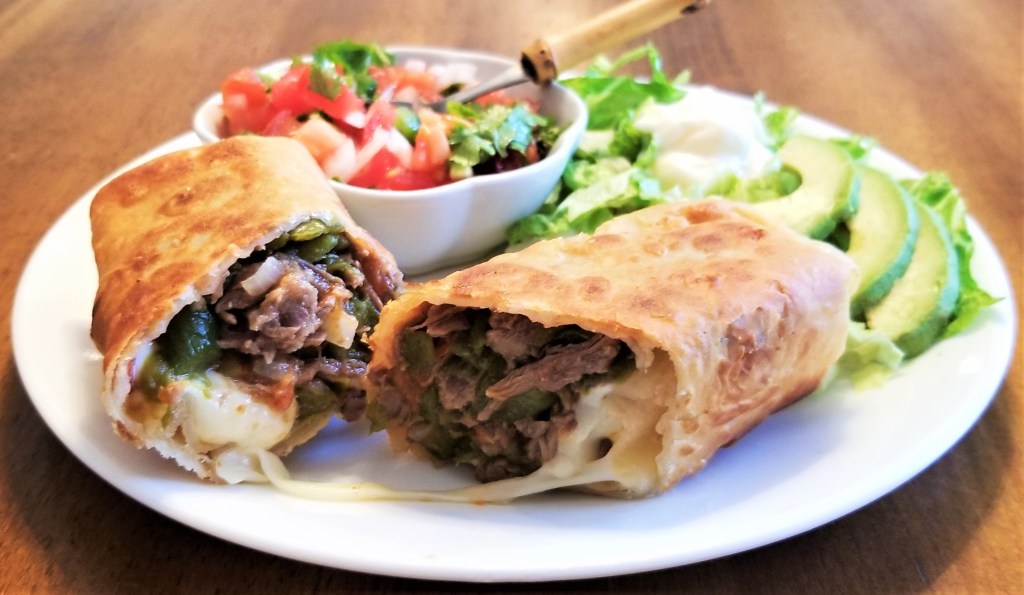
The fries inside the wrap are good, a little like Greek gyros. The French unapologetically claim that this dish is French, not Mexican, nor Middle Eastern for that matter. I respect that, but I cannot help seeing some resemblance to a Mexican chimichanga (click here to check my post on this Mexican wrap):


 My Slice of Mexico