
Easter Sunday is approaching fast, so I thought I would take the opportunity to show some photos of the magnificent churches I recently visited in Paris and Beauvais (France), and talk about how the onset of the Easter season is determined every year.
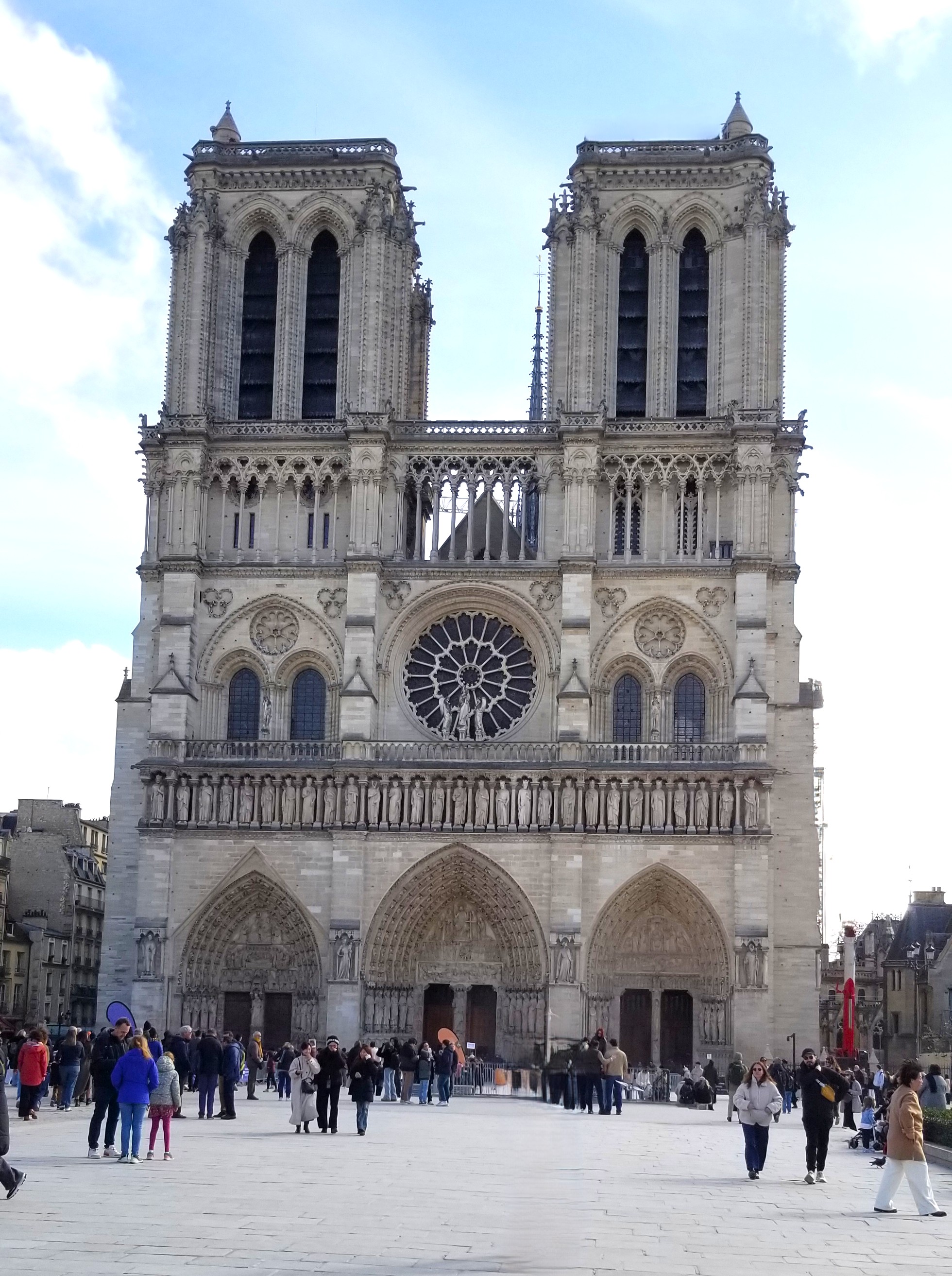
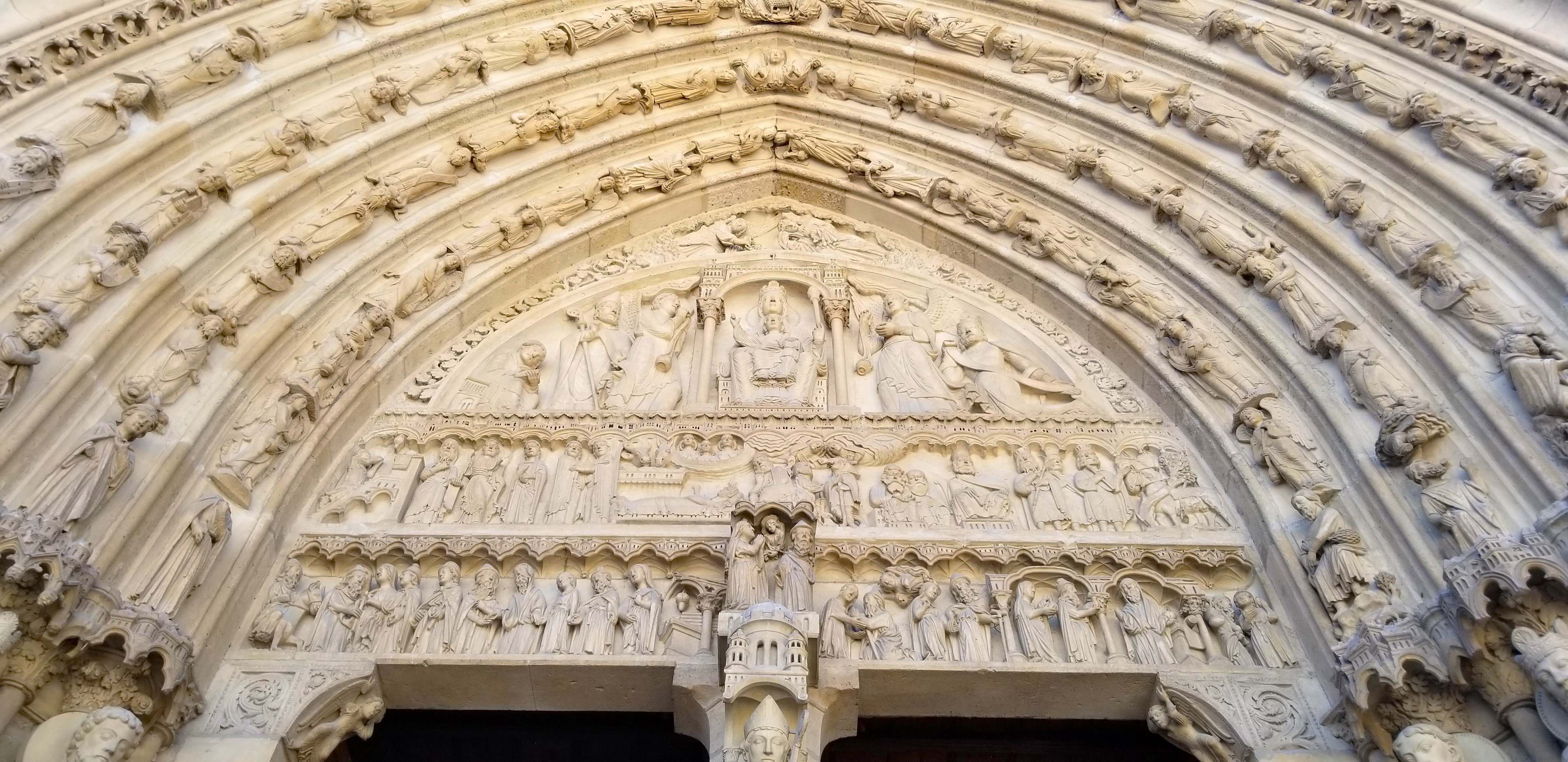
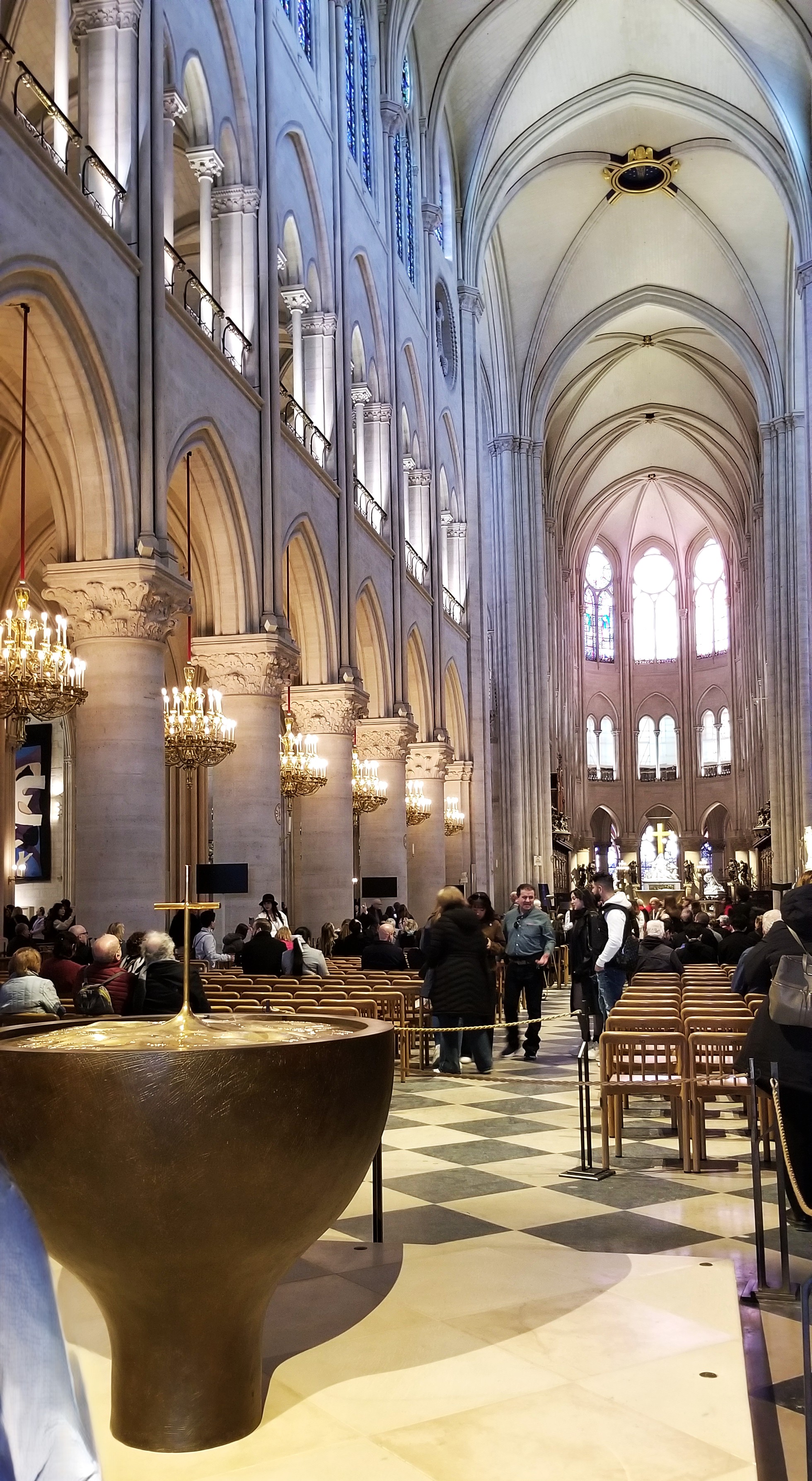
There is no doubt that when mentioning French churches, the first that comes to mind is the Notre-dame cathedral in Paris. It is definitely a magnificent monument to Christianity and Medieval genius (click on any image for slide show and captions):
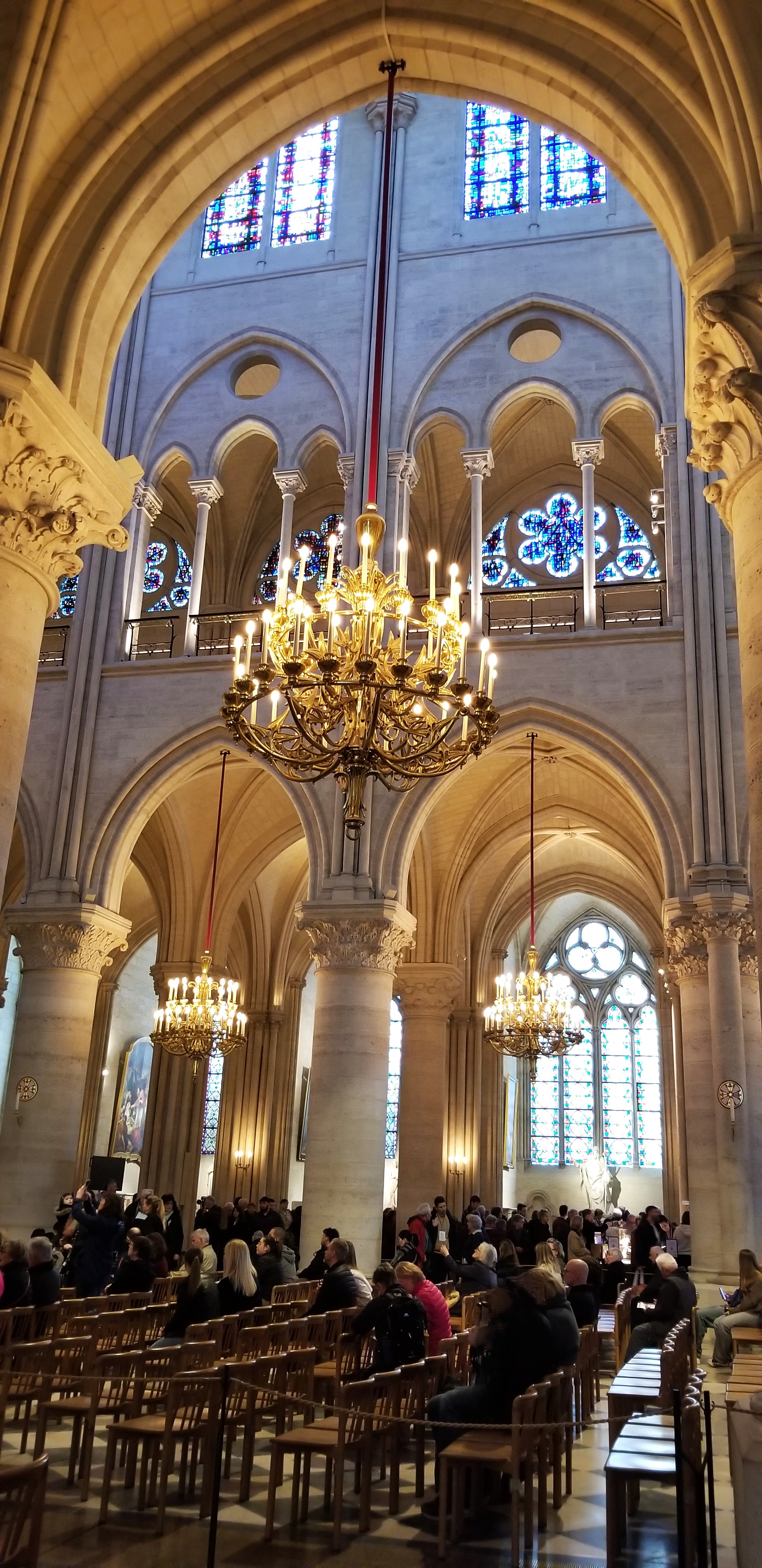
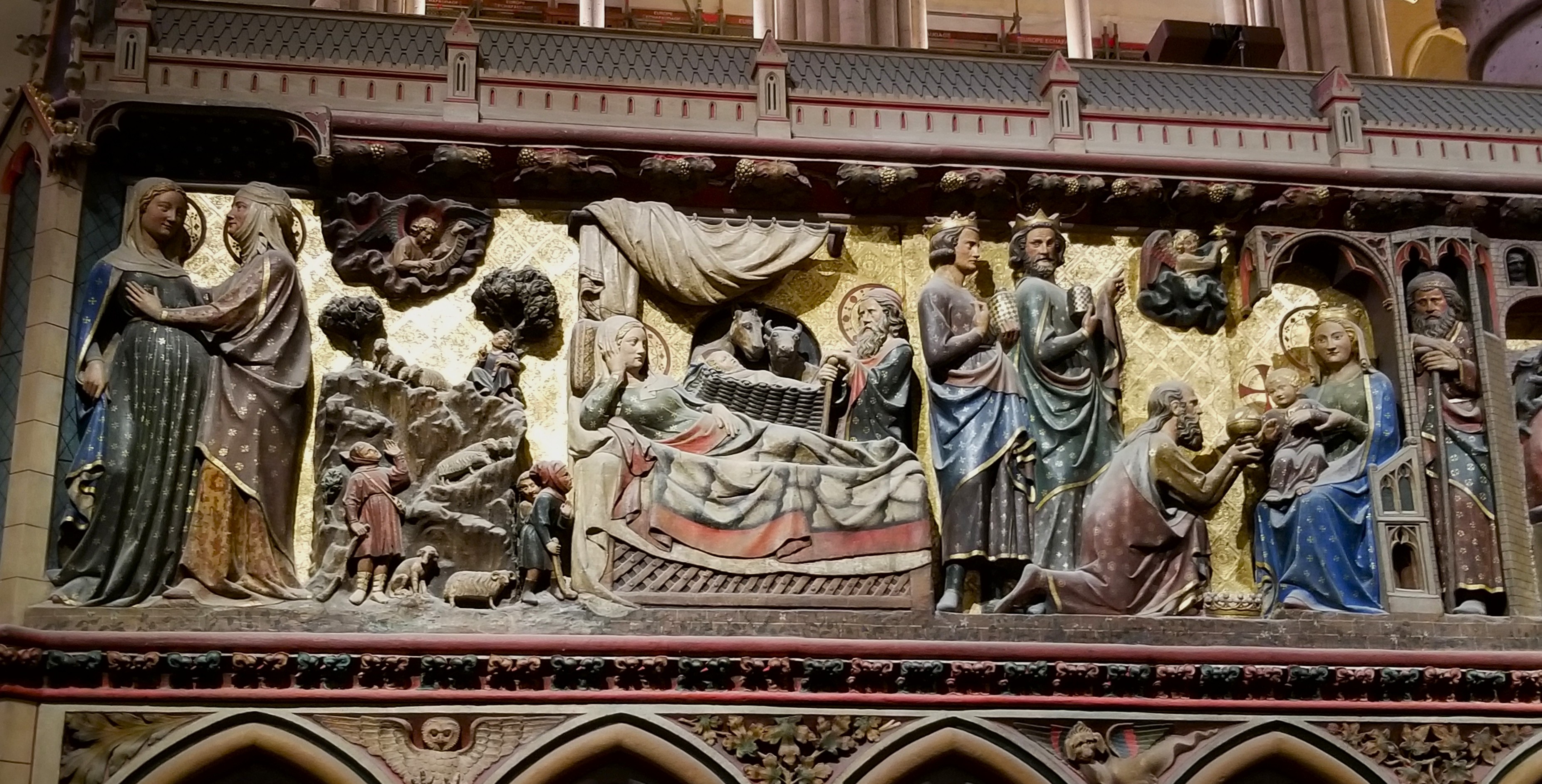
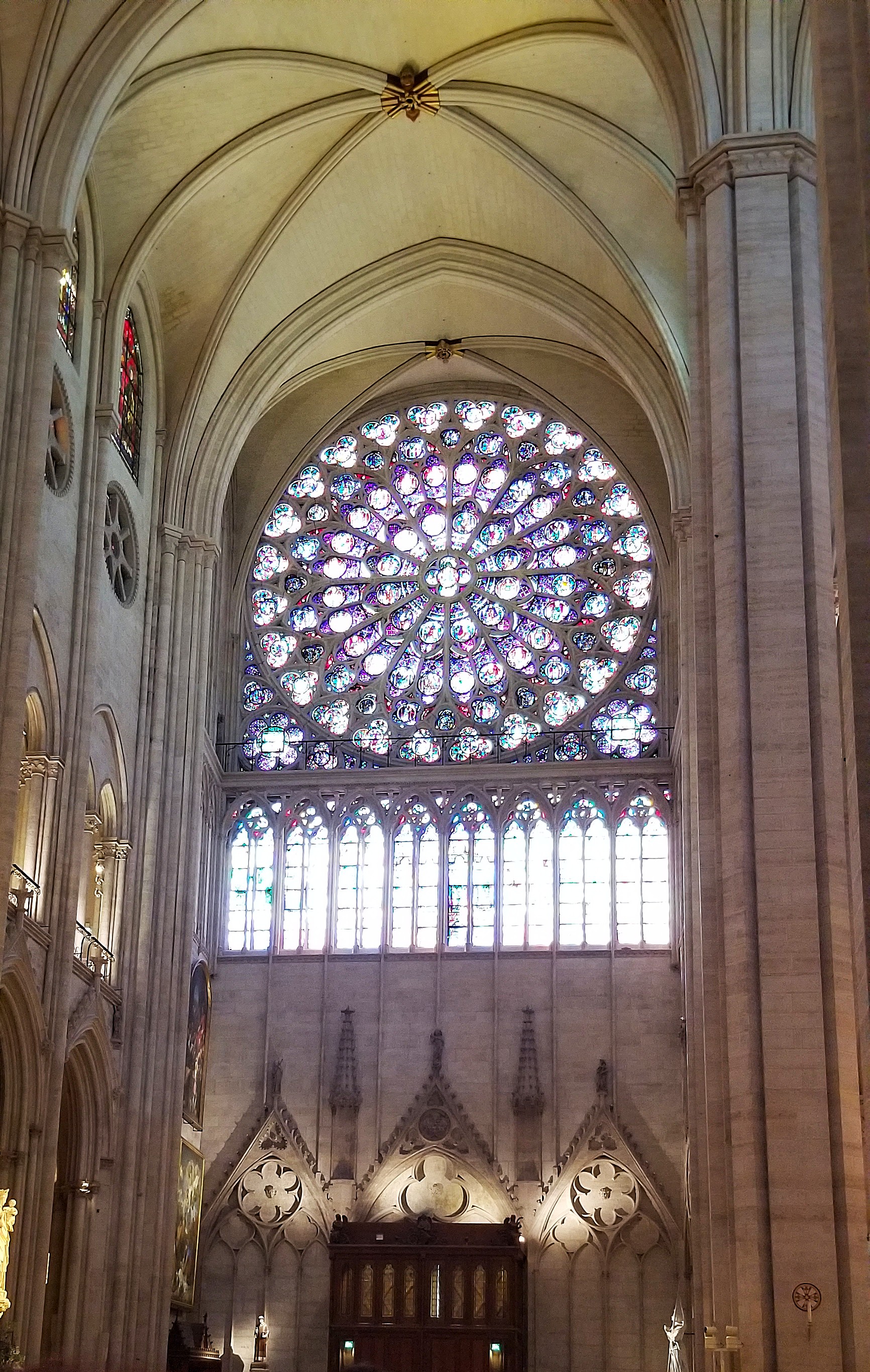
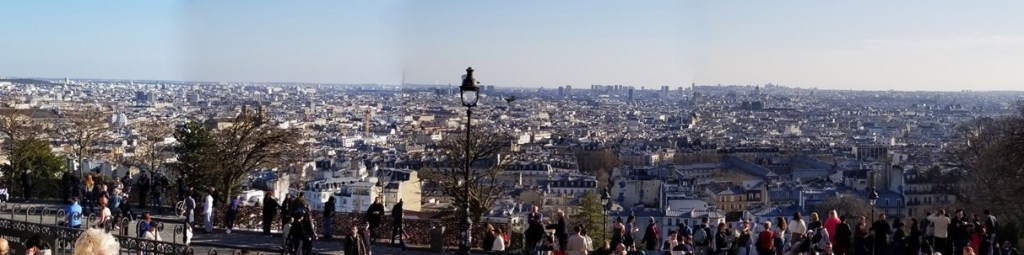
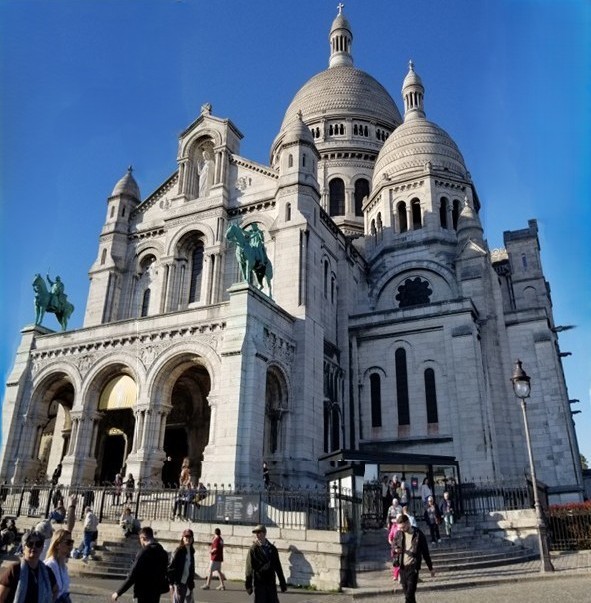
However, there is an abundance of other religious buildings in France, with about 200 churches, basilicas and chapels just in Paris alone. My husband and I had a chance to attend part of a Sunday mass at the St. Louis church (Église Saint-Louis-en-l’Île), on the island of the same name, and also visited the Sacred Heart Basilic in Montmartre (Basilique du Sacré-Cœur de Montmartre). The views from and of the church are worthwhile the 200+ steps to climb to the basilica’s forecourt:
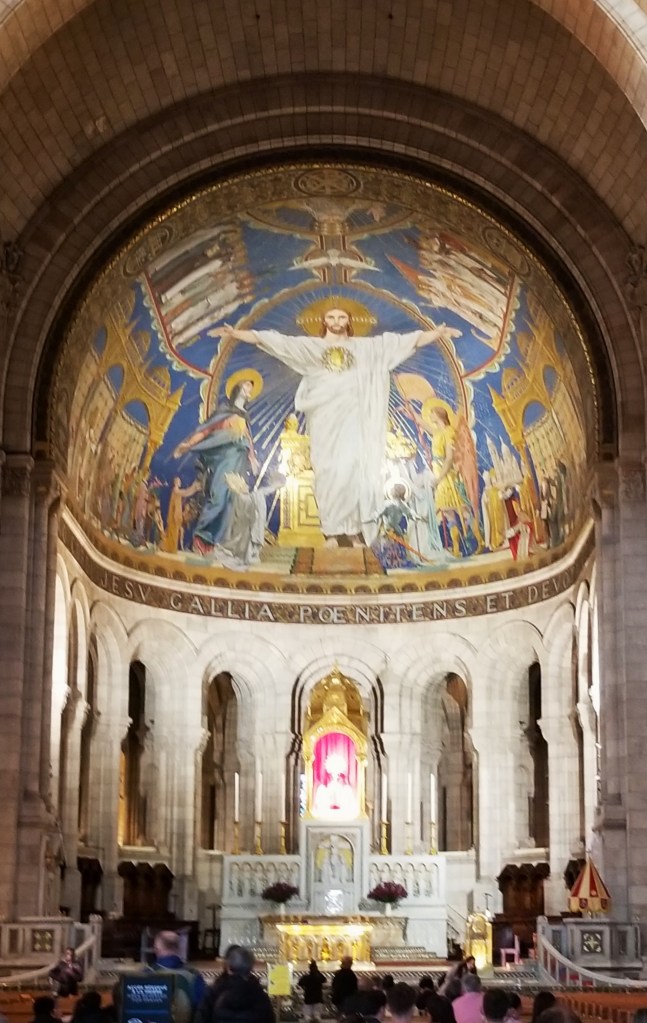
Upon entering, the grandiose stature of the mosaic of Jesus in open arms sets the tone for a spiritual and solemn visit:
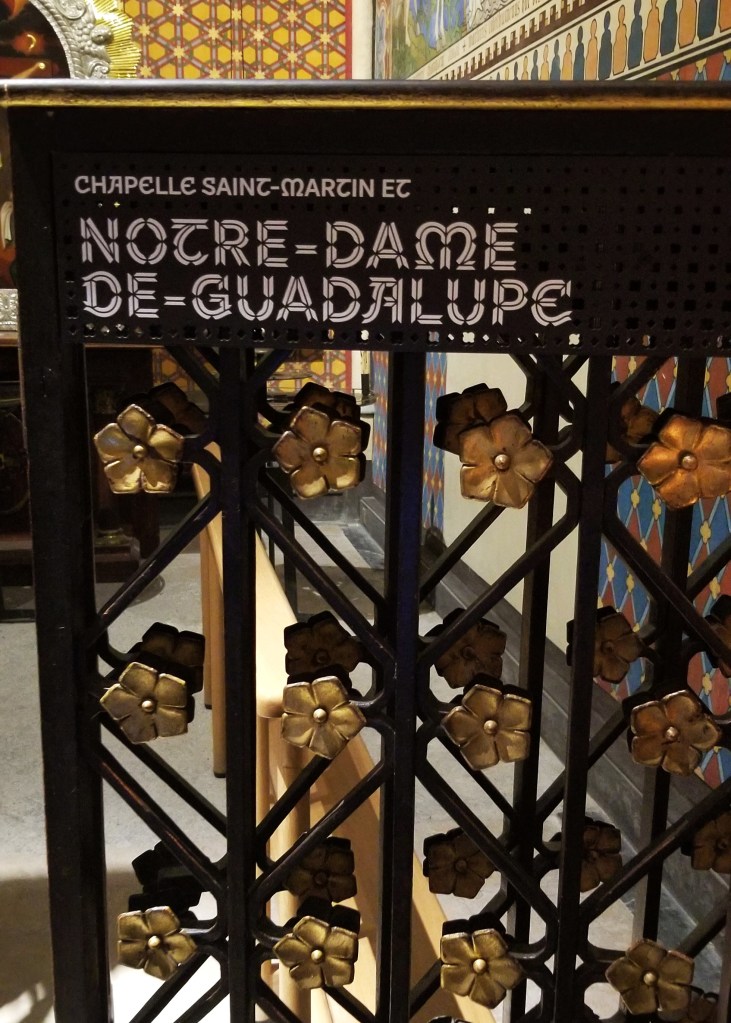
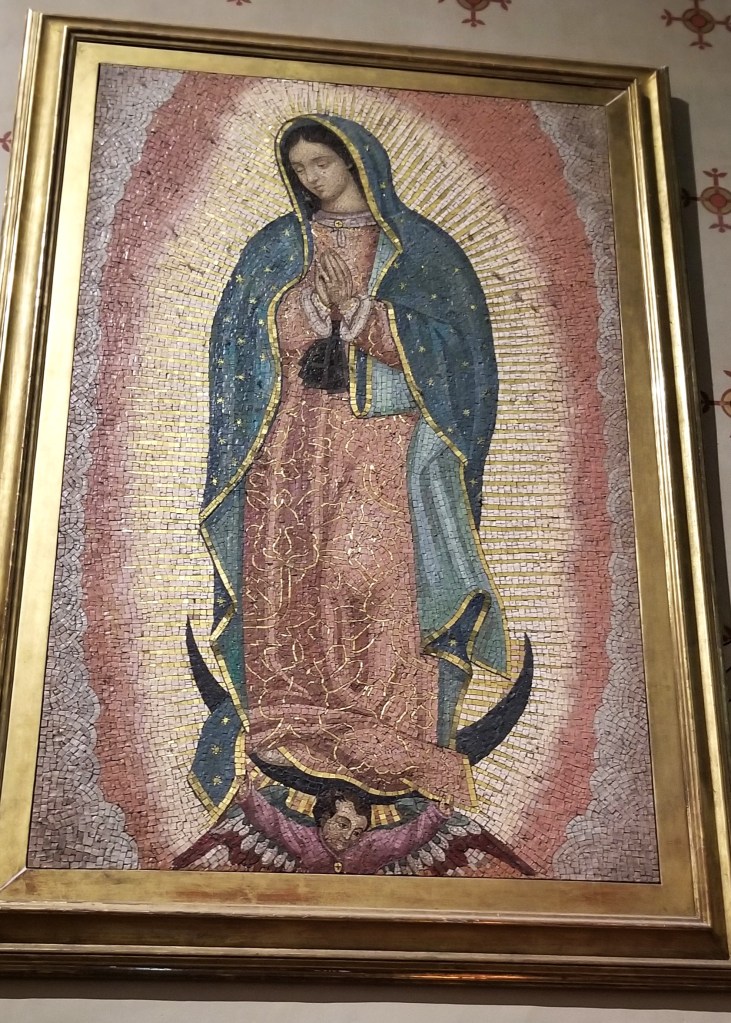
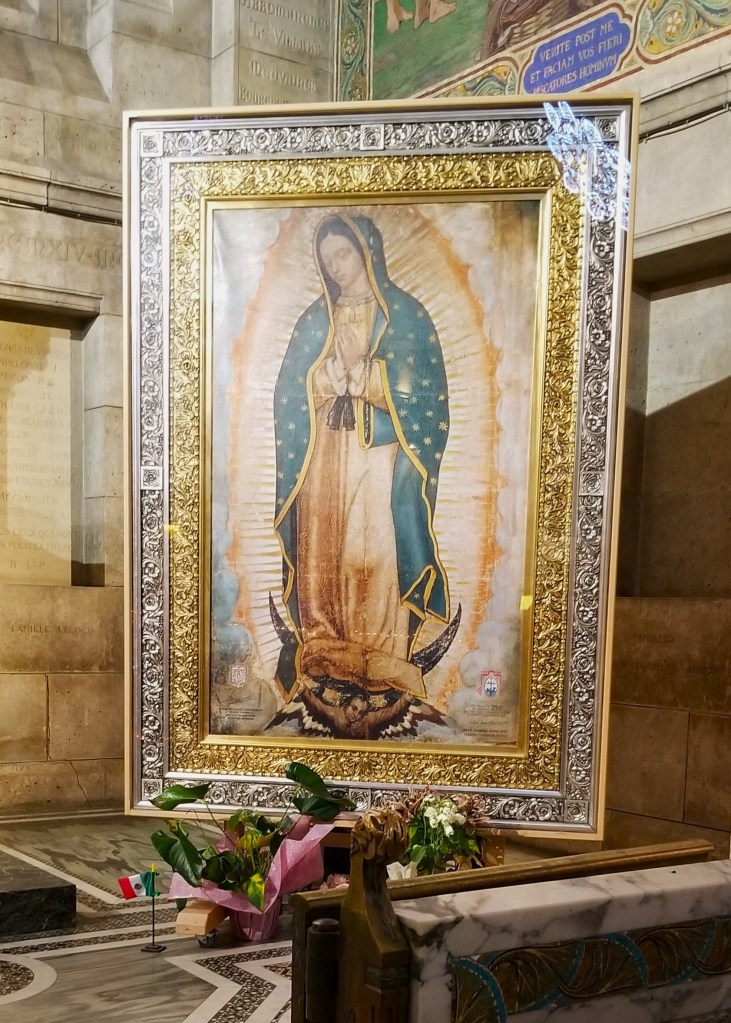
I was particularly moved by the fact that both Notre-dame (photos below, left and centre) and Sacred Heart (photo below, right) had a chapel dedicated to the Mexican Virgin of Guadalupe:
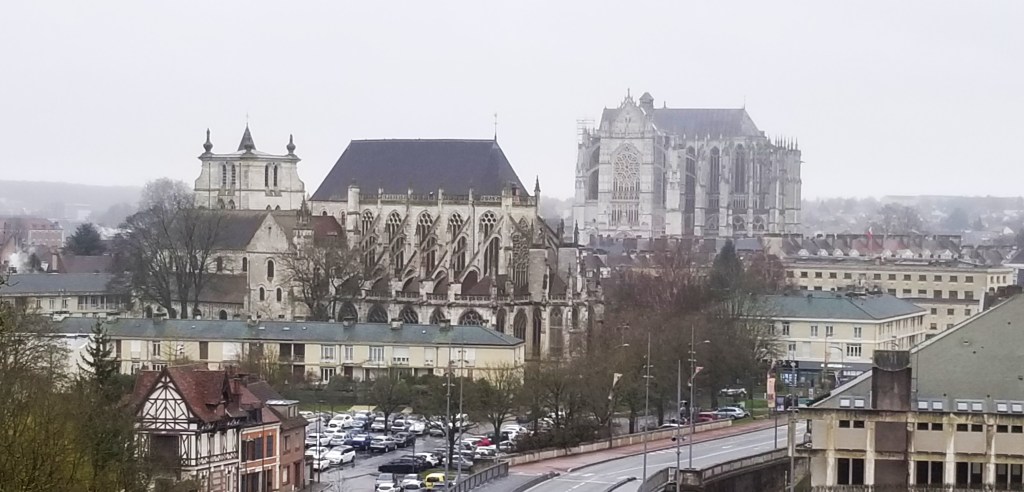
On the other hand, in Beauvais, about 80 km north from Paris, there are also numerous churches, and especially two that deserve mention for their historical and architectural relevance: Saint-Étienne church (photo below, left) and Saint Pierre Cathedral (photo below, right):
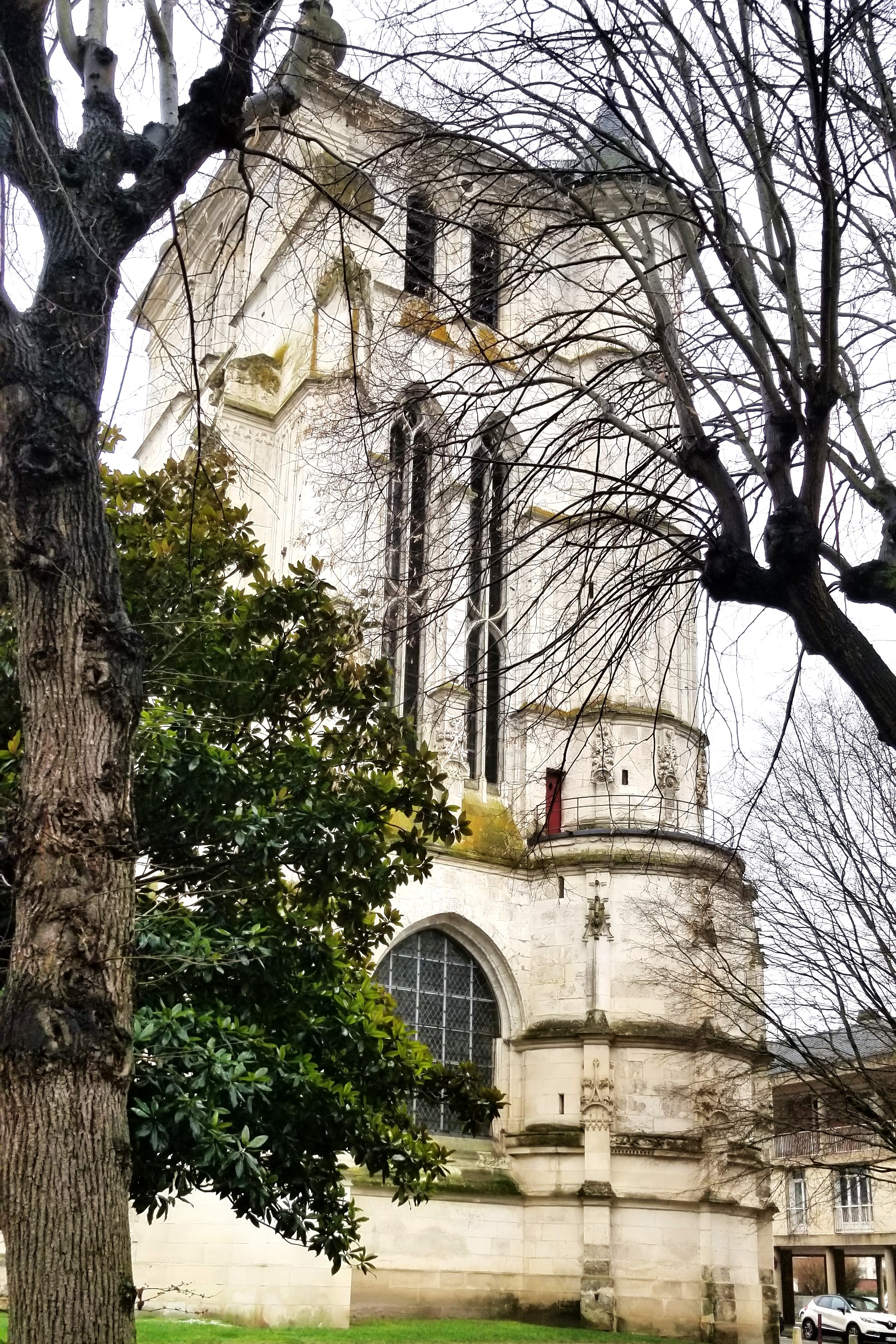
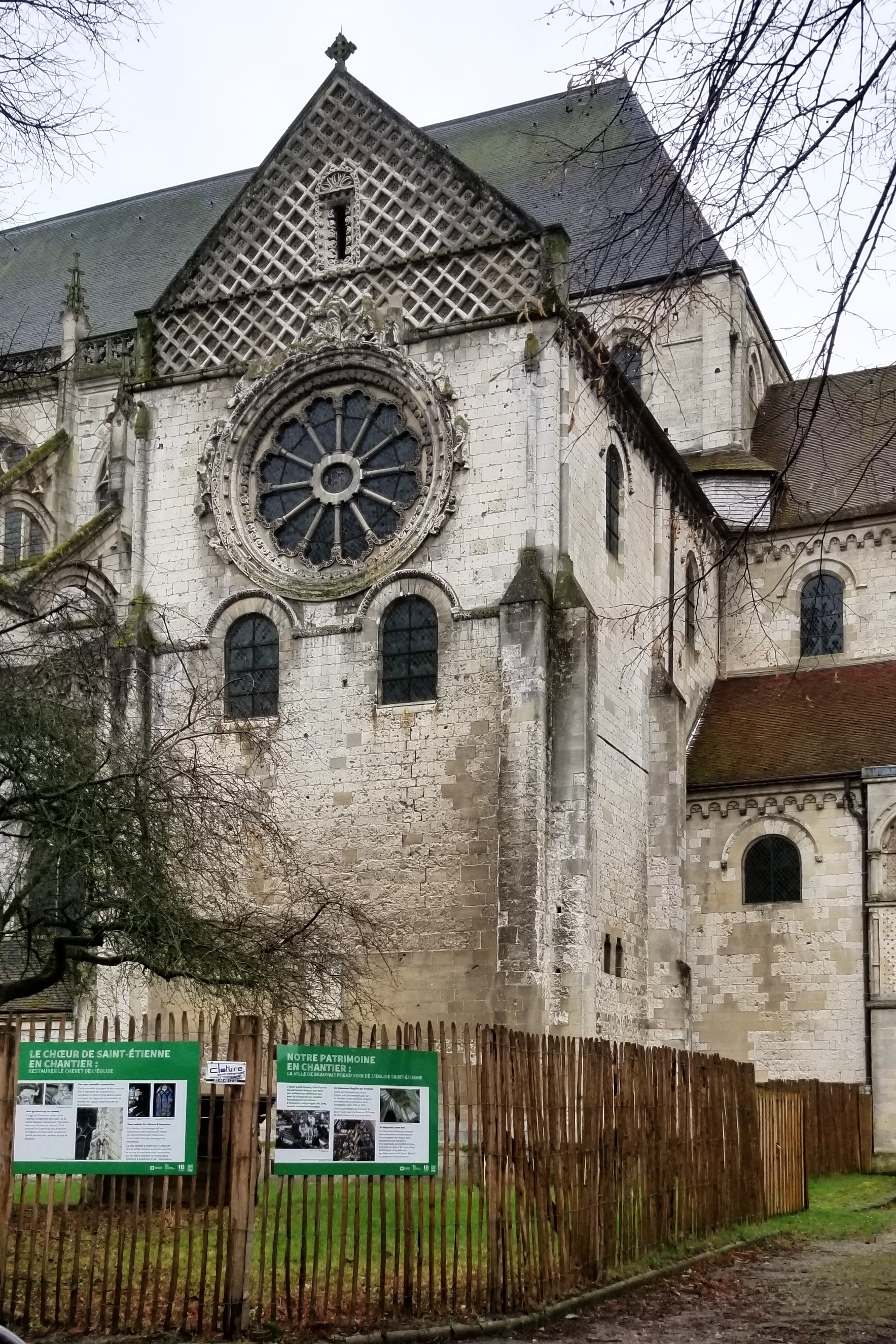
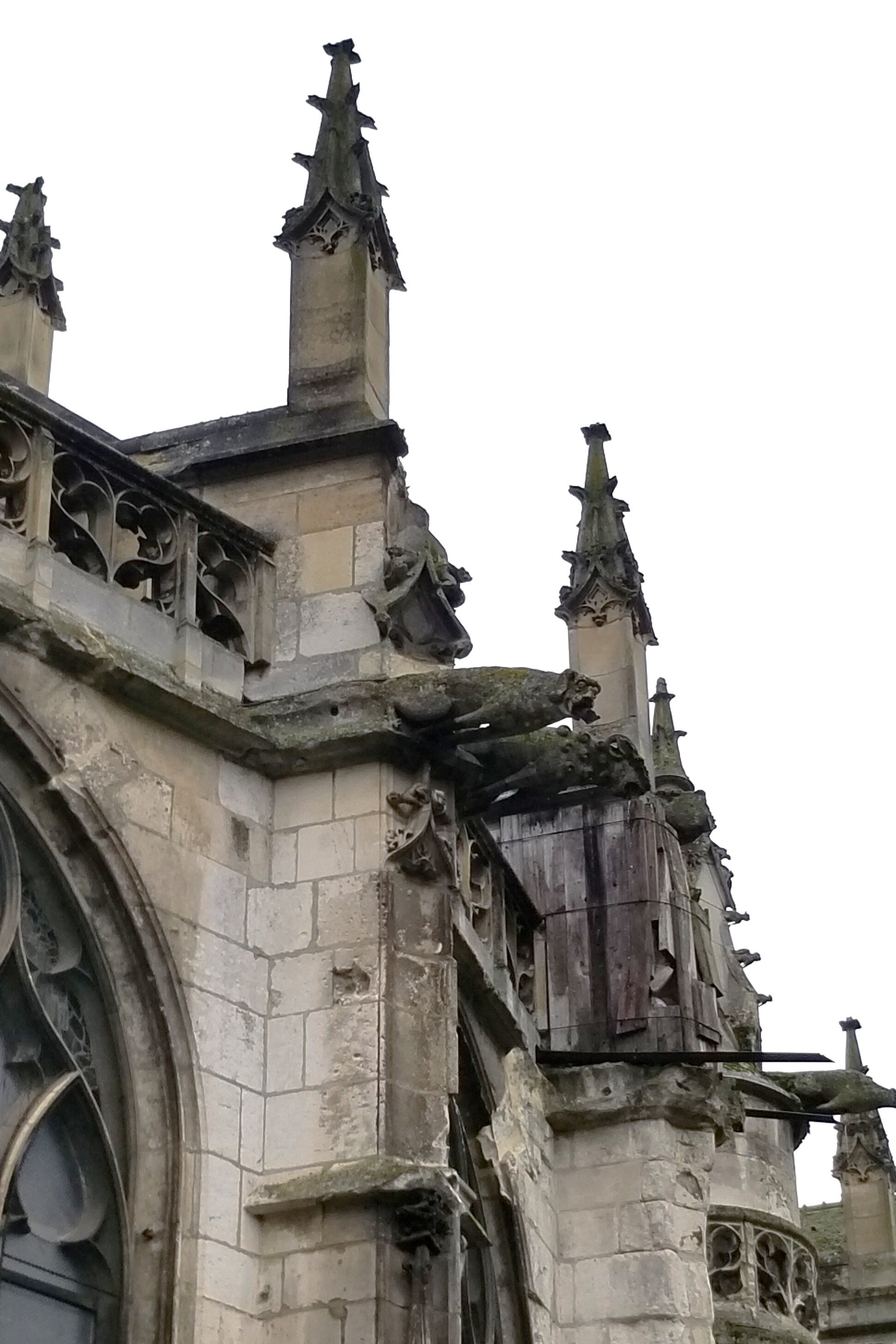
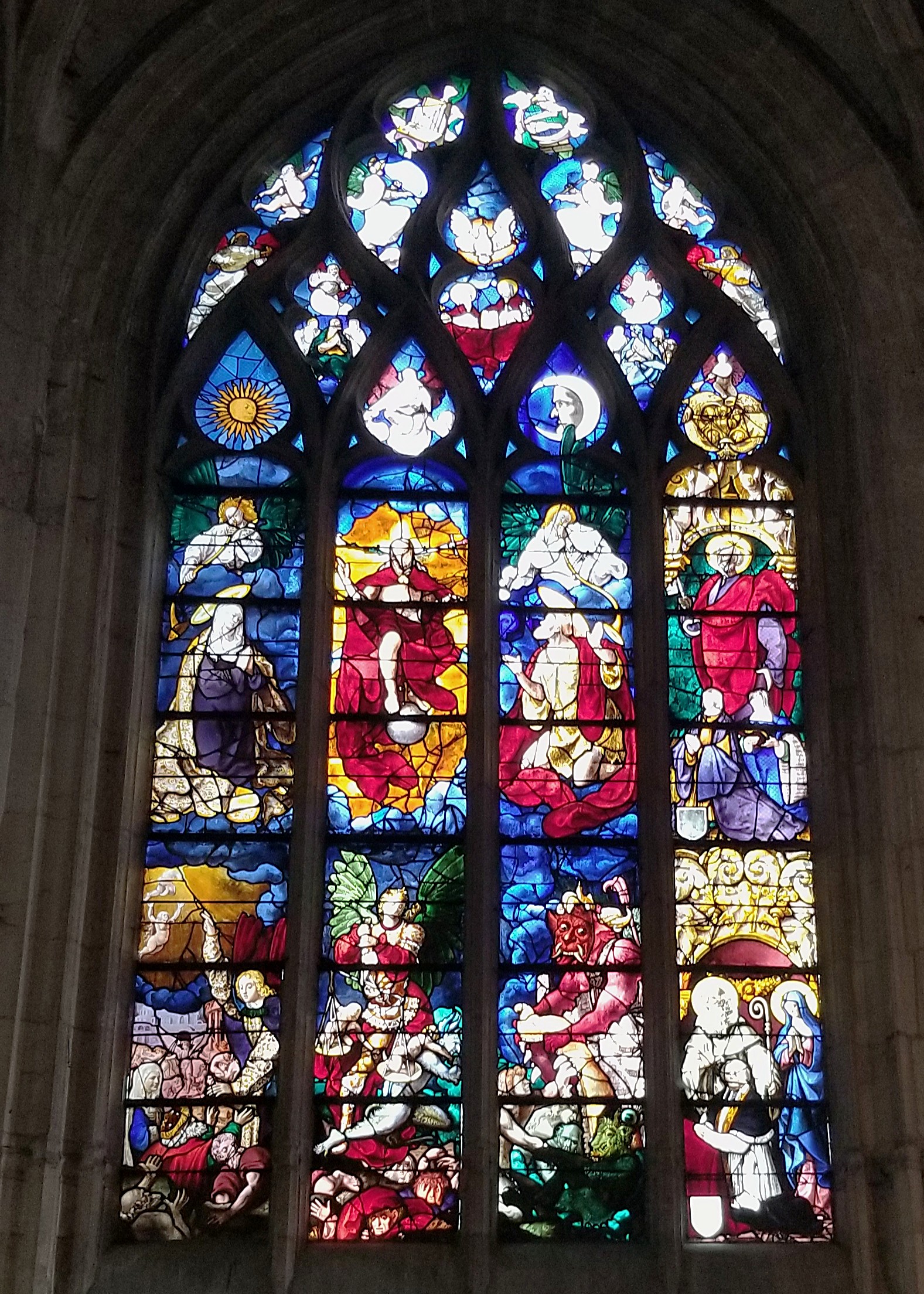
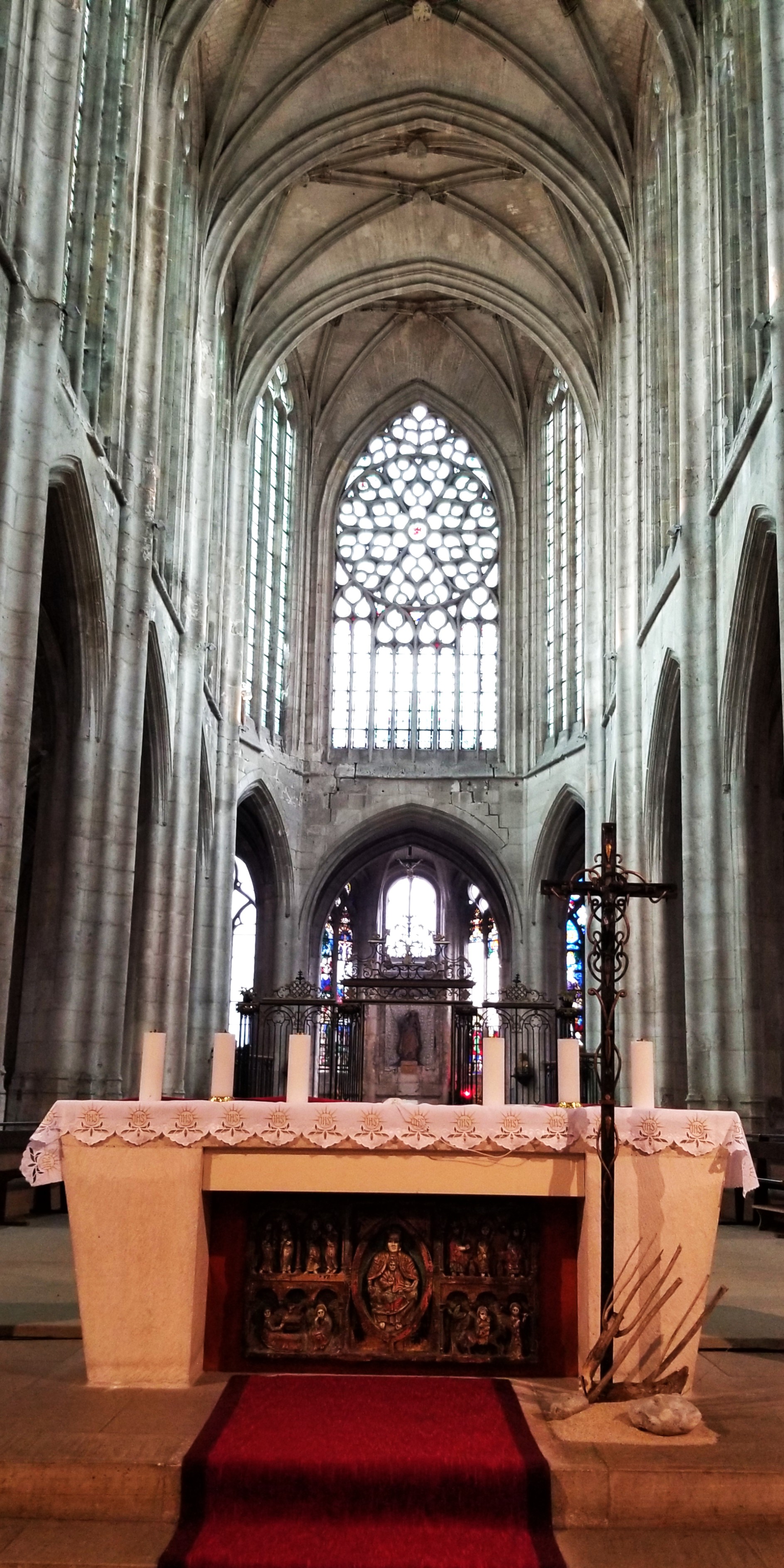
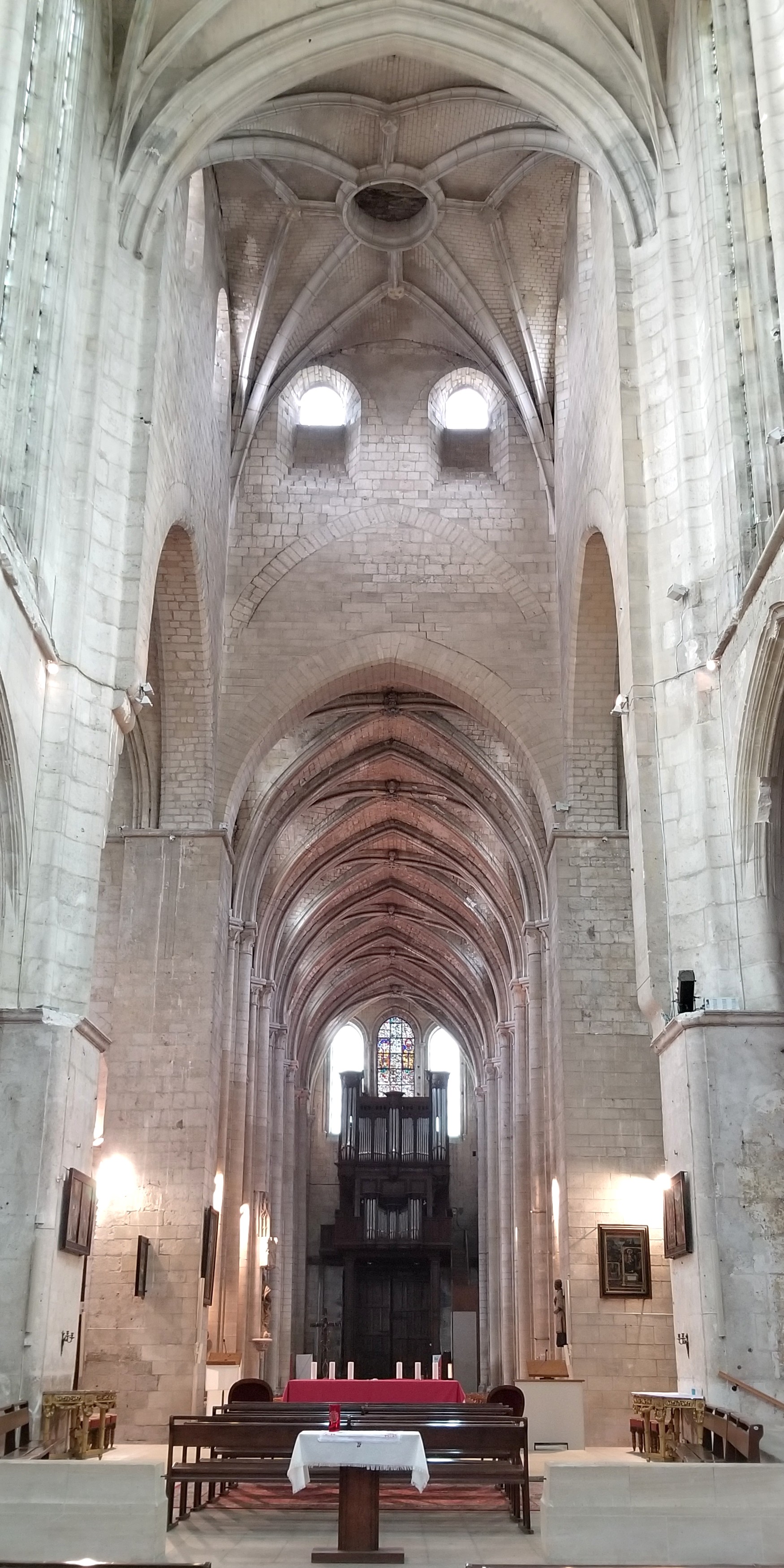
Saint-Étienne church was founded probably as early as the 2nd century, and the construction of the present time building began in the 12th century, featuring a great example of transition from Romanesque style, with its small windows, thick walls and round arches, to the dramatic Gothic architecture of pointed, more angular finishes and abundant stained glass (click on images for slide show and captions):
And finally, the St. Peter cathedral (Cathédrale Saint-Pierre de Beauvais), an impressive site built in the 13th century, still functioning as the seat of the Bishop of the Diocese of Beauvais, Noyon and Senlis:
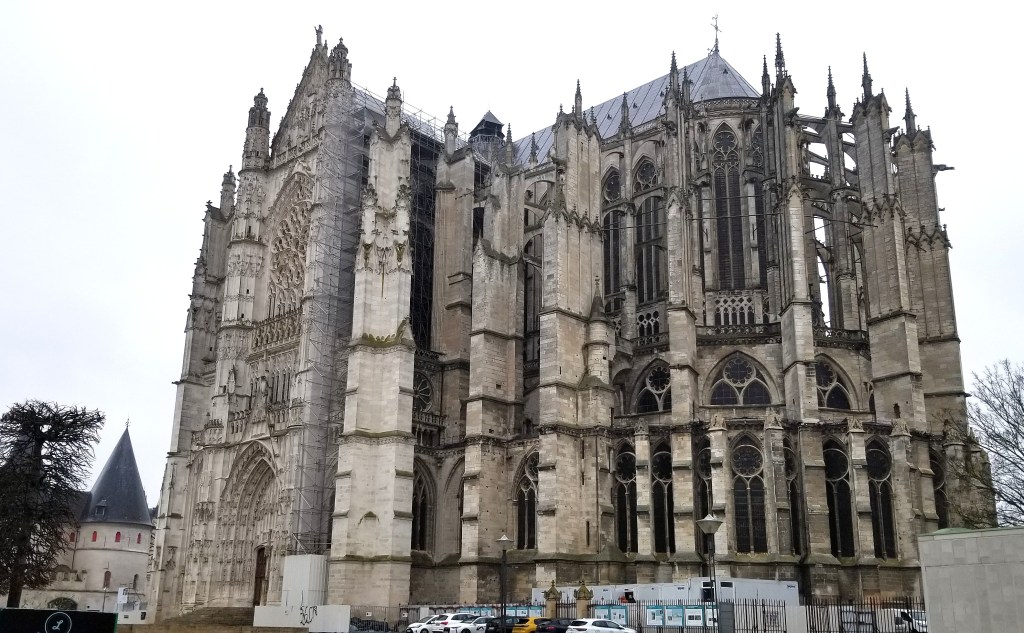
The Gothic choir vault is the highest of its kind in the world (48 m – 159 ft) and is a national monument since the 20th century:
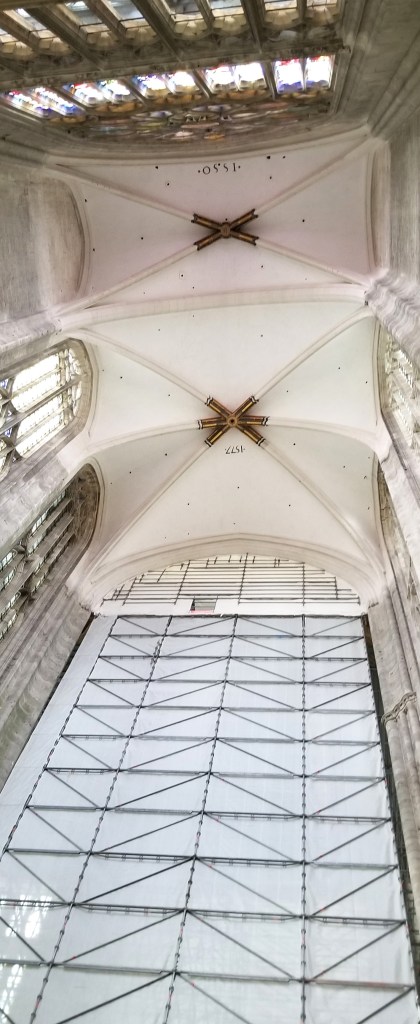
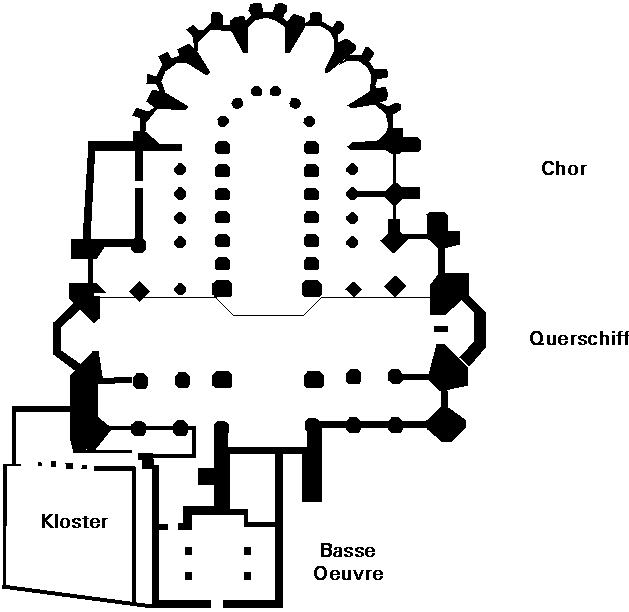
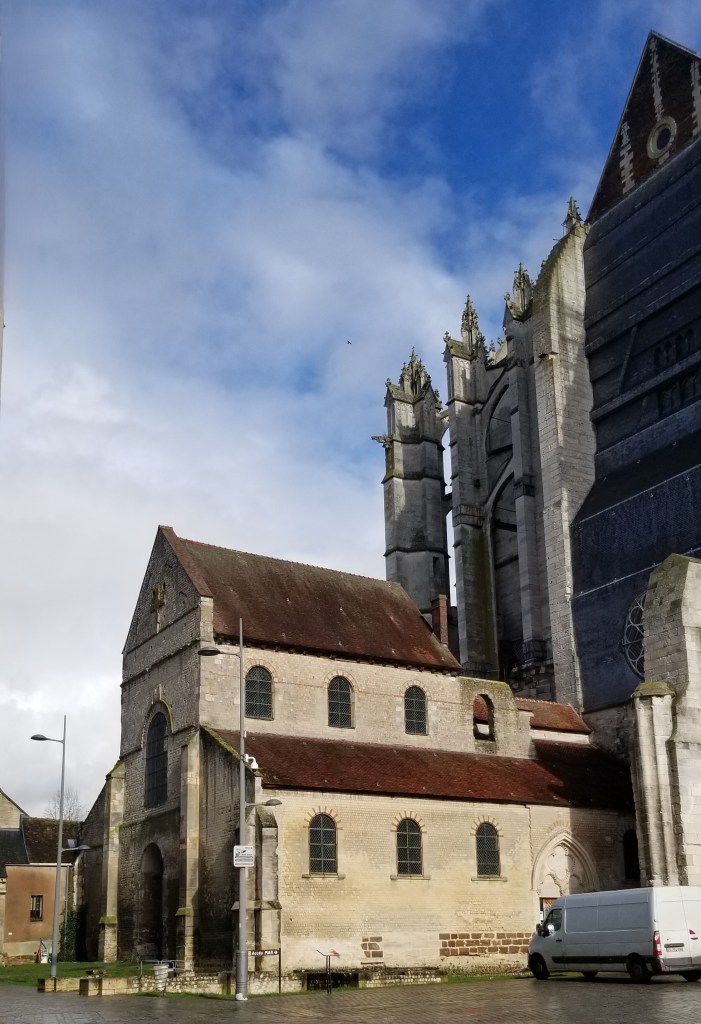
The first cathedral on the site dates from the 10th century, dedicated to Notre-Dame de la Basse-Œuvre. In 1225, the choir was completely destroyed, and it was then that it was decided to build a new cathedral; as the construction of the new building progressed, sections of the old cathedral were demolished. The choir was finished in 1272, but a section fell in 1284, and had to be reconstructed, bolstered with extra columns; construction continued with an ambulatory and semicircular recess behind the choir, with seven chapels, nevertheless at a very slow pace, interrupted by war and economical crisis. The transept, which in a finished church is the transverse section that connects the choir and the nave to form a cross, was finished in 1548. A 153 m (502 ft) tall tower was finished in 1569, making the church the tallest structure in the world; unfortunately, the tower collapsed four years later, and that put a halt to the construction project. The roof was repaired, but after several failed attempts to rebuild the tower or finish the building, only the first arch of the nave was completed in 1600, after which the project stopped for good. The present time plan is shown below (from Wikimedia, ©John Eff), with a section of the old Basse-Œuvre cathedral still remaining where the new nave would have been constructed:
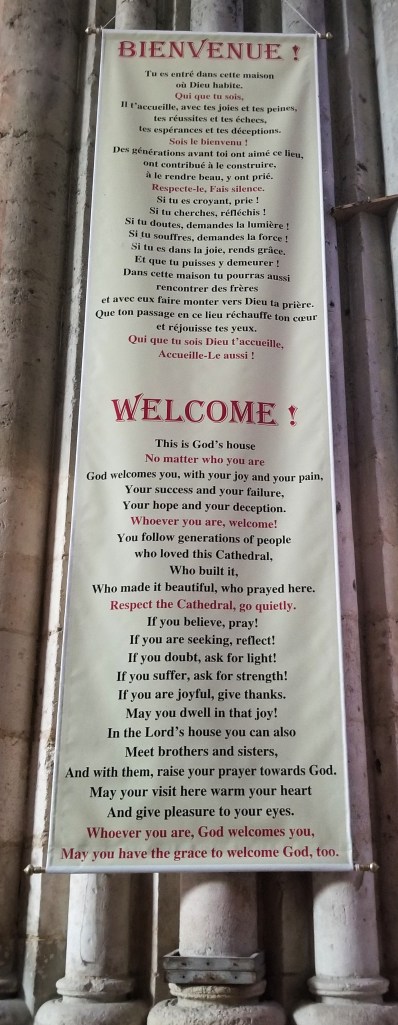
The amazement and discovery only gets amplified when entering Saint Pierre cathedral. A welcome banner inspires to make this visit a meaningful one, regardless of background or religious stand:
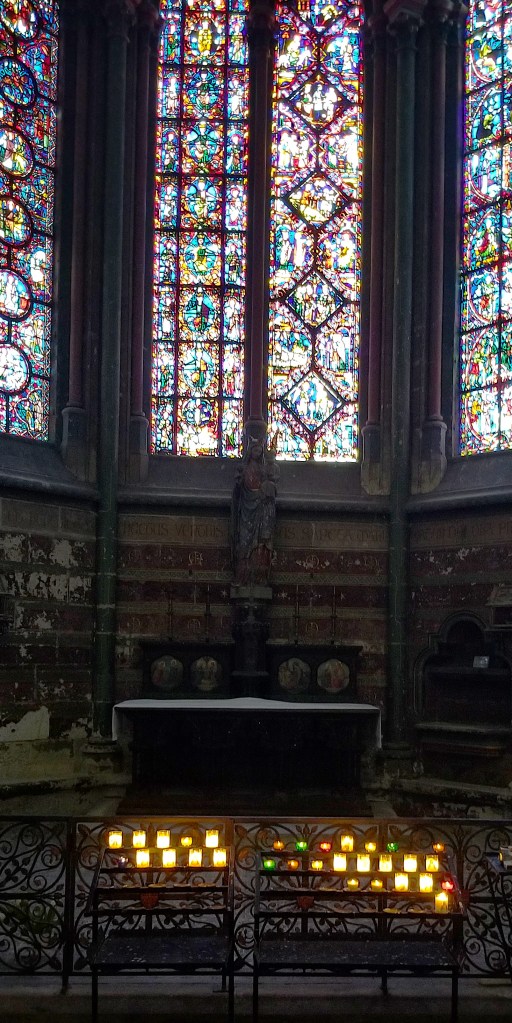
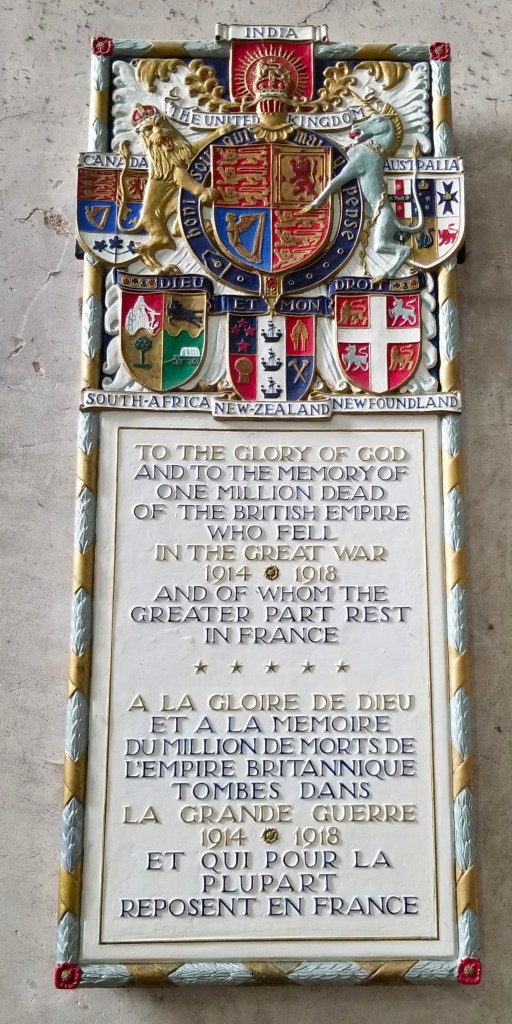
In the photos below, one of the seven chapels, with a statue of the Mother and Child, and intricate stained glass windows (left); a plaque to honour the WWI dead from the British Empire, with coats of arms of of the United Kingdom and its then colonies and dominions, including Newfoundland and the Confederation of Canada (right):
The Saint Pierre cathedral in Beauvais also houses two very special clocks; both work with gears and dials, through a system of weights and pendulums. Their proper functioning requires different resetting and adjusting schedules, ranging from every 3 days, to every 104 years!
Their Canon Music clock is considered the oldest functioning carillon clock in the world. The clock barrel and most of the mechanisms were first crafted in the late 14th century, with references to repairs and additions as early as 1387. The angels and other embellishments date from the next century, and the dial was updated in the 18th century:
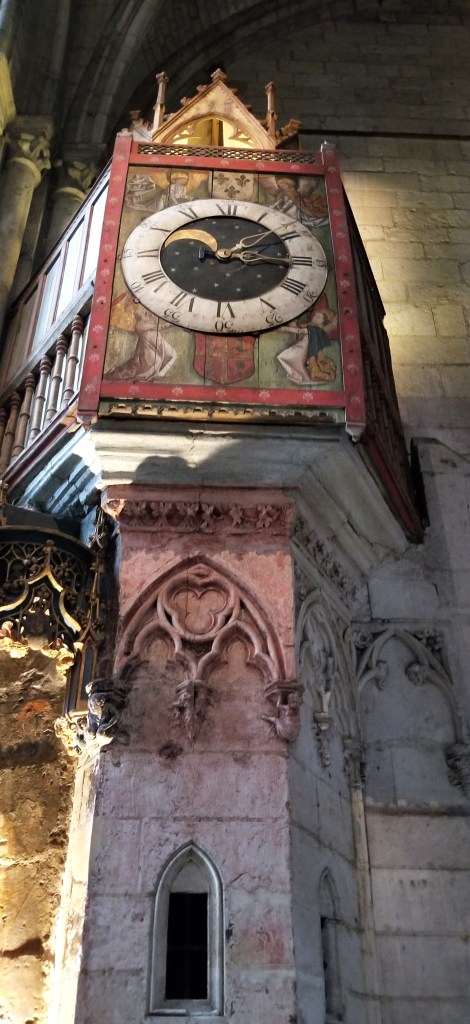
This clock has three functions: timekeeping, the carillon music, and the striking of the bell in a bell tower above the clock. There are three weights in a hollow pillar underneath, responsible for the clock’s movement.
The second clock is the astronomical clock by Auguste-Lucien Vérité, a recognized clockmaker and pioneer of clock synchronisation. Astronomical clocks are designed to not only measure time, but to keep track of astronomical phenomena, such as eclipses, position of the planets and stars, Moon or Sun cycles, and in many cases, religious dates such as Easter Sunday.
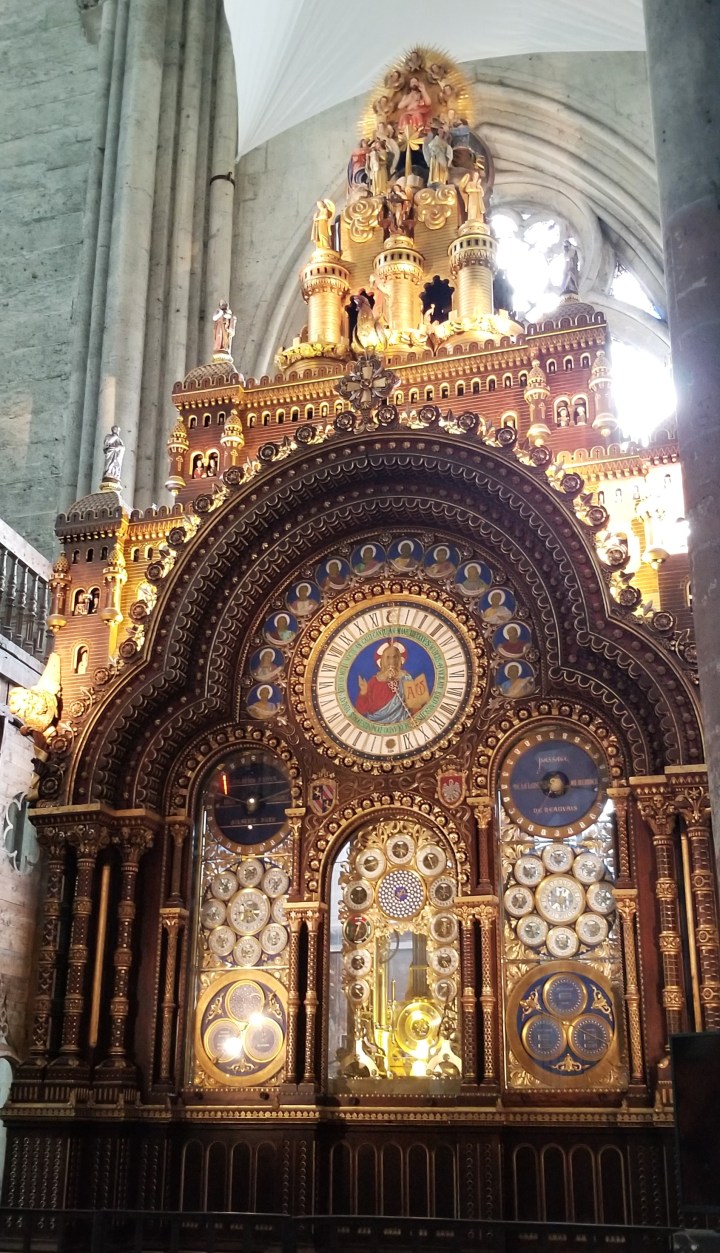
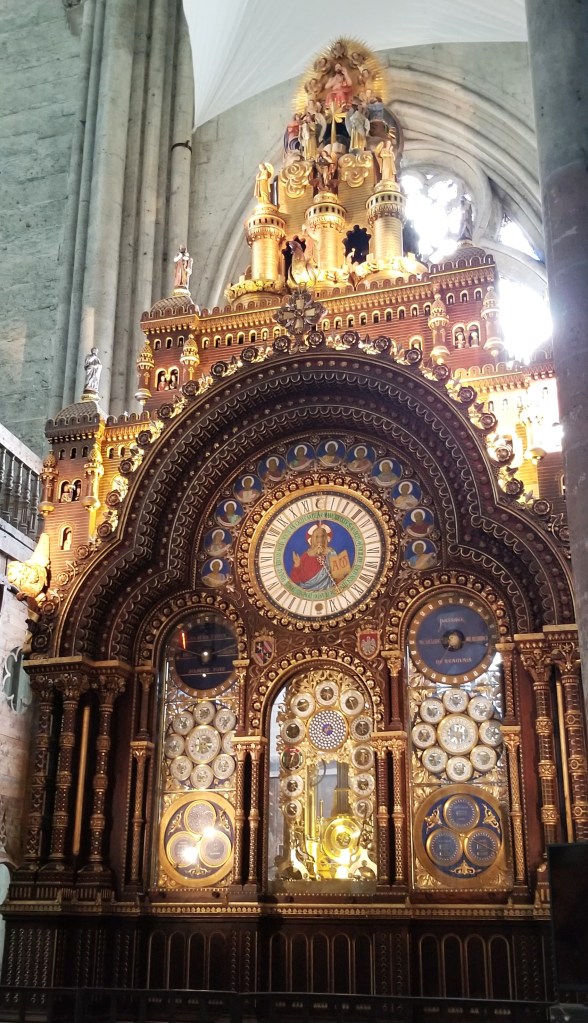
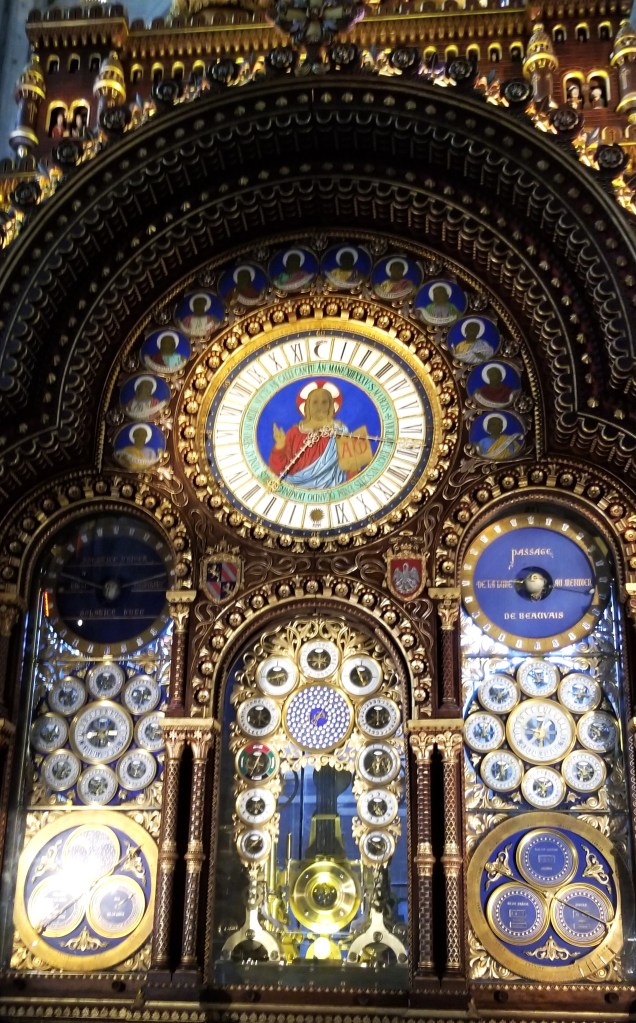
Vérité’s clock was commissioned by the Bishop of Beauvais in 1865, and installed in the cathedral in 1876. The top of the clock depicts The Last Judgement, which is acted by the moving figurines underneath after the golden rooster crows three times on the hour, representing the denial of Saint Peter during Jesus’s Passion. The main dial at the centre, shows Jesus Christ in glory surrounded by his twelve apostles; this dial keeps time in a twenty four hour cycle, with midnight at the top and noon at the bottom (photo at the top of this post and below):
This masterpiece contains around 90,000 components, that control the chimes, 53 dials, and 50 moving figurines:
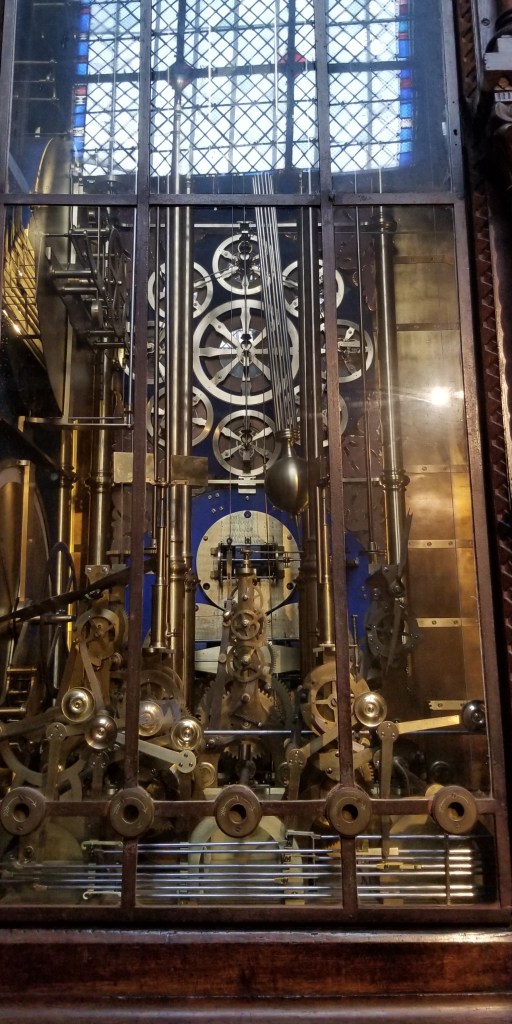
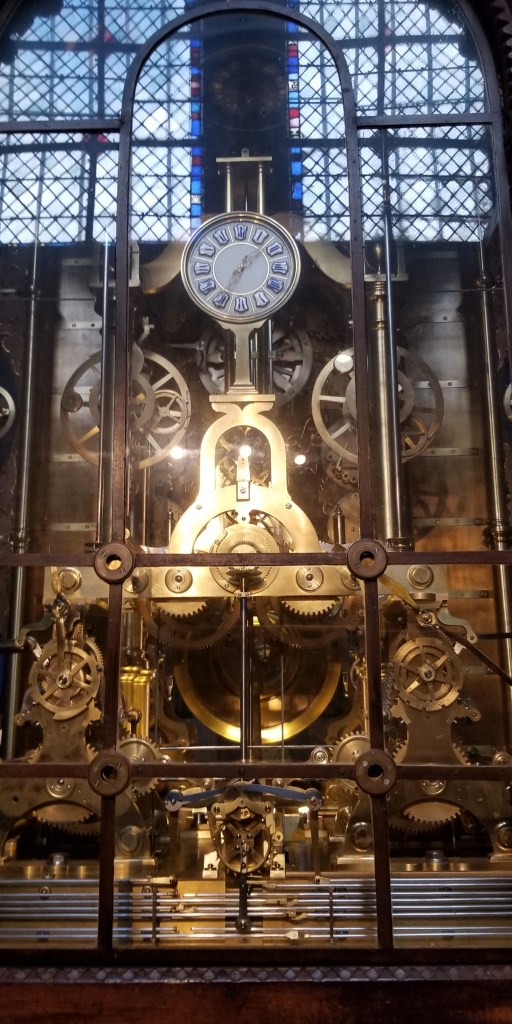
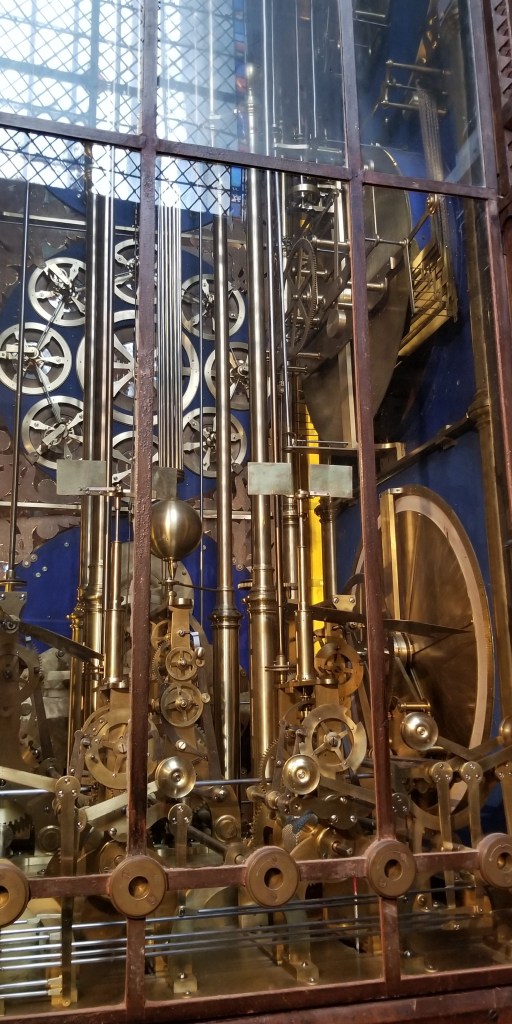
Underneath the main central dial, there are smaller dials, arranged in three bays; the small dials keep track of various cycles, such as the seasons of the year, the length of day and night, time in different cities around the world (including Mexico City!), and positions of the sun. There is also a perpetual Gregorian calendar, and a bottom dial, in bright blue, shows movable Christian feasts, all determined in relation to the date of Easter:
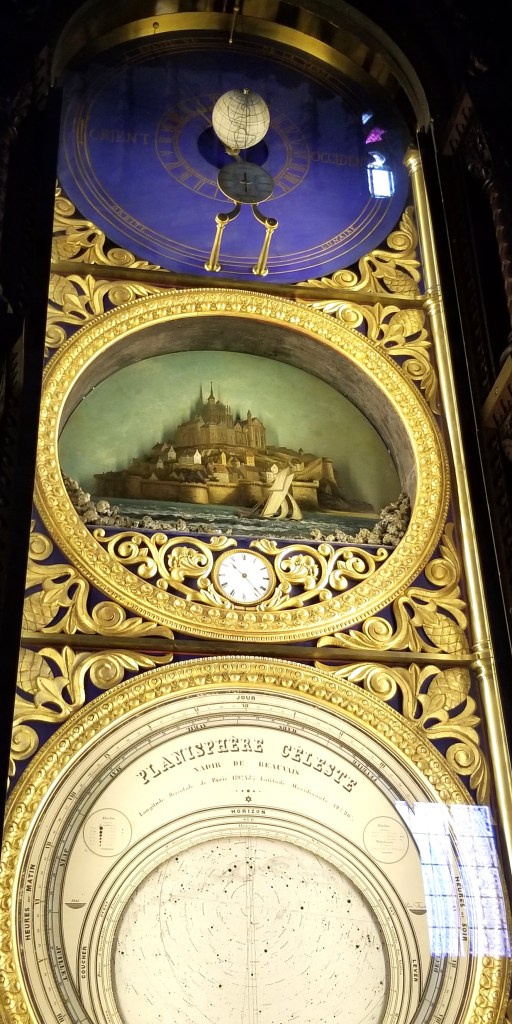
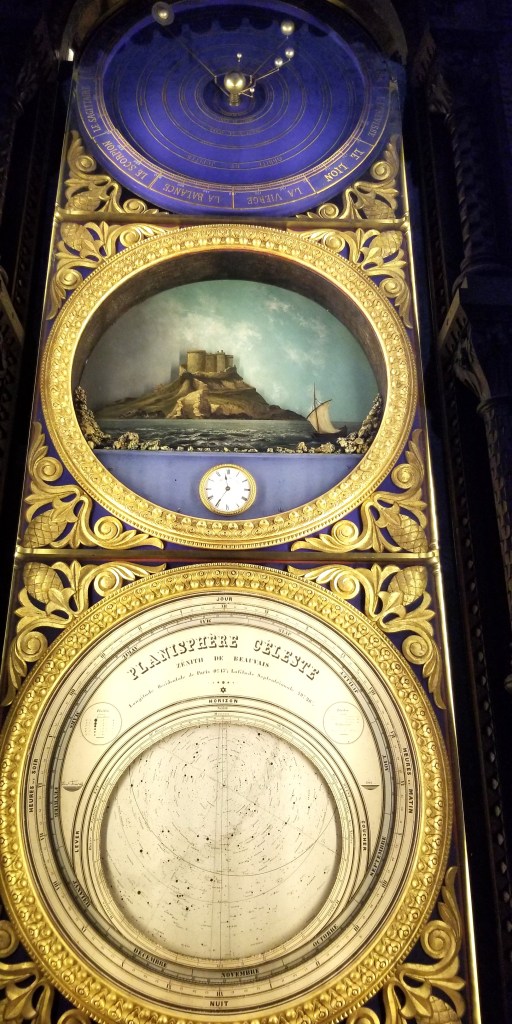
The sides of the clock feature more astronomical information. The left side has a dial at the top, marking the date of the last solar eclipse in Beauvais. An animated dial below, shows the tides at Mont Saint-Michel, and at the bottom, the position of the stars above Beauvais are in display (photo below, left). The right bay is usually not visible to the public, but my husband and I got a special tour for being early to the audiovisual show (many thanks to the awesome and knowledgeable staff at the cathedral!), so I got a chance to take a photo (below, right). The top dial follows the position of the six known planets at the time, around the sun. The middle dial shows the tides at Mont Orgueil Castle, and below, another dial displays the position of the stars at the nadir of Beauvais:
It is important to note that astronomical clocks do not actually record data from the sky, but function on perpetual calendars and gears, mechanically simulating moon and solar cycles, etc. Actual astronomical events such as spring equinox and full moons vary, but astronomical clocks calculate Easter Sunday on standardized liturgical rules established around 325 AD to determine a date between March 22 and April 25, based on the first Sunday after the first Paschal full moon on or after March 21, as opposed to the actual spring equinox, also a movable date.
Western and Eastern (Orthodox) Easter Sundays not always coincide because calculations of Easter Sunday is based on the Julian calendar for Orthodox churches, while most other churches in the West and around the world adopted the Gregorian calendar in 1582. There are other restrictions in the Orthodox church calendar, for example, that Easter Sunday must always occur after Passover. This year, Western Christians celebrate Easter Sunday on April 5, and the Orthodox Easter Sunday will be on April 12.







Irene, thank you so much for sharing such gorgeous photos and information. I really enjoyed your post. Wishing you and yours Happy Easter!
LikeLike
Thank you so much Punam, and thank you for hosting!
LikeLiked by 1 person
You are welcome on both counts, Irene.
LikeLiked by 1 person
The Virgin of Guadalupe has another church in France in Biarritz, that Queen Eugenie (born in Granada) had constructed. I wrote an article about it last year. PS The clock you featured is so detailed.
LikeLike
Oh cool, I will check out your post. That clock was very interesting and really captivated me.
LikeLiked by 1 person
Your photos are amazing and so are the Churches. Hard to believe the detail in the architecture without a computer and modern tools. The worker used the gift of their hands, strength and minds.
Happy Easter!
LikeLike
Truly amazing buildings, for sure. Thank you, Alice, Happy Easter!
LikeLiked by 1 person