

CAUTION: As with any kind of foraging, make sure you unequivocally identify the item, and especially for ornamental plants, make sure no chemicals were used to grow them.
Amongst the ornamentals that were already in the backyard when we moved in to our house, some twenty three years ago, were hostas (Hosta sp.) . They did not come with a pedigree, but I think they are white-rimmed (H. undulata, albomarginata):
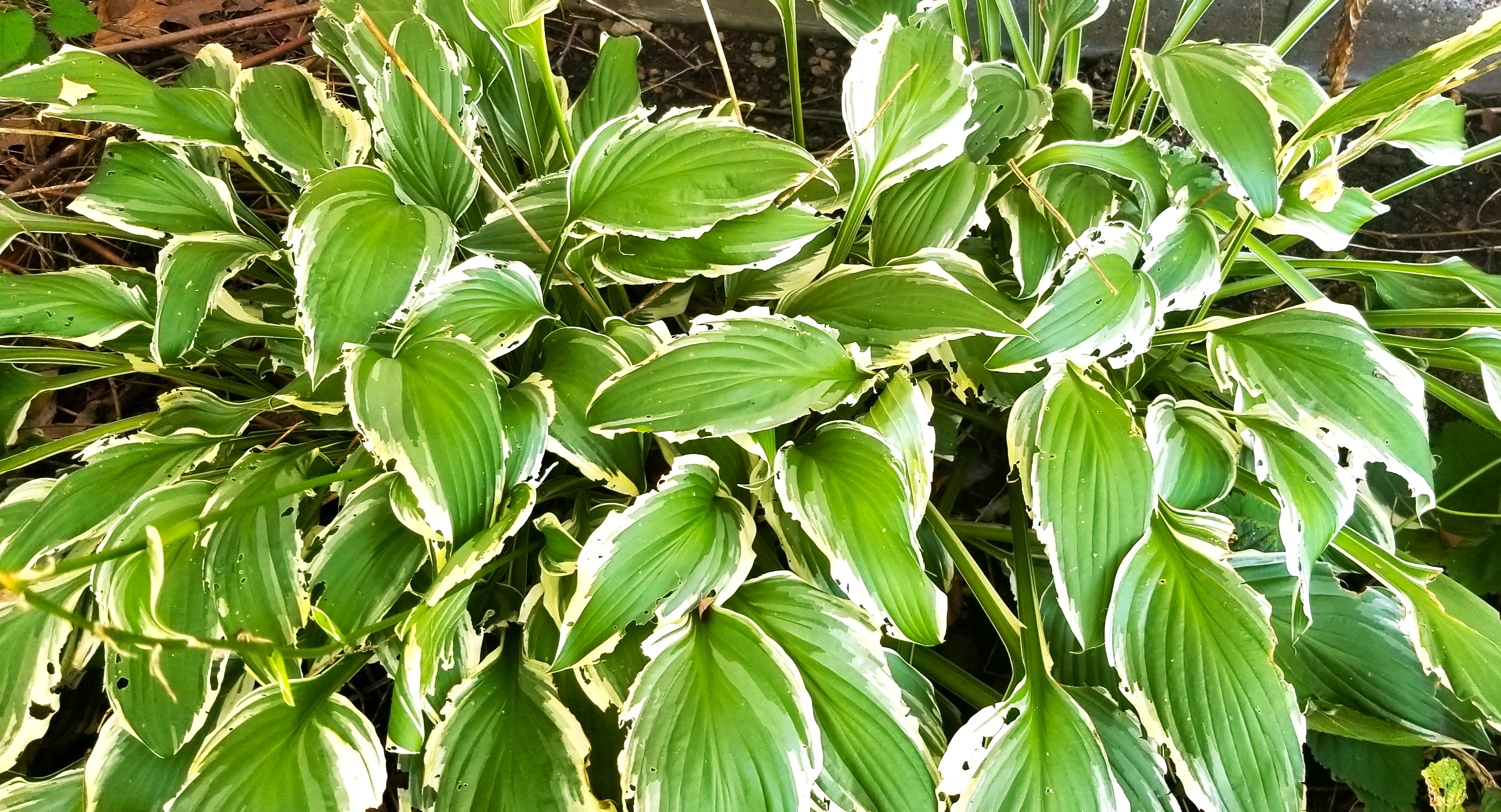
Originally from Asia, hostas have an impressive range around the world now, surviving as hardy perennials in growing zones 3 to 9. They are incredibly low-maintenance, and prefer a shady or partially shady spot, perfect to fill those darker spots in the garden. On top of that, they bloom in late summer, displaying delicate and pretty flowers, white or in shades of light purple, as it may be seen in the photo at the top of this post.
Have you ever eaten hostas? I have never tried them myself, but I recently learned that, although toxic for dogs, hostas are safe for human consumption! People in Japan have harvested the shoots in the spring for hundreds of years, which look like a type of asparagus (indeed from the same family, Asparagaceae); young leaves are eaten in salads, while more mature leaves may be chopped and cooked, steamed or in a stir-fry. Moreover, the flower petals are edible, as well. I did not know, so I have no photos of all these stages, but I will make a note to do so next spring, and document any successful attempts at cooking with them.
For about a decade now, I have cultivated other flowers, knowing that they are safe to eat, using no pesticides or other chemicals, to ensure that are safe to consume. Three examples are roses, pot marigolds, and nasturtiums.
Roses (Rosa sp.) are well-known for their beauty, as well as their edibility; they are frequently used to adorn cakes and tablescapes, and have also been appreciated for their vitamin and antioxidant contents in their petals, and ditto in their rosehips. Most species are native to Asia, but some are originally from Europe, North America and Northern Africa. A red tea rose bush is the sole survivor of several attempts to establish those beautiful plants in my garden:

Pot Marigold (Calendula officinalis) is an ancient plant, most likely originated in Southern Europe, then naturalized and cultivated in Asia, and now, around the world. Bright yellow flowers appear in late spring, and continue to bloom throughout the summer months:


Pot marigold has been extensively used as an anti-inflammatory and anti-septic, although formal studies are needed. In the kitchen, I dry the petals, and use them in infusions, or to add colour to rice and stews, instead of saffron or squash blossoms.
I got a packet of seed for these bright red nasturtiums (Tropaeolum majus) a few years ago, and they are still viable; I also save some of the seed they produce each year:
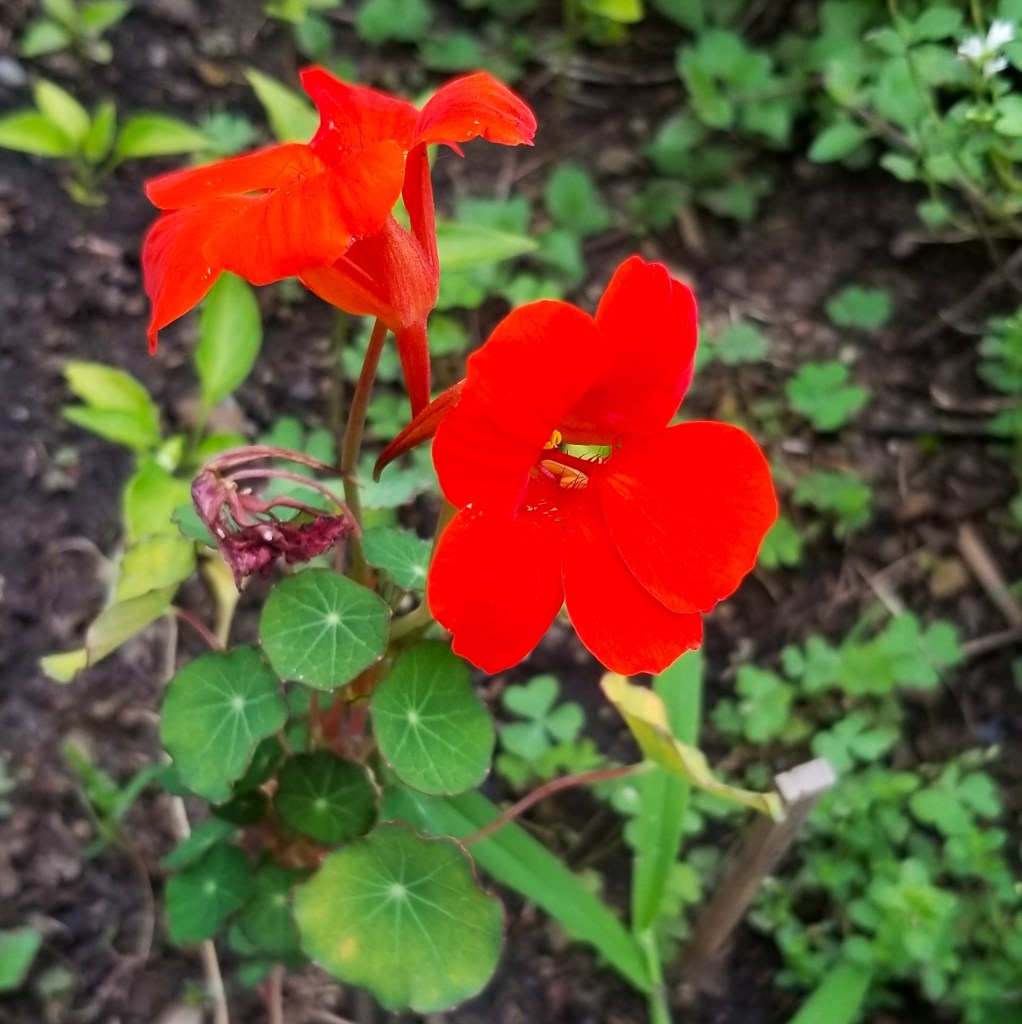
Nasturtiums are originally from Central and South America; they were introduced to Europe by the Spanish botanist Nicolás Monardes, in 1569. The leaves and flowers are edible, and have a slightly spicy taste, like cress. I have posted about them, using them in a sandwich filling, to add colour, and a peppery taste:

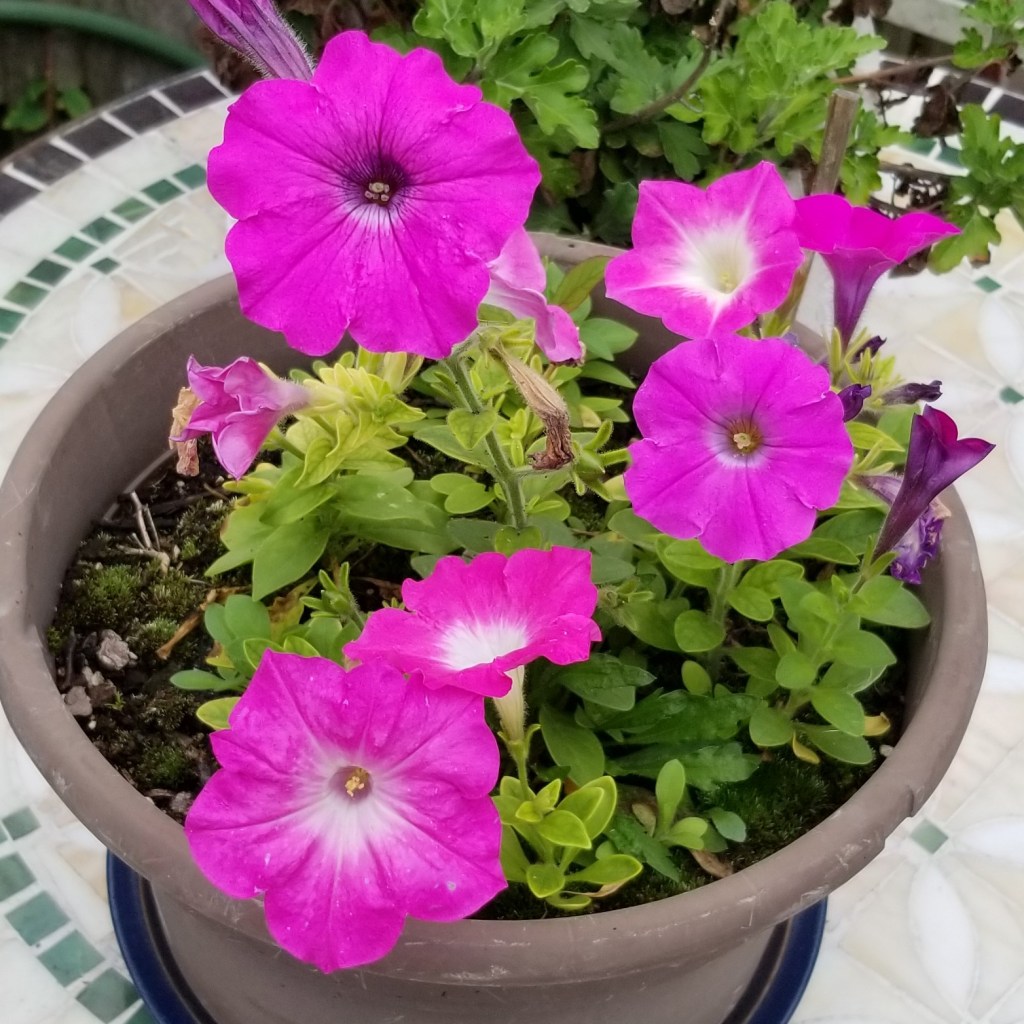
Petunias (Petunia sp.) really surprised me, both when I learned about their place of origin, and by the fact that the petals are edible. Petunias are originally from Mexico, Central, and South America; according to Wikipedia, the Maya and Inca used them in drinks to ward off bad spirits. I only started cultivating them because my daughter gave me an amulet with some petunia seed inside a few years ago (perhaps based on the same symbolism as the ancient cultures?) I have not tried to eat any, but they are so colourful and bright, I can understand why they are used so much as decorations on cakes and fruit trays:
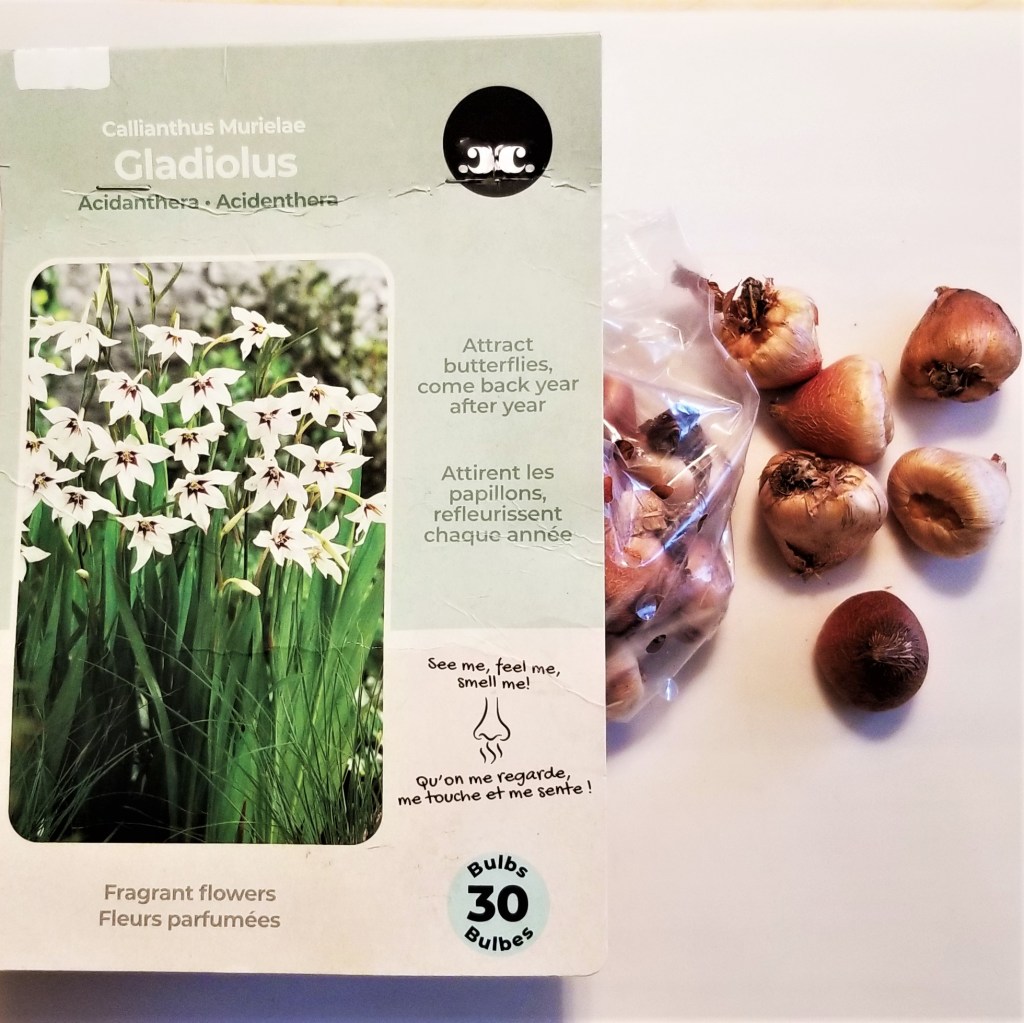
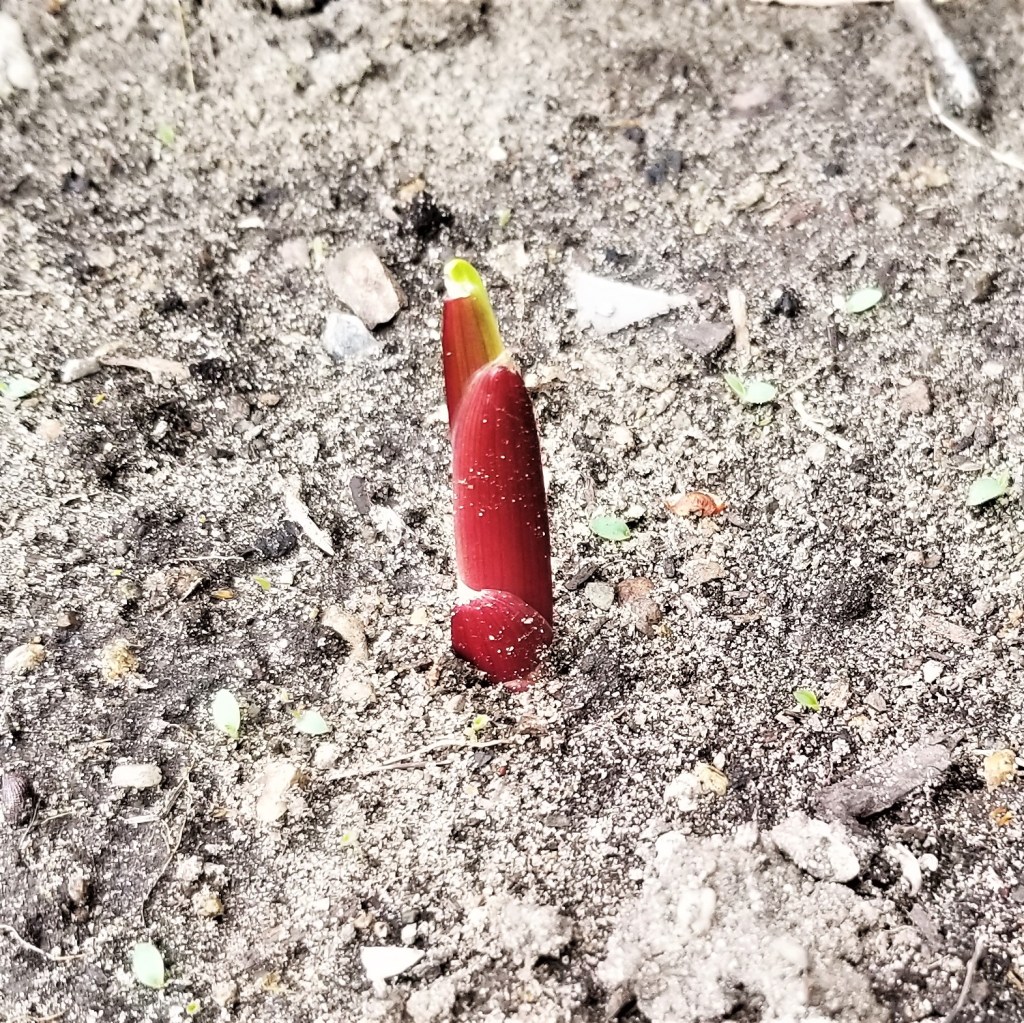
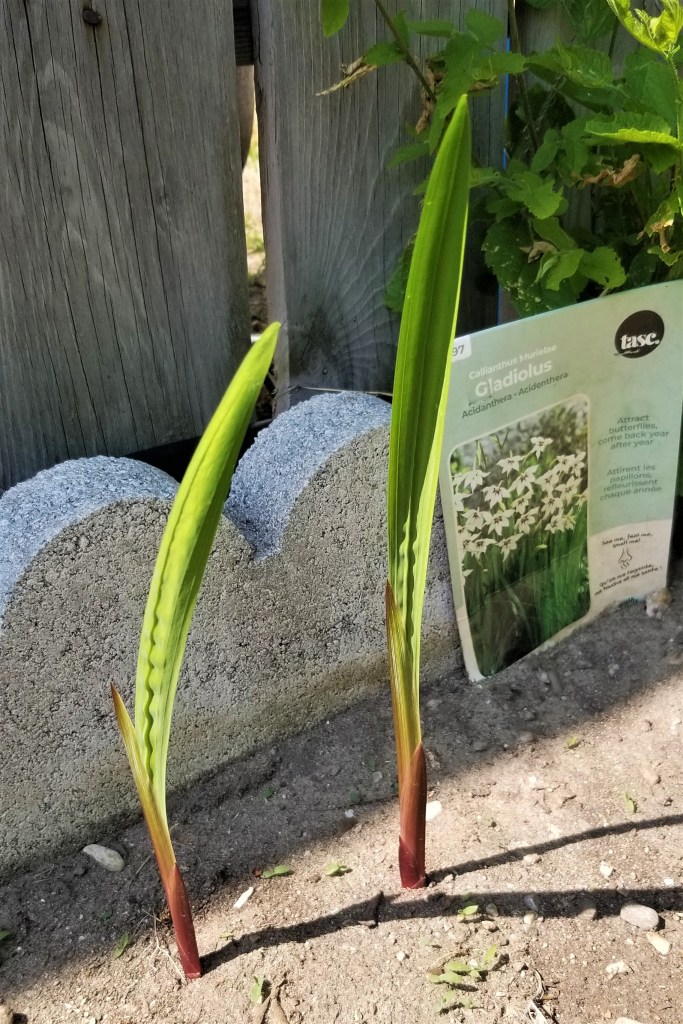
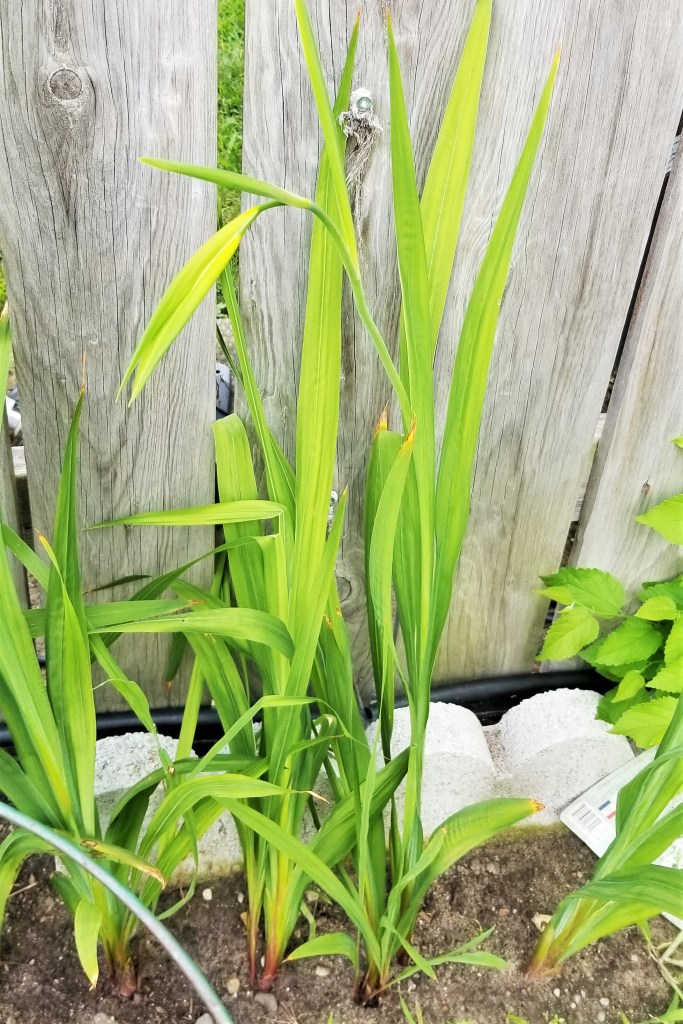
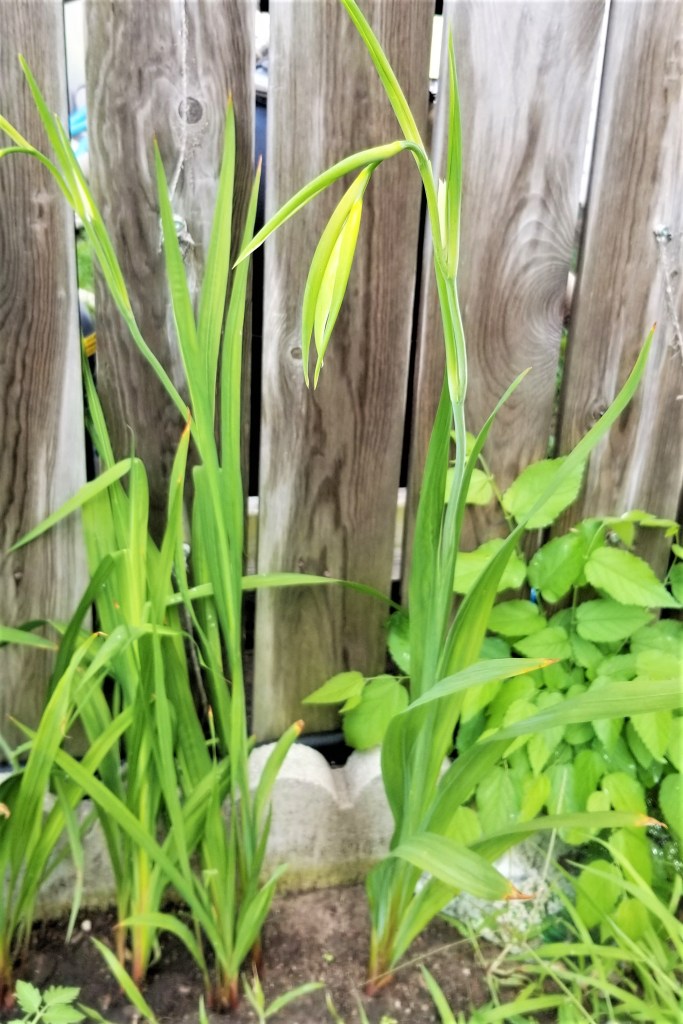
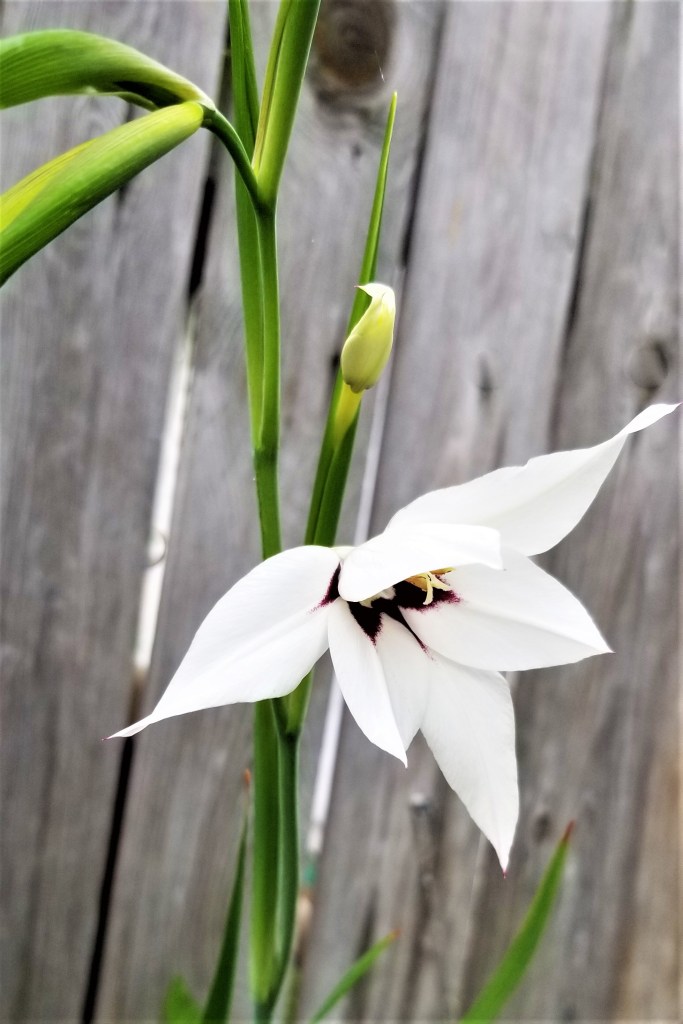
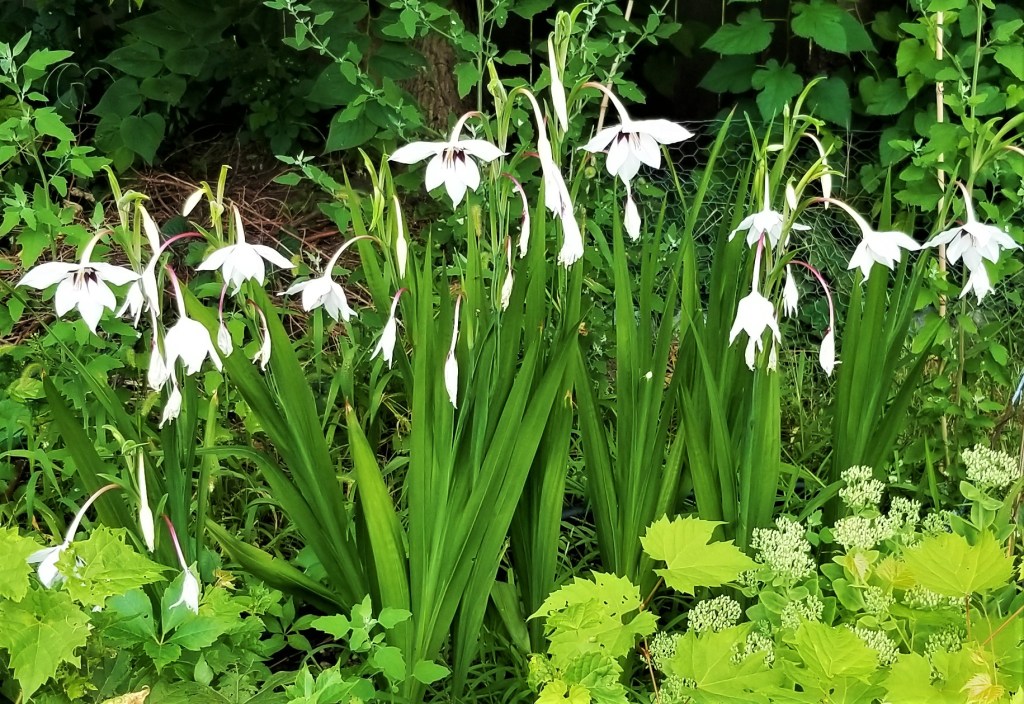
Last, but not least, Gladiola (Gladiolus sp.) are perhaps the most surprising of this group. Are they really edible? There is some turmoil about the corms; some sources report toxicity, but they are used in some African regions as food and as a remedy for coughing, gastrointestinal issues, and colds. The flowers are edible, after the centres are removed, with a “slightly tart and vegetable” taste; one interesting serving suggestion is to fill the blossoms with cream cheese, or ice cream. This is my first year planting gladiola, and if anything, these Acidanthera (Gladiolus murielae) have been easy to grow, resilient, productive, and beautiful:
Have you tried eating any of these garden flowers?
I am joining Six on Saturday for September 2, 2023, hosted by Jim Stephens @ Garden Ruminations.
I am sharing these pics at Cee’s Flower of the Day (FOTD) Challenge for September 2, 2023.




 My Slice of Mexico
Do you know about jamaica tea made from hibiscus flowers? Delicious. It needs to be one special variety of hibiscus…
LikeLike
Yes, and a traditional “agua fresca”! Have you ever seen/tried Jamaica (hibiscus) tacos? It’s a popular vegan dish, I am doing my research to post about it.
LikeLike
No..I’ve never seen them in Mexico, even in vegetarian restaurants.
LikeLike
Stay tuned then, hehe…
LikeLike
Judy someone else mentioned tea from hibiscus but not that it has to be a special variety. Do you know what that variety is?
LikeLike
In Mexico and Hispanic grocers it is sold dry as “Jamaica blossoms ” or “flor de jamaica”. In health stores sometimes you can find it in tea bags as “hibiscus tea”, good for high pressure patients. The species is Roselle (Hibiscus sabdariffa) . I have a post about it as a cold beverage (aguas fresca)
LikeLiked by 1 person
Thank you for the info, I will look for them.
LikeLiked by 1 person
Beautiful flowers 😀 😀
LikeLike
Thank you, Cee!
LikeLiked by 1 person
Irene, those glads are gorgeous! Never saw those kind before. As to eating any of these, I’ve had rose-hip tea and have eaten nasturium leaves in salad, but that’s it. So interesting and useful to know these things can be eaten if needed.
LikeLike
Yes, I was surprised by how different from the usual ruffled gladiolus. I think next spring I will give the hostas a try.
LikeLiked by 1 person
I inherited some unnamed old hostas too, and haven’t even tried to identify them yet. One of these days, I will most definitely have to nibble on them, since there are so many of them. It’s usually a case of timing, though, much like with the fiddlehead ferns. Usually I don’t notice them until they are fully opened!
LikeLike
Yeah, I didn’t even know they were edible. Just make sure they are hostas and you use no chemicals.
LikeLiked by 1 person