
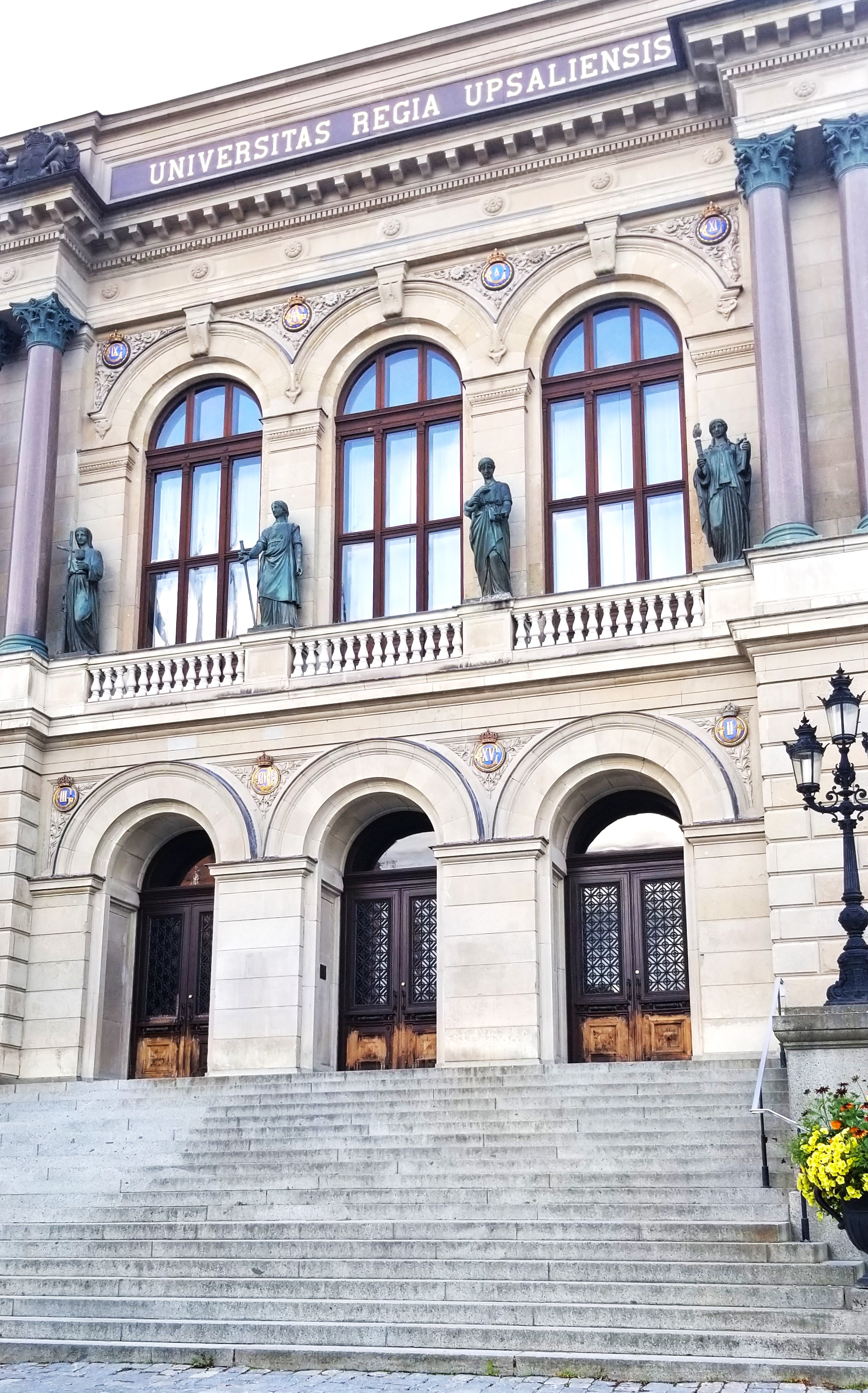
Uppsala is one of Sweden’s largest cities, situated just north of Stockholm. Uppsala University, the oldest in Scandinavia, was founded in 1477, becoming a hub for learning and research.
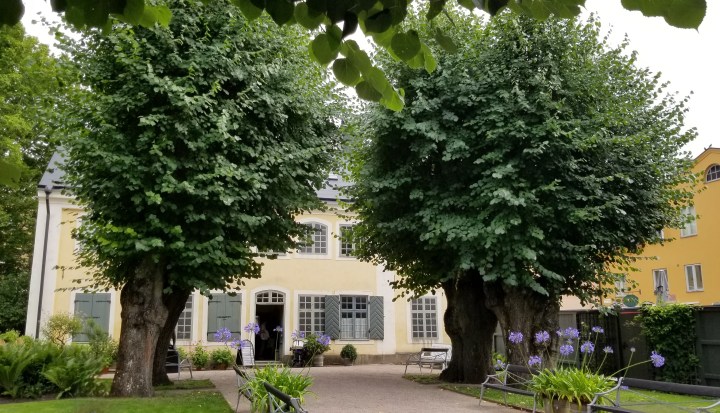
Amongst its most notable scientists are Anders Celsius (November 27, 1701 – April 25, 1744), who specialized in Physics, Astronomy and Mathematics, known for his proposal of a first form of the Centigrade Temperature scale, which now bears his name, and Carl Linnaeus (May 23, 1707 – January 10, 1778), a physician and biologist, best known for creating a binomial system for biological classification and naming, which developed into the format still used today throughout the scientific world. Linnaeus conducted a good part of his academic activities at his official residence in Uppsala, as Botany professor and principal (pictured at the top of this post), which the Swedish Linnaeus Society restored and converted into a museum, opening in 1937 as Linnémuseet (The Linnaeus Museum). The Society collected some of the family’s belongings and items from that era, and fitted the house interiors as they would have looked when Linnaeus and his family lived there:
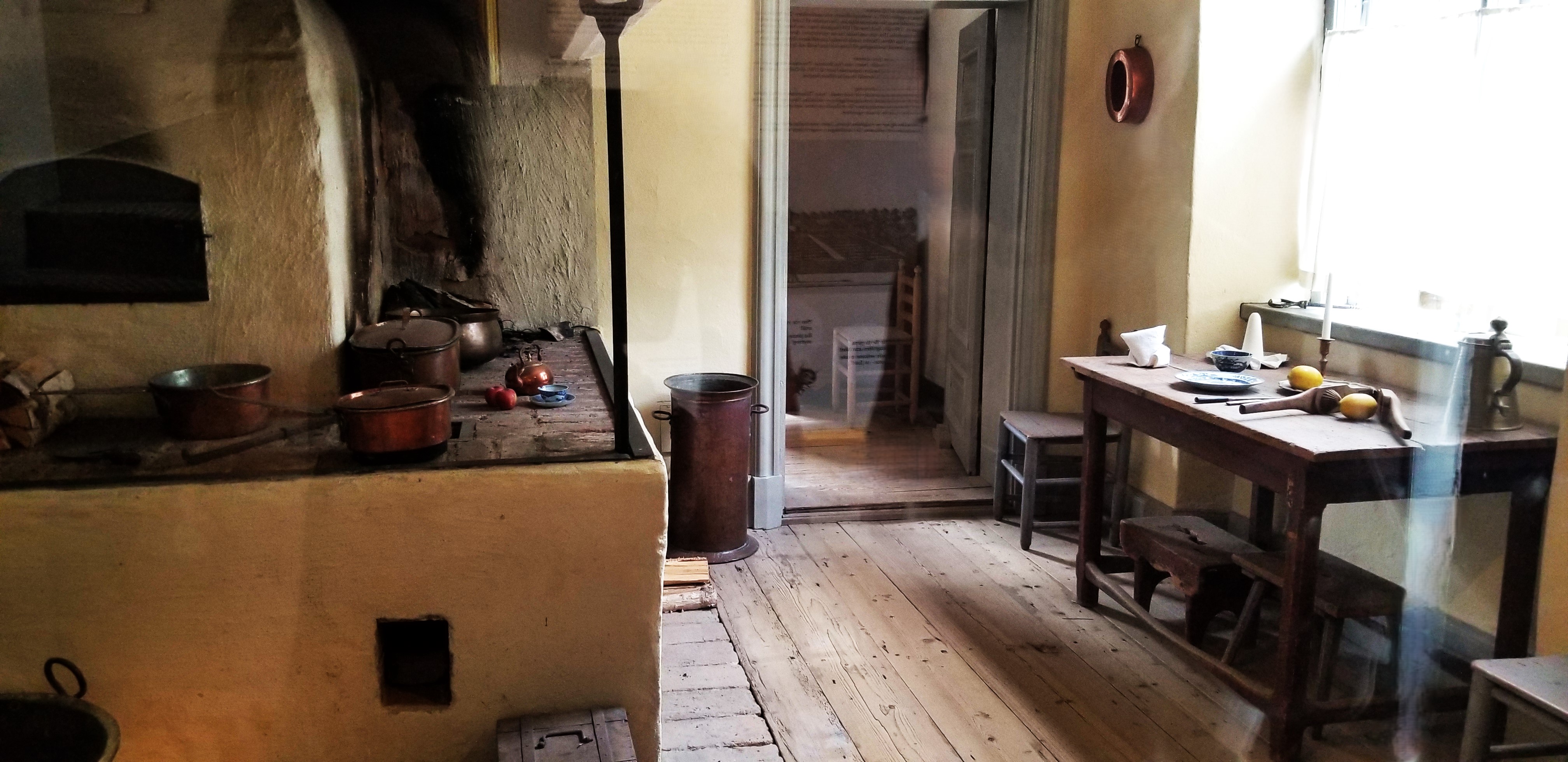

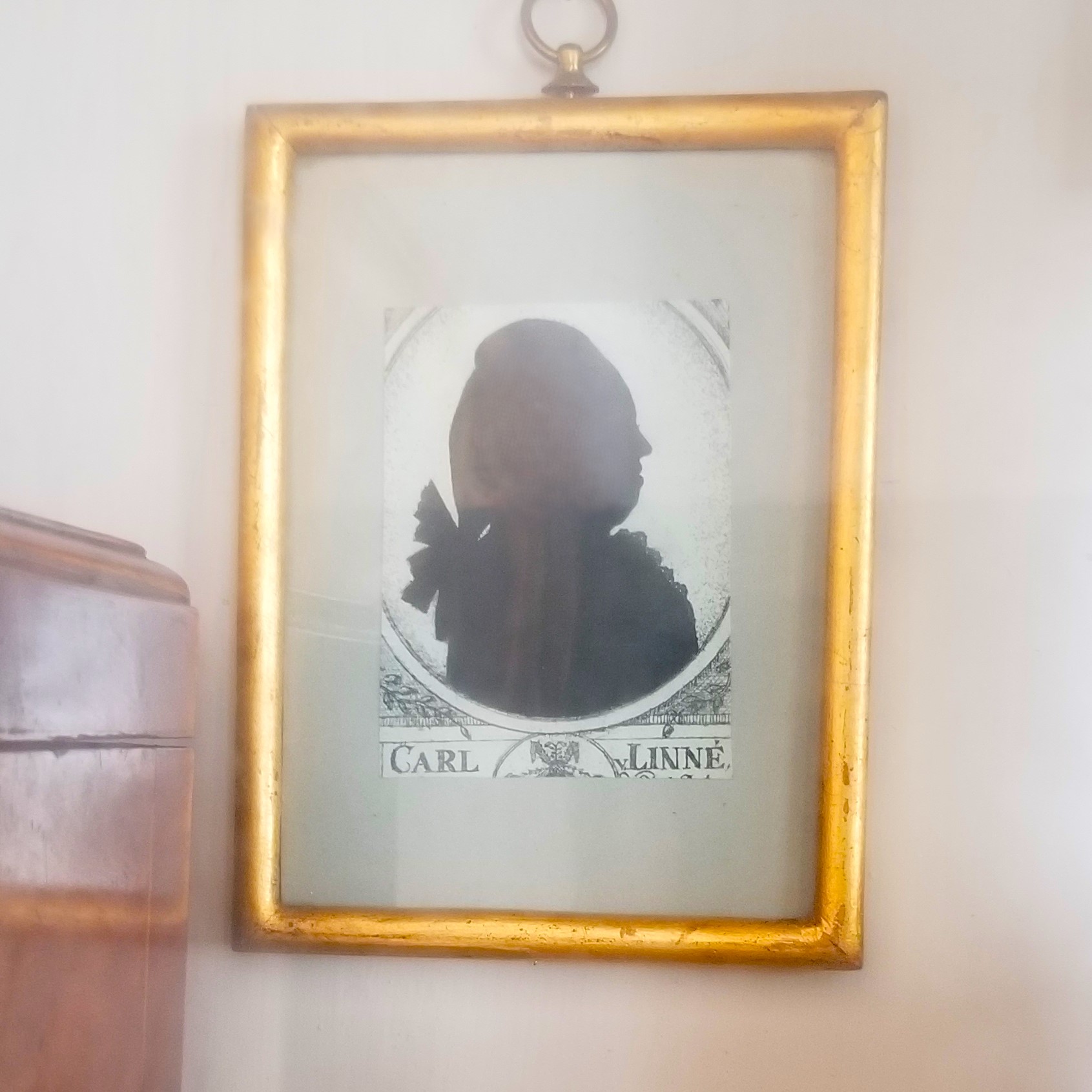
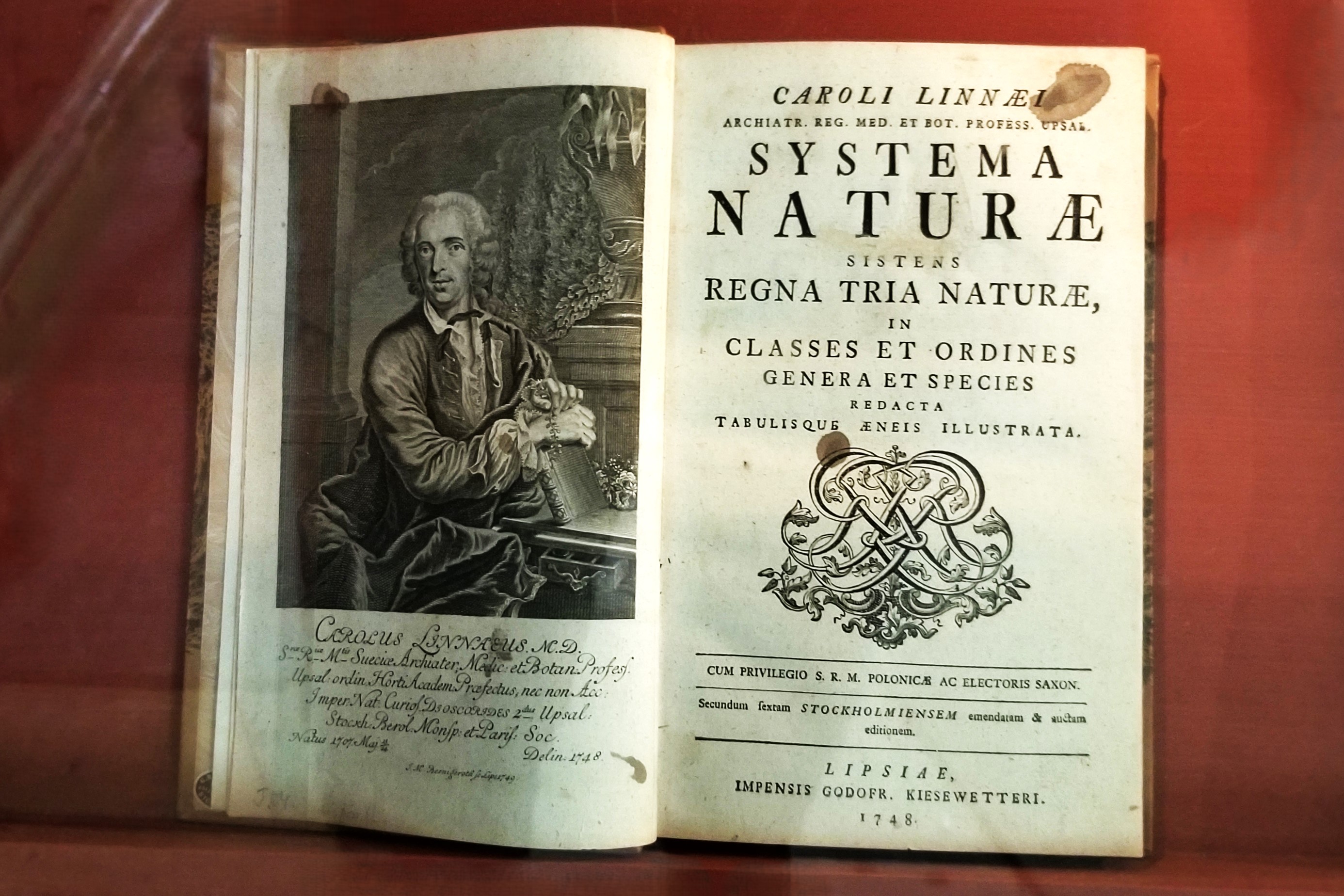
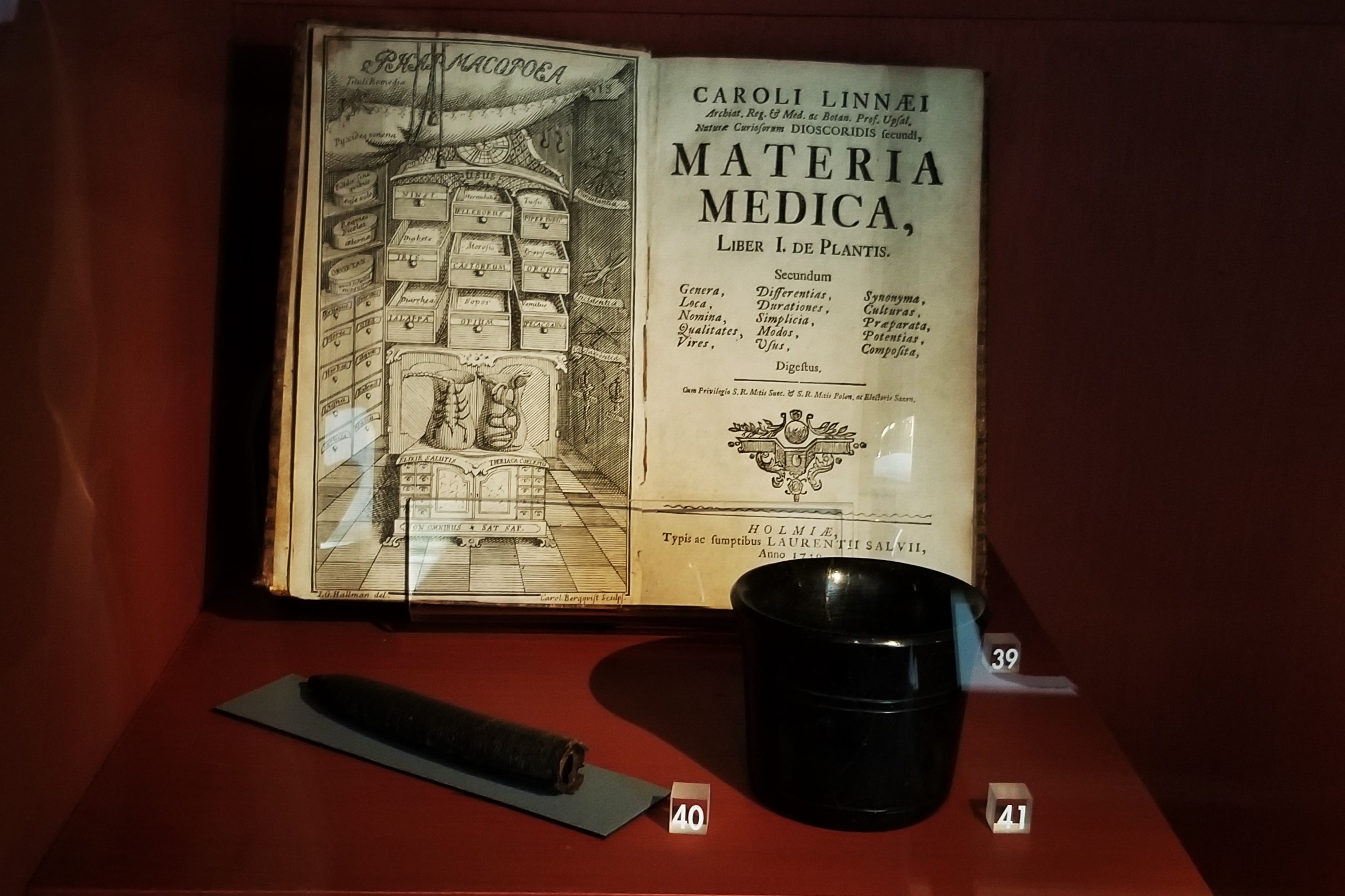
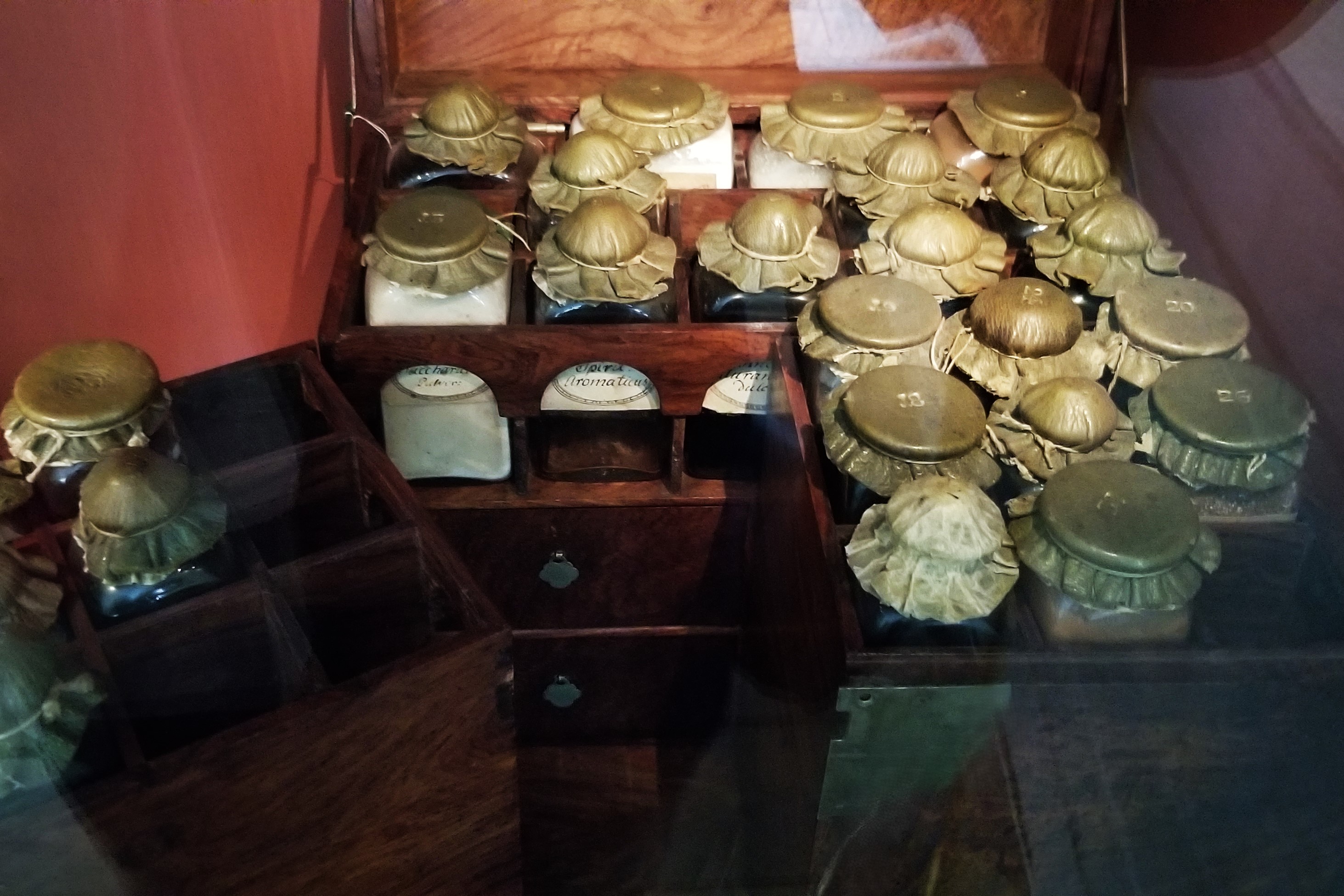
The museum is currently managed by Uppsala University. The property includes the University’s oldest botanical garden, which was restored to be kept to the specifications of Linnaeus’ layout. Some of the species on the museum grounds that caught my attention were:
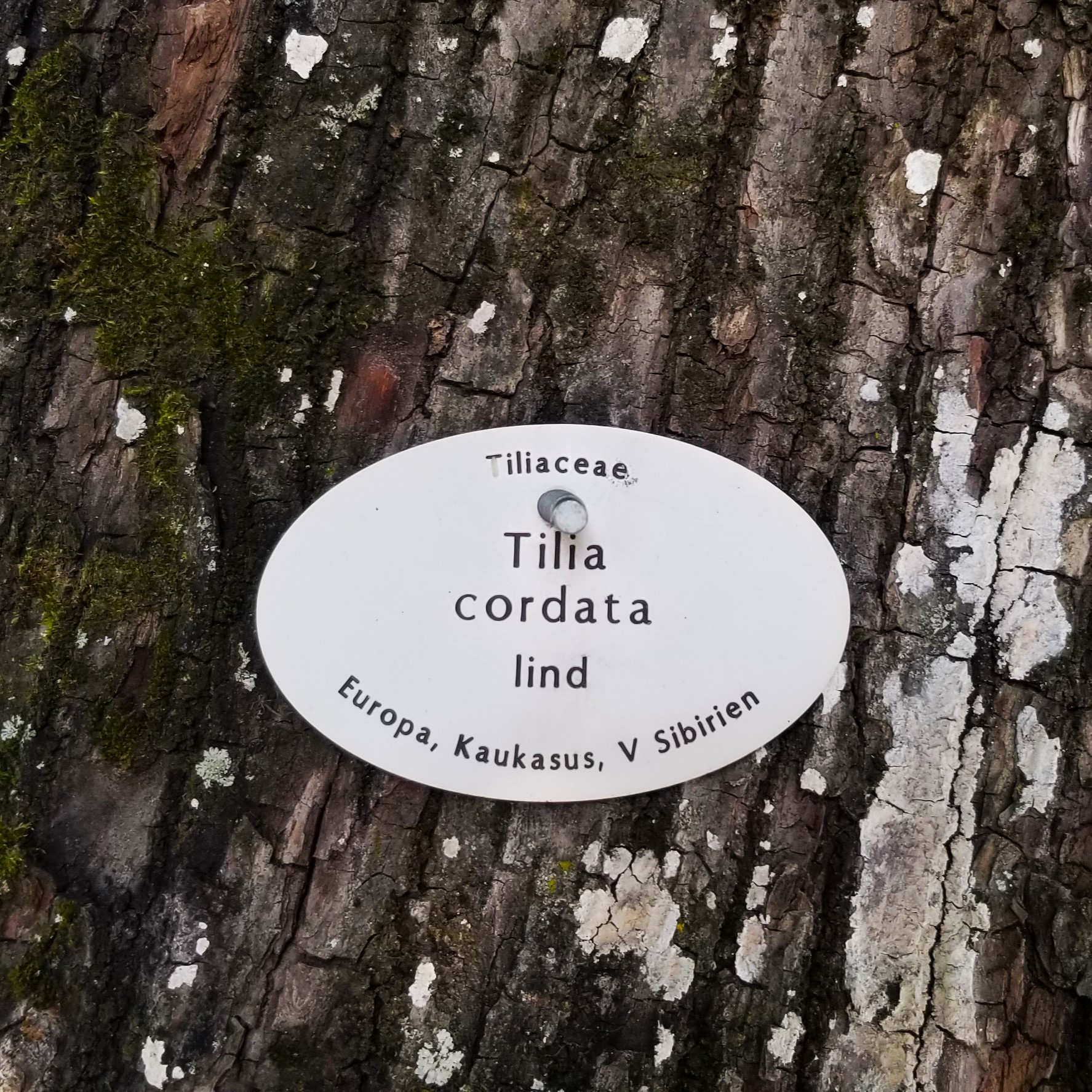
Linden Trees (Tilia cordata) – a species of deciduous trees, native to most of Europe, as seen at the top of this post in front of the Linnaeus house, and identified as seen below:
Linden trees are of particular interest regarding the Linneaus family name. Carl’s father was born with the name Nicolaus (Nils) Ingemarsson, whose last name was literally taken from his father, Ingemar, in the old patronymic Scandinavian tradition to adopt the father’s name as a last name, i.e, Ingemarsson – son of Ingemar. Nils decided to end the tradition when he started his university studies, and adopt a family name that would remain the same throughout generations, and was inspired by a linden tree growing nearby the family house. The linden trees seen on the front courtyard of the museum were not there during Carl Linnaeus’ tenure, but they are still pretty old, dating from the 19th century.
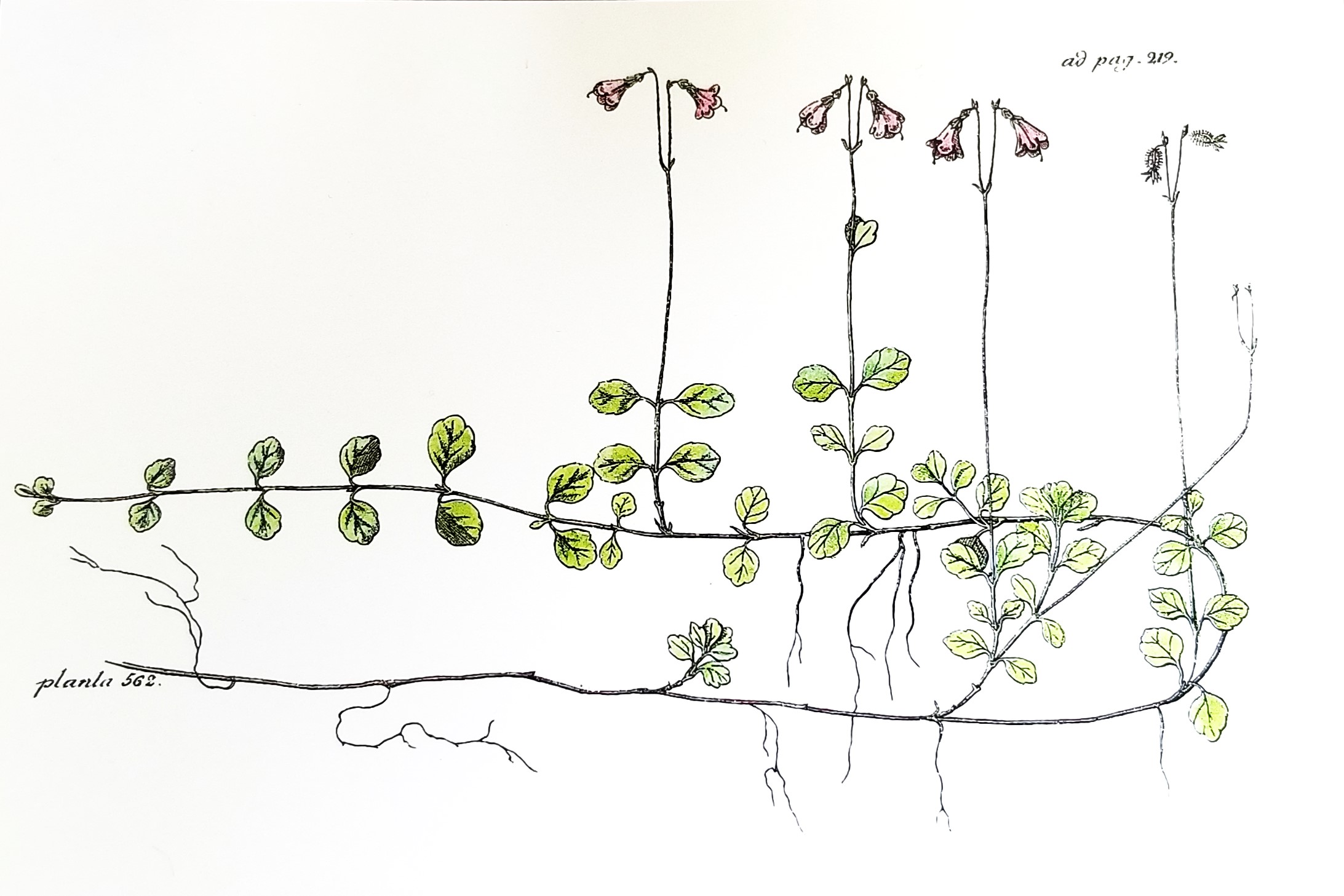
Twinflowers – Linnaeus’ favourite plant, chosen as his personal symbol, and which at his suggestion, was named Linnaea borealis by Jan Frederik Gronovius, a Dutch botanist and Linnaeus’ patron. The plant receives its common name from the bell-shaped flowers that shoot in pairs from a trail of small rounded leaves, as seen in the photo below, of an illustration from Linnaeus’ Flora Svecica, the first full account of the plants growing in Sweden:
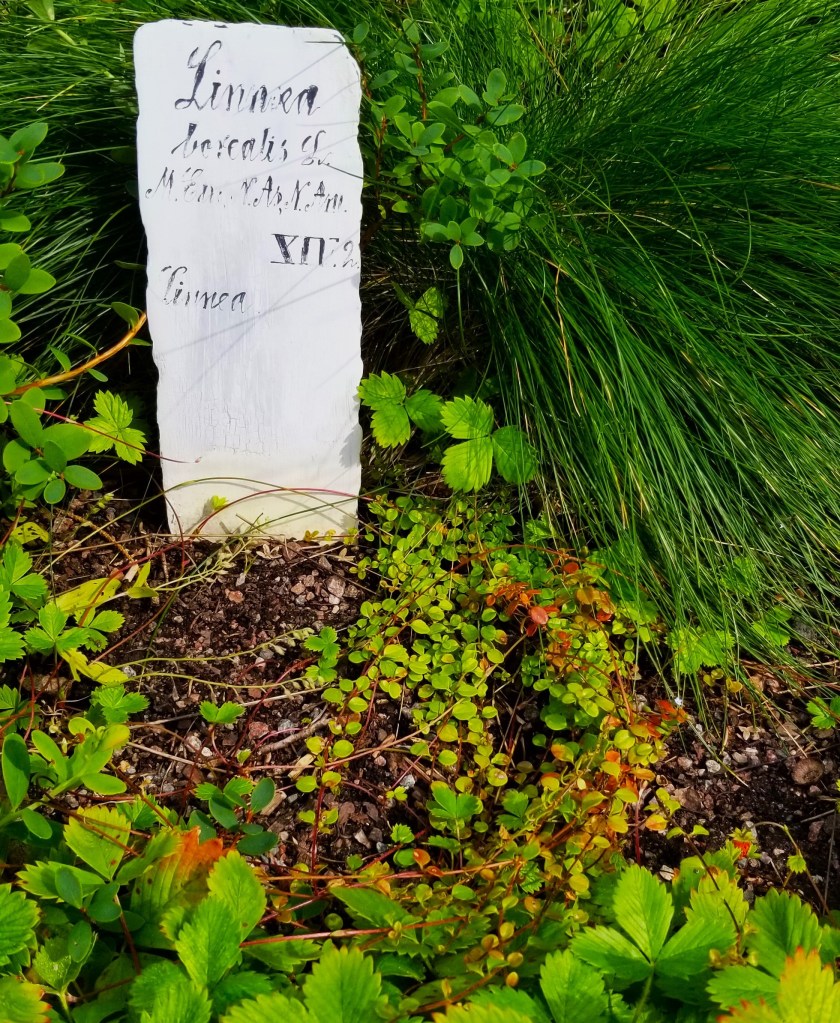
Twinflowers are native to cold regions, where they thrive in the wild; the garden in Uppsala keeps the plant as Linnaeus did, but there, it is always struggling, and needs constant attention to survive:
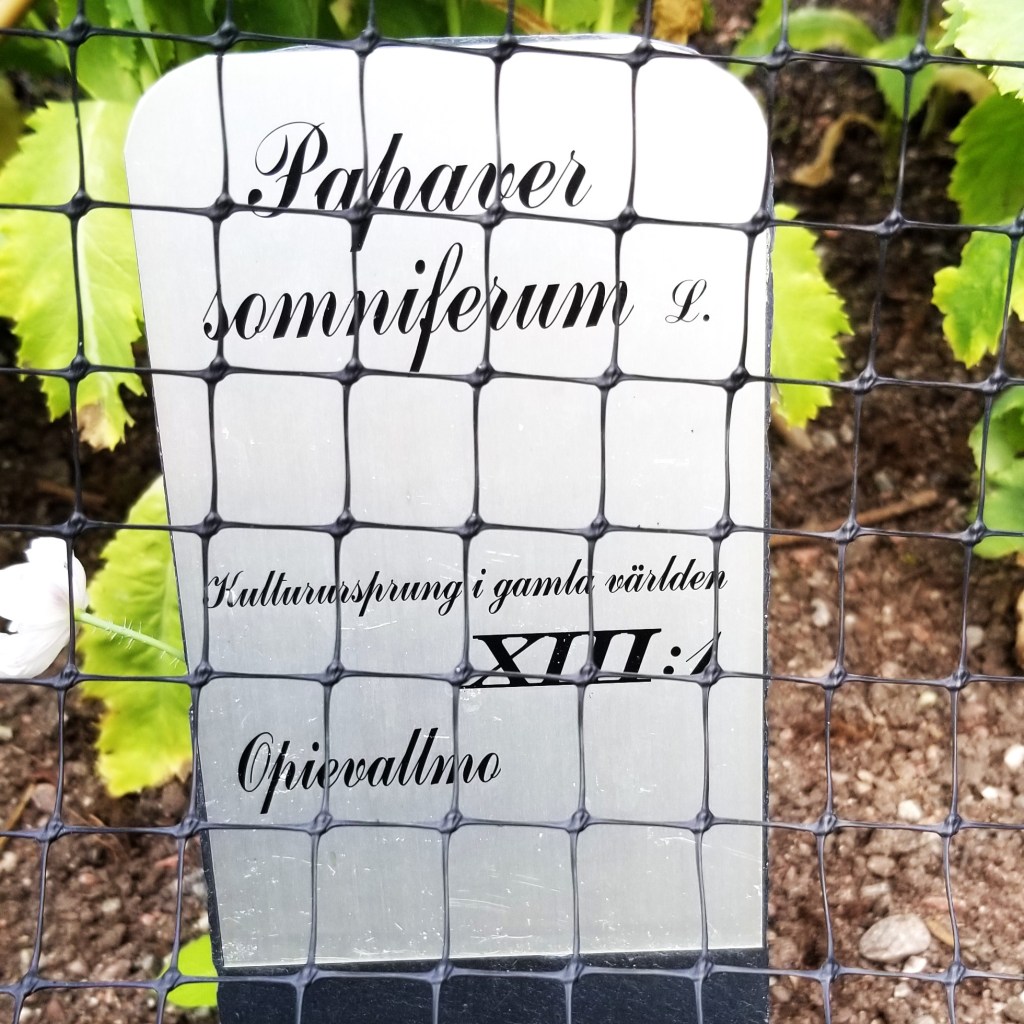
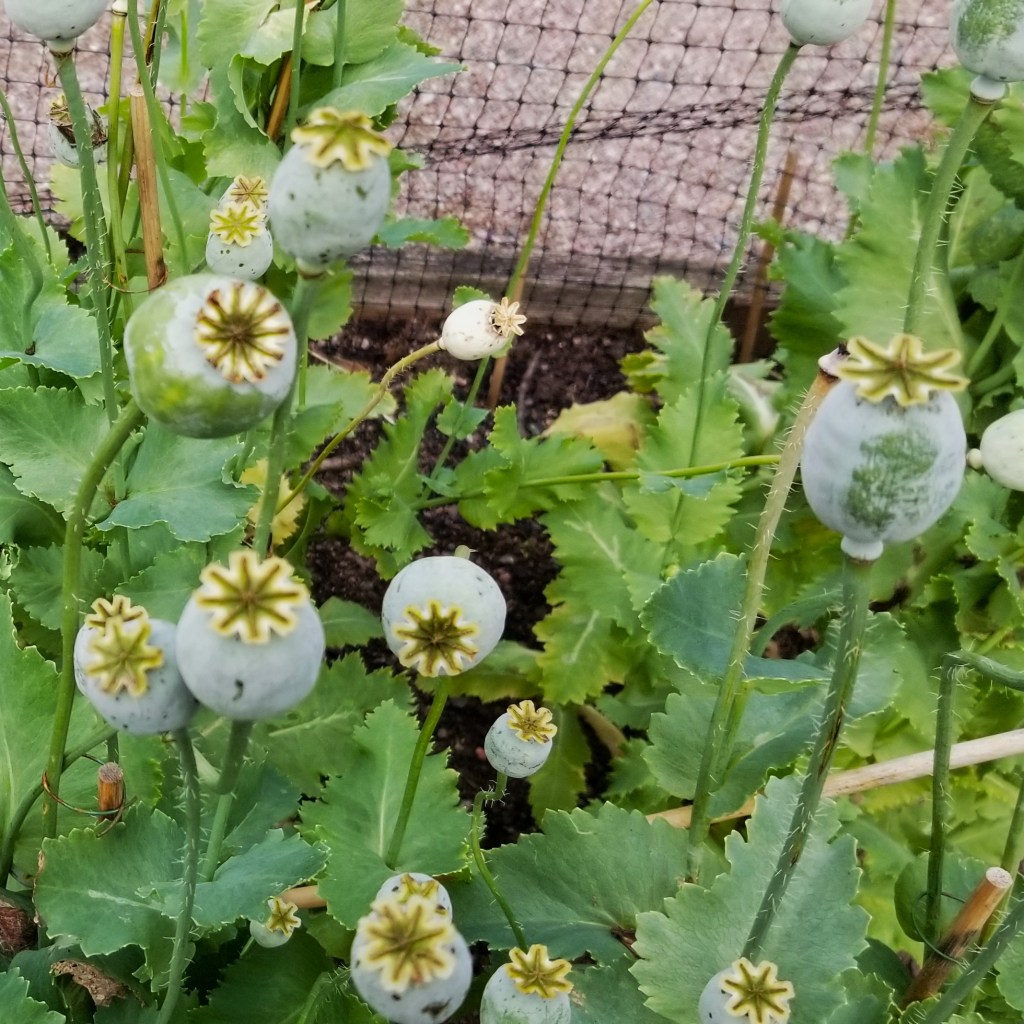
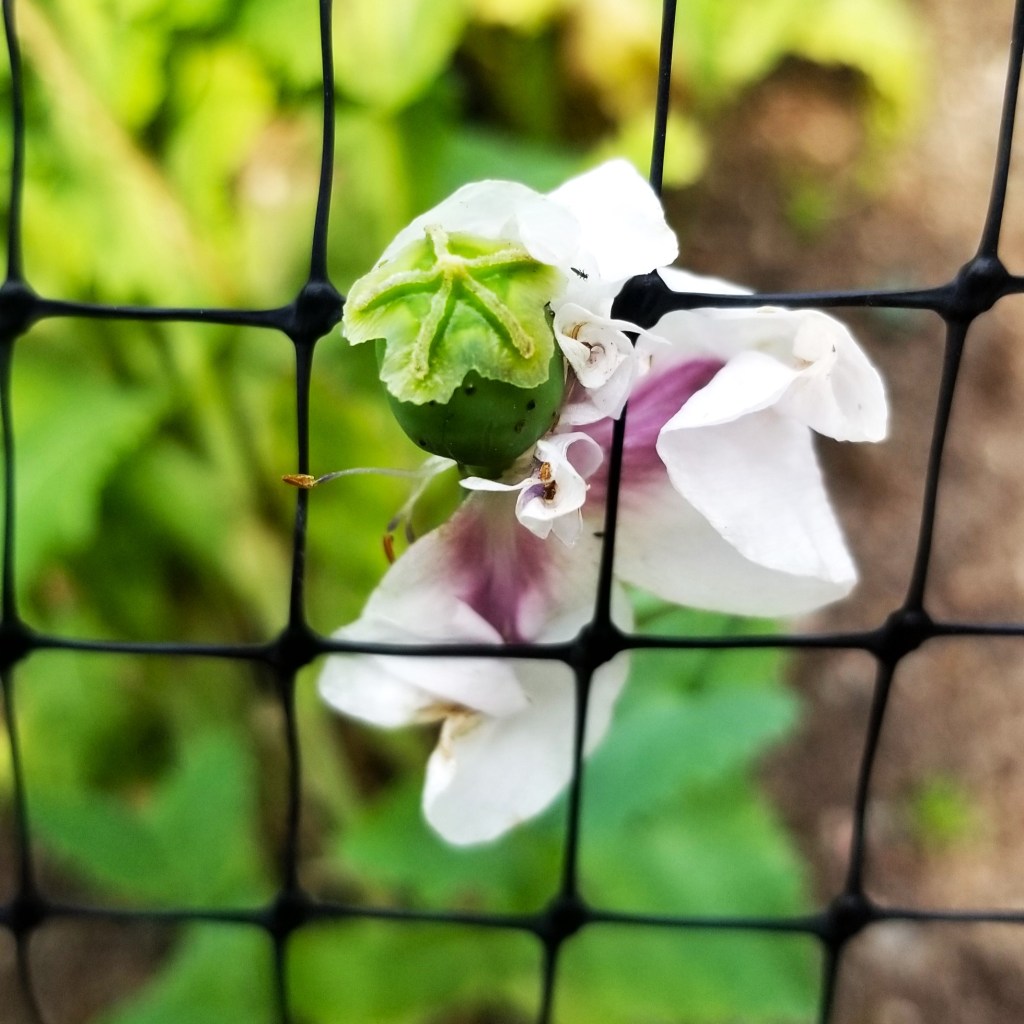
Opium Poppy (Papaver somniferum) – The seed capsules of this flowering plant produce a powerful narcotic; Linnaeus grew it in his garden to use in his practice as a physician. Some derivatives of opium are morphine, codeine, heroin, and oxycodone. Slide show below:
I was surprised to see several plants native to Latin America, which were named by Linnaeus; amongst them:
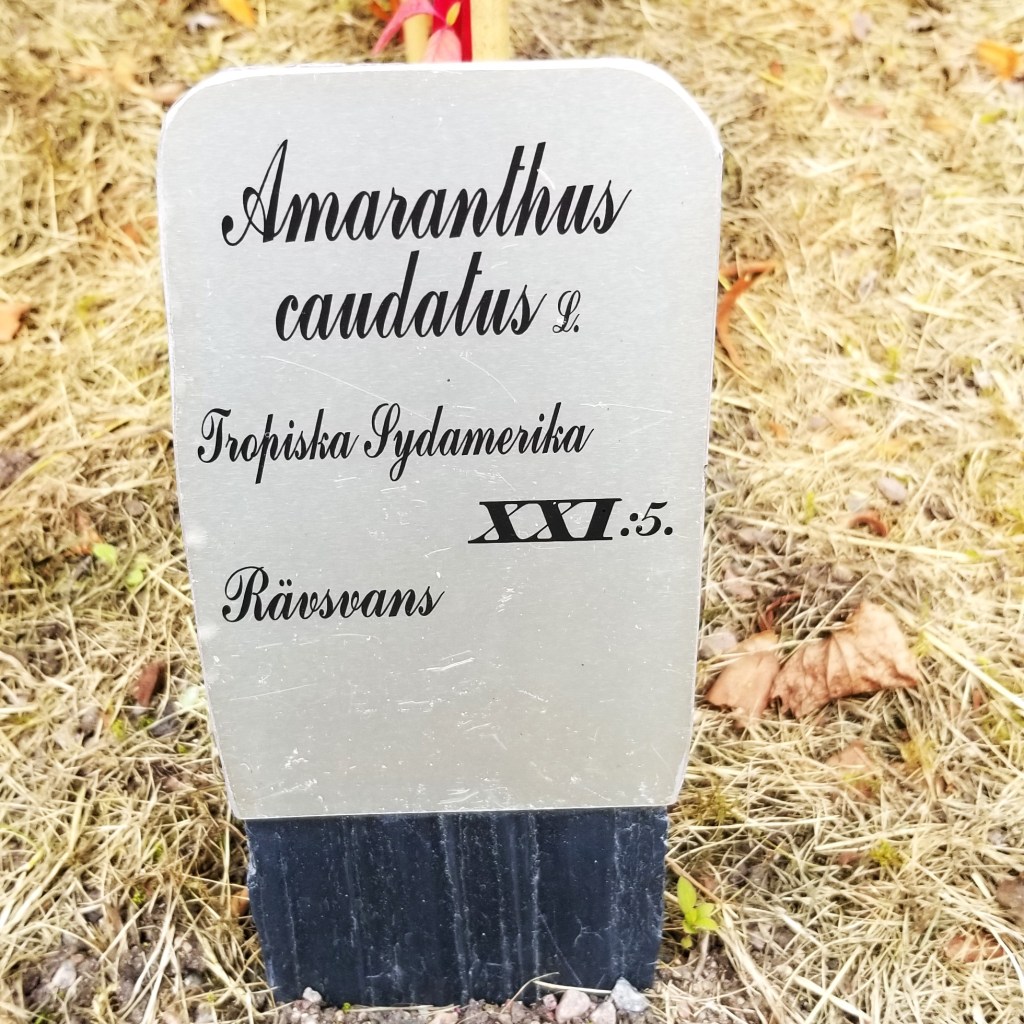
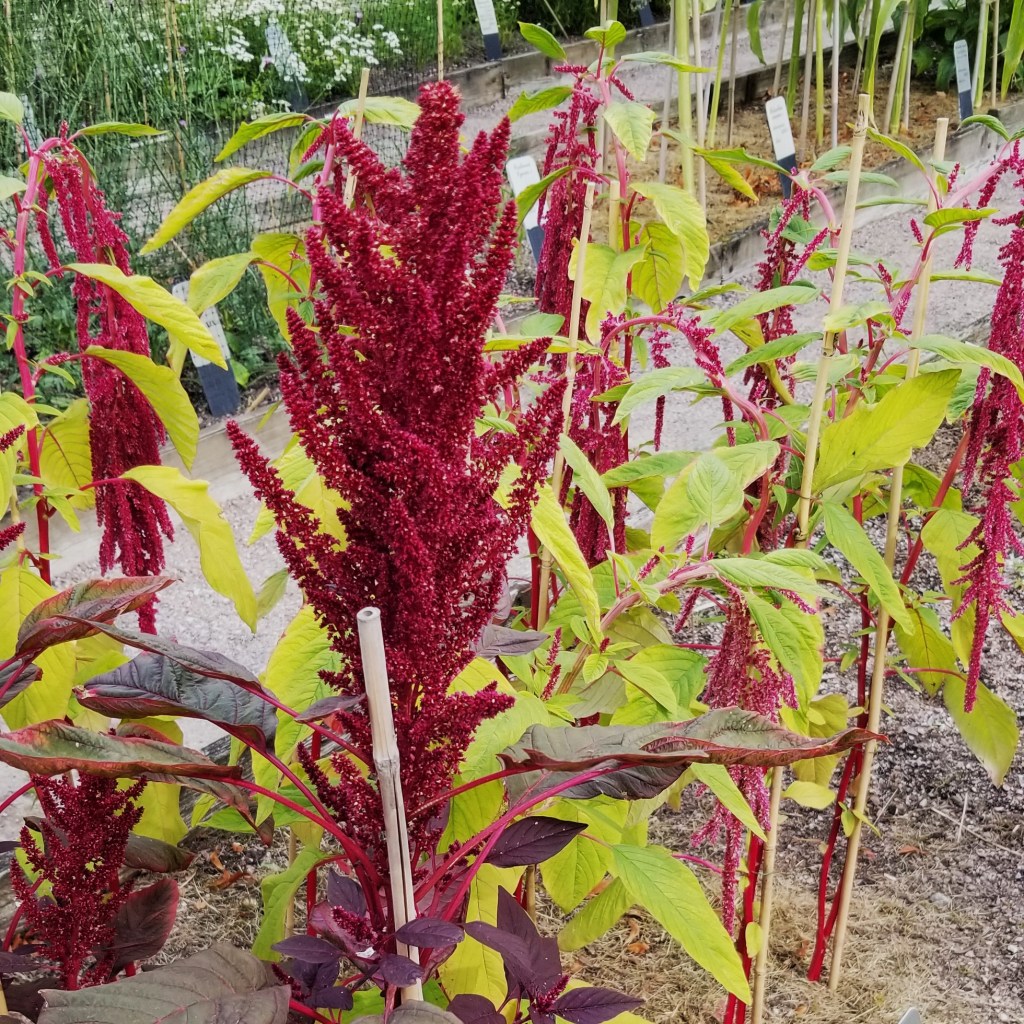
Amaranth (Amaranthus caudutus) – cultivated since pre-Hispanic times by the Inca (Peru), Mayan and Aztec (Mexico) as a staple pseudo-grain, as a powerful food, and also used in ceremonial context. I have cultivated another type of amaranth in my backyard, as pretty as the one shown below from the Linnaeus garden:
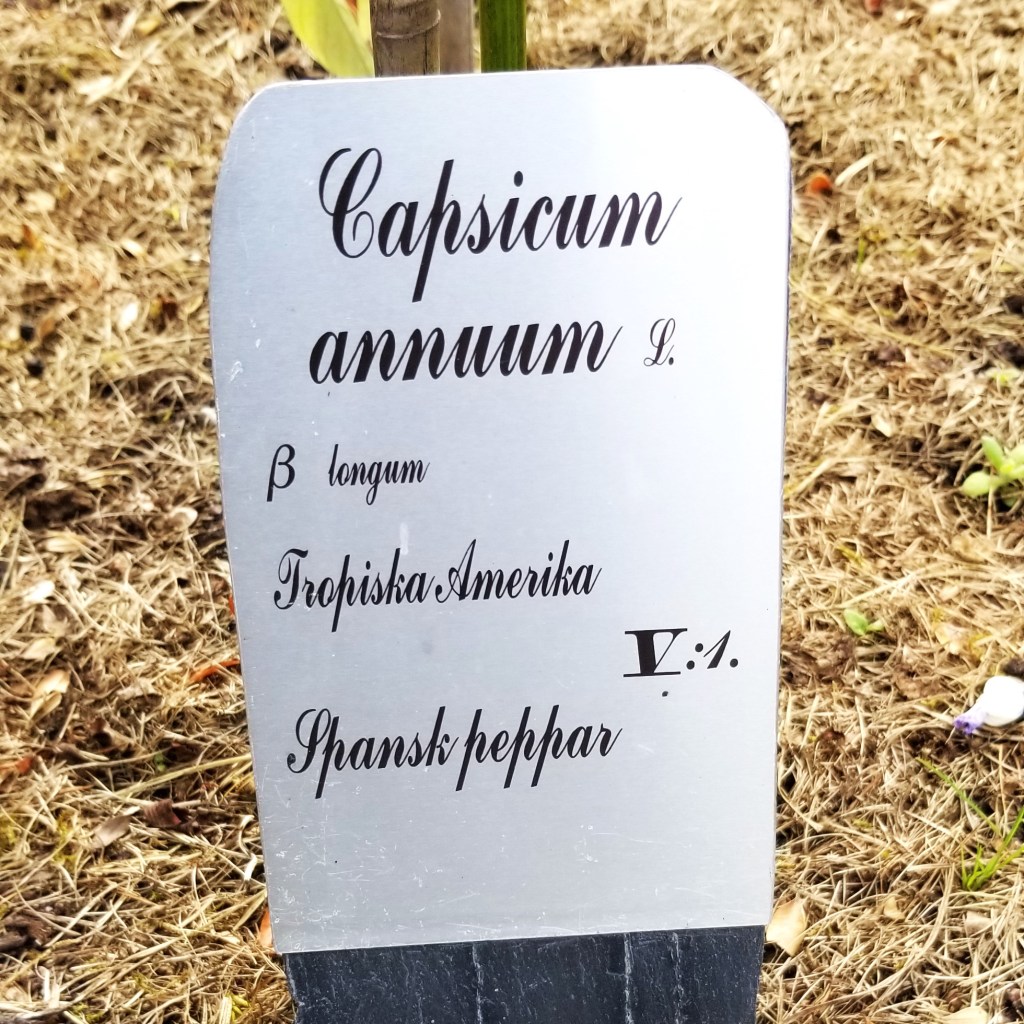
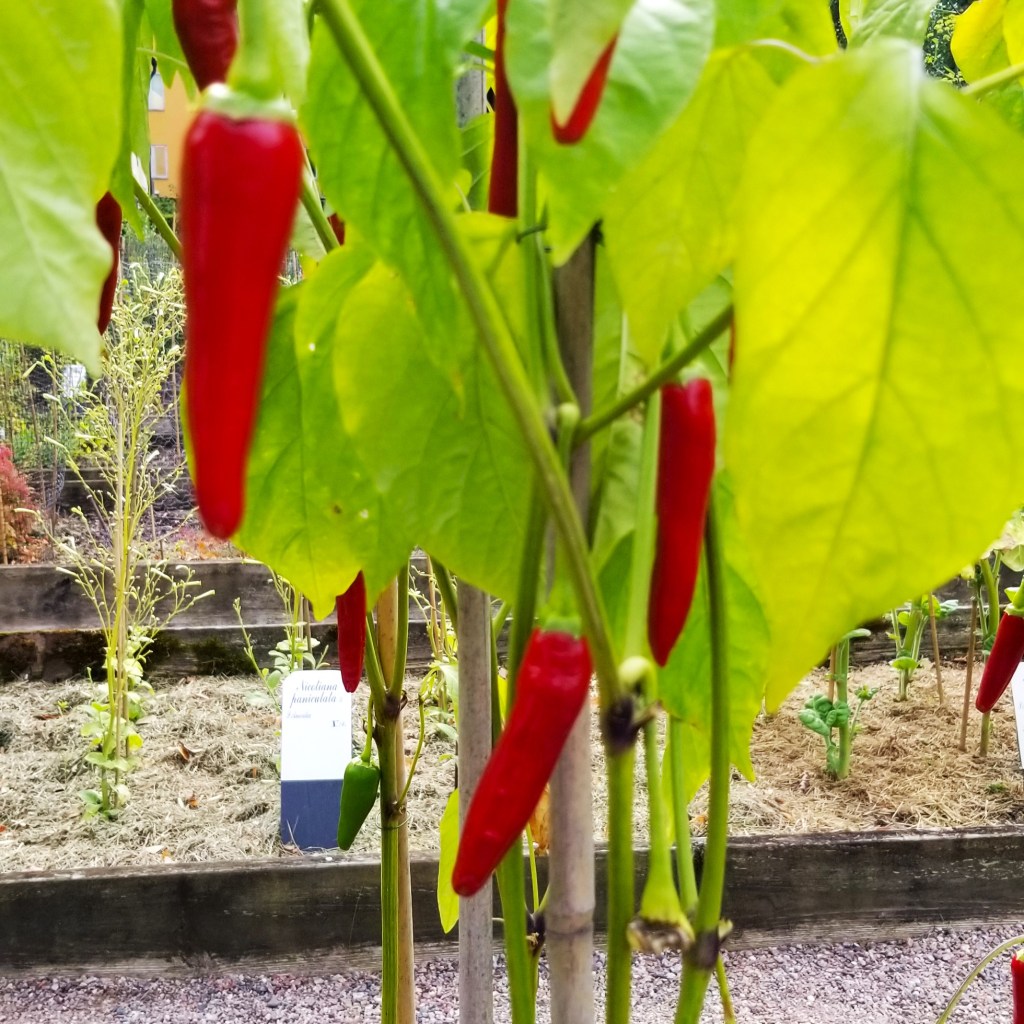
Peppers (Capsicum annuum) – plants of the solanaceae family, with an immense variety of fruits, mild to very spicy hot, from green to red, brown or even black. In the Linnaeus garden, I saw this variety with mature peppers, which had already turned red:
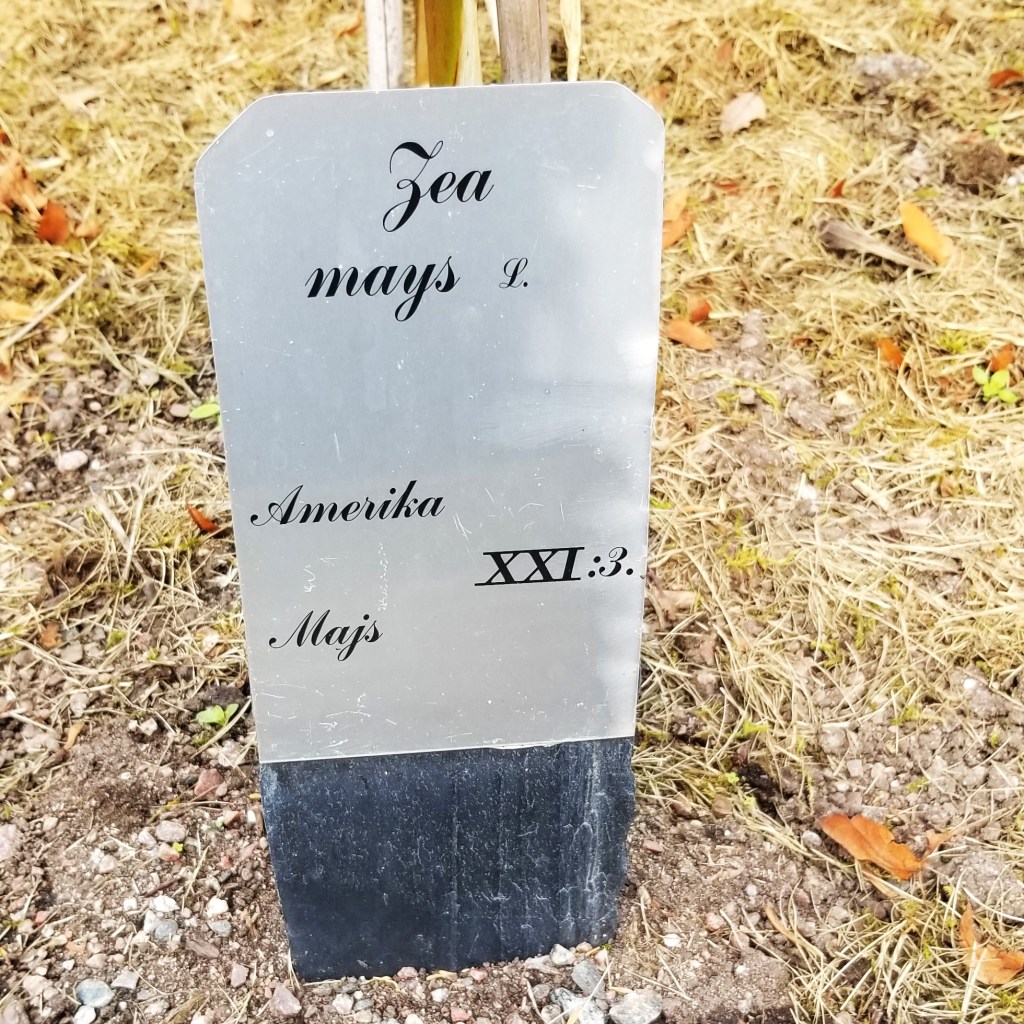
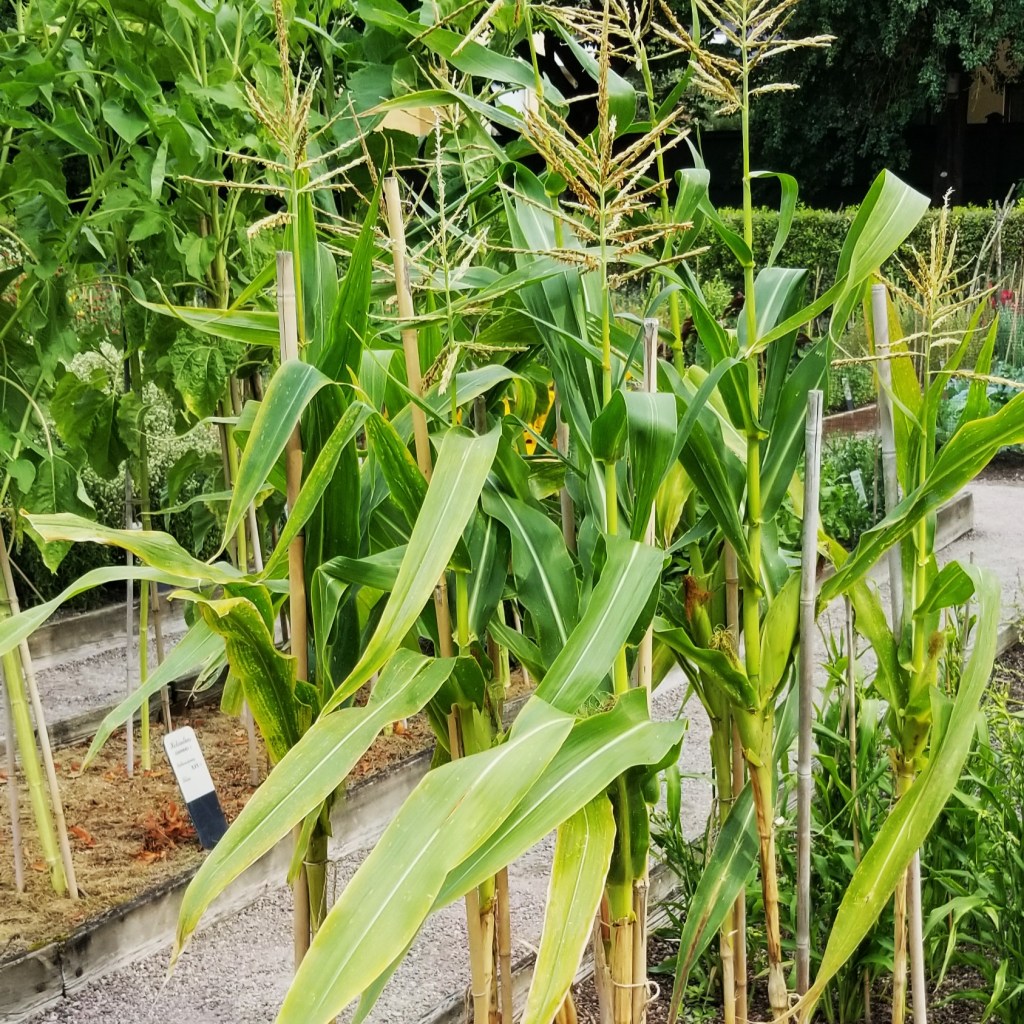
Corn/Maize (Zea mays) – staple grain in Mexico since ancient times, domesticated more than 9,000 years ago:
FUN FACT: In addition to the Celsius temperature scale, and the binomial classification of species, Sweden may be accredited for some innovative global brands, such as H&M, IKEA, Spotify, Volvo, and the Nobel Prize.
I am joining Six on Saturday for August 31, 2024, hosted by Jim Stephens @ Garden Ruminations.



 My Slice of Mexico
What a fabulous place to visit! I would enjoy visiting the home of Linnaeus and the gardens. Very cool.
LikeLike
I know, right? I was like a teenager at a rock concert 😂
LikeLiked by 1 person