It has been so much fun talking about traditional dishes inspired by Mexico’s matches in the FIFA World Cup 2026. For stories and recipes from the first stage and 32 knockout round, check out my posts:
FIFA World Cup 2026 – Mexico vs South Africa – Fried Breads – Mexico started in Group A with South Africa, Korea Republic and Czechia, and its first match took place in Mexico City (CDMX), on June 11, against South Africa; for that match, I chose fried breads from each country. The final score for that game was Mexico 2 – South Africa 0, a win for Mexico on the field, but both nations standing equal in terms of their street food and fried breads.
FIFA World Cup 2026 – Mexico vs Korea Republic – Pork Belly Wraps – On June 18, Mexico’s second match against Korea Republic in the city of Guadalajara resulted in a final score of Mexico 1 – Korea Republic 0; I chose pork belly wraps, made with lettuce and other fresh greens in Korean ssam, while in Mexico, corn tortillas are used to prepare tacos.
FIFA World Cup 2026 – Mexico vs Czechia – Pickled Sausages – The third and final game of the first stage was between Mexico and Czechia, back in the Azteca Stadium, on June 24 at 9 pm EDT. For this match, I chose pickled sausages, marinated in a brine of vinegar, with herbs and spices, usually bay leaves, mustard seed, peppercorns, and salt and sugar for Czechia (called Utopenci – “drowning men”) and the Mexican counterpart, Salchichas Coctel Picositas con Limón – Spicy Cocktail Sausages with Lime, which are small sausages marinated in lime juice, along with chopped green onions and serrano peppers. Team Mexico (“El Tri”) continued their winning streak with a final score of 3-0.
FIFA World Cup 2026 – Mexico vs Ecuador – Potato Patties – These standings placed Mexico in first place of Group A for the 32 Knockout Round. On Tuesday, June 30, 2026, playing against Ecuador. The two countries have many common elements in culture and cuisines, since they are both Latin American countries and both have a vibrant population of indigenous origin, descendants of Spanish conquerors and settlers, and mestizos (mixed background). An everyday dish that got my attention, common to both countries, was potato patties. Mexico is going to the round of 16 with a perfect score of four wins, after this match resulted in a final score of 2-0.
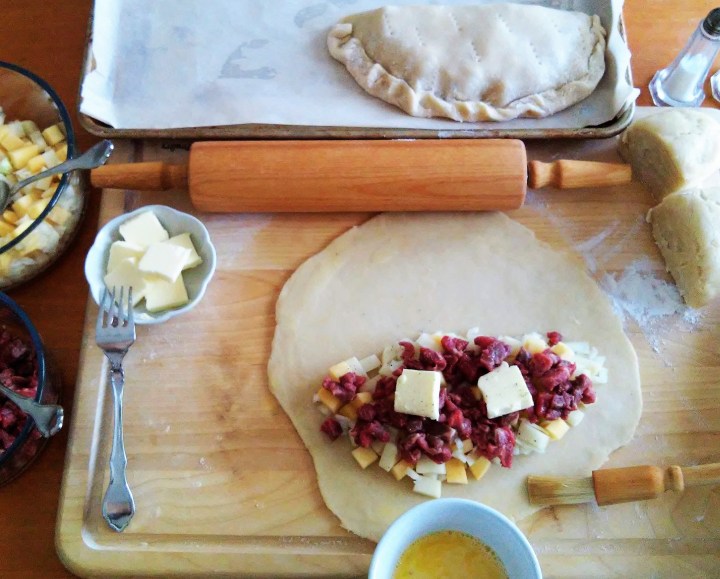
For the round of 16, Mexico will play against England in Mexico City, on Sunday, July 5 at 8 pm EDT. Team Mexico will have the advantage of playing in home turf, with the support of many of their fans, but it will be no picnic to defeat England. Interestingly enough, Mexico’s passion for football came from England, along with modern mining techniques, and … meat patties! For the duration of the World Cup, I have been featuring that story at the top of my blog roll, which includes recipes for the original Cornish pasty (rhymes with “nasty”) and the Mexican paste (sounds like “past-eh”).
This story starts with Mexico becoming an independent country in 1821; after a cruel war that lasted ten years, a lot of its infrastructure was in deplorable conditions. Out of fear of an economic impact too great to overcome alone, the new Mexican government allowed foreign companies to make repairs and exploit natural resources in the country. The silver mining sites in Real del Monte and near Pachuca, in the state of Hidalgo, were bought by English investors, who recruited a large number of miners and engineers from Cornwall, in the Southern end of the British Isles. With their modern technology, they drained, cleaned and updated the silver mines. By the 1840s, there were hundreds of English nationals in the area, and many decided to stay. They became an important sector of the community: a Methodist church was built at the turn of the 20th century; there is an English cemetery; and today, some English last names are still common in Pachuca and Real del Monte. On their free time, amongst other things, they played football (soccer), which was promptly adopted by the locals; in fact, Mexico’s first organized “fútbol” team was Club Pachuca, and the city hosted Mexico’s first international match in 1902. They also brought ingredients for their food, unknown in Mexico at the time, such as nabos suecos (Swedish turnips, also known as swede or rutabaga) for their Cornish pasty. This baked dough pocket filled with meat and vegetables was very popular amongst the miners, for its portability and calorie content. Pasties became so ingrained in Real del Monte’s traditions, that they got their own name in Spanish – pastes. There is also an annual pastes fair, and in 2009, the Museo del Paste (the Pasties Museum) opened its doors, where visitors learn about the history of the pasties in Hidalgo, and they get to bake their own. Real del Monte even hosted the then Duchess of Cornwall Camilla, and Prince of Wales Charles in 2014.
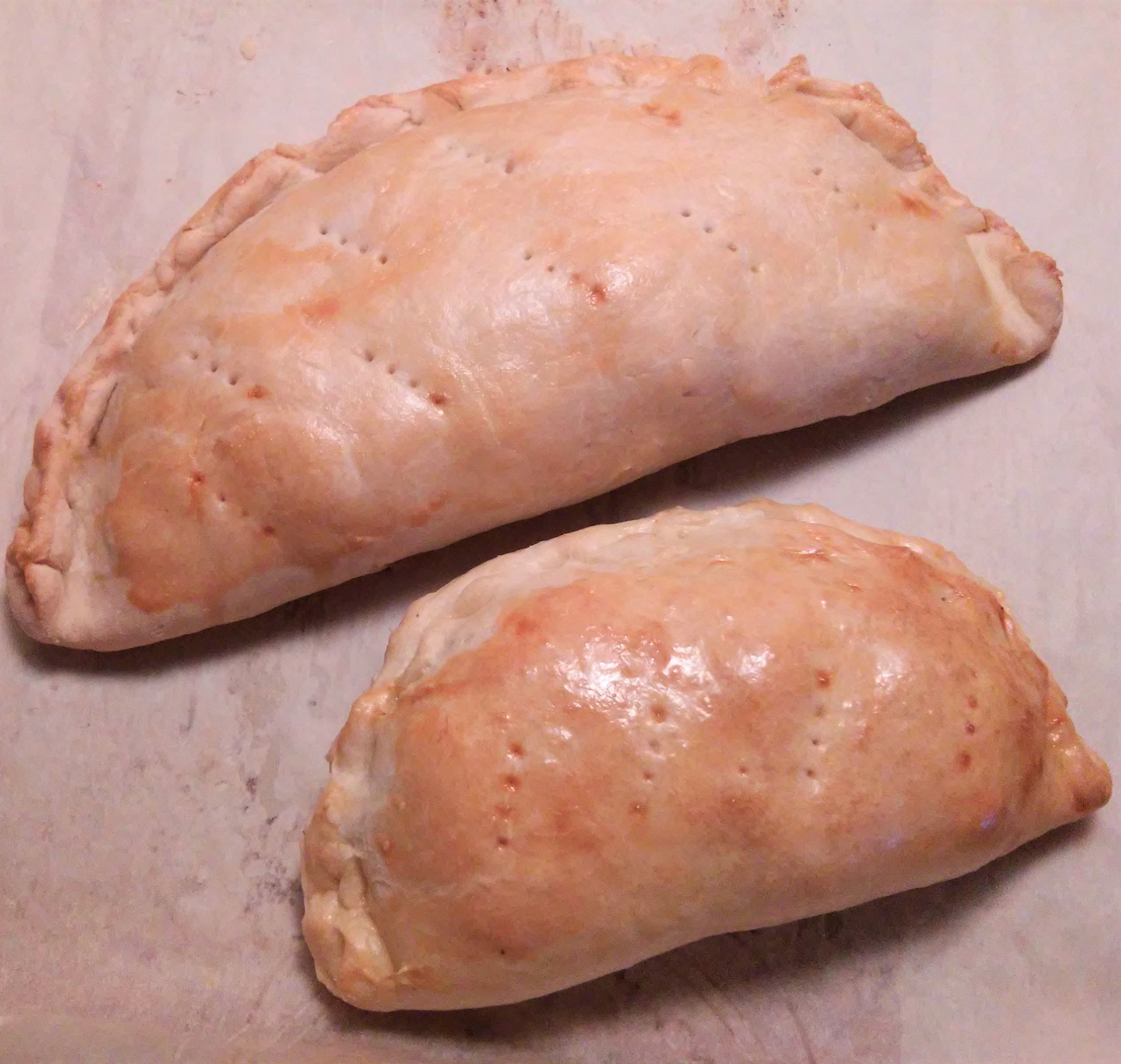
I found that the main difference between the two patties is in the pastry and the size, the Mexican version (photo below, bottom) being lighter and smaller than the ones that came from England (top):
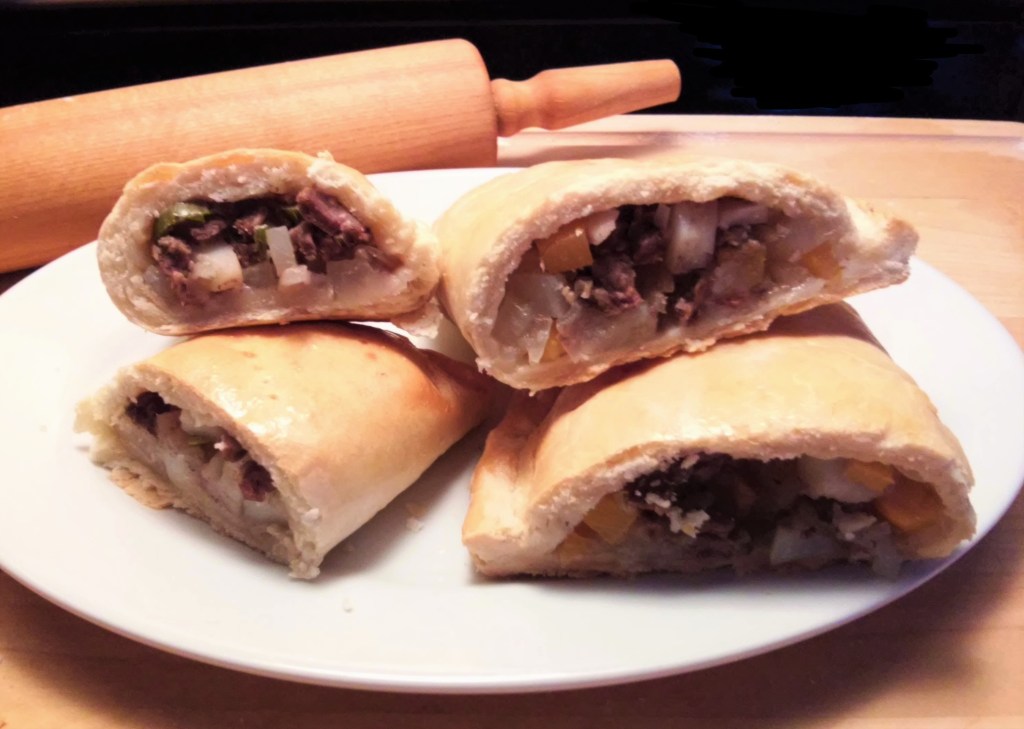
The filling remained the same, although some Mexican recipes omit the rutabaga, and most call for hot peppers, which add a Mexican touch (photo below, left):
For a full story and detailed recipes for both types of patties, check out my post: Of Mining, Soccer and Patties.
A complete schedule of football matches may be found at the official FIFA World Cup 2026 website.
I am sharing my post at Thursday Favourite Things #766, with Pam @ Artful Analog, Katherine @ Katherine’s Corner, Amber @ Follow the Yellow Brick Home.
I am bringing my recipes to Full Plate Thursday #801 with Miz Helen @ Miz Helen’s Country Cottage.
I am joining Fiesta Friday #648 with Angie @ Fiesta Friday.




 My Slice of Mexico
One thought on “FIFA World Cup 2026 – Mexico vs England – Meat Patties”