
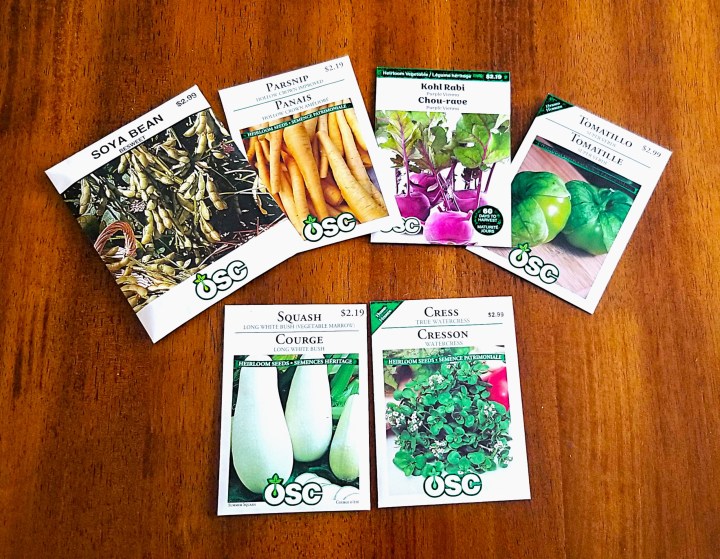
I ordered six packets of seed for the 2025 growing season, as seen above. OSC is short for Ontario Seed Company, founded over 125 years ago in Waterloo, ON; they still maintain their presence in Uptown Waterloo with a retail store, and ship their seed packets to all of Canada from their Kitchener facility. I like this company because we share the same gardening zone, and it is the closest to buying local that I can get. Their prices have remained very reasonable, as well.
The first four of these 2025 seeds have been return crops in my garden for a while, but I wanted to re-start with bought seed this year, to try new varieties, as my saved seed from previous crops ran out, or was getting weak. The last two veggies are not strangers in my kitchen, but will be the first time I try to grow them in my backyard:
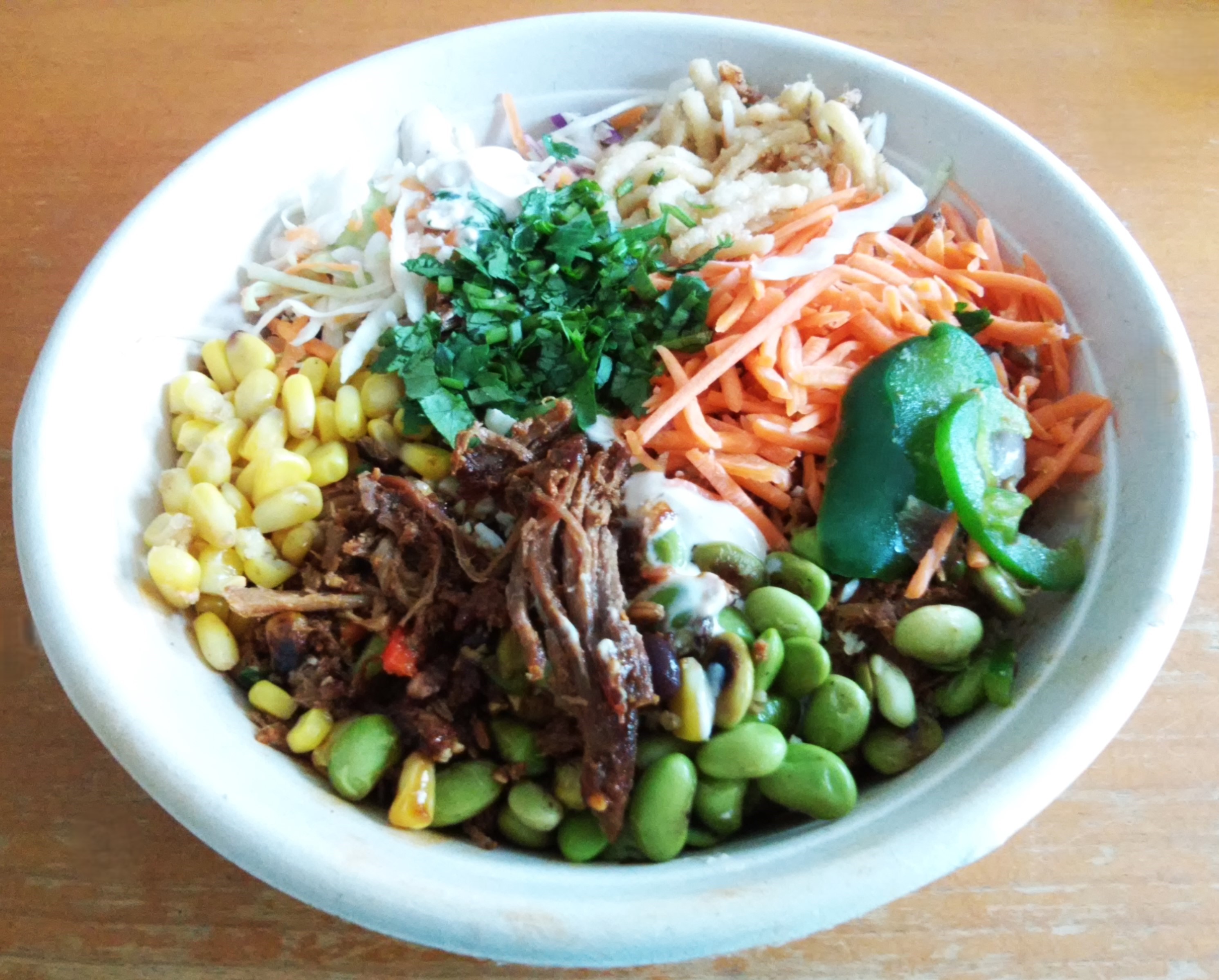
1) Edamame (Glycine max) – These green soy beans originated in Japan; I grow them in my backyard almost every year, but because they were unknown outside of Asia until a few decades ago, I do not have any posts dedicated to them on my blog. If I have a favourable crop this year, I might try a fusion recipe, like this take-out mixed bowl with edamame (my table, 2018):
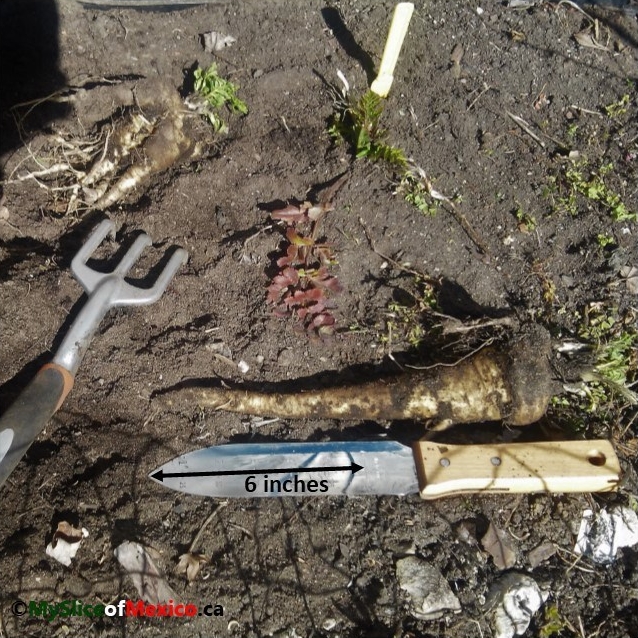
2) Parsnips (Pastinaca sativa) – They are tuberous roots from the same botanical family as carrots, with cream-coloured skin and flesh, and a biennial (two-year) life cycle. Parsnip seed is a great example of what not to order too soon; having a one-season viability, and a percentage of germination of about 60%, it is better to buy the seed as close to sowing time as possible. Over the years, I have had good parsnip harvests (photo below, left, from 2018 ), and I have saved seed from second-year plants in my backyard (photo below, right, also from 2018):
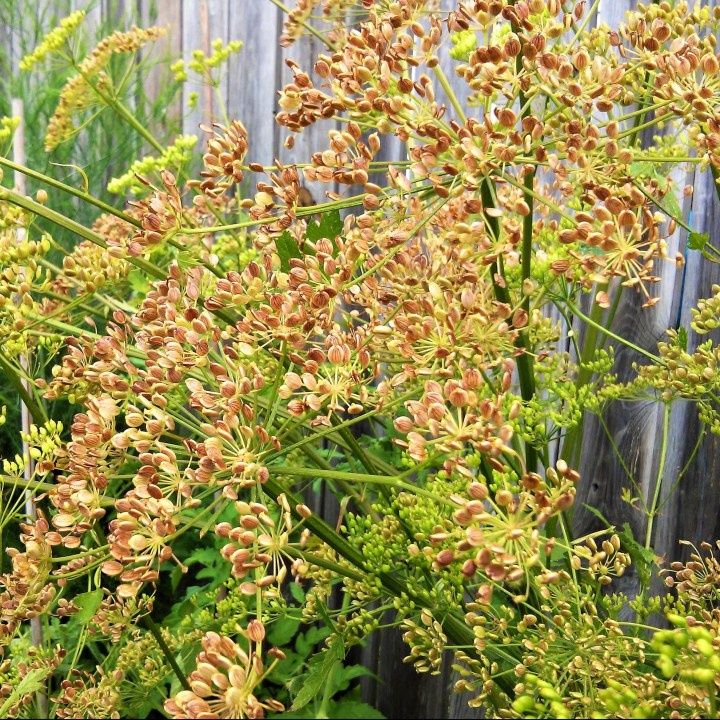
Due to neglect, though, I did not harvest any last season, so that is why I will start from square one again this spring.
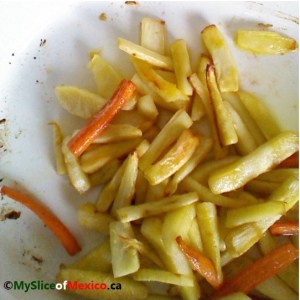
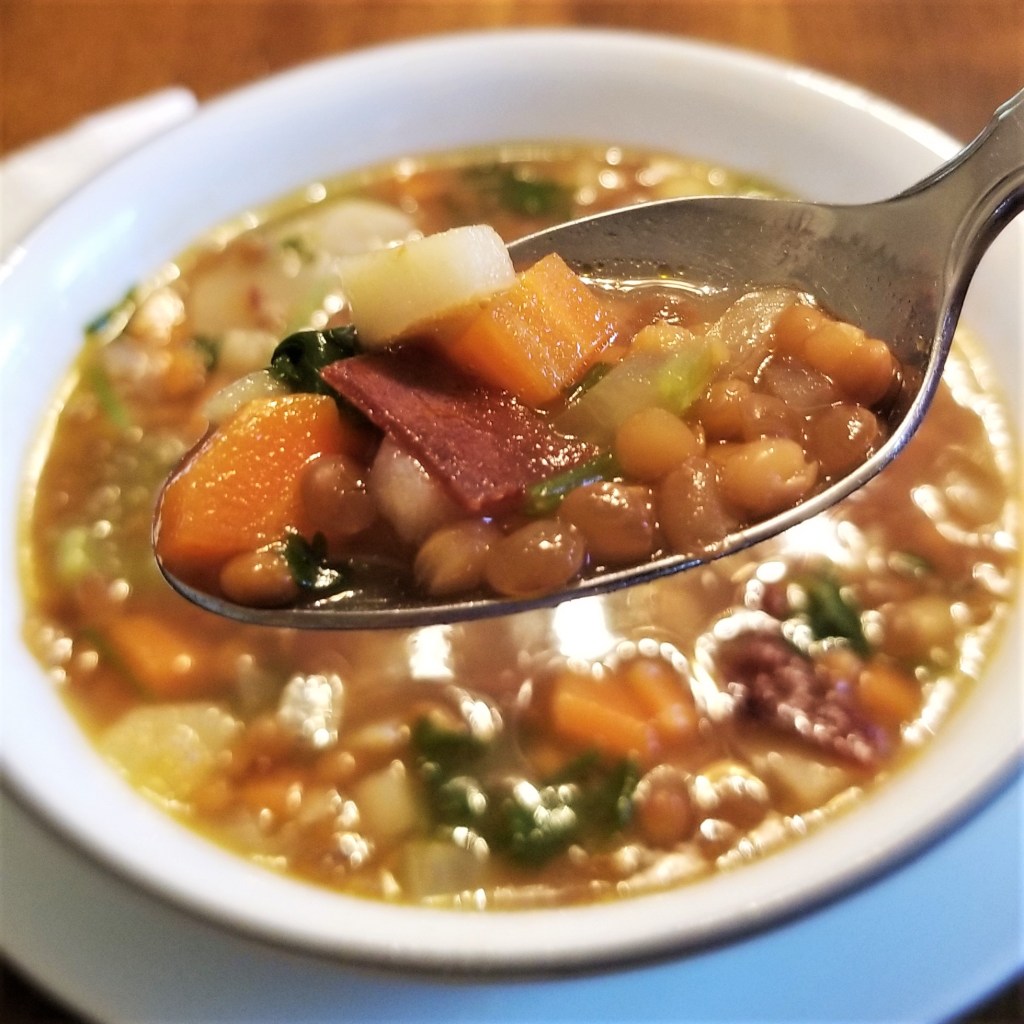
Parsnip is called chirivía in Spain, and another possible translation to Spanish is pastinaca, from its Latin scientific name; however, this root vegetable is not common in Mexico, so I do not know any traditional recipes calling for them with those names. I usually roast parsnips (photo below, left, from 2018), but some times I have added them to stews or soups, instead of, or in addition, to carrots, for example, to a lentil soup with vegetables (photo below, right, from 2022):
3) Kohlrabi ((Brassica oleracea, Gongylodes Gp) – The name of this vegetable comes from the German forms Kohl – cabbage and Rübe – turnip, because of its globular shape, resembling a turnip; this vegetable is often confused for an actual cross between a cabbage and a turnip, but it is in fact a variety of the cabbage species Brassica oleracea, which includes many other common cultivars such as cabbage (savoy, green, etc.), cauliflower, collard greens, kale, broccoli, and Brussels sprouts. Kohlrabi was artificially created to produce swollen stems which grow above ground, as seen below (my garden, 2020):

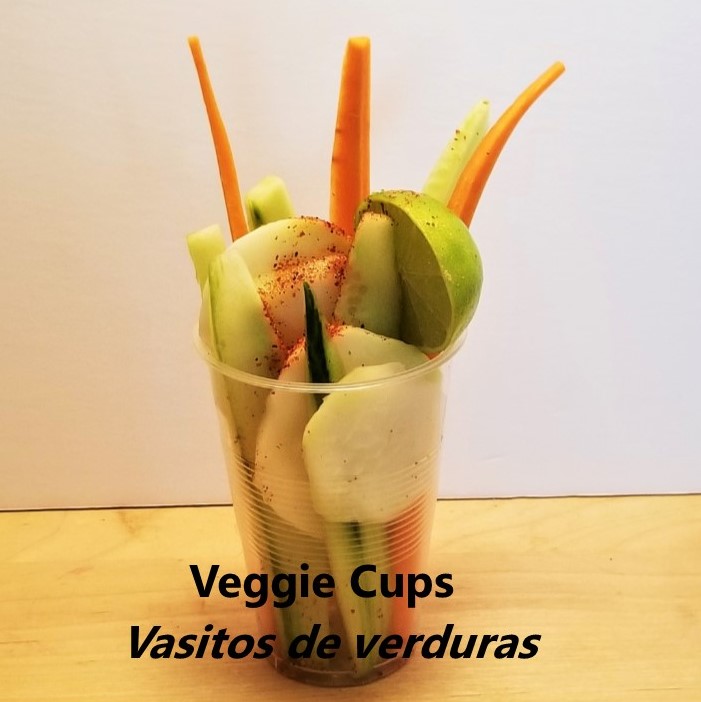
In Spanish, kohlrabi is called colinabo (again, a combination of col– cabbage, and nabo – turnip). Causing even more confusion, in Mexico the name colinabo is often times also used to describe rutabaga (Brassica napus, Napobrassica Gp), a root vegetable which is, in fact, an actual cross between a cabbage and a turnip! In my recipes, I call rutabaga nabo sueco (Swedish turnip), saving the term colinabo exclusively for kohlrabi, for clarity. Kohlrabi is a versatile vegetable that may be eaten raw, roasted, fried, or in stews, for example, below, from left, veggie cups, patties, and Campeche Style Stew (click on images for full stories and recipes):


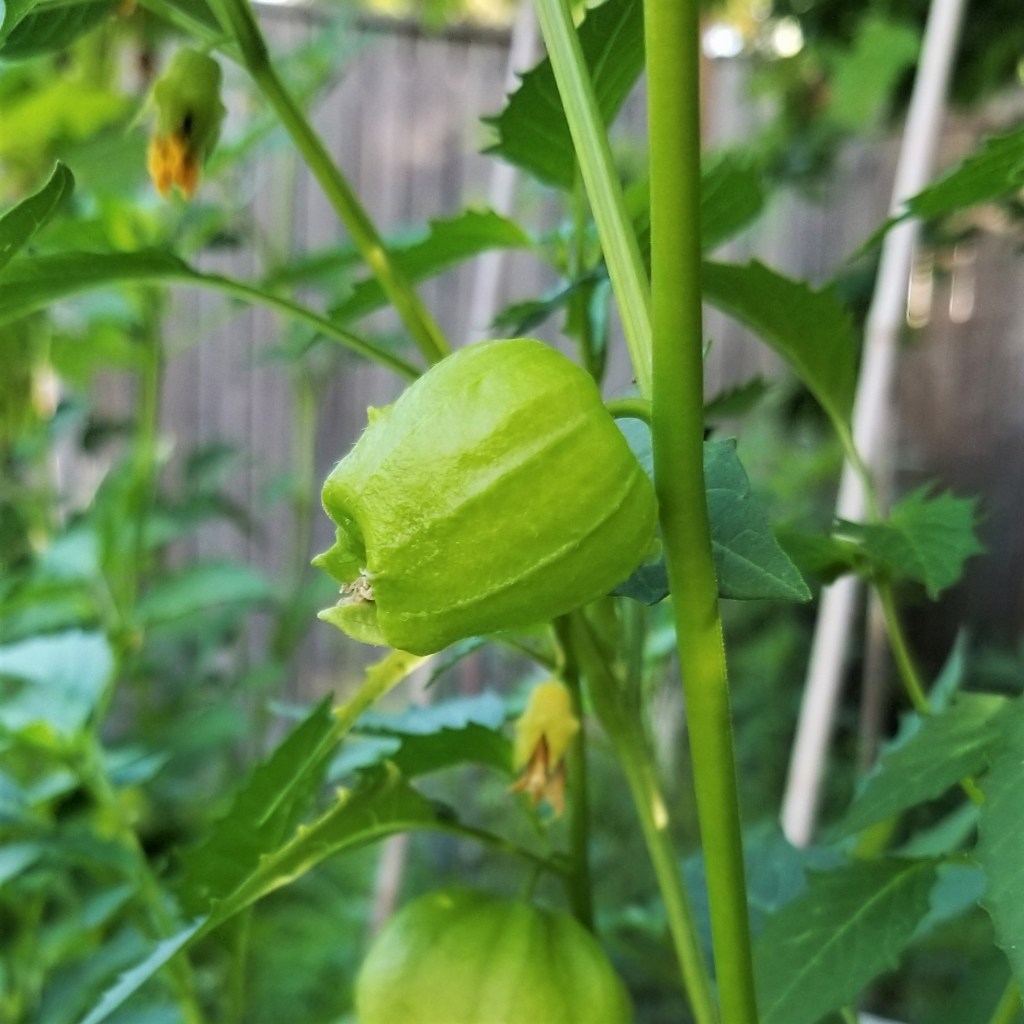
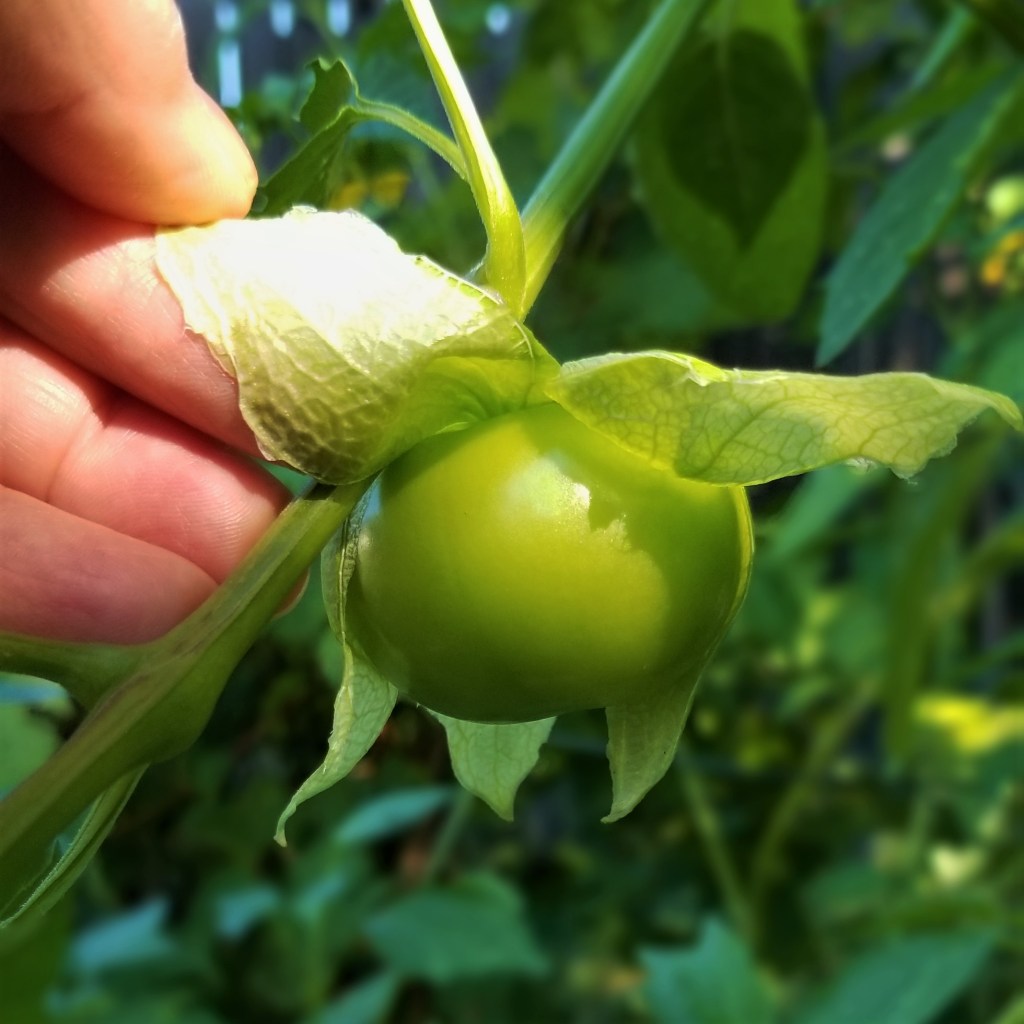
4) Tomatillo (Physalis ixocarpa) – One of the first crops in my backyard, because it is a must-have in many Mexican recipes, and sometimes hard to find in stores here in Canada. After their flowers are pollinated and fade, papery shells form (photo below, left, 2019). Fruit grows inside, until they burst the shells (photo below, centre, also from my crop in 2019). Tomatillos may be green or purple in colour, and are harvested when still under-ripened; in previous years, I have tried different varieties, for example, Toma Verde, and Purple (photo below, right):
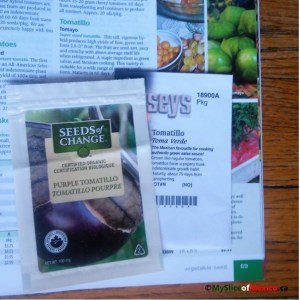
I am looking forward to try the OSC Super Verde variety, a hybrid that promises juicy and generous harvests.
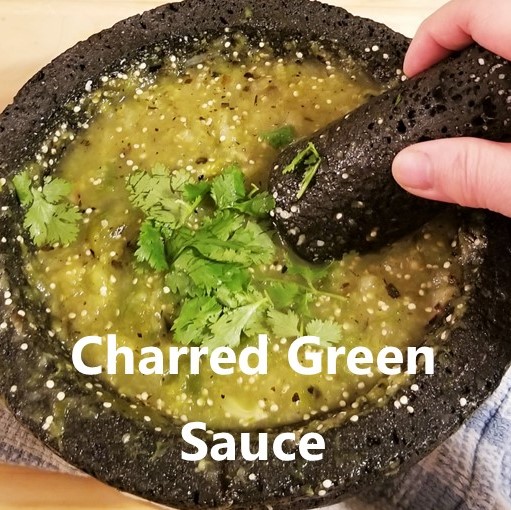
There are so many ways to cook tomatillos, just a few examples are, from left (click on images for full stories and recipes), Charred Green Sauce, Stuffed Chicken Breasts in Green Sauce, and Mexican Sausage in Green Sauce with Paddle Cacti:


5) Vegetable Marrow (Cucurbita pepo) – The species is originally from Central America and Mexico, dating back as far as 7000 BC, then expanding to the rest of the continent, and later, to the rest of the world. There is an immense variety of C. pepo, including squash, pumpkins, and gourds. I have grown many types of them, as well as different kinds of summer squash, which are the fruit harvested when tender, but I have left them on the plant to grow to a more mature stage, when they are called vegetable marrow, only by accident (photo below from my backyard, 2016):
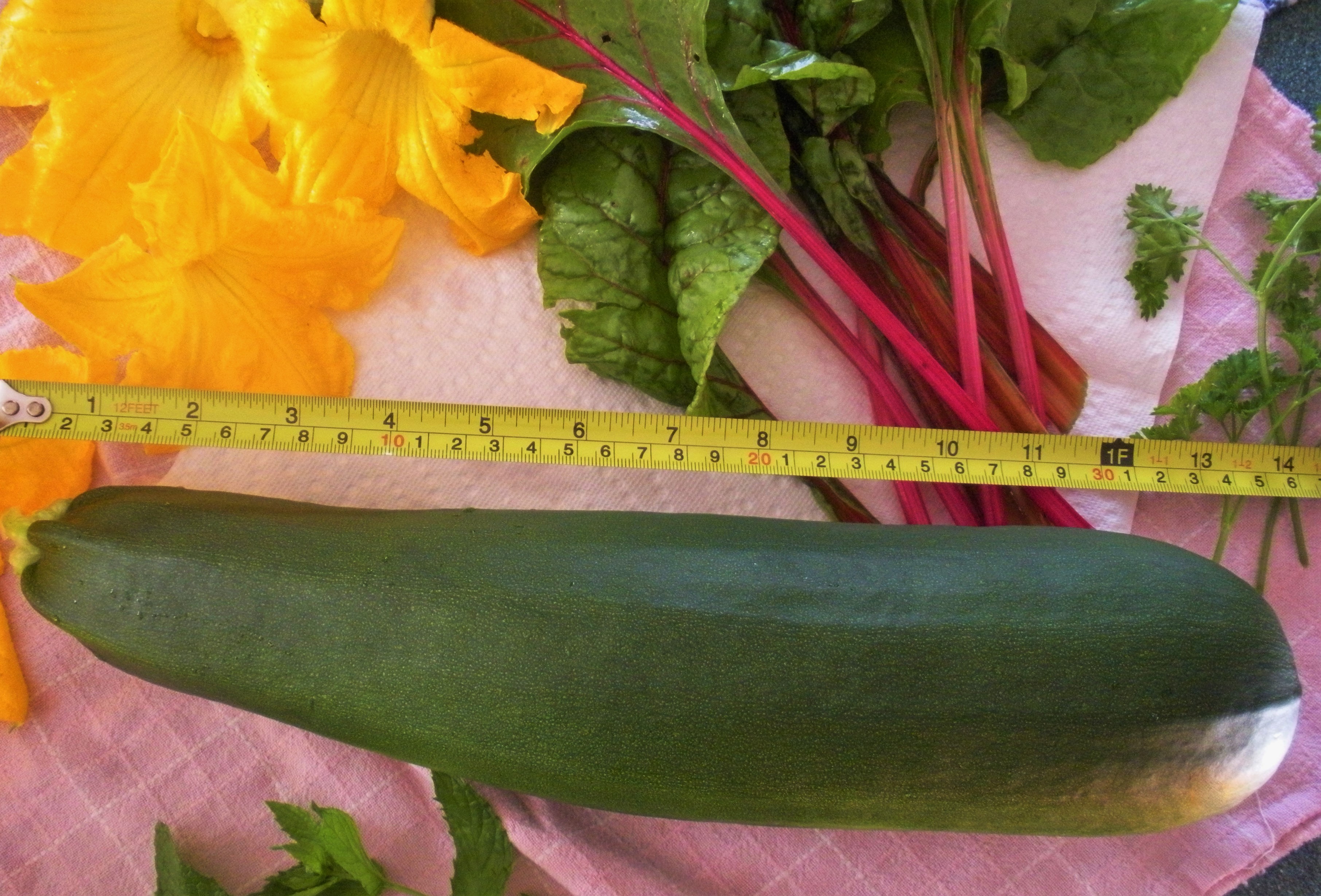
At this stage, they become meatier, with a tougher core:
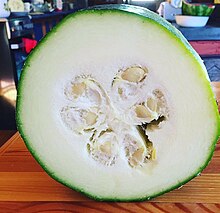
Nowadays, some varieties are cultivated for better flavour and texture while tender, such as zucchini, and others, are more suitable to be grown as vegetable marrow, usually with paler skin, as the Long White Bush variety that I am trying for the first time this year.
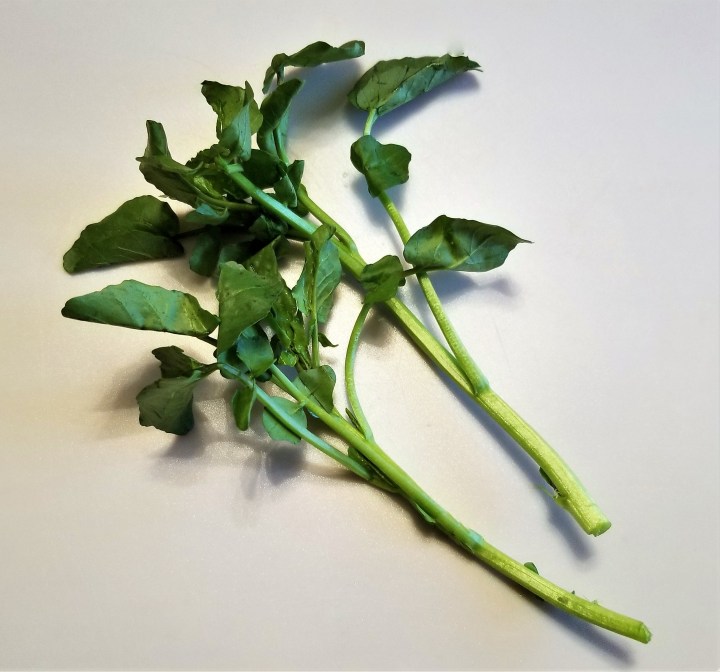
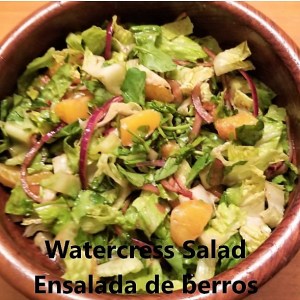
6) Watercress (Nasturtium officinale) – Watercress is a perennial semi-aquatic plant, native to Europe and Asia, consumed as food since nomadic times. It was introduced to the New World by European settlers and explorers. In Mexico, watercress is known as berro, and it has become so familiar in the country, that it is often included amongst Mexican potherbs (quelites), in spite of its foreign origin. Watercress belongs to the mustard family (Brassicaceae); the name Nasturtium most likely comes from the Latin naris – nose and torquere – to twist, describing the reaction caused by its pungent taste. The edible flowers, commonly called nasturtiums for the same reason, are only remotely related to watercress; their genus Tropaeolum and watercress genus Nasturtium are both part of the Brassicales order, but belong to different families. I have bought watercress at the supermarket (photo below, left) and I have shared a recipe for a salad with citrus notes, which complement the fiery flavour of watercress (photo below, right):
As mentioned above, and as the name indicates, watercress grows near water and muddy grounds, so I have never tried to grow it in my backyard; however, the OSC seed catalogue says of watercress: “While traditionally grown along stream banks or in other moist areas as an aquatic or semi-aquatic plant, watercress can also be successfully grown in containers set in a saucer of water”; changing the water frequently helps to maintain the plants healthy. Another attractive feature is that it is a perennial, and according to OSC, they are “reliably hardy outdoors to Zone 6, possibly to Zone 5 as well.”
This selection promises to give a great home opener in my garden this spring.
I am joining Six on Saturday for March 8, 2025, hosted by Jim Stephens @ Garden Ruminations.
For your convenience, click on the picture or highlighted text below for products available on Amazon™. DISCLAIMER: Any reviews included in this post are my own, for items I have purchased, not provided by any company; as an Amazon Associates Program affiliate, I might receive a commission for any purchases originated from the links below, at no extra cost to you. Thank you to readers who have bought other products starting with a click from my links.







 My Slice of Mexico
You’ve got a wonderful garden season ahead of you, Irene. About to start some seeds myself. Did not know watercress was connected to nasturtium. I have some wet spots in the yard I might be able to grow it.
LikeLike
Watercress and the nasturtium flowers are distant cousins only, hehe, their common name is just because of their spicy flavour. I hope I can manage to grow watercress with a saucer underneath the pot, it will be an interesting experiment. Let me know if you have any success yourself.
LikeLiked by 1 person
I think it might be fun to try growing watercress, too. I’ve never seen seeds for it.
LikeLike
OSC only delivers in Canada, but there’s this company True Leaf Market, that sells nonGMO seed. Let me know if you go for it.
LikeLiked by 1 person
We don’t get tomatillos in India.
LikeLiked by 1 person
Time to grow you own! 🤭
LikeLiked by 1 person
Ha! You are so right, Irene! I myst find out from where I can get seeds.
LikeLike
Good luck, Punam, I hope you find them; if you grow tomatoes, tomatillos will be easier.
LikeLiked by 1 person
I do grow tomatoes, Irene. Thanks for your good wishes.
LikeLiked by 1 person
What a great seed selection Irene. Just this week I thought of planting some herb seeds in the garden. I usually grow basil, oregano, and tyme. Then I plant veggies like zucchini and some form of lettuce. Happy gardening and be well. Nancy Andres @ Colors 4 Health
LikeLiked by 1 person
Happy gardening to you as well, Nancy!
LikeLike