

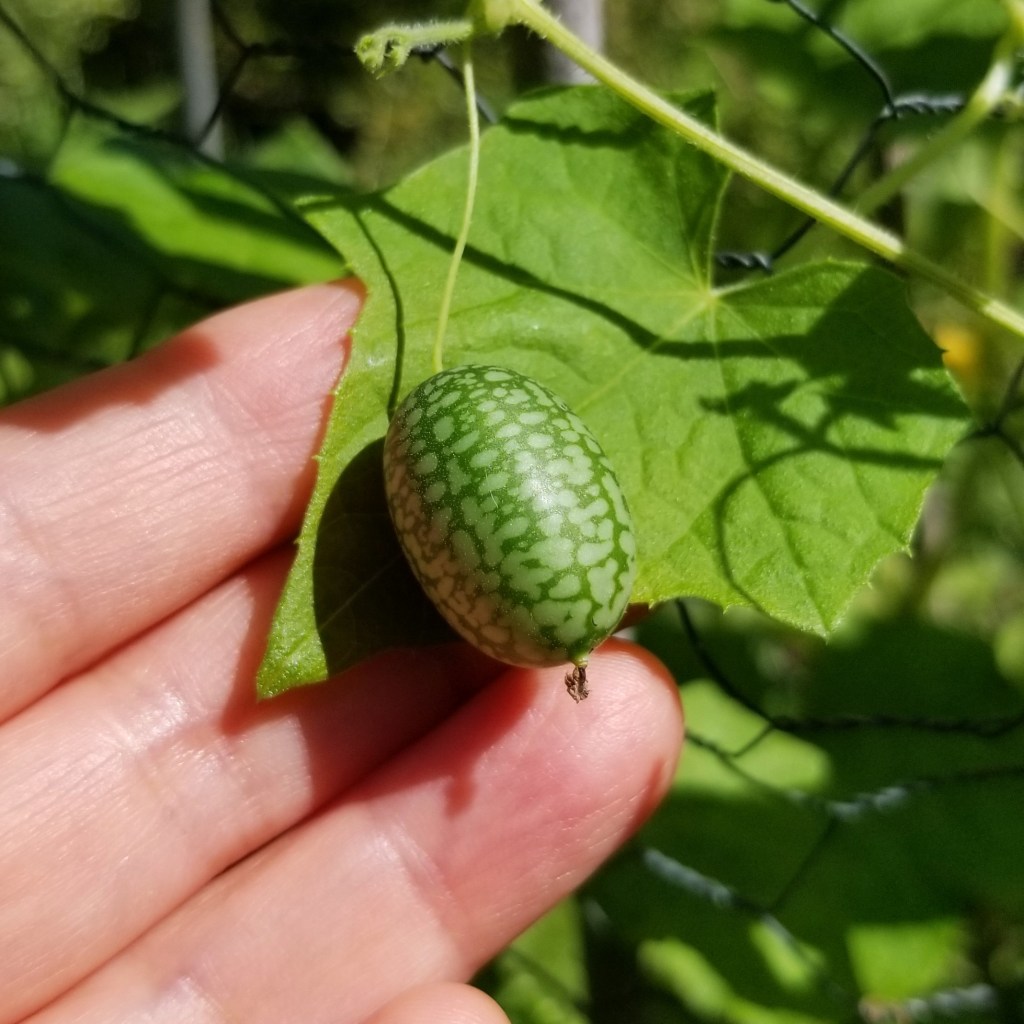
Photo above: Neither a watermelon nor a pumpkin, continue reading to find out …
Back in March, I posted about my new seed for the 2023 growing season:
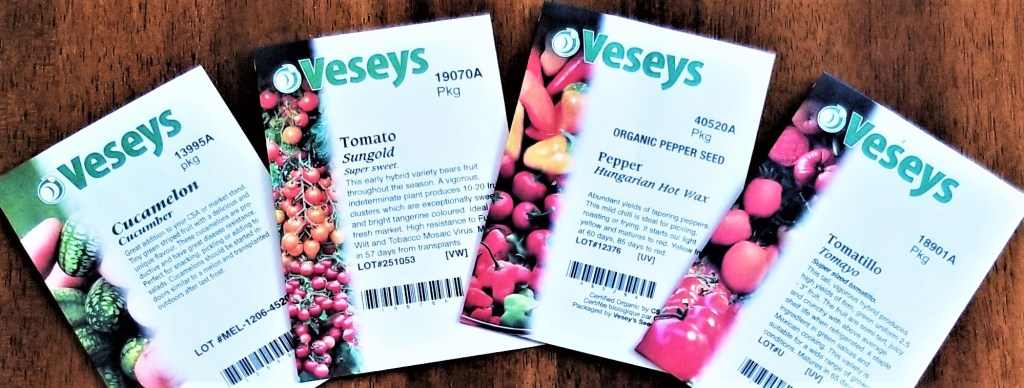
I started seed indoors for all of them in April, but because of a family trip in May, the seedlings suffered; the cucamelon all died, and for the other three, the seedlings seemed stunt for a while, and then, they were growing very slowly. I did not get to transplant the survivors outside until the end of May, when I started more cucamelon seed directly in the ground, along with purple snap beans, and zucchini. Intervals of very hot and dry weather did not help. I probably will not have as good crops as I could have, but with a lot of attention and a little affection, they are all surviving, and some even thriving.
1) Cucamelon (Melothria scabra) is not really a cucumber, or a melon for that matter, but they all belong to the same botanical family (Cucurbitaceae). The name comes from the taste and shape of its fruits, with a flavour similar to cucumber (with a sour punch), and the appearance of a dwarf watermelon (as seen in the photos at the top of the post, and below). I was pleased to learn that cucamelon vines are very productive, more resistant to pests than cucumber, and as I mentioned above, native to Central America and Mexico, since pre-Hispanic times. In Spanish, it is known as sandiita (little watermelon); other names for this unique fruit are mouse melon, and honouring its origin, Mexican sour cucumber, Mexican gherkin, and Mexican miniature watermelon. In the photos below, different stages of development, and as a reference, the chicken wire mesh size is about 22 mm (a little under one inch):
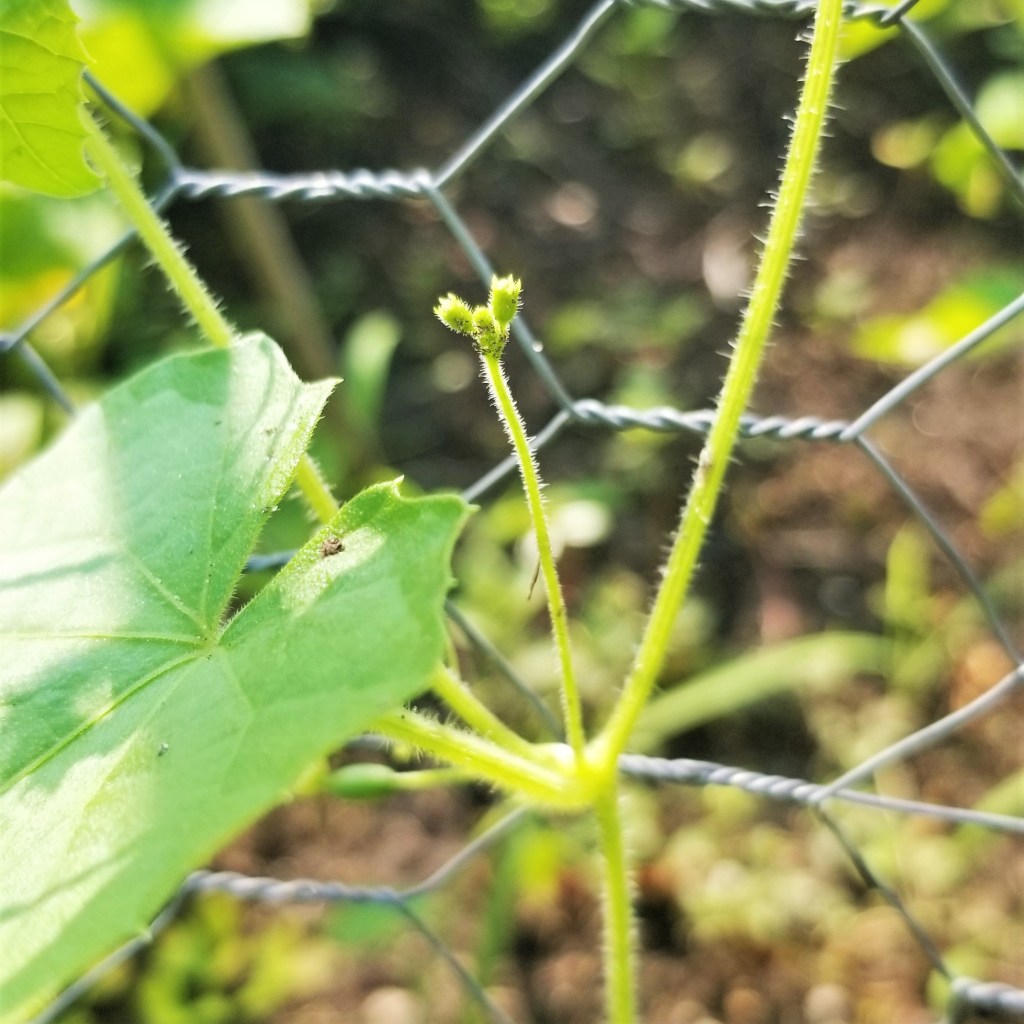
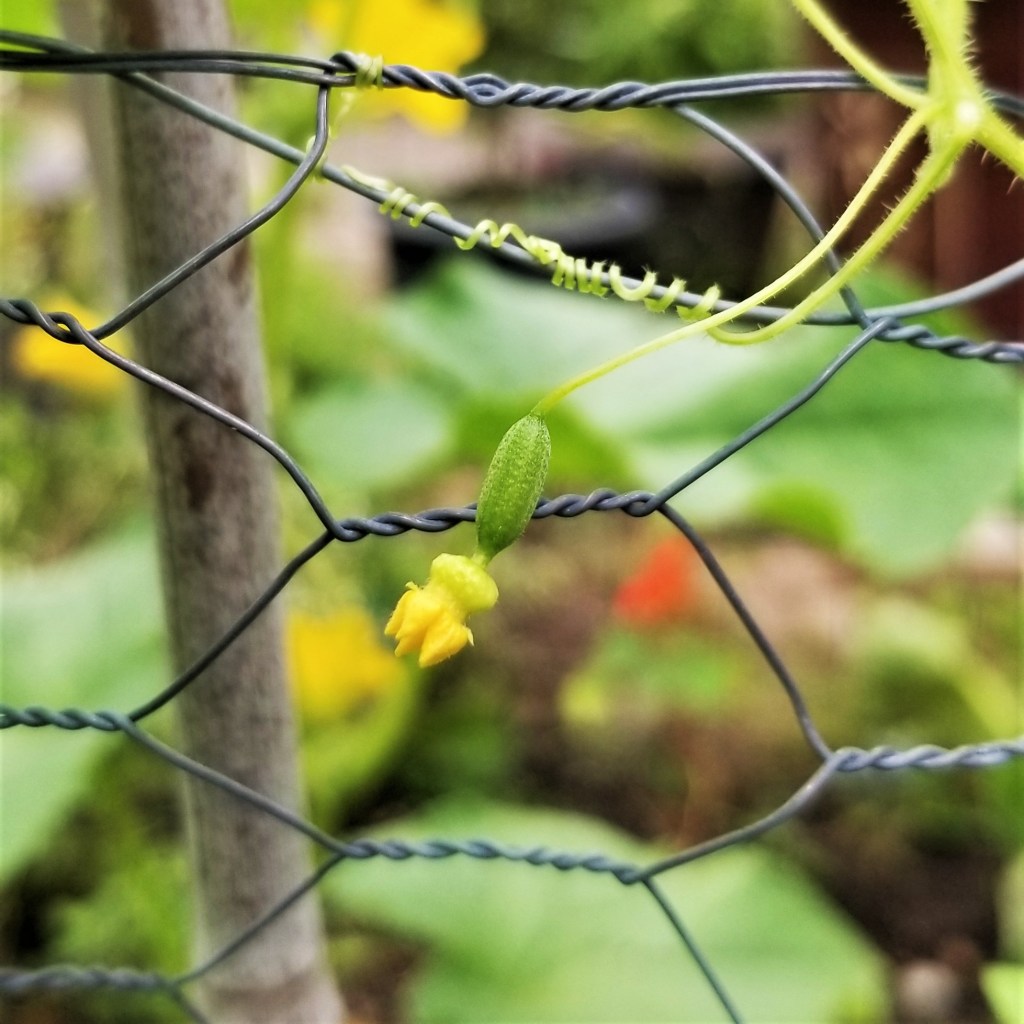
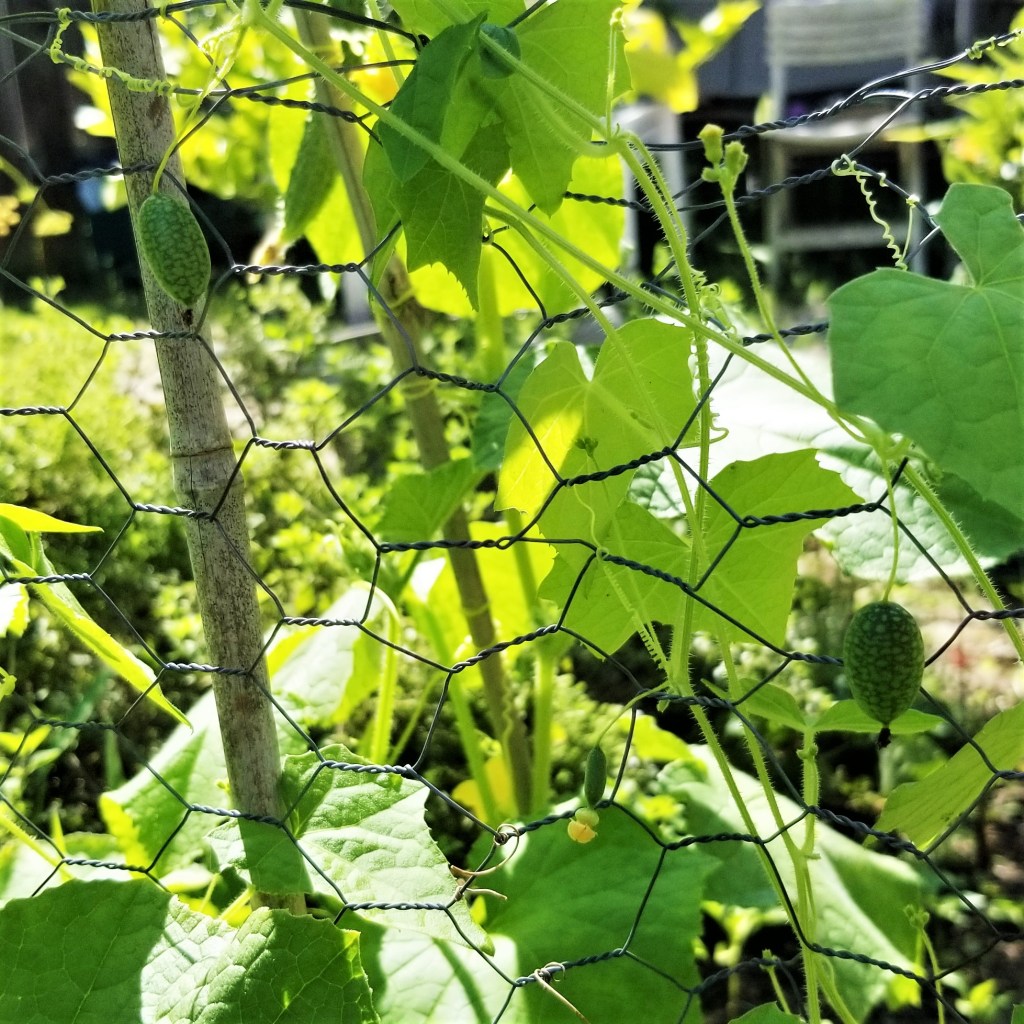
The best way to enjoy cucamelons is by harvesting them as soon as they reach the size of a grape, and are still firm and bright green (as seen above), basically just fresh off the vine. I am very curious about them, thinking of a nice salad as a way to feature them.
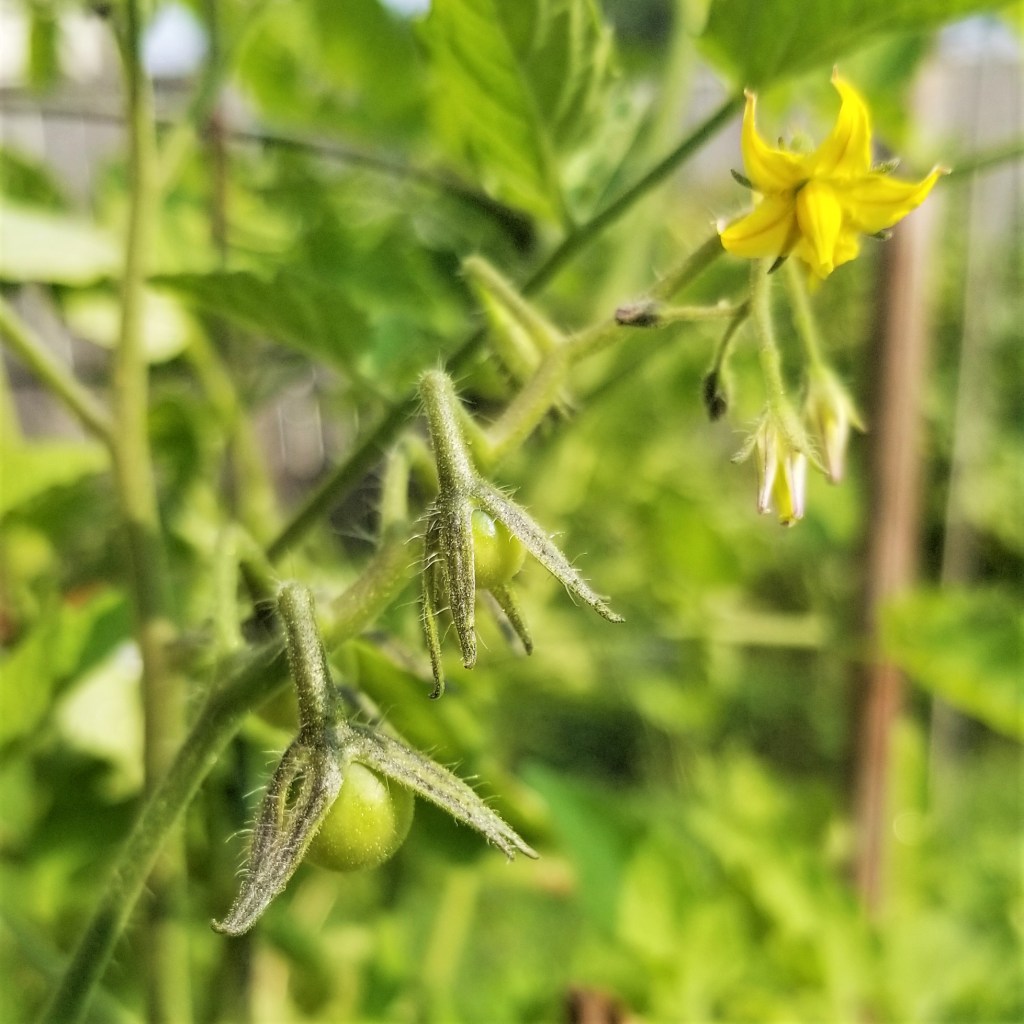
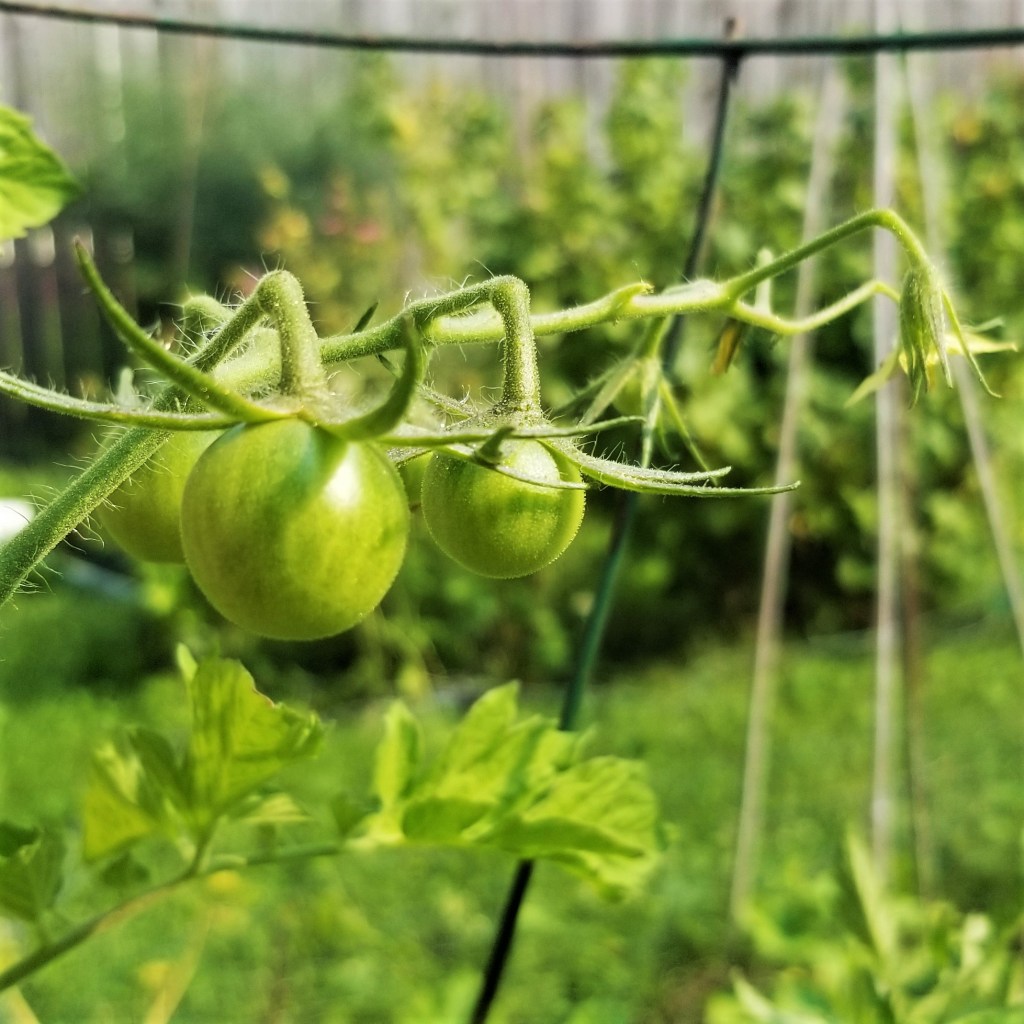
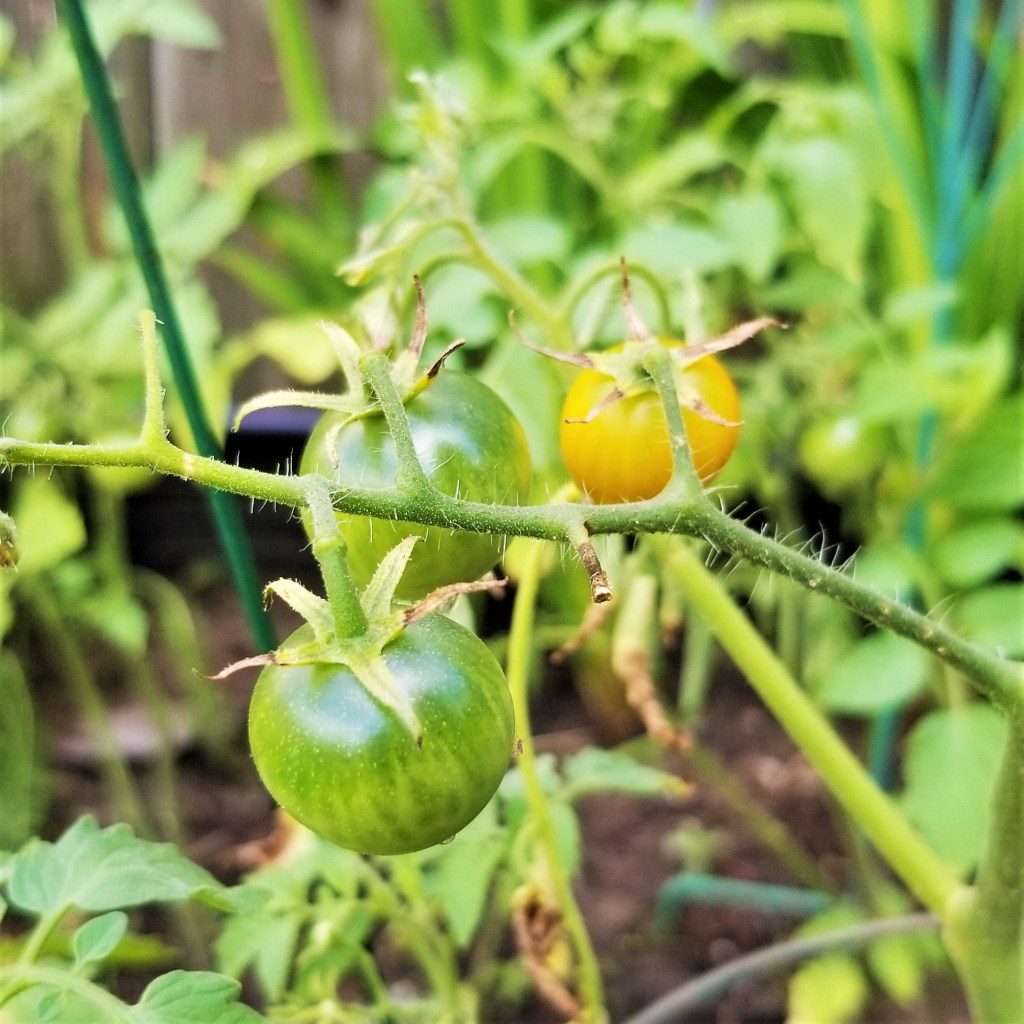
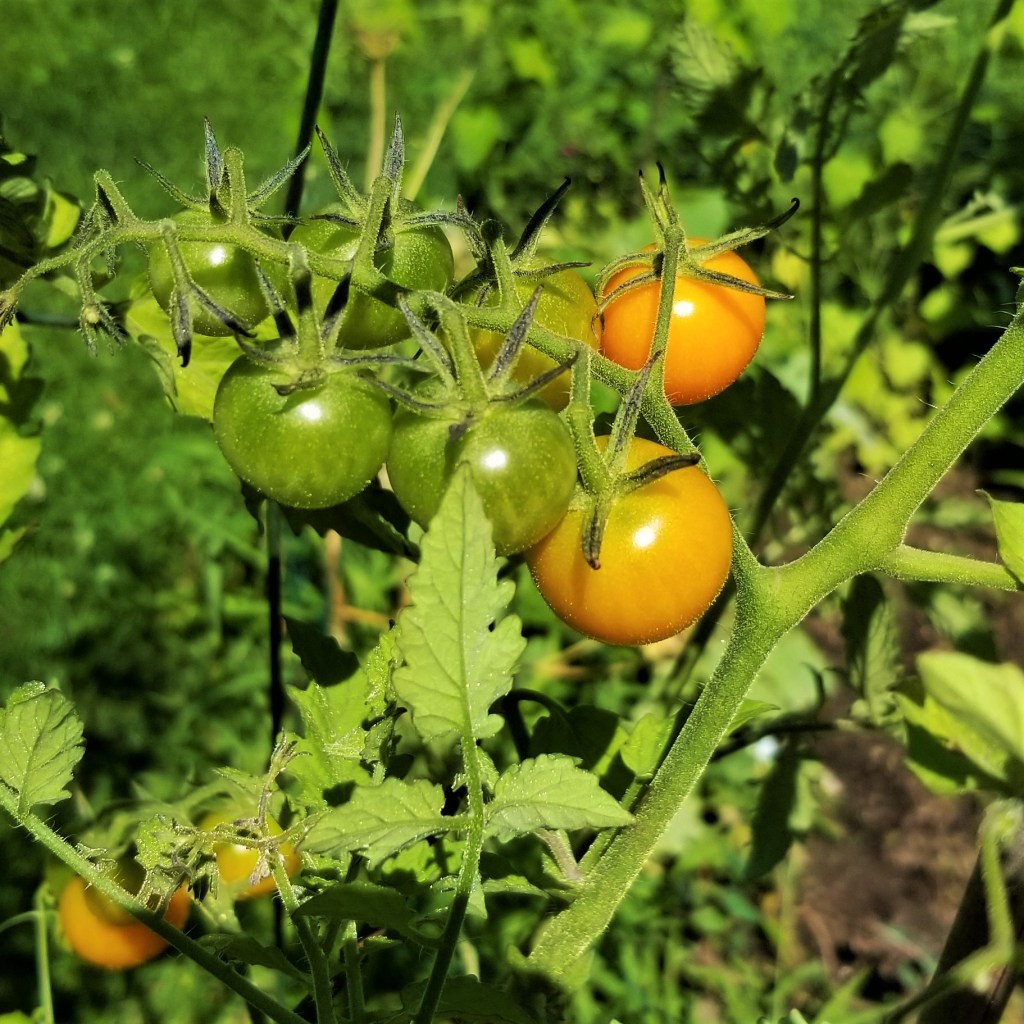
2) Sungold cherry tomatoes are a super sweet hybrid, and luckily for me, an early variety, which has a maturity time of only 60 days from transplanting. I think all things considered, these little tomatoes are delivering on that promise. Tomatoes are a quintessential ingredient in many Mexican dishes and sauces, and these little gems will add a playful splash of orange colour. In the photo at the top of this post, a cucamelon and a Sungold cherry tomato create an esoteric still-life worth of a Barbie doll scene (LOL).
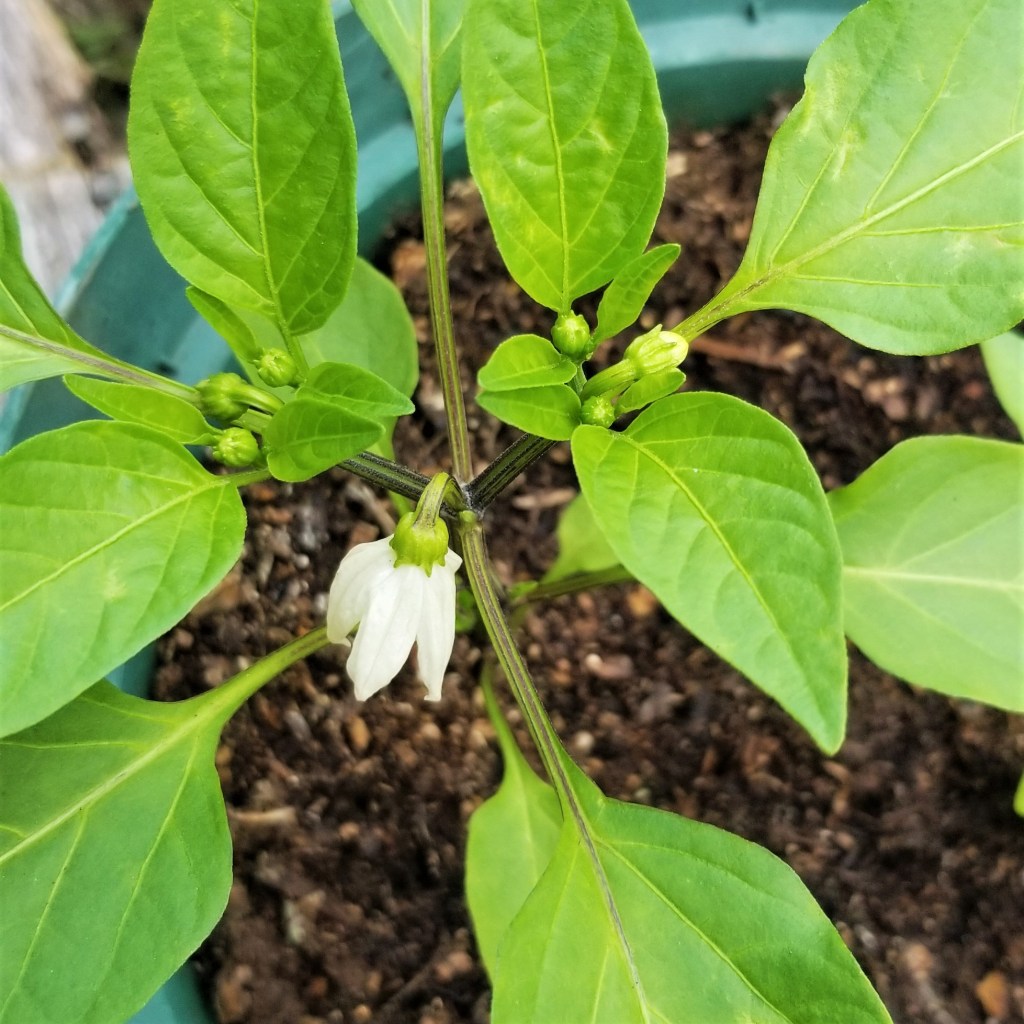
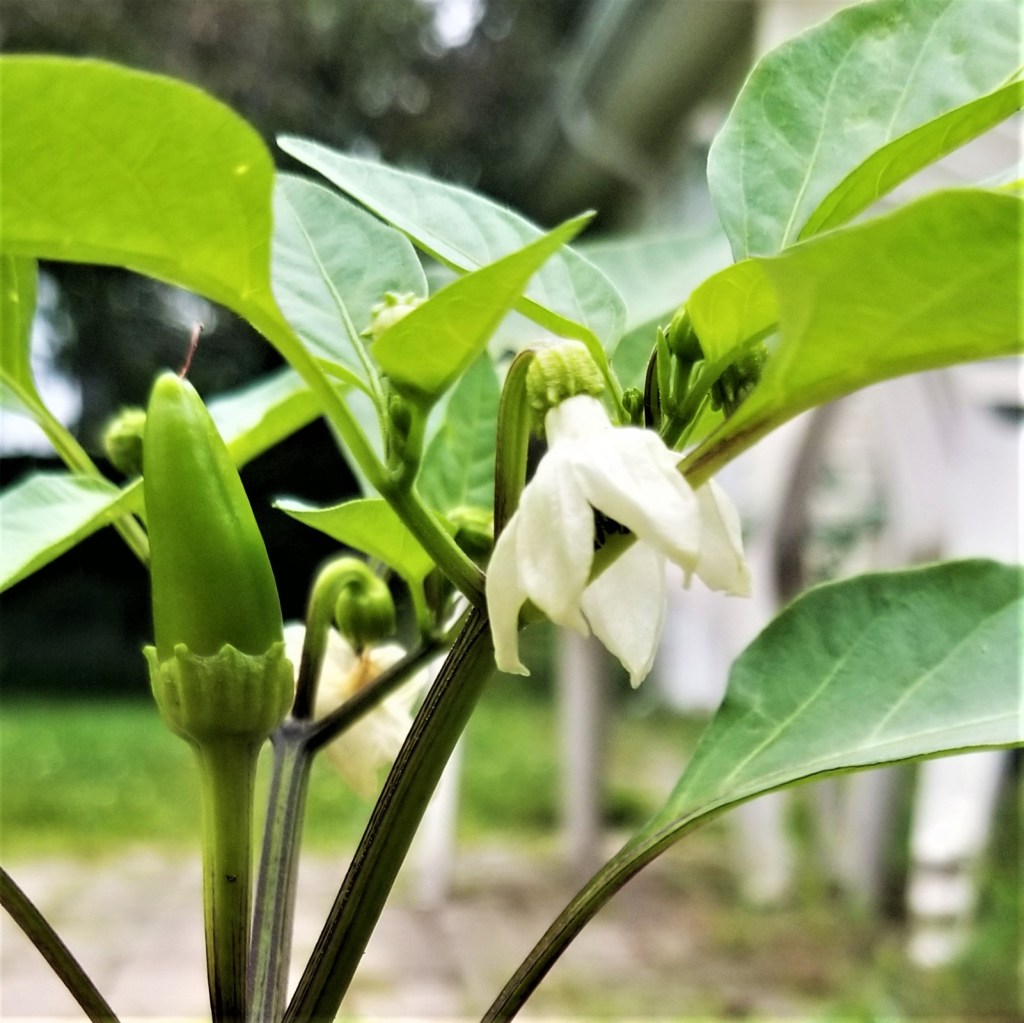
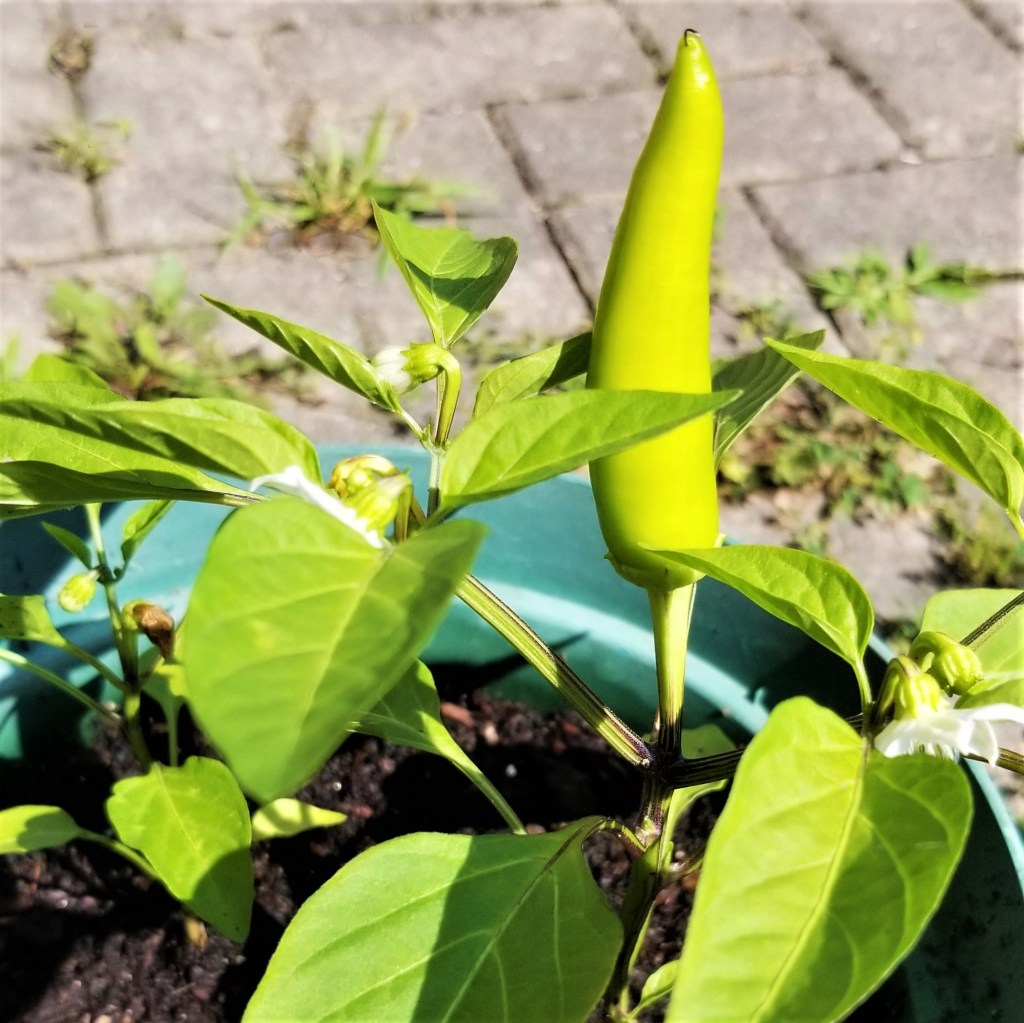
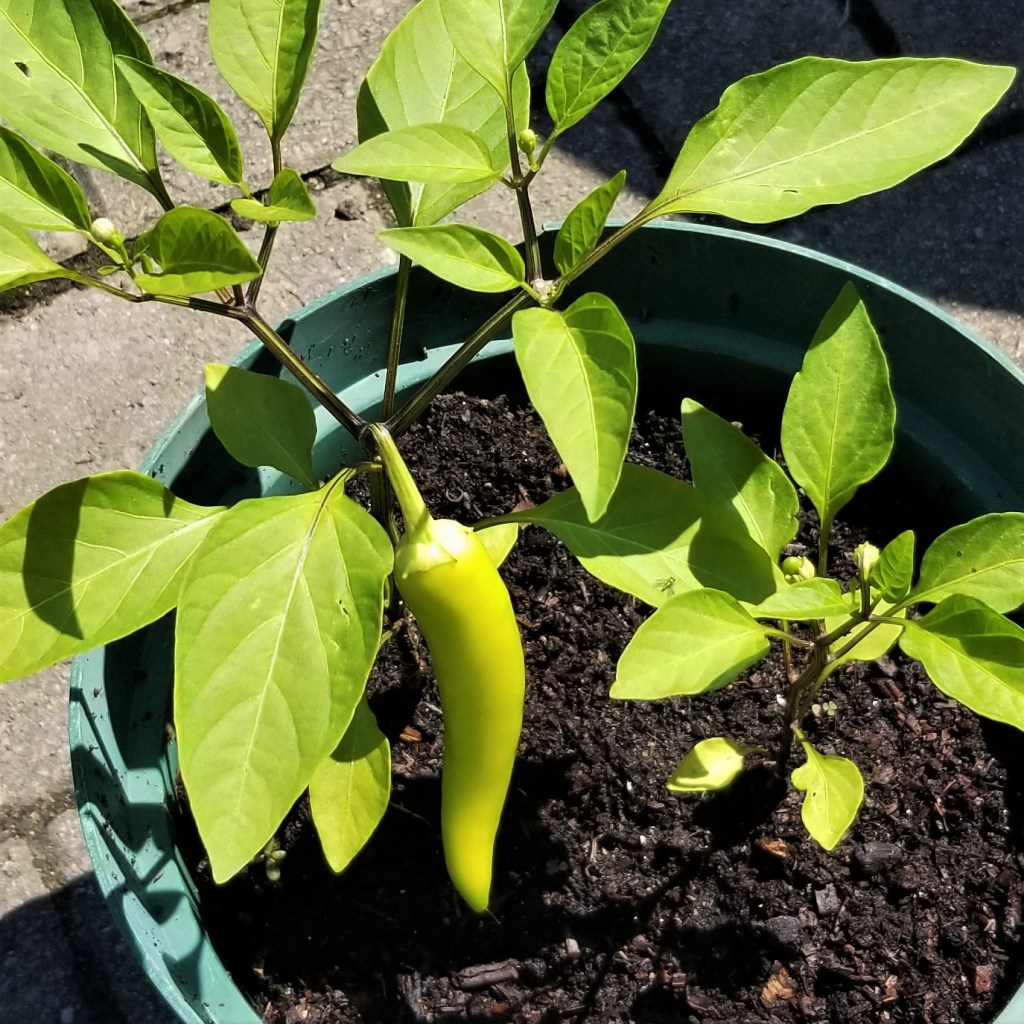
3) Hungarian Hot Wax pepper is a variety of just a tad spicy, long peppers, that mature to yellow, then red, in 65 to 85 days; they were the closest variety I could find to Mexican chiles güeros largos – long blond chilies; I will harvest while still yellow, and I hope to be able to prepare them pickled, as they are used in traditional Mexican dishes.
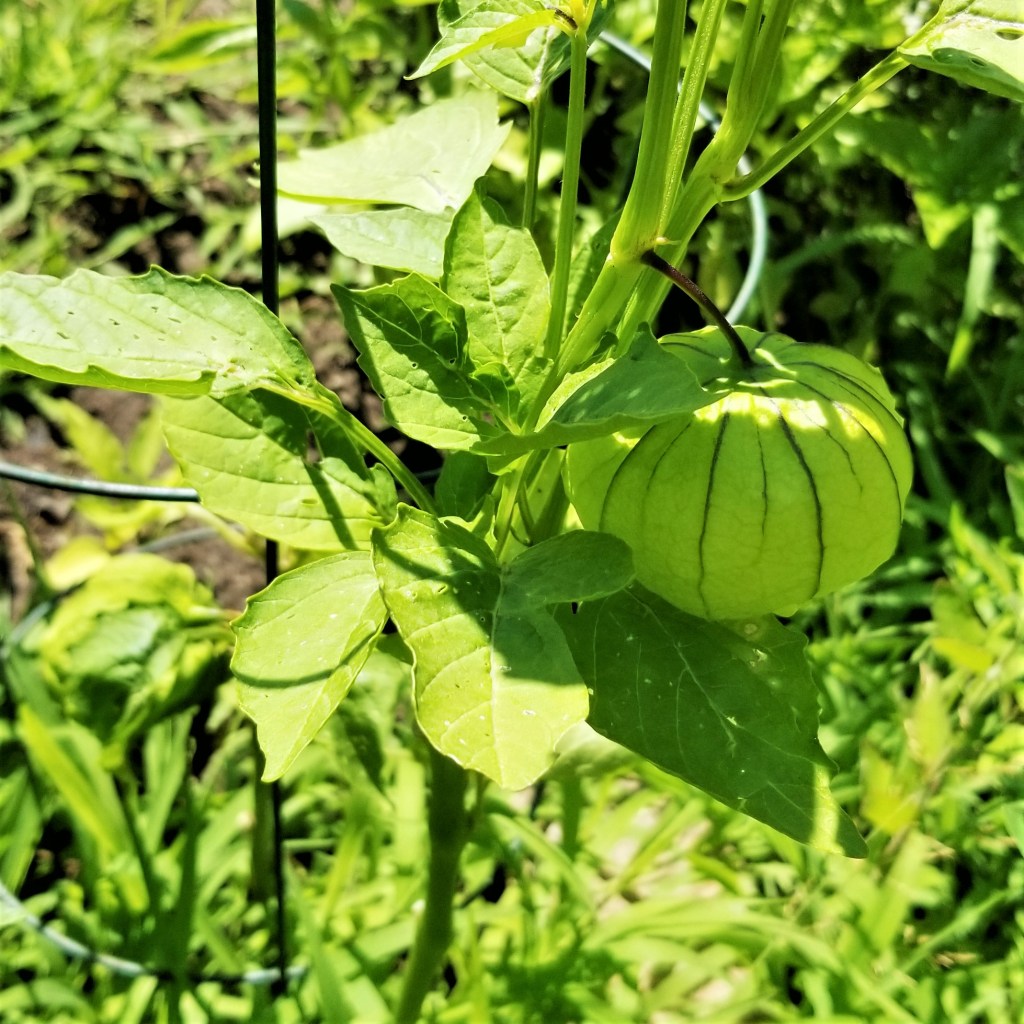
4) Tomayo tomatillo is a vigorous variety, with large fruit that might grow up to three inches (7.5 cm) in diameter! After pollination, yellow flowers develop a green husk first, and the fruit grows inside until it makes the husk burst. As I mentioned in a previous post, the more common names in Mexico for this vegetable/fruit are miltomate, or tomate verde, with the name tomatillo reserved for a particular variety of very small fruits, so for Tomayo, it might be a little bit of a misnomer. It will be interesting to see if my late crop will reach that mammoth size; so far, the biggest fruit is about 1.5 inches (3.76 cm, last photo below):
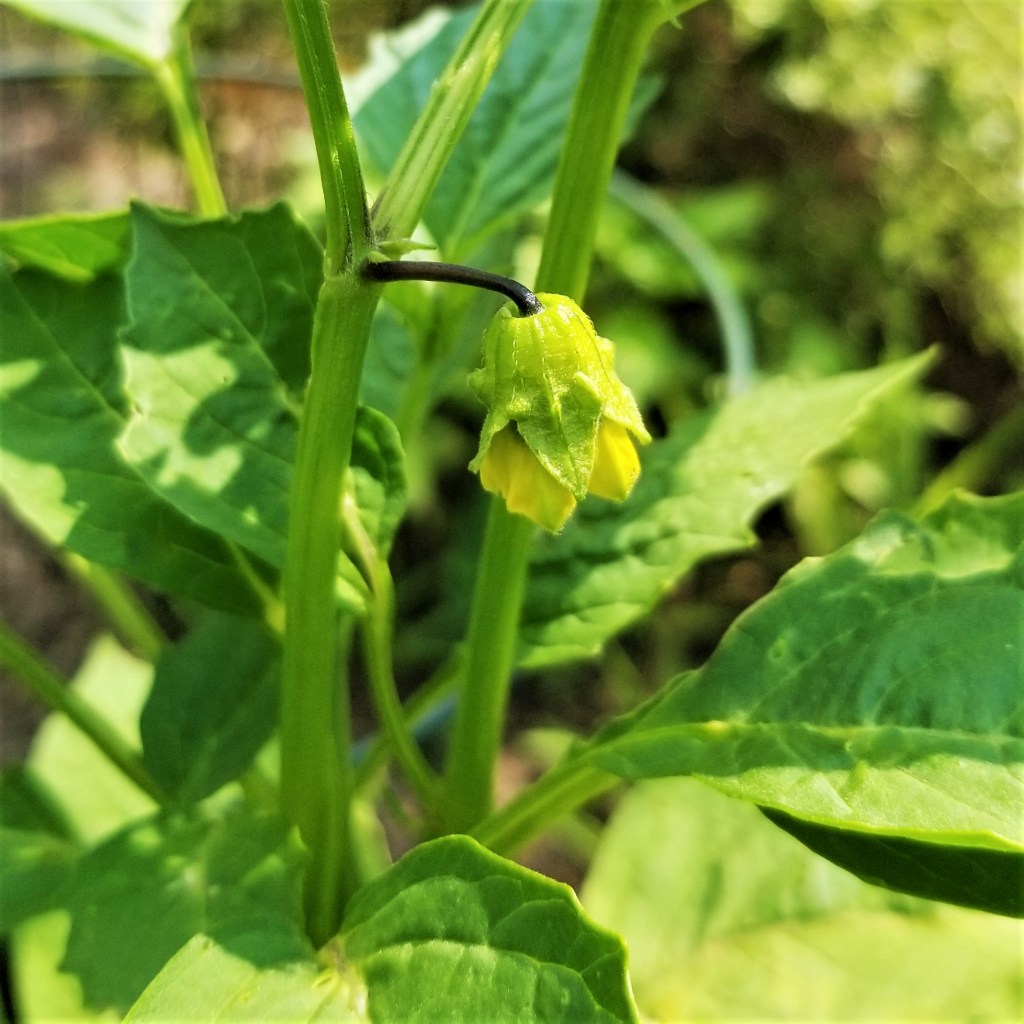
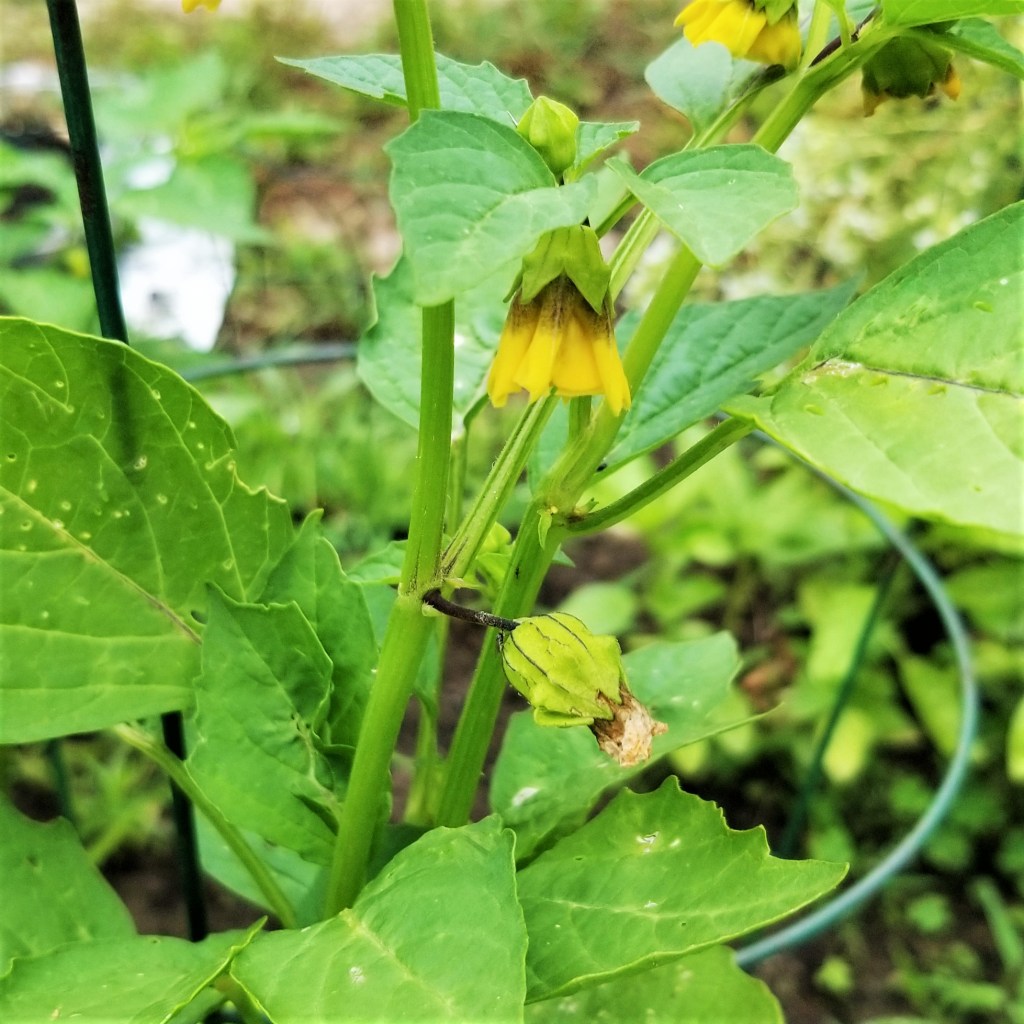
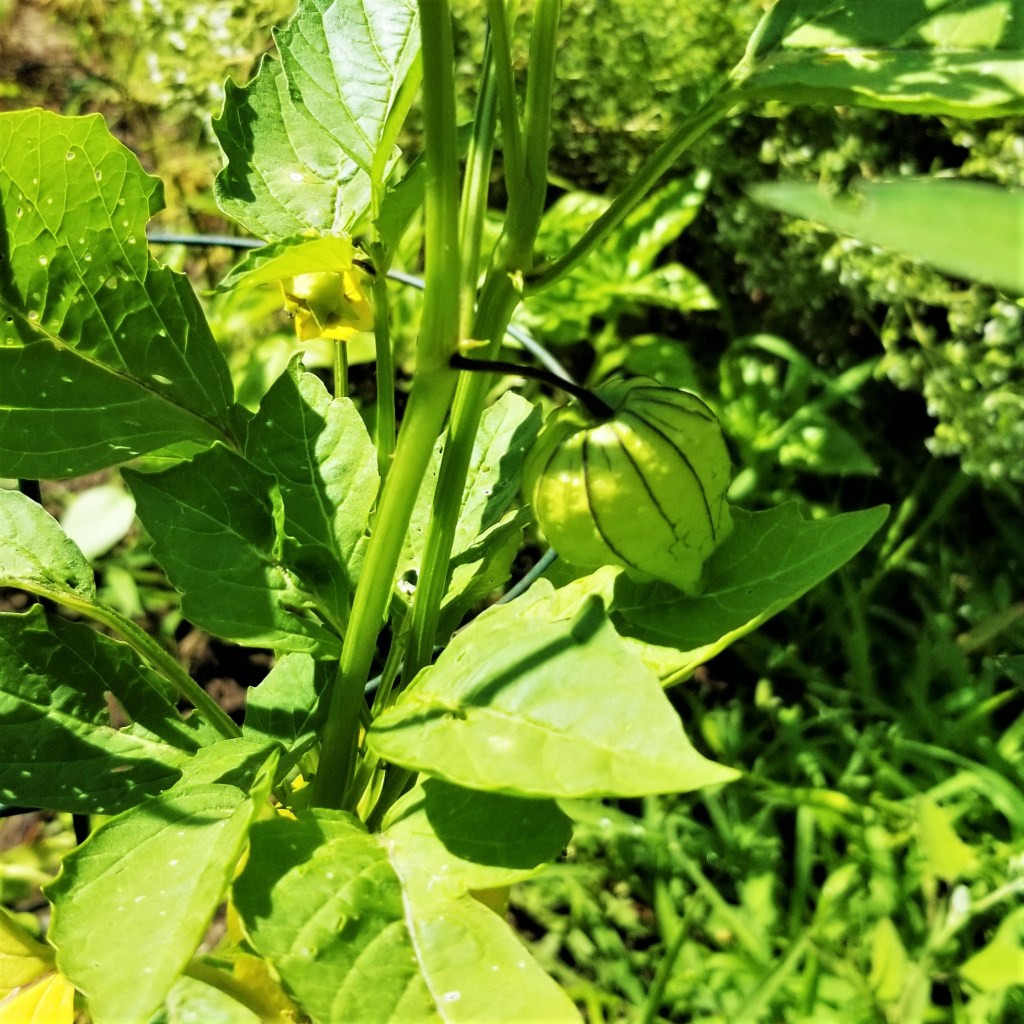
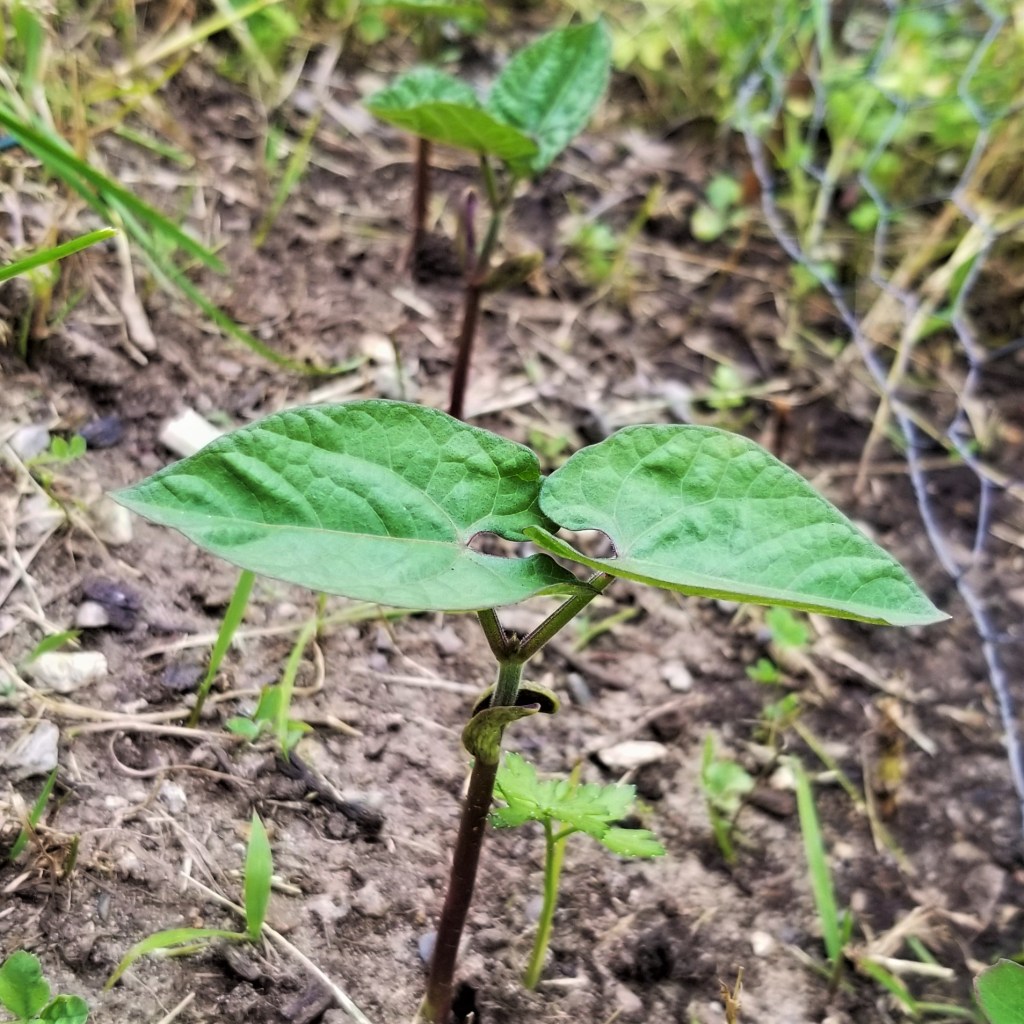
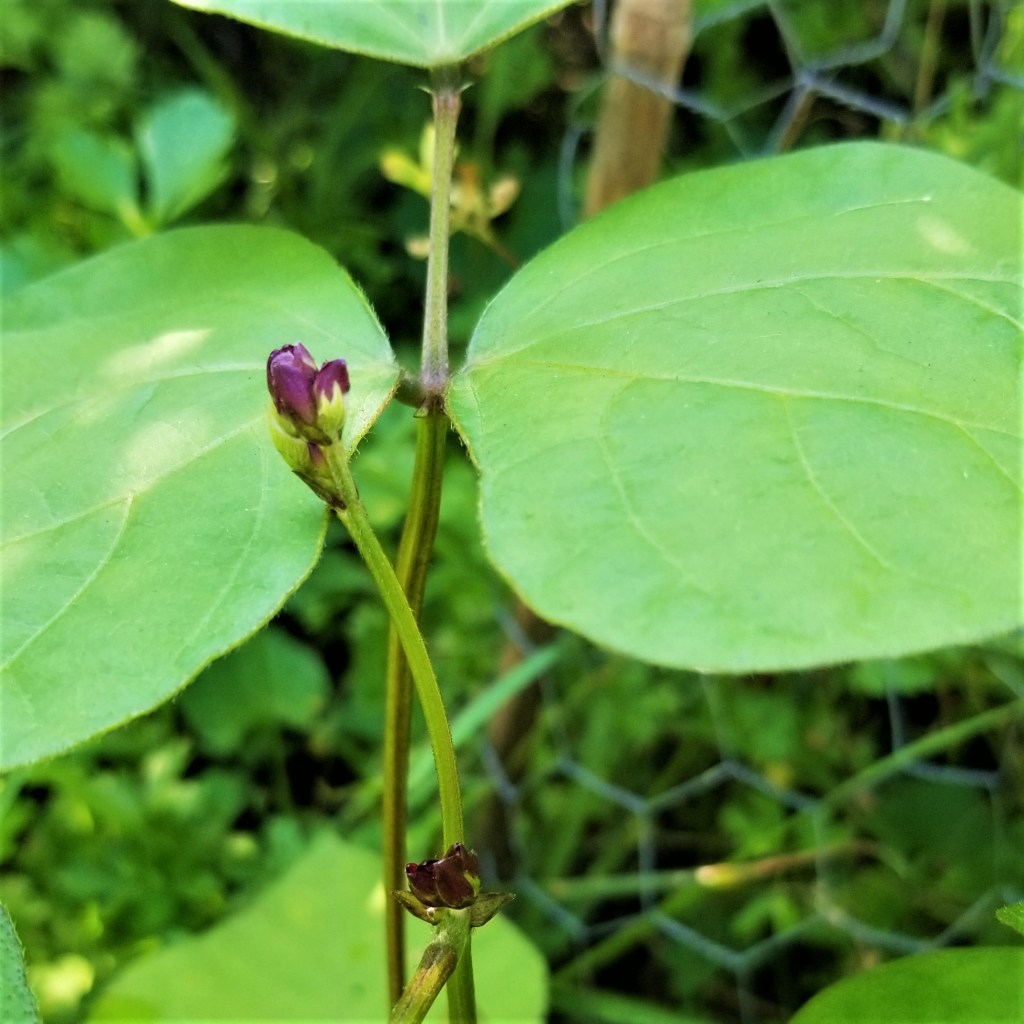
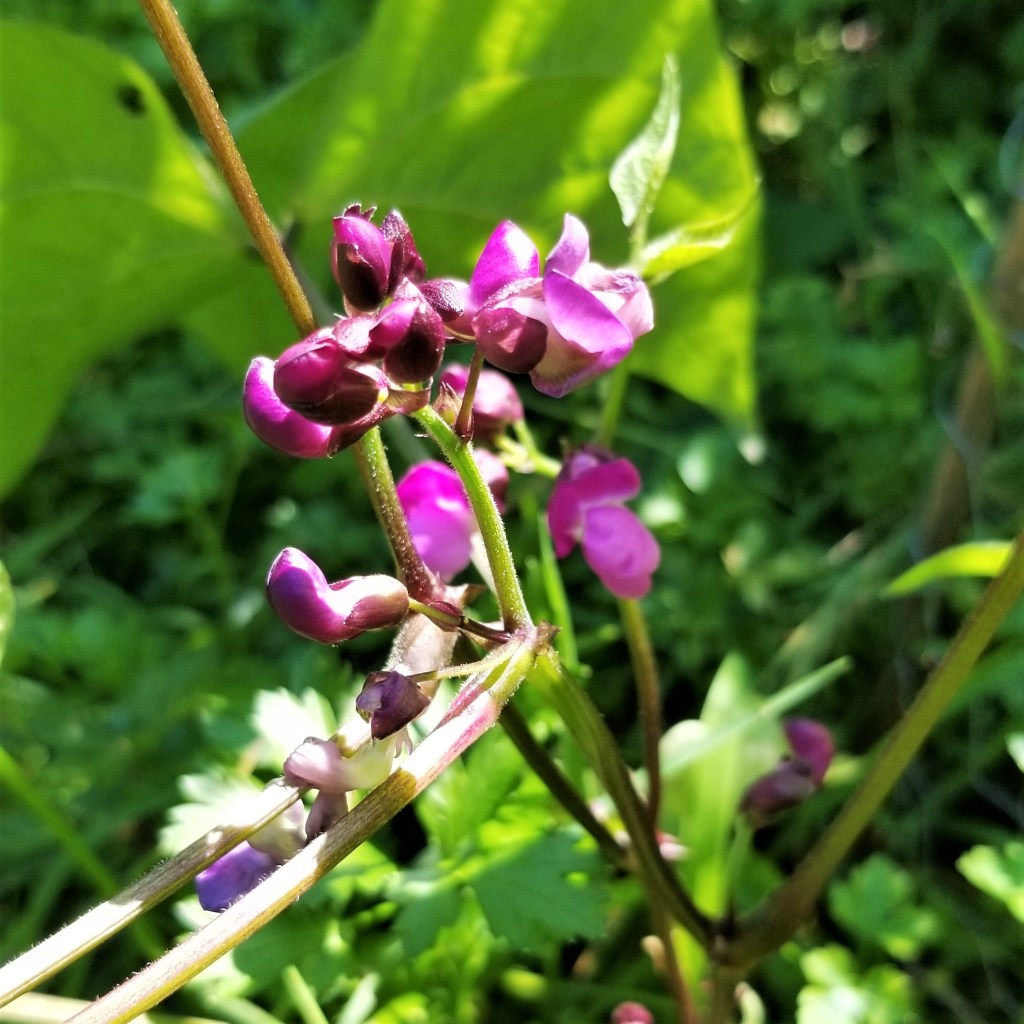
5) Purple Snap Beans sprout and grow fast, as many beans do, and develop into a short bush with pretty purple flowers; bean pods of the same colour follow shortly. Although they lose their purple tinge once cooked, it is easy to get these snap beans to the perfect texture, as they are to be removed from heat as soon as they turn green. They are delicious as a side, or cooked with eggs, in a creamy chipotle sauce, or with chorizo, just to name a few possibilities.
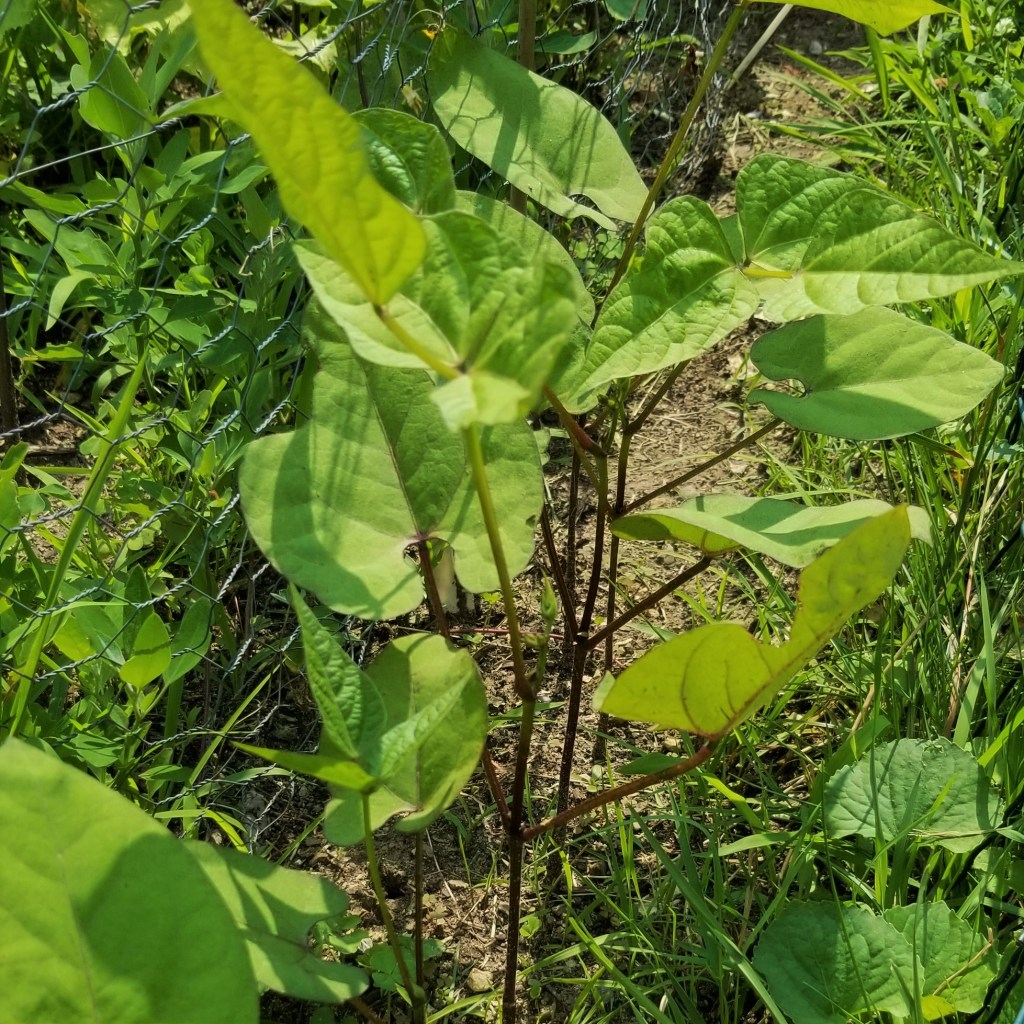
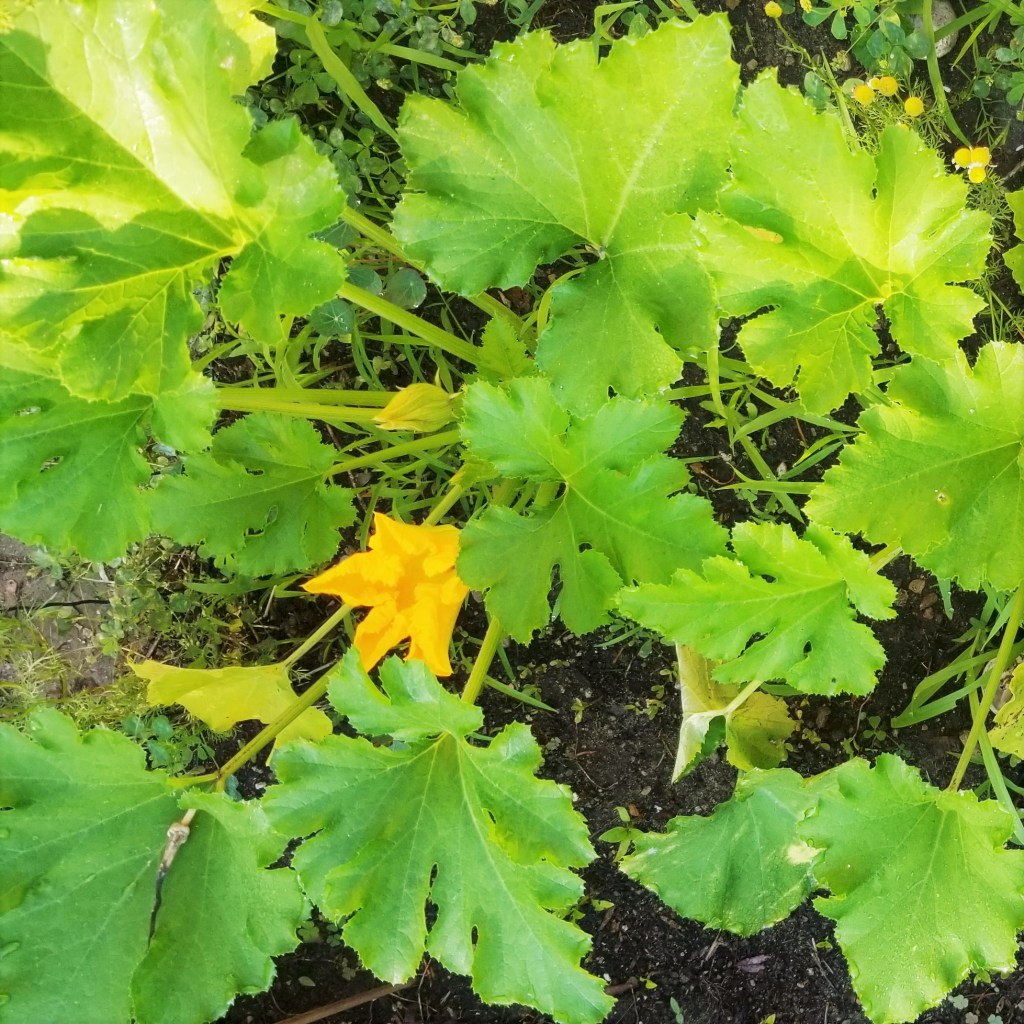
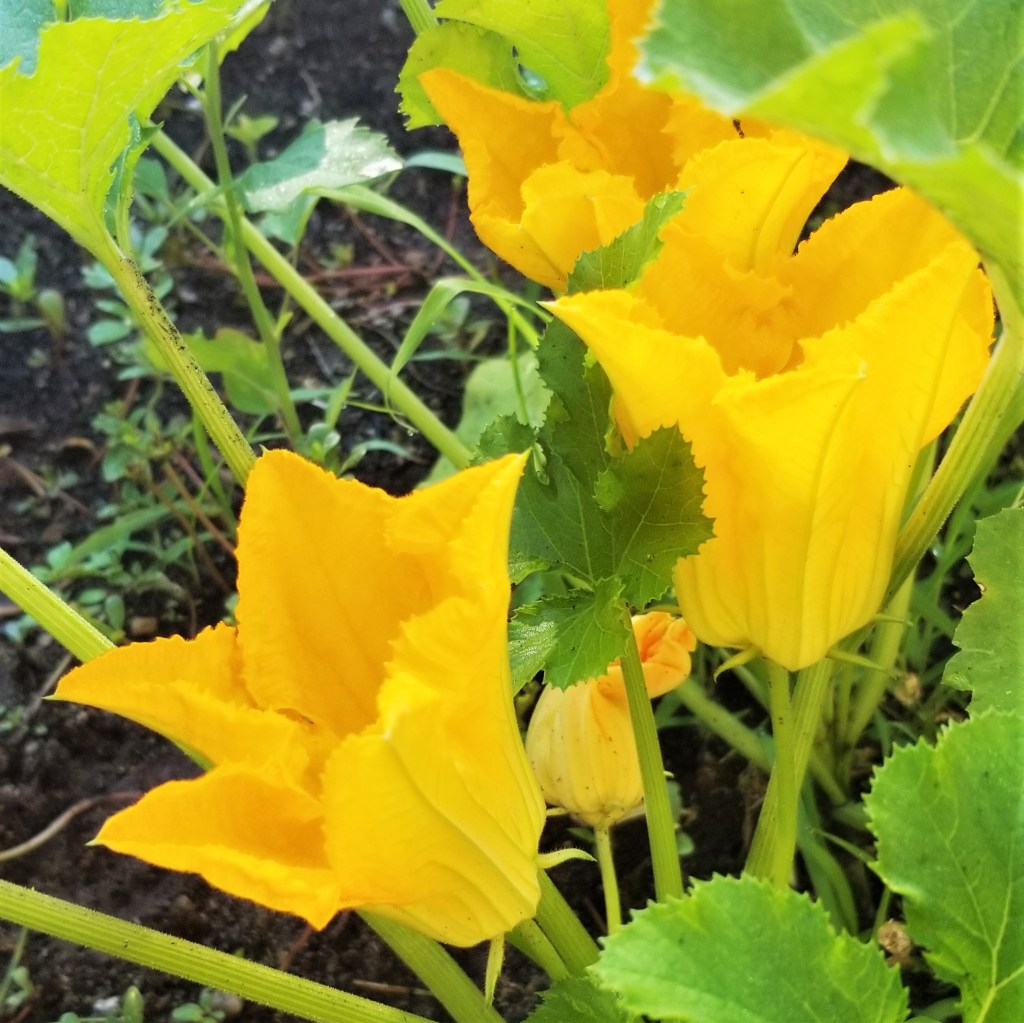
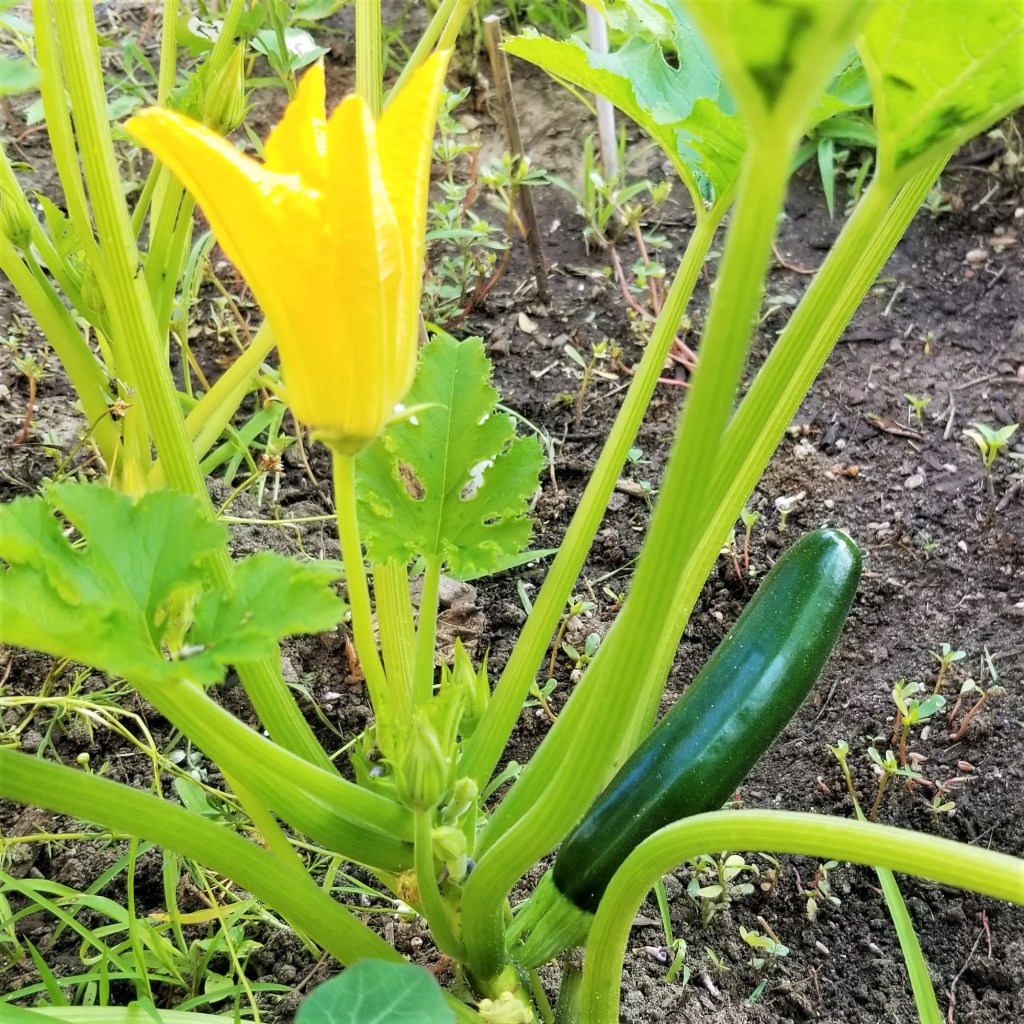
6) Zucchini is often the subject of jokes about people leaving bagfuls of them at their neighbours’ doors to deal with bumper crops; I have rarely had that nice problem, and my plants usually produce a few fruits, then they start to wilt. Sometimes it is from the nasty squash vine borer, which goes in through a stem and eventually kills the plant; other times, it is from mildew, and others, they just do not thrive due to weather conditions, like last year. This year I have had a few good zucchini, and now the plants are still blooming but only male flowers, and the leaves look unhealthy, so I expect no more fruit.

I am joining Six on Saturday for August 19, 2023, hosted by Jim Stephens @ Garden Ruminations.
I am sharing these pics at Cee’s Flower of the Day (FOTD) Challenge for August 19, 2023.
What positive emotion do you feel most often?
As the summer season seems to be coming to a premature end this year, I am grateful that, in spite of the adverse circumstances, I have been able to harvest fresh crops, especially because, other than the zucchini, it would not be typical to find these particular varieties at the store. Squash, beans, chiles (peppers), tomatoes, tomatillos and (to my surprise) even cucamelon, are all types of produce that originated in Mexico and Central America, so I should be able to put together some nice Mexican dishes with this summer harvest.






 My Slice of Mexico
I love the Cucurbitaceae. Not just the fruits, but the leaves and flowers are also edible. I wonder how they survived in the wild with no defenses: neither thorns, nor poisonous chemicals.
LikeLike
Yes, maybe by being prolific? Pollinators love them, and animals eating the fruit end up spreading the seed.
LikeLiked by 1 person
I love your little watermelon wannabe.
LikeLiked by 1 person
Cute, right? Curiously, I have never seen them in Mexico, have you?
LikeLike
Nope. I’ll keep an eye out, though.
LikeLiked by 1 person
I have never seen a Cucamelon before. They are so tiny. Great photos for today and thanks for playing along 😀
LikeLike
My first time, as well. They taste just like a super crunchy cucumber. Thanks for hosting, Cee!
LikeLiked by 1 person
I envision a salad of the cherry tomato, the melon, basil, feta cheese on mixed greens? Or incorporate the melon into a salsa? With tomatillo…pickled peppers.. The melons are gorgeous!
LikeLike
Yummy to all of the above!
LikeLike
I would not have guessed the opening photo had such tiny fruit! I thought they were several inches, at least.
LikeLiked by 1 person
Cucamelons are so cute! I keep on meaning to plant some but haven’t been having much luck with cucurbits lately so fear for their survival.
LikeLike
The advantage of cucamelons is that they do not have a long growing period, so they are easier than cucumbers or other larger cucurbits.
LikeLike