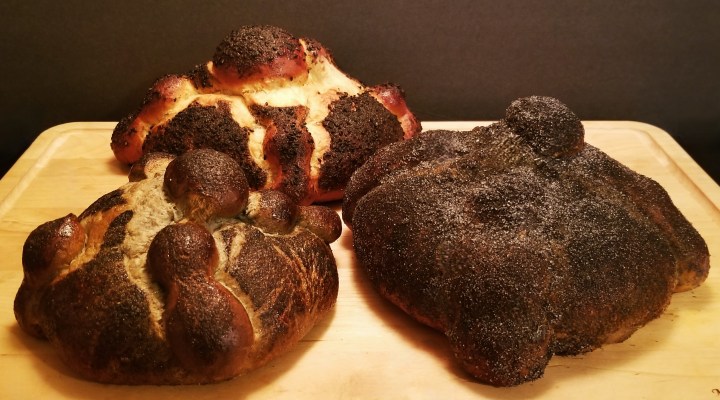
Black Bread for the Day of the Dead

Black Bread for the Day of the Dead

In recent years, many variations on pan de muerto, the traditional bread for Mexico's Day of the Dead,have been created, such as stuffing with sweet fillings, or adding flavourings like chocolate or mole, which also change the colour to brown.  Another innovation, which has been trending for almost a decade now, is to add black edible agents, either to the dough, or to coat after baking.  Activated charcoal or food colouring are popular choices, but the original method is to use dry corn husks (called totomoxtle , form totomochtli  in Nahuatl) ... click on title for more
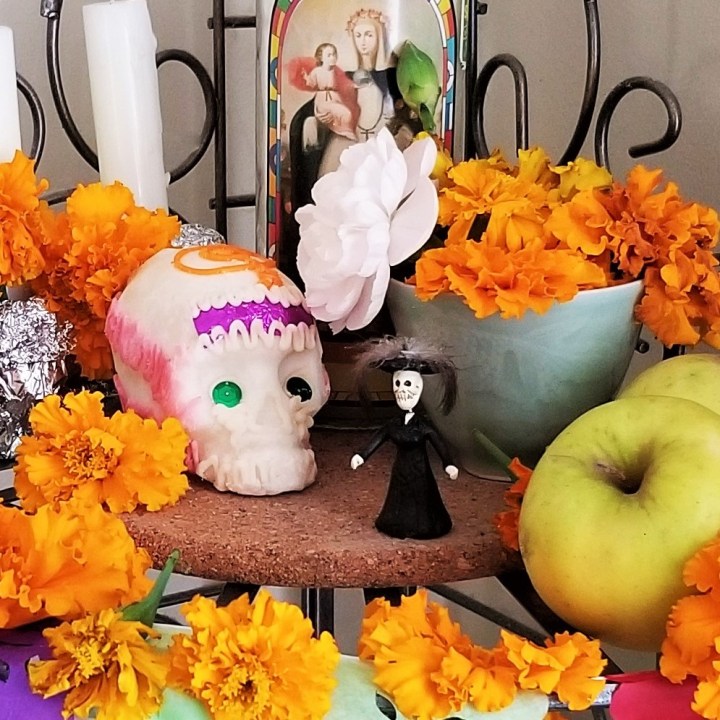
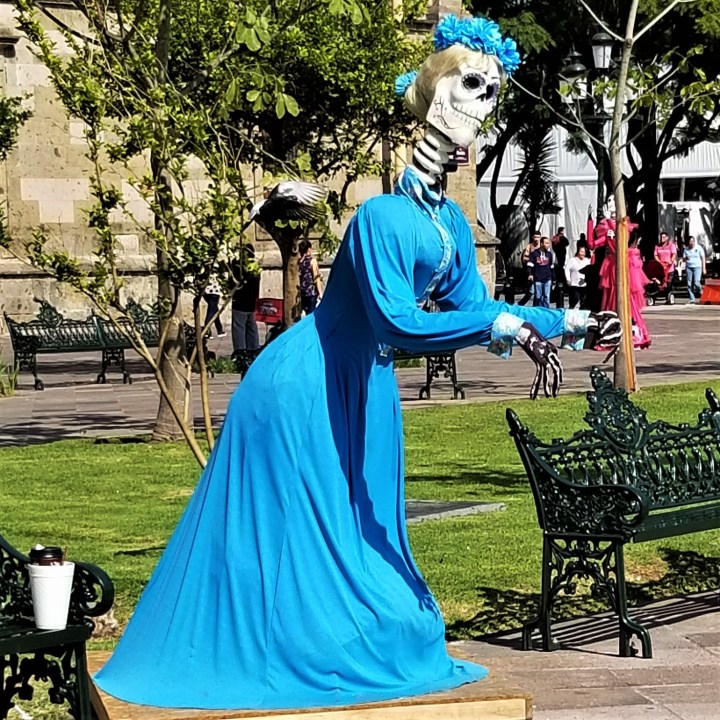
José Guadalupe Posada – La Catrina’s Journey to the Day of The Dead

José Guadalupe Posada – La Catrina’s Journey to the Day of The Dead

José Guadalupe Posada was born in Aguascalientes; his illustrations and political commentary using skulls and skeletons eventually became associated to the Day of the Dead, and his "calavera garbancera" entered the folklore of the festivities with the name coined by Diego Rivera: "La Catrina" ... click on title for more 

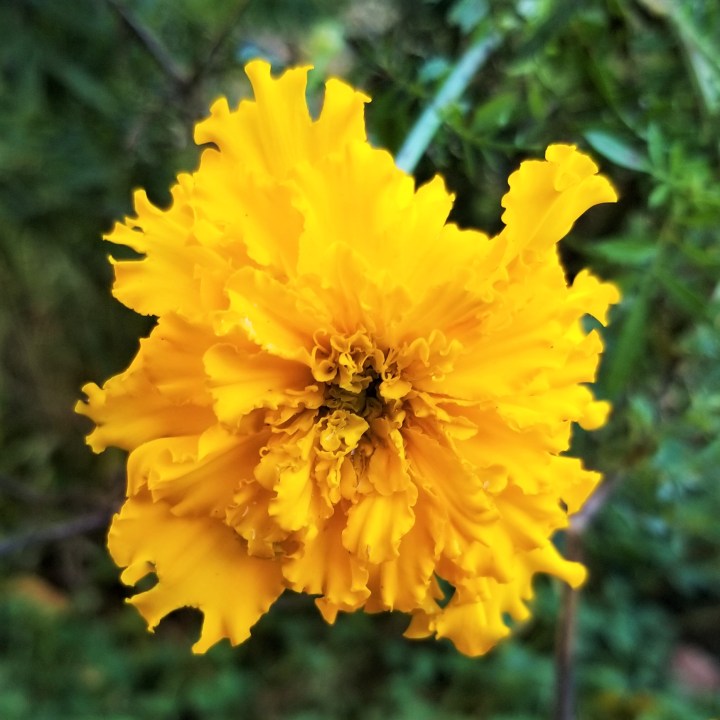
Flower of the Day of the Dead – Cempasúchil

Flower of the Day of the Dead – Cempasúchil

Cempasúchil (Tagetes erecta) is an annual plant, originally native to Mexico, known in English as Mexican marigold, Aztec marigold, or wrongly, African marigold.  Used as the traditional flor de muertos (flower of the dead) in Mexico, cempasúchil is extensively found adorning tombs, and in offerings for All Saints Day, and Day of the Dead (November 1 and 2). In my garden, cempasúchil was one of the new-to-me backyard crops this year; back in September, the plants showed a precocious blooming peak, and I wondered if there would be any flowers left by early November ... click on title for more

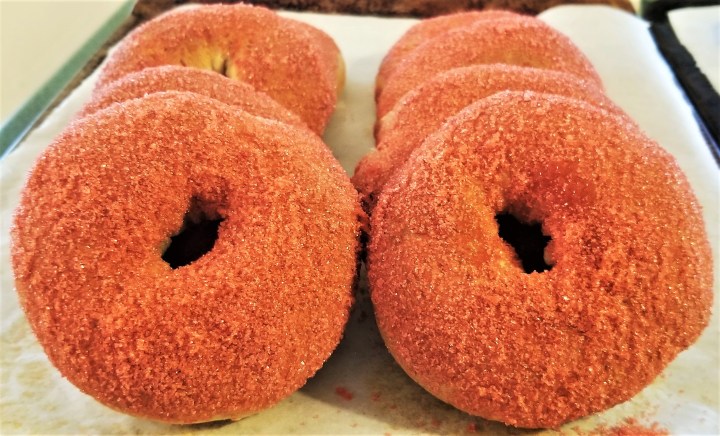
Golletes – A Less-Known Day of the Dead Bread   

Golletes – A Less-Known Day of the Dead Bread   

Pan de muerto (literally, bread of the dead) is sweet bread that is almost always included in Day of the Dead offerings, and traditionally eaten on November 2nd, observed in Mexico as El día de los fieles difuntos, or Día de los muertos (Day of the Faithful Departed, or Day of the Dead.) In previous years, I have shared two types of this bread: the best-known version, a round bread decorated on top with dough bones and tears, and coated with sugar; the second is known as Pan de yema, a type of egg bread topped with sesame seed, from the Mexican state of Oaxaca, which is baked all year round, but decorated in a very special way for the Day of the Dead. This year, I have tried making Golletes, a less-known but very traditional Day of the Dead bread recipe, prepared mainly in Central Mexico.  Golletes are more compact compared to the other two types; they are shaped as rings, and coated with granulated sugar coloured in a bright shade of pink ... click on title for more