
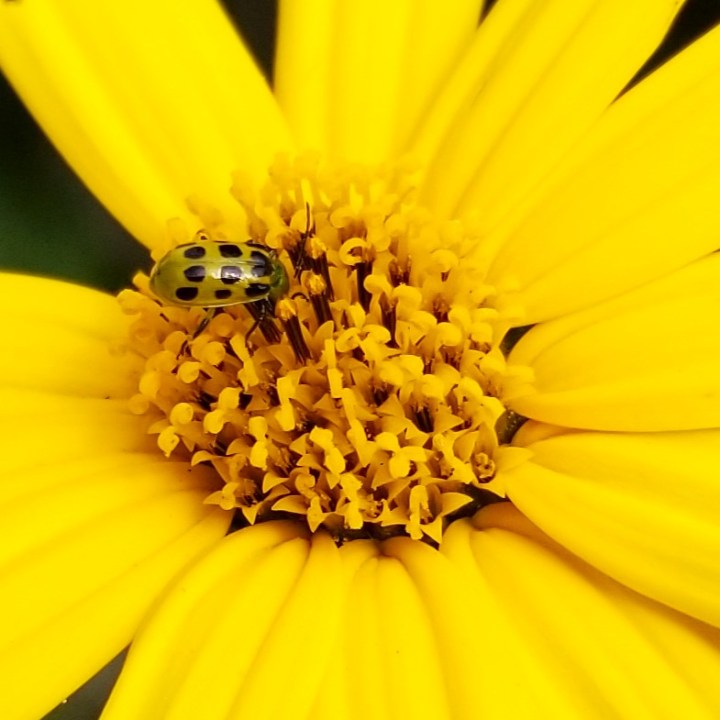
The weather is getting colder in Southern Ontario, and it is time to tidy up the garden. Here are six happenings in my backyard this week:
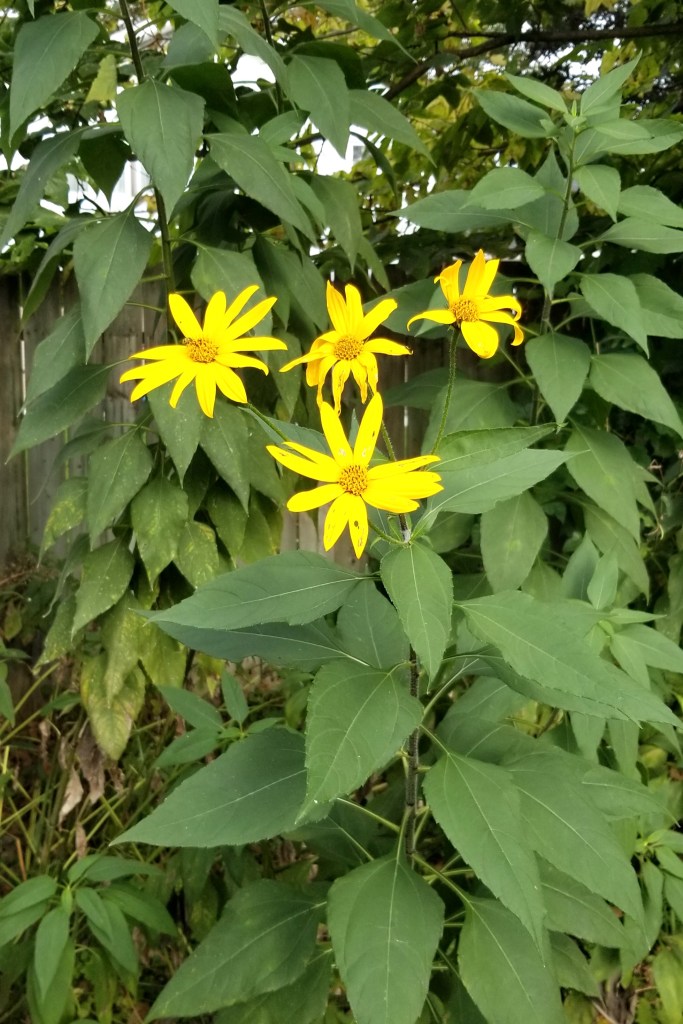
1) I planted sunchokes (Helianthus tuberosus), for the first time in 2021, and since then, I have enjoyed stable harvests either in late fall or early spring. The best time to harvest sunchoke tubers in the fall is after a hard frost, so my plants still have a couple of weeks to go, but they have grown so tall, and their flowers have been so pretty this year, that I had to include a couple of photos (top of this post, and below):
Click on highlighted text for sunchoke recipes and stories for: Roasted sunchokes, pickled salad, and pork in morita sauce.
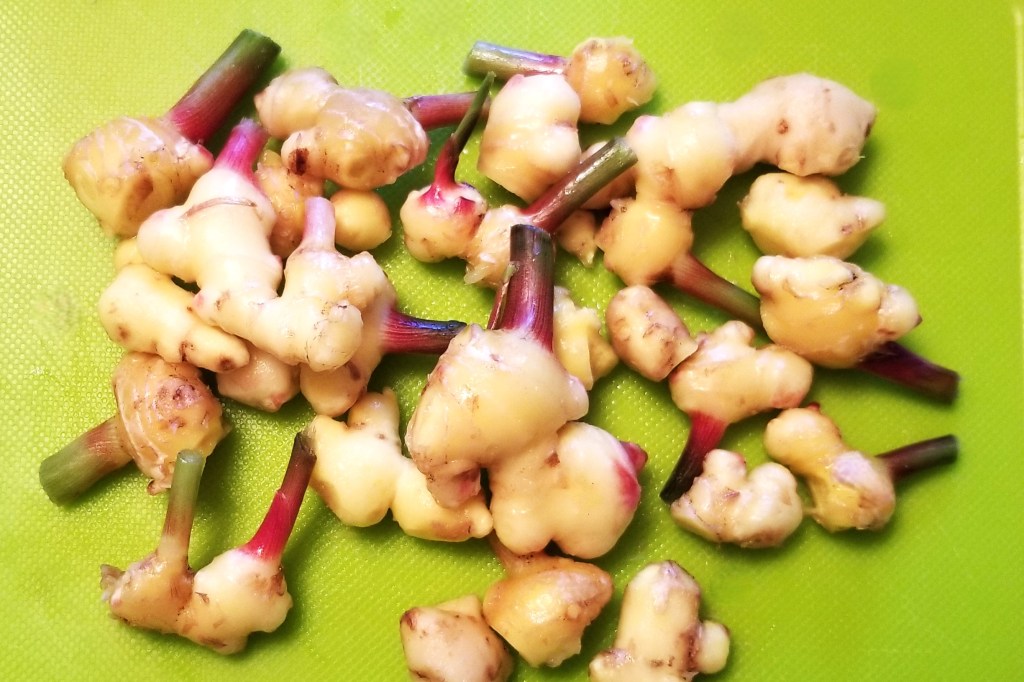
2) I have shared a few posts about ginger in the past; I grow it in a large pot, which stays indoors in late fall and winter, and goes to the patio in the spring. Although it is easy to buy ginger any time, the fresh tender ginger that I harvest in the fall is worth the trouble; the young rhizomes are light in colour, with a pinkish tinge at the top:
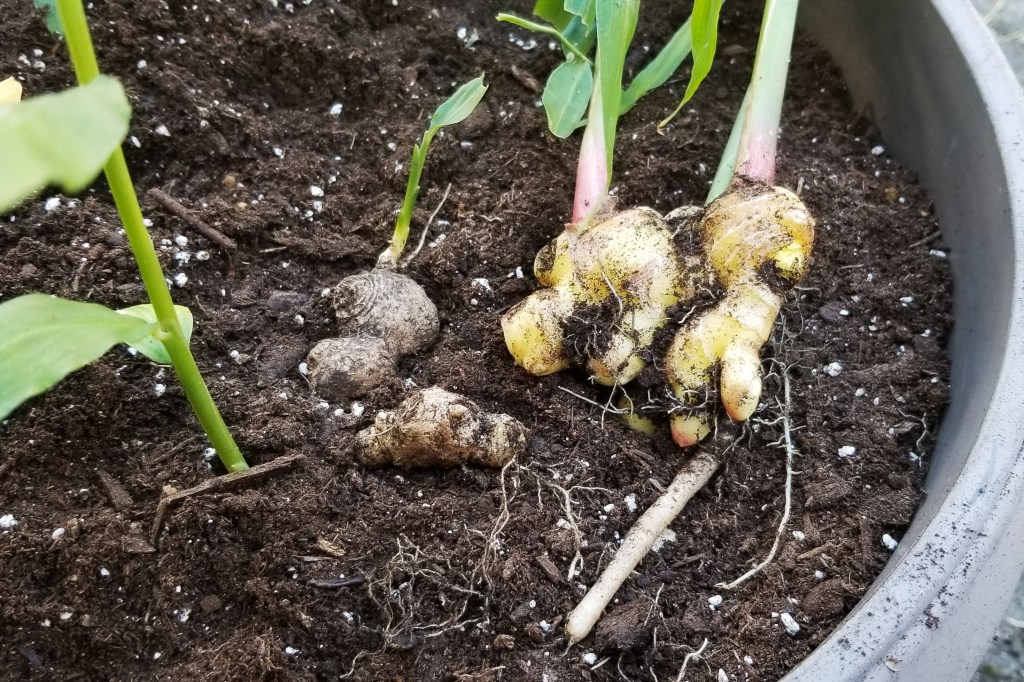
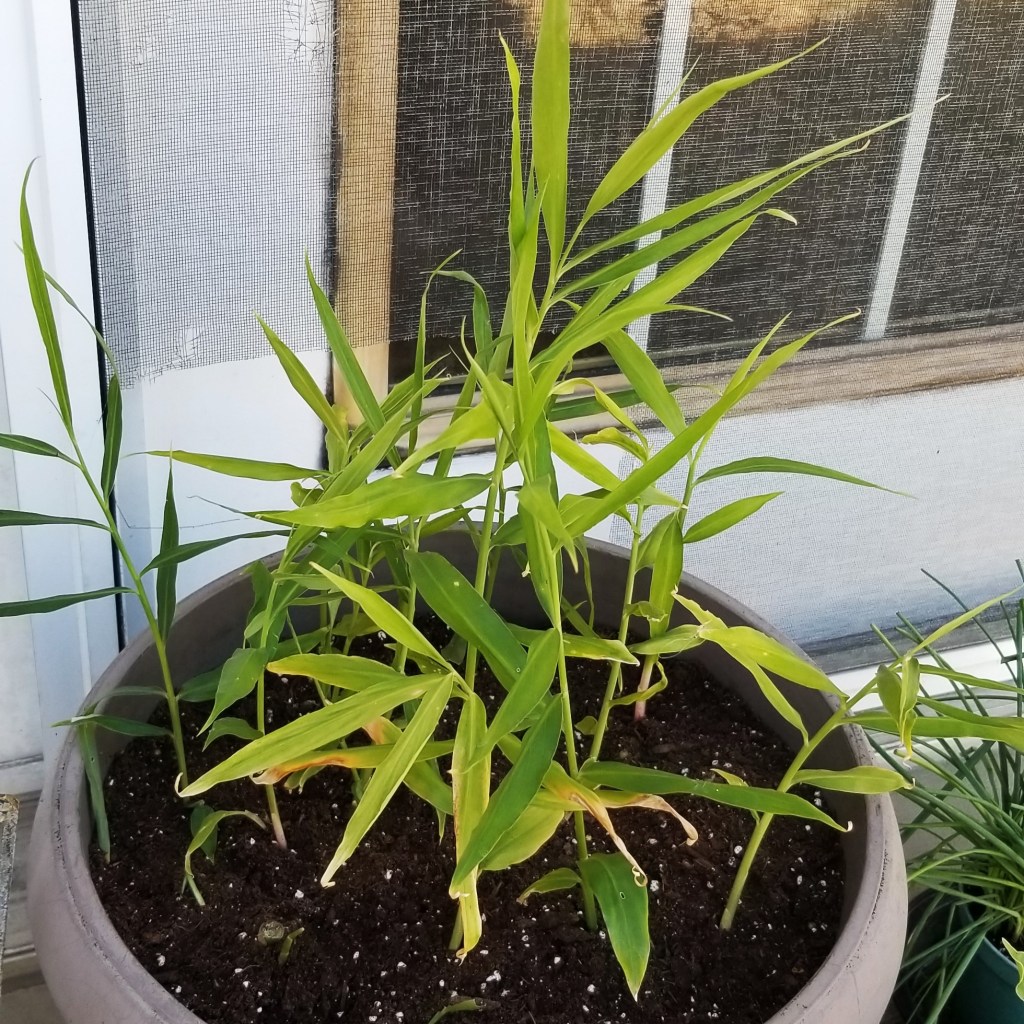
I replant a few of the older-looking, brownish pieces (for example, in the photo above, the piece on the left looks hard and dark, and is already sprouting new leaves); after re-planting, the pot is ready to go indoors any time:
I brought the juiciest and plumpest pieces to the kitchen:
For details on how to process new ginger, and a couple of recipes, click on the highlighted text for: ginger limeade, Japanese pickled ginger (gari), and Birria.
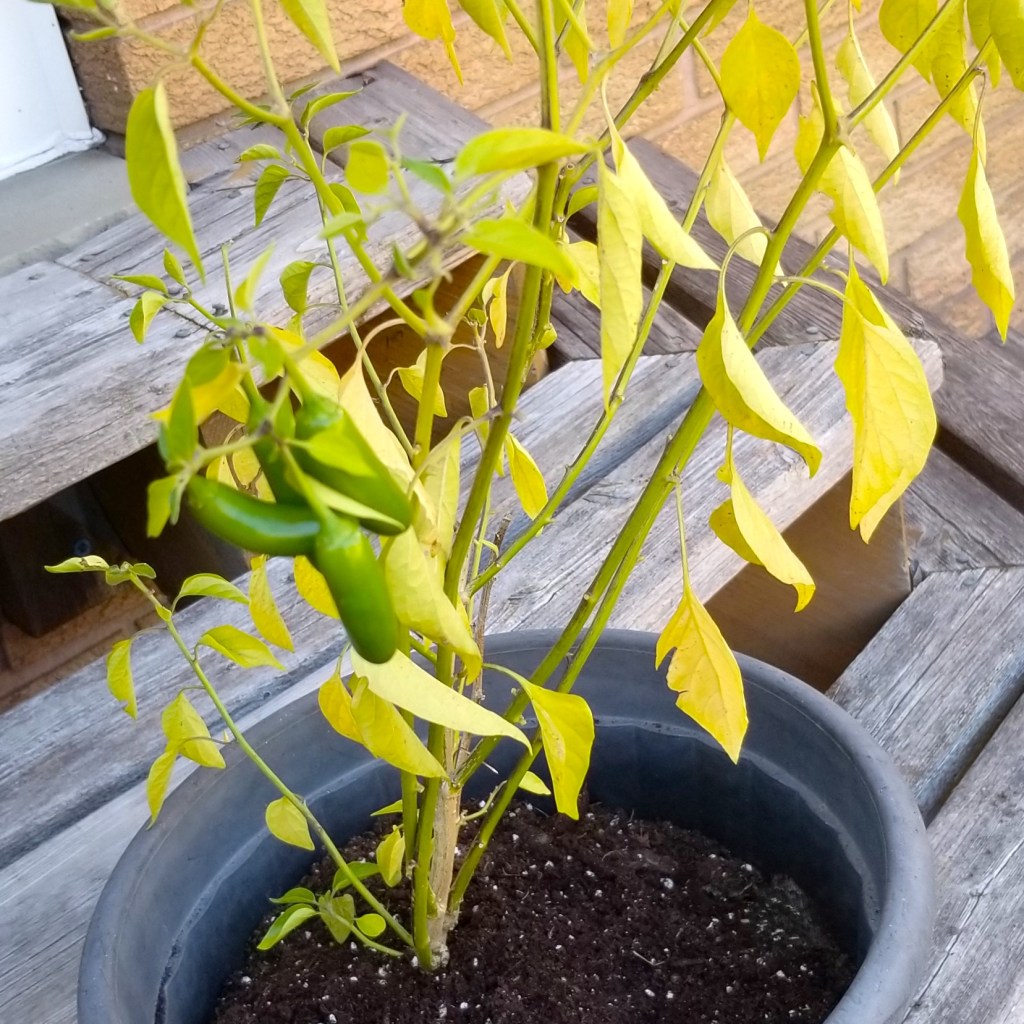
3) I usually plant peppers as annuals, but this serrano pepper has survived in a pot for two years; it still has a couple of peppers on, but it is time to bring it indoors:
Serrano peppers are a staple in Mexican sauces and stews, for example, Charred Green Sauce, and Meatballs in Tomato Sauce.
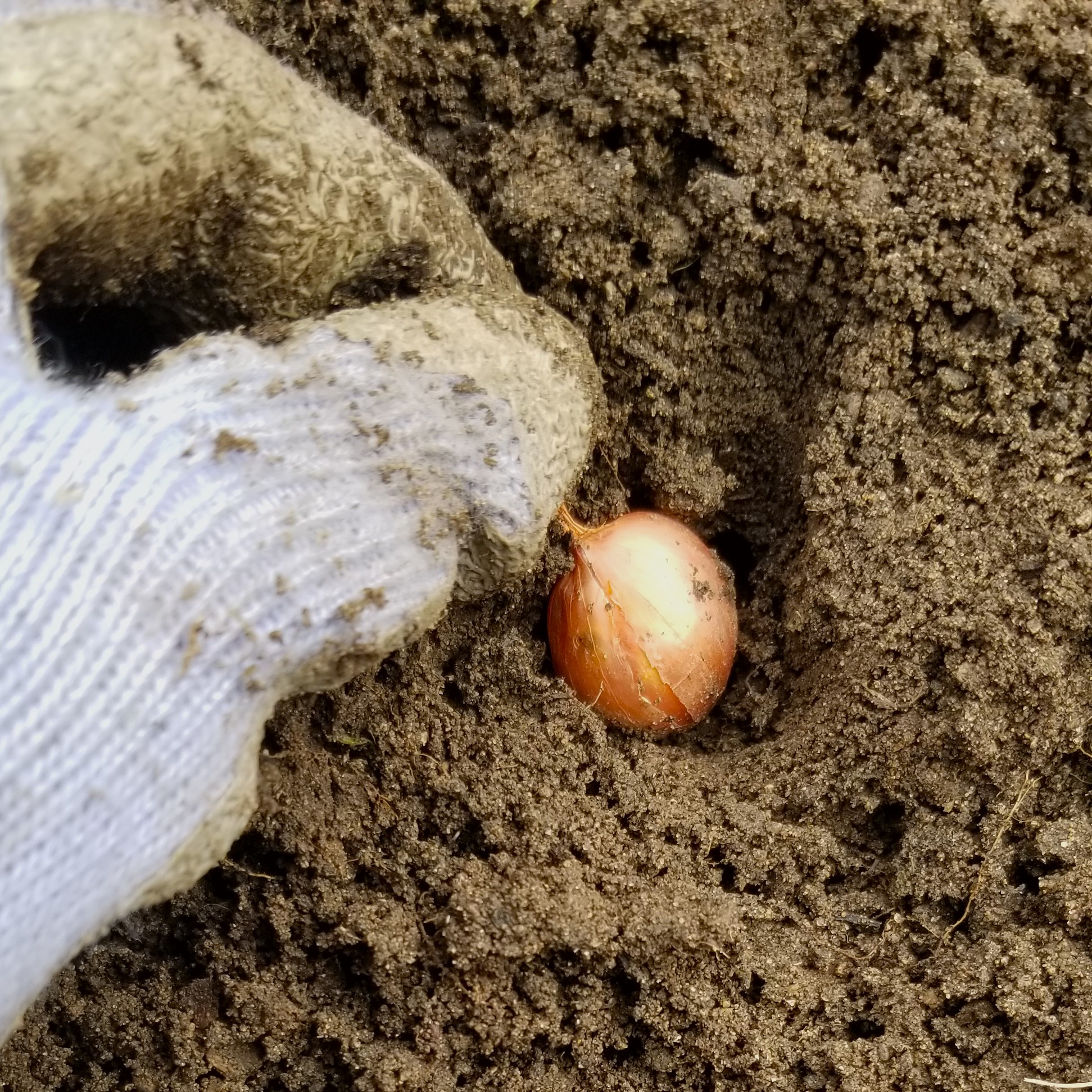
4) Shallots are not used in Mexican cooking too often, but they are a nice crop to have in the backyard, and very easy to grow. In some regions it is possible to sow shallot sets in the spring, for a fall crop, but for me, it works better to sow in late summer or fall, and harvest in late spring. Start with sets or some small shallots saved from the previous harvest; simply make a shallow well, and place shallots one by one, about four inches apart:
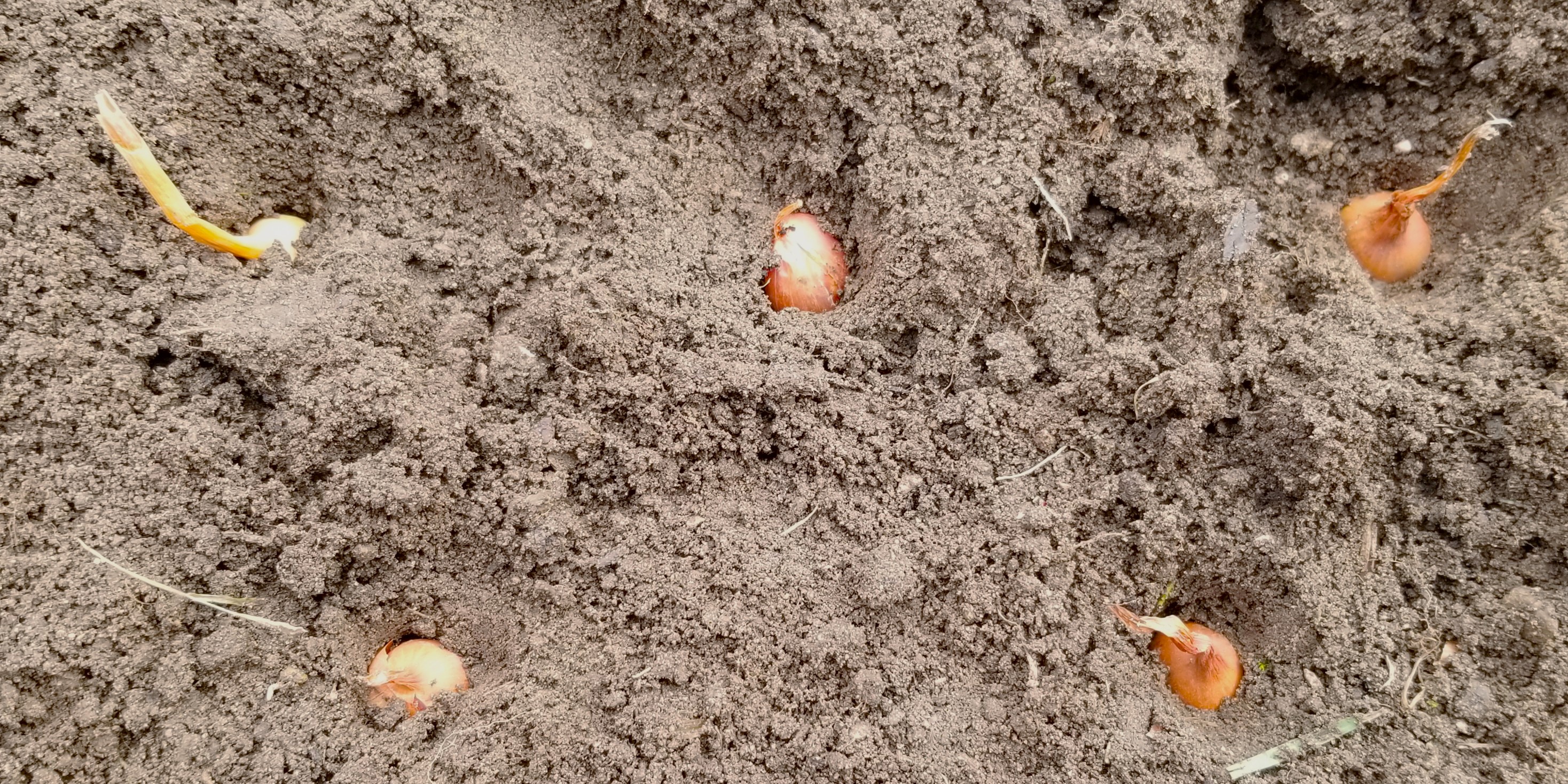
Cover with compost or top soil. To incorporate shallots into any Mexican recipe, simply use instead of garlic (for a milder taste), or of onions (for an extra layer of flavour), for example in the red sauce for my Sinaloa Style Chicken.
5) Garlic is one of the easiest and most satisfying crops to grow in the backyard. When sowed, each garlic clove will develop into a whole bulb. Here in my 6B zone garden, I plant hardneck garlic cloves in the fall, and harvest scapes in late spring, and the bulbs by mid-summer the following year. The secret to keep a sustainable source for planting year after year is to save as many cloves as bulbs are expected for harvest time. A standard estimate is to save about one quarter of the largest bulbs for the next crop. I usually plant the cloves the last week of September, but this year the weather has been quite warm, so I waited a little longer and sowed them a couple of days ago. Separate cloves trying not to remove more than one or two layers of the dry papery skins. Dig a trench in the soil and sprinkle a good amount of compost; place individual cloves of garlic along the trench, root end facing down (wide end), about six inches apart:
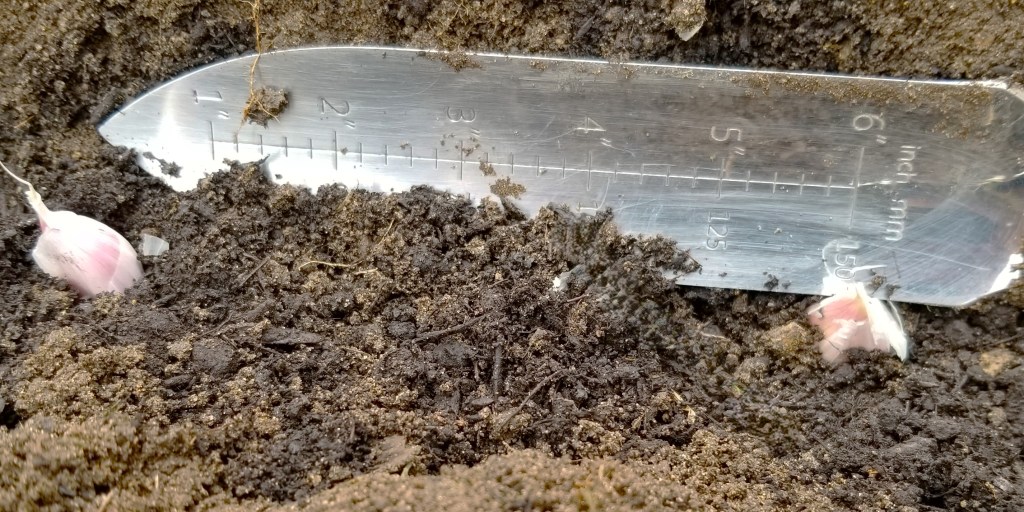
Sprinkle more compost on top of each clove:
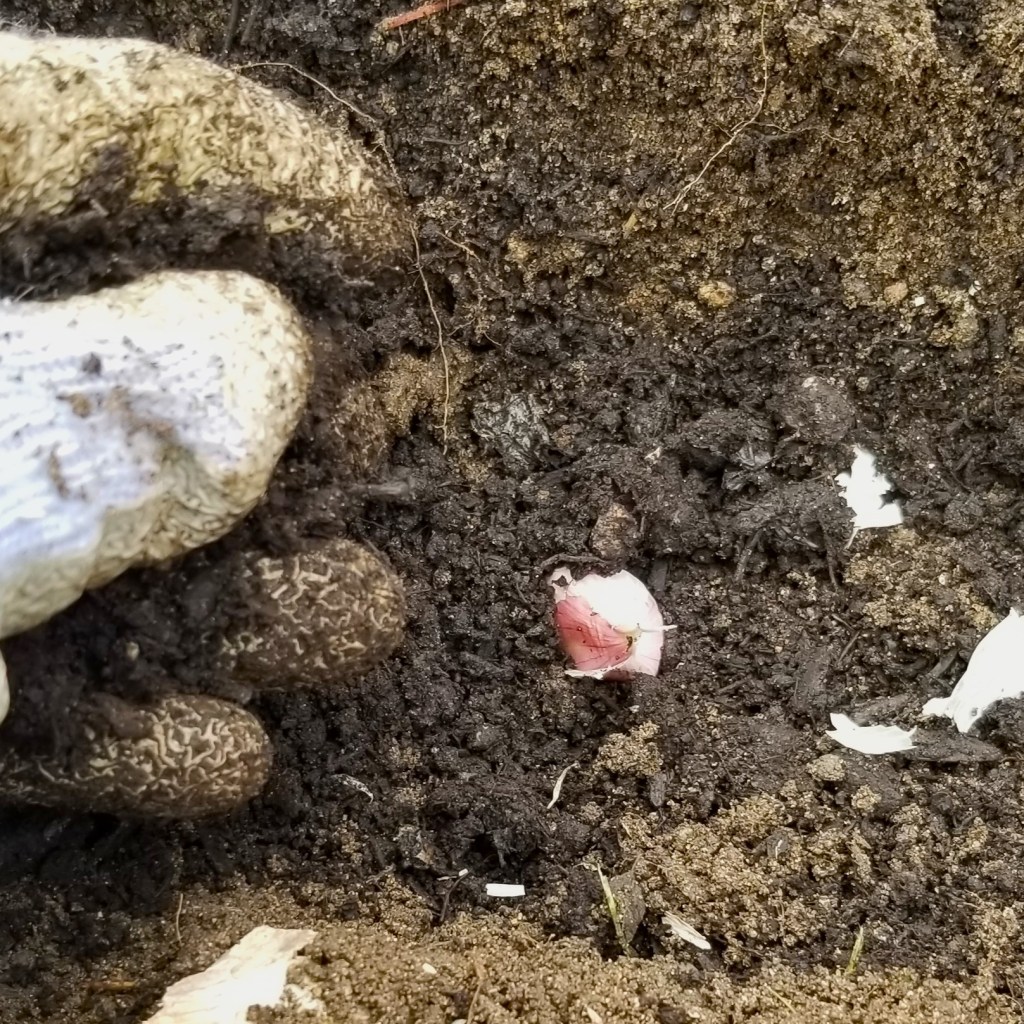
Replace the soil, closing the trench, and patting gently. The cloves might sprout in a couple of weeks, but will go dormant during winter, and will resume growth in the spring. There are many recipes in my blog that call for garlic; some of the posts that feature garlic include: Main Course: Not for the Vampire at Heart (garlicky fish), Garlic Soup, Garlic Scape Papatzules, Baby Potatoes in Garlic Sauce.
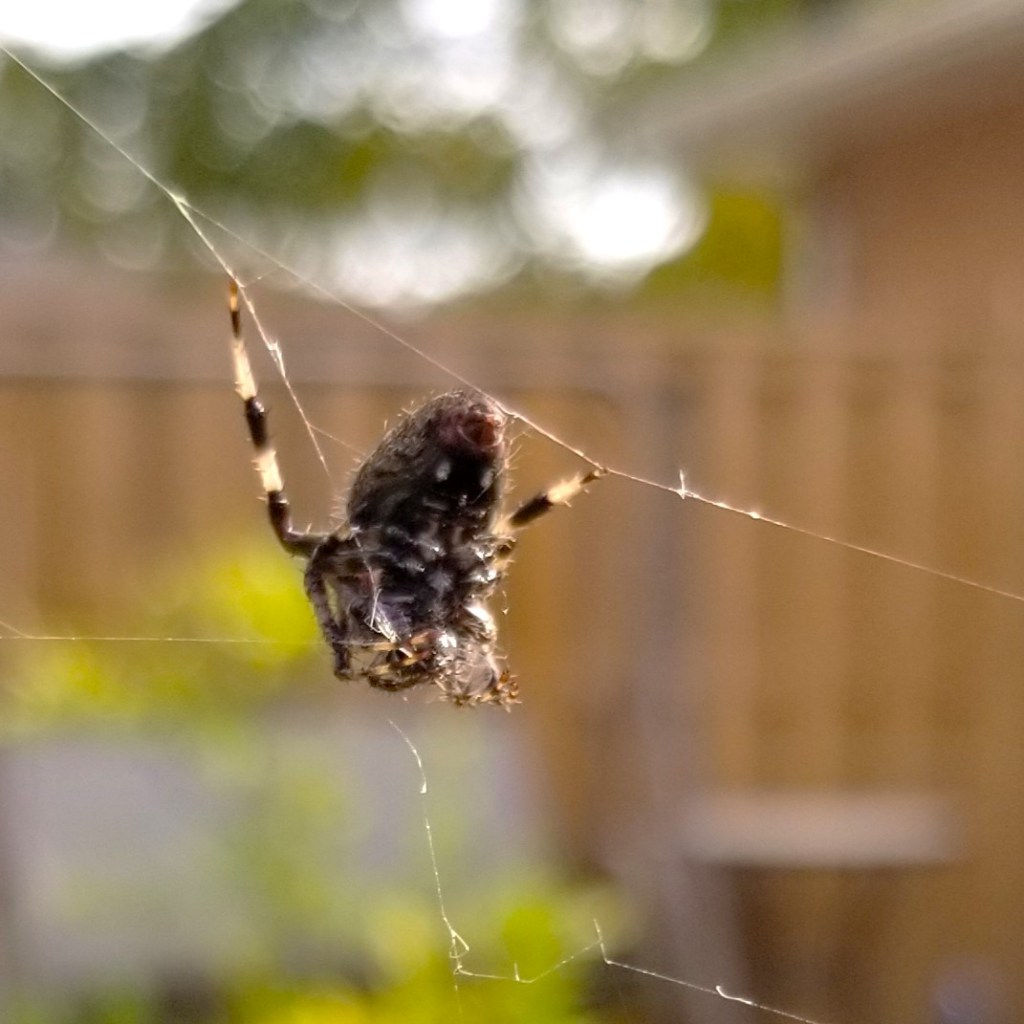
6) And one more happening is the many bugs trying to get ready for winter. Two examples are: A) Spotted cucumber beetle (Diabrotica undecimpunctata howardi) – Adults overwinter under plants or plant litter, and in the spring, although they favour cucurbit plants (squash, cucumber), they might lay eggs near corn and other grasses, too; the larvae will feed on roots and stems, then pupate underground; the new adults emerge in late summer, to feed on cucurbit flowers and fruit, but are also attracted to pollen, like the one in the photo at the top of the post and below, left, munching on a sunchoke flower; flowers are not deprived of anything when the beetles feed on their pollen, and they are even considered pollinators. B) Orb-weaver spider (Araneidae family) – Adults mate and the male dies shortly after that, while the female lays eggs in a sac, usually under a leaf; the first frost usually kills all remaining female adults, but some might survive in mild regions. The spiderlings hatch in the fall, but will stay inside the sac until spring, when they throw a thread into the wind, which carries them to new locations (this is called ballooning). In the photo below, right, an orb-weaver, probably a female, is seen hard at work building its web:
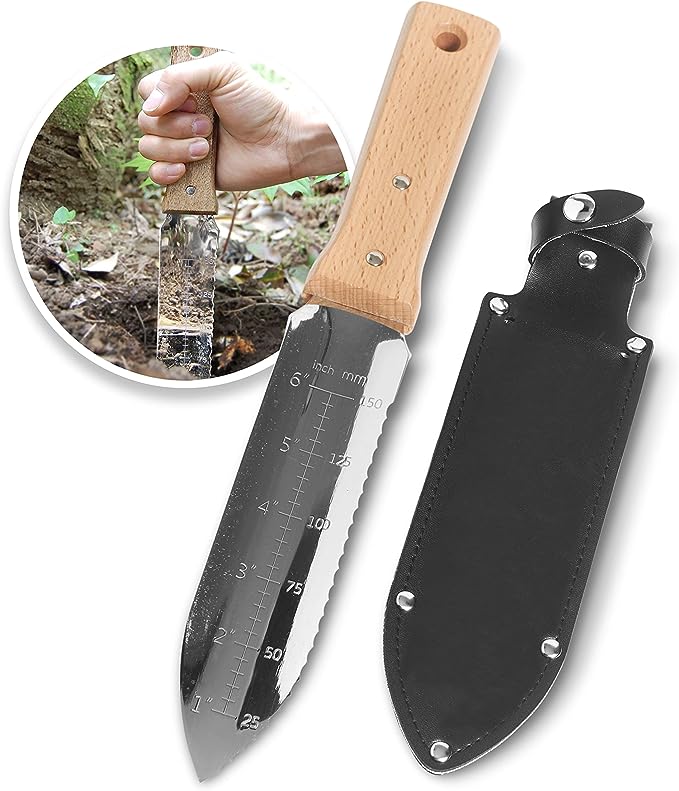
For your convenience, click on the highlighted text below for products available on Amazon™. DISCLAIMER: Any reviews included in this post are my own, for items I have purchased, not provided by any company; as an Amazon Associates Program affiliate, I might receive a commission for any purchases originated from the links below, at no extra cost to you. Thank you to readers who have bought any other products starting with a click from my links!

I am joining Six on Saturday for October 19, 2024, hosted by Jim Stephens @ Garden Ruminations.






 My Slice of Mexico
I have been working to extirpate my Jerusalem artichokes. we had a jail break two years ago and we’ve been beating them back since then. the trouble was that silly me, I forgot to check with my wife ( the chef) if she likes them. She doesn’t. So I got a population explosion and no one to cook them. I have learned my lesson – always ask the chef!
LikeLike
Wow, yes, indeed, and those guys are resilient! I try to be diligent digging them all out once a year, and re-planting only a few. Maybe you could try pickling them, the vinegar helps any stomach upsets, and they last a long time, you don’t have to be in a hurry. Good luck!
LikeLiked by 1 person
Time to dig up the root crops and put the garden to bed. I have sweet potatoes this year. I’m not sure when to dig them up!
LikeLiked by 1 person
I have never grown sweet potatoes, let me know how it worked out for you, happy gardening!
LikeLiked by 1 person
Thanks for sharing some useful tips, Irene.
LikeLiked by 1 person
Glad you found them useful, Punam!
LikeLiked by 1 person