Skipping the turkey altogether in this post, I am sharing a festive all-vegetarian menu ... click on title for more

Discover and re-discover Mexico’s cuisine, culture and history through the recipes, backyard stories and other interesting findings of an expatriate in Canada
Skipping the turkey altogether in this post, I am sharing a festive all-vegetarian menu ... click on title for more

In Mexico there are fried pastries called buñuelos, shaped from dough as balls, rings, and very traditionally, as flat discs; they are deep fried, coated with sugar and served with a dark syrup ... click on title for more
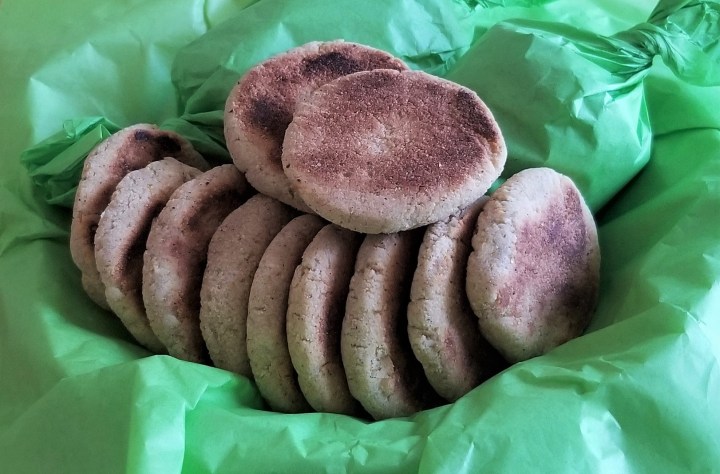
A major pilgrimage to the Basilica of the Virgin of Guadalupe in Mexico City occurs every year during this month, since December 12 is marked as her Feast day in the Catholic Church calendar. One of the most traditional treats sold outside the Basilica is a corn based sweet patty, cooked over a grill. Several patties are wrapped in bright coloured tissue paper, so they can be enjoyed still warm, out of the paper packet, or brought home without getting soggy. They have become so ubiquitous outside the Basilica, as well as many other old churches in Mexico, that hey are known as “gorditas de atrio” - "Atrium Patties" ... click on title for more

Spending Christmas away from Mexico sometimes made me miss some of the things I used to do as a kid, such as eating turrones (nougat) and figuras de mazapán (marzipan shapes) ... click on title for more

In Mexico and other Latin American countries, recipes for Russian salad probably came in the early 1900s from Spain and even Russia itself; the classic recipe is a mixture of cooked and cubed potatoes and carrots with peas and mayonnaise, which goes great as a side for meat dishes, and with sandwiches. I have posted about this salad before, but in this post, I share all the details on how to prepare my mom's recipe, which with its extra ingredients, takes this salad to another level ... click on title for more