
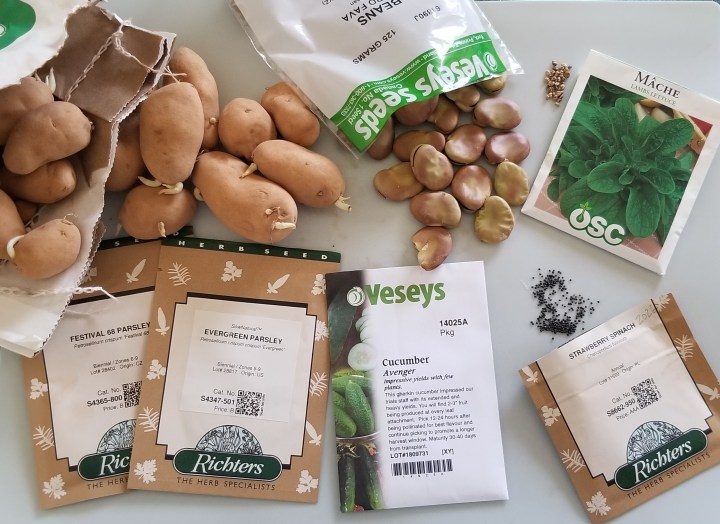
The 2026 growing season in Southern Ontario is going at full blast, but I had not had a chance to post about some of the seed I bought in early spring, shown in the photo above. In my previous post, I shared an update on my broad bean, mâche, and strawberry spinach crops, and in this second part, I will talk about mini cucumbers (gherkins), flat and curly parsley, and fingerling potatoes:
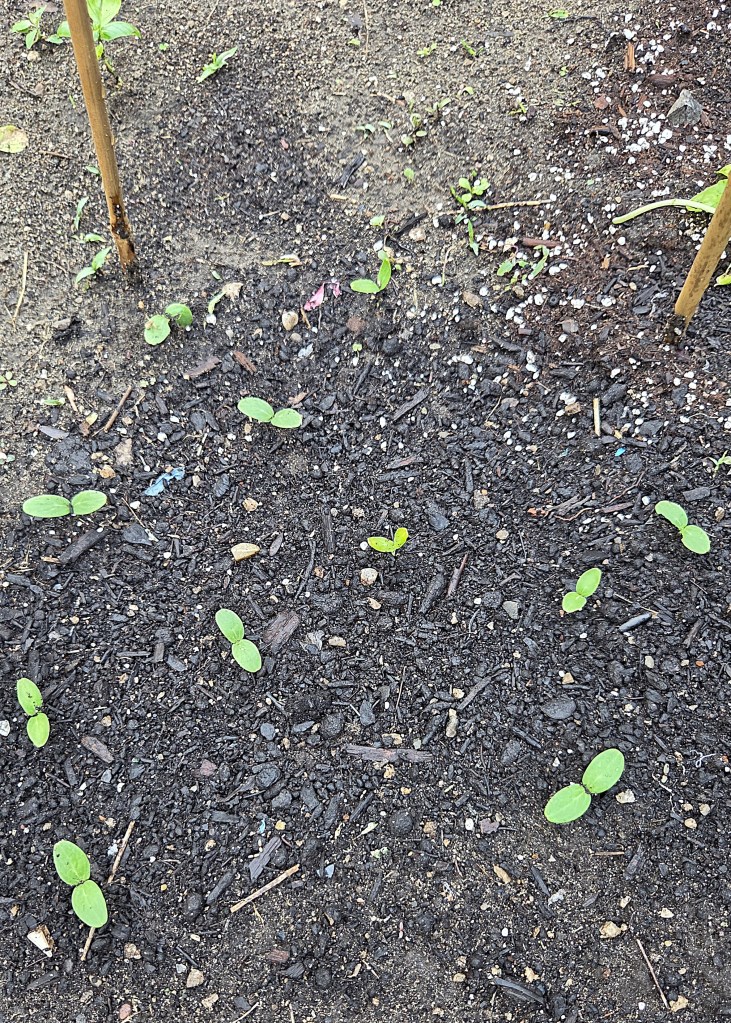
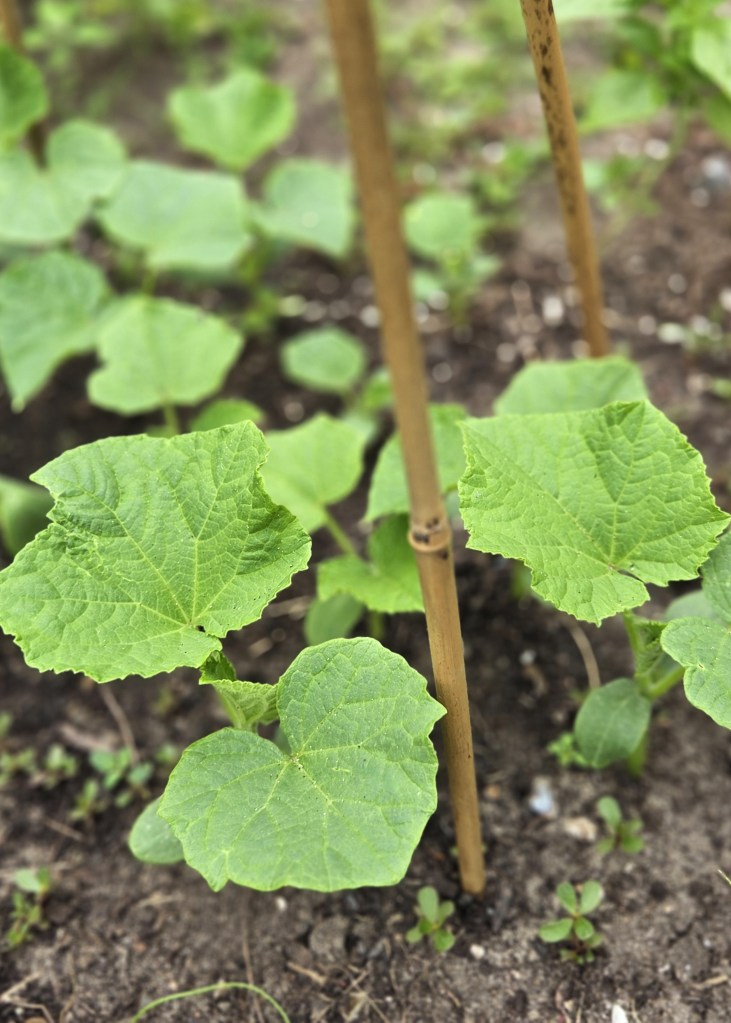
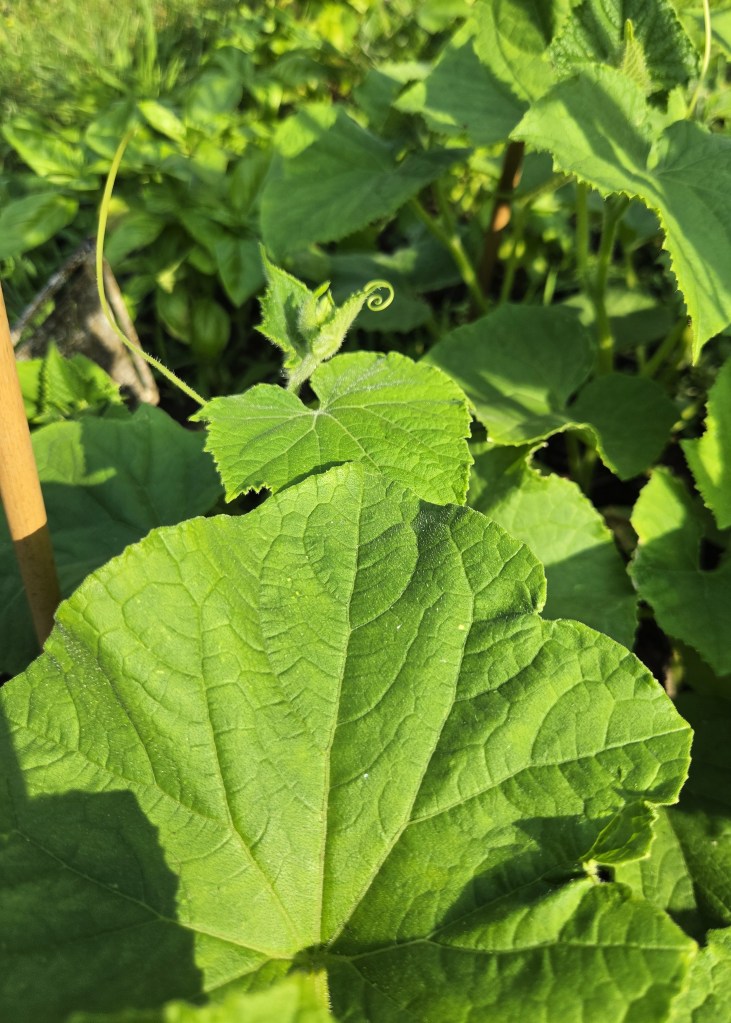
Mini Cucumbers (gherkins) – Cucumis sativus was originally domesticated in India but nowadays it is cultivated and eaten all around the world; Mexico is one of the top five producers of cucumber in the world. There are lots of varieties of cucumbers, classified as slicing (to eat raw) or pickling, and they may be long or short, cylindrical or oval shaped, and have skin ranging from dark green to almost white. I usually grow slicing, thin skinned varieties, but this year I am trying a pickling cucumber, gherkin-type, called Avenger. It is characterized by high yields and resistance to pests and viruses. Gherkins are harvested when young, at a length of two to three inches (5 to 8 cm). I started the seed directly in early June, and every single seed sprouted (photo below, left.) The vines are growing healthy and strong (second and third photos below), and started blooming the second week of July (photo below, right):
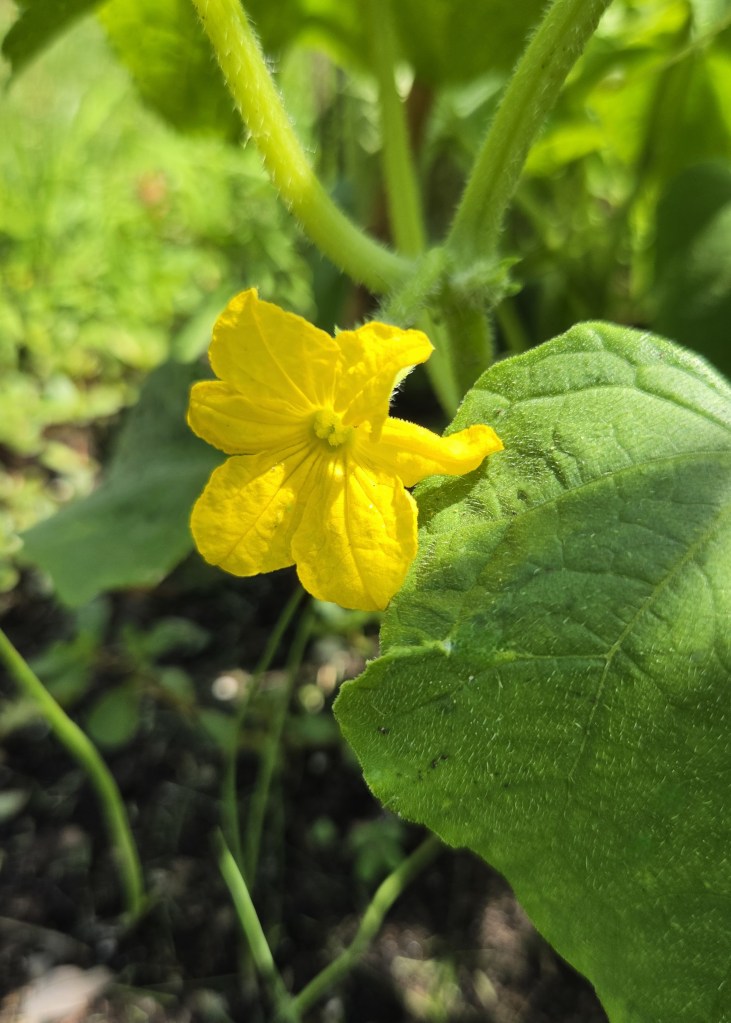
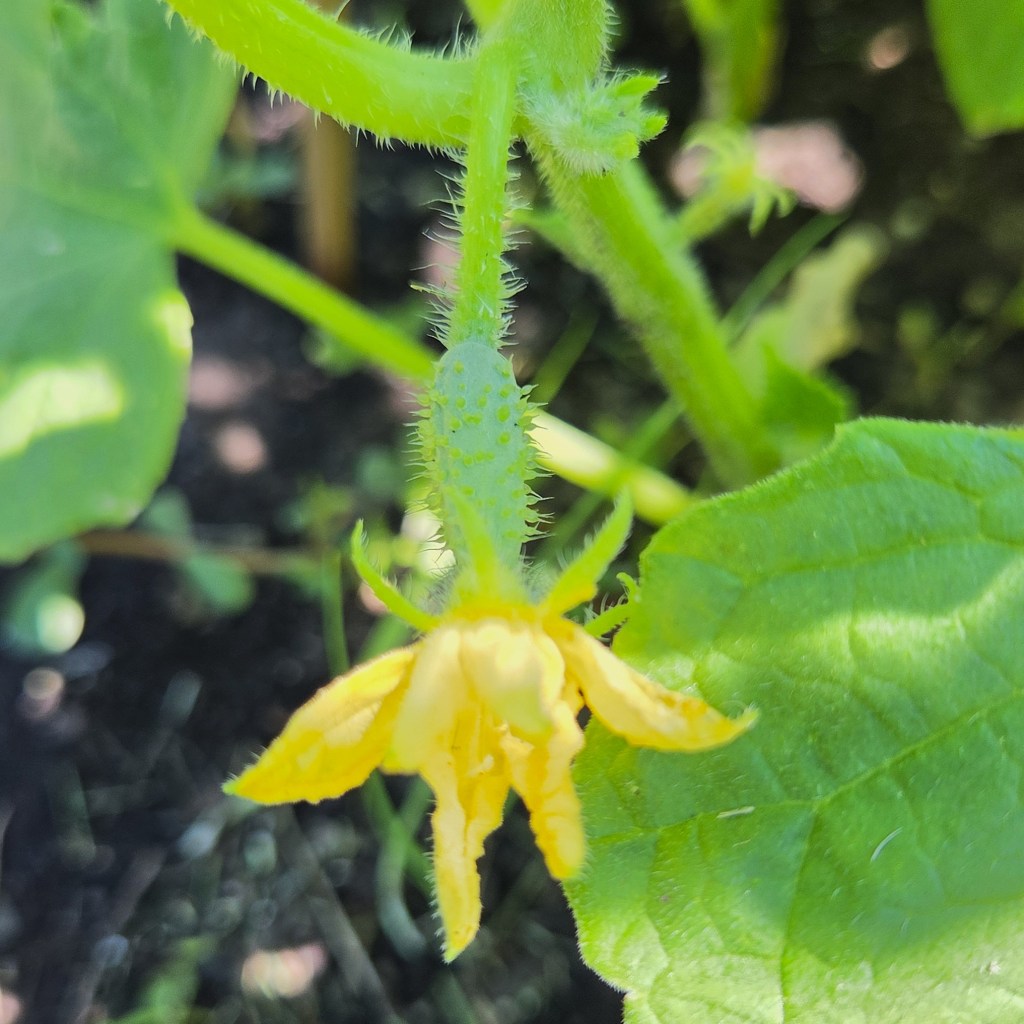
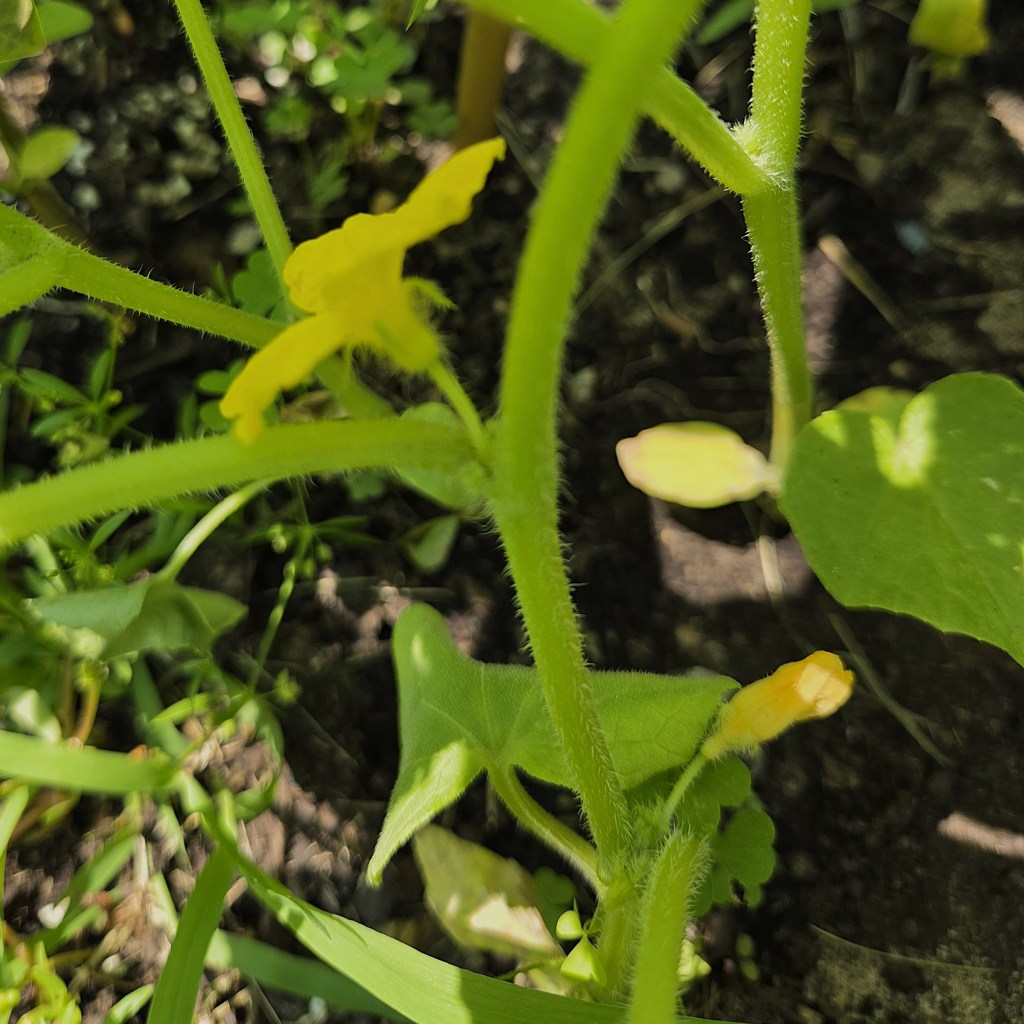
I have mentioned before that my cucumber plants are usually late to start producing female flowers, but Avenger is a gynoecious hybrid, which means that it has been developed to produce a majority of female flowers. In regular varieties, male flowers tend to appear a week or two earlier than the females, but my plants already have plenty of female flowers, like the one shown in the photo below, left. I was afraid they would not get pollinated, but I guess there are enough male flowers around (two shown in the photo below, centre), because a couple of days ago, I spotted some fruit growing (photo below, right):
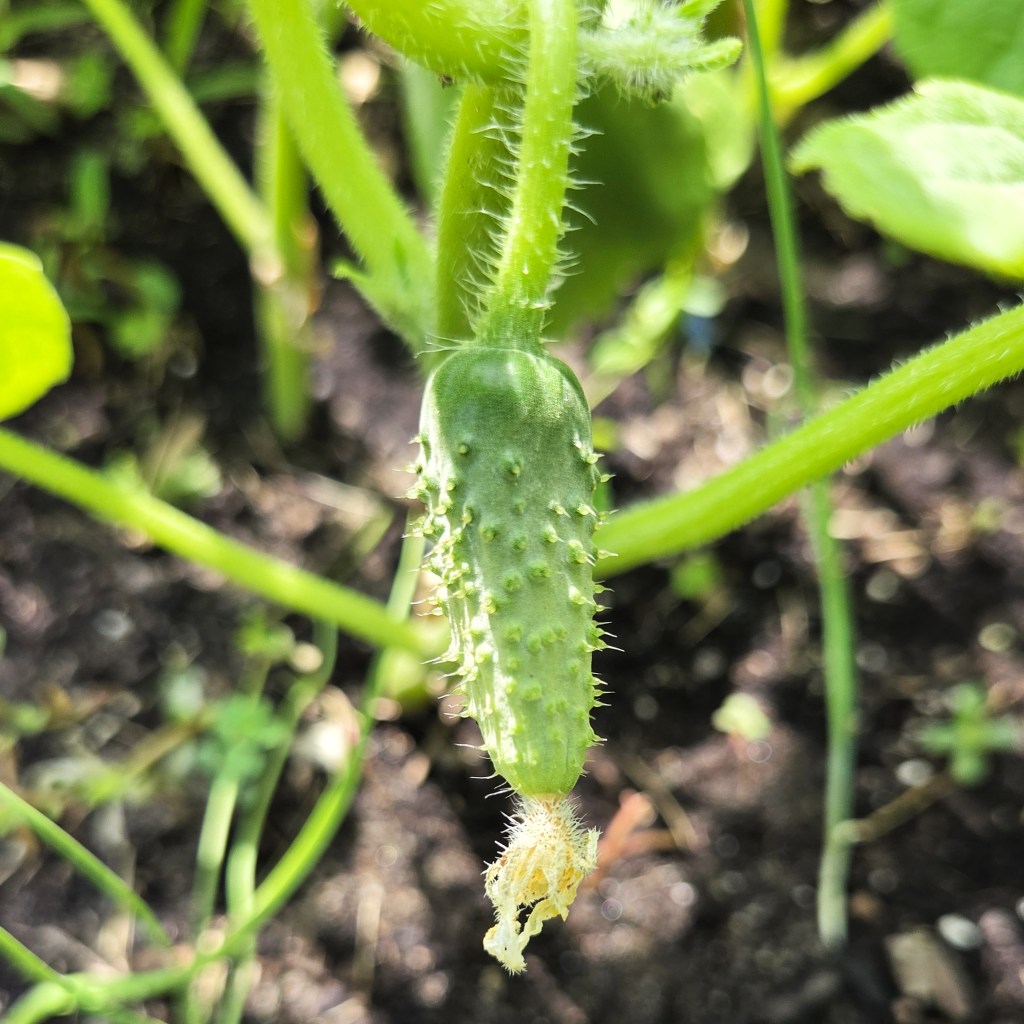
At this rate, I should be able to harvest the first young cucumbers within a week.
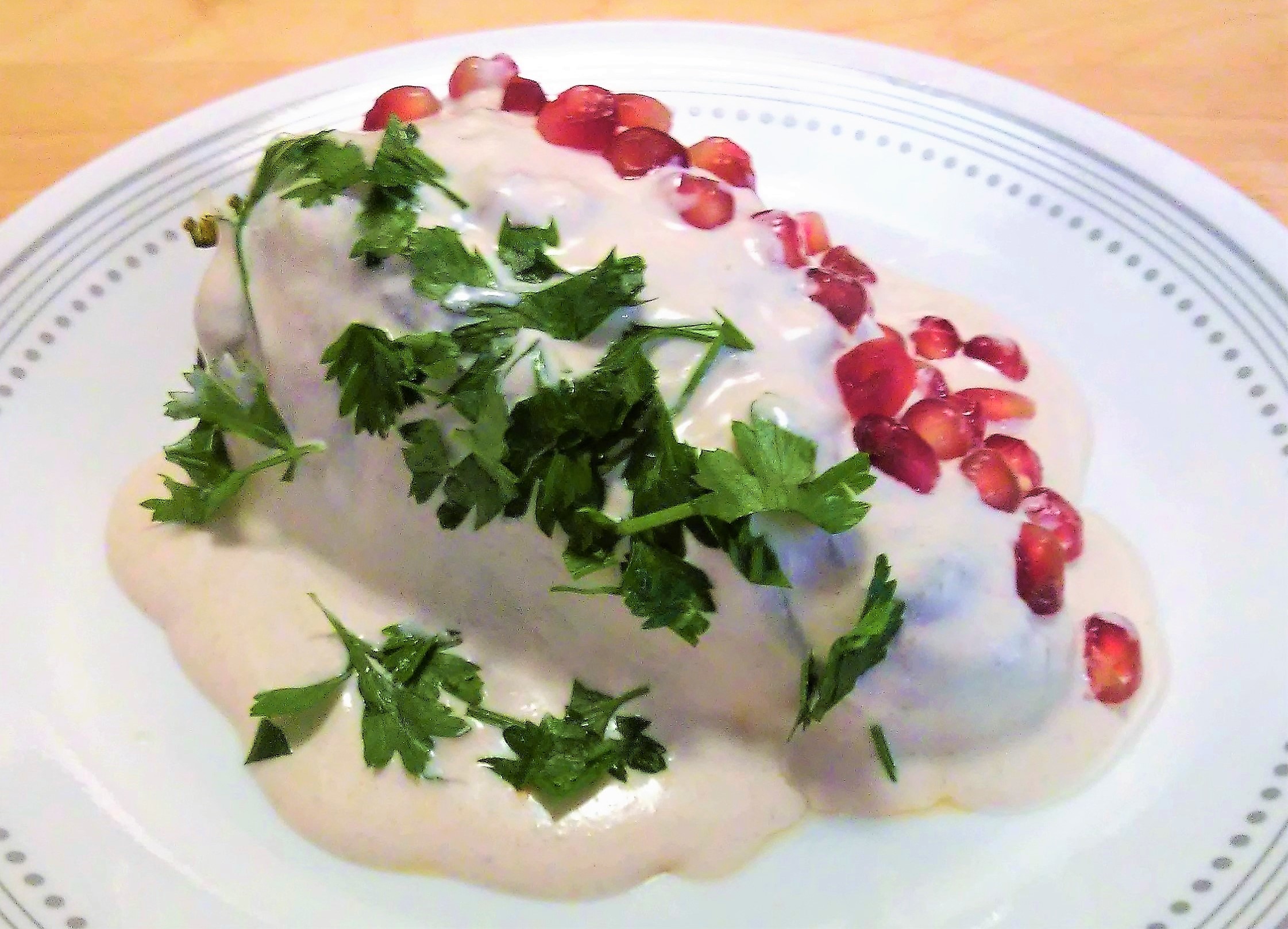
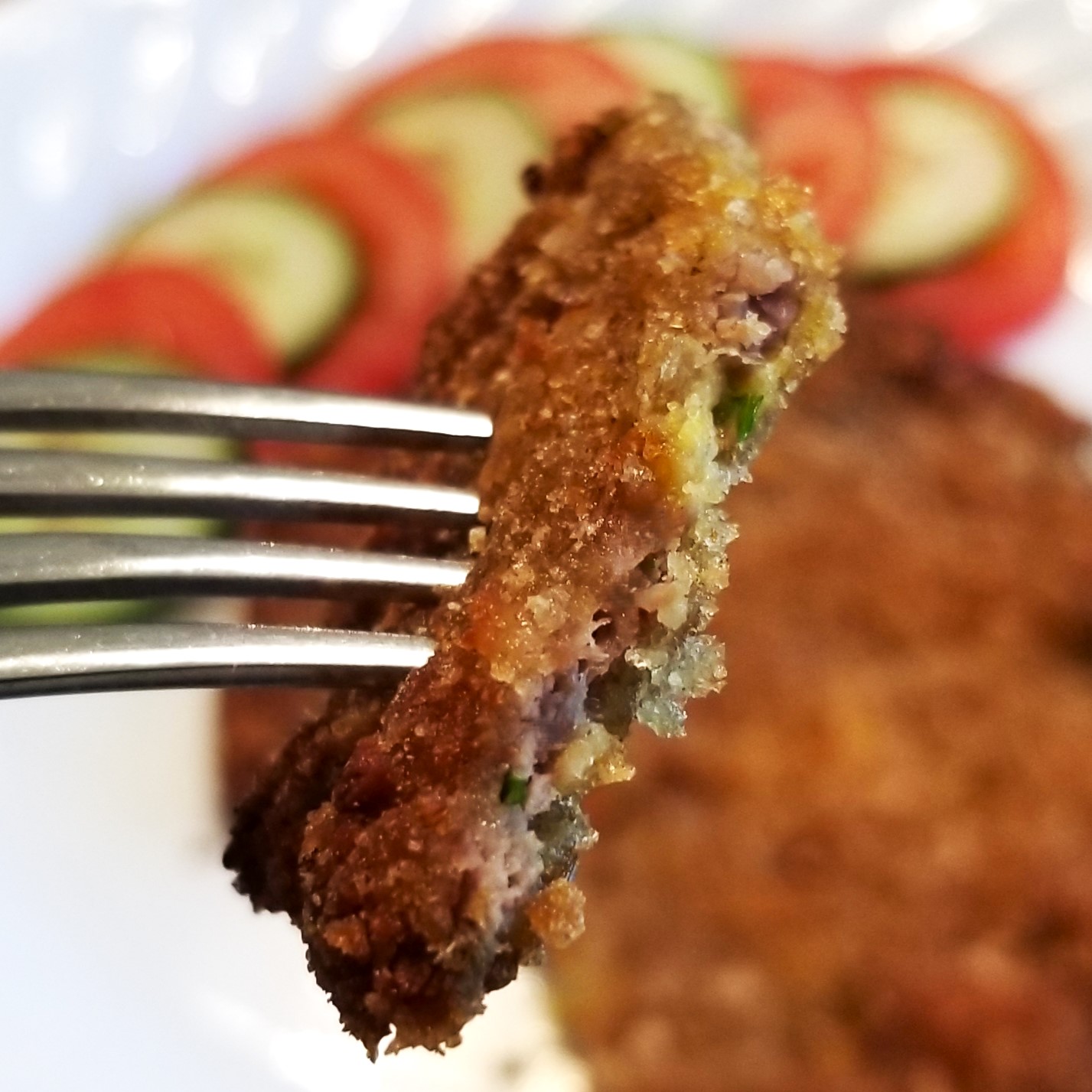
Flat and Curly Parsley (Petroselinum crispum and P. crispum crispum) – Fresh herbs native to Mexico like epazote and pápalo are still extensively used, and cilantro is by far the one brought from the Old World that was fully incorporated into Mexican cuisine, but parsley also has a presence in some traditional Mexican dishes, either freshly chopped such as on chiles en nogada (Stuffed Peppers in Walnut Sauce, photo below, left) or cooked, as in bistec molido (Ground Steak, photo below, right):
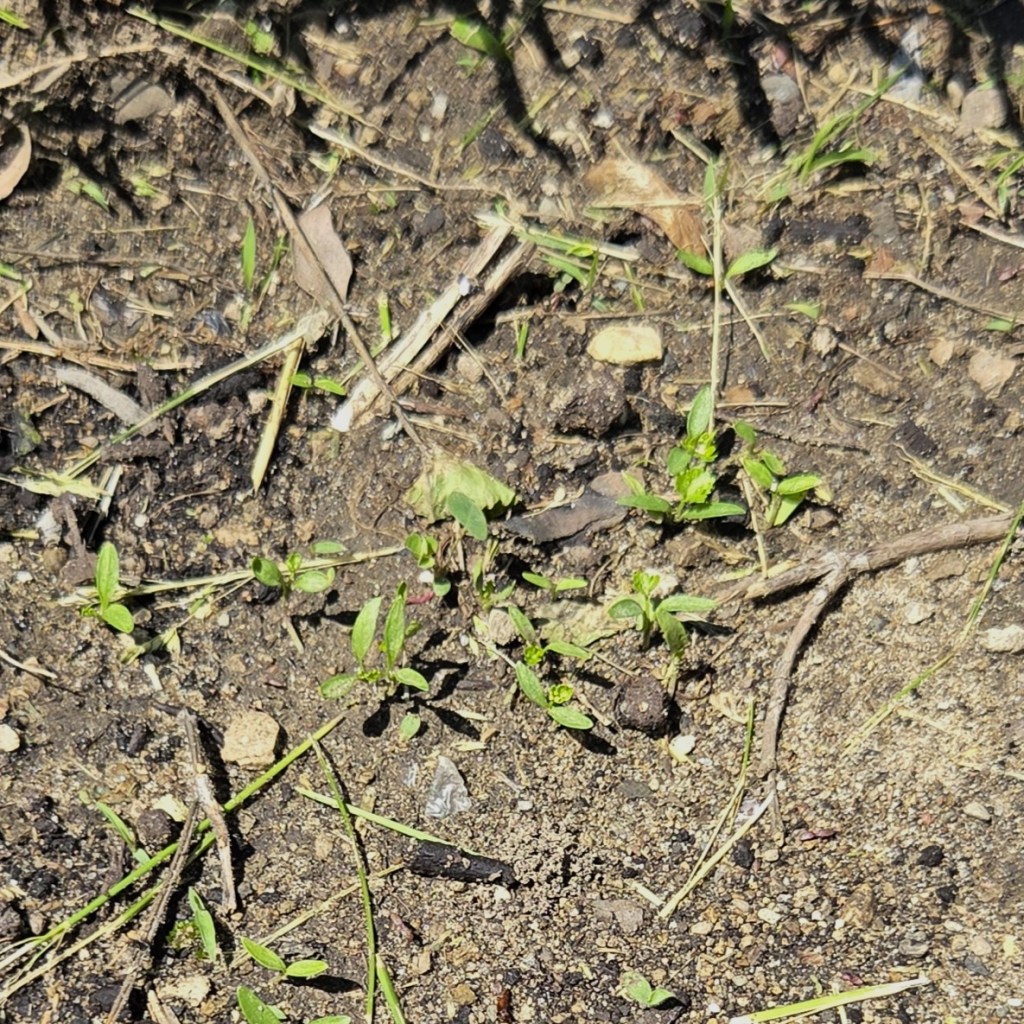
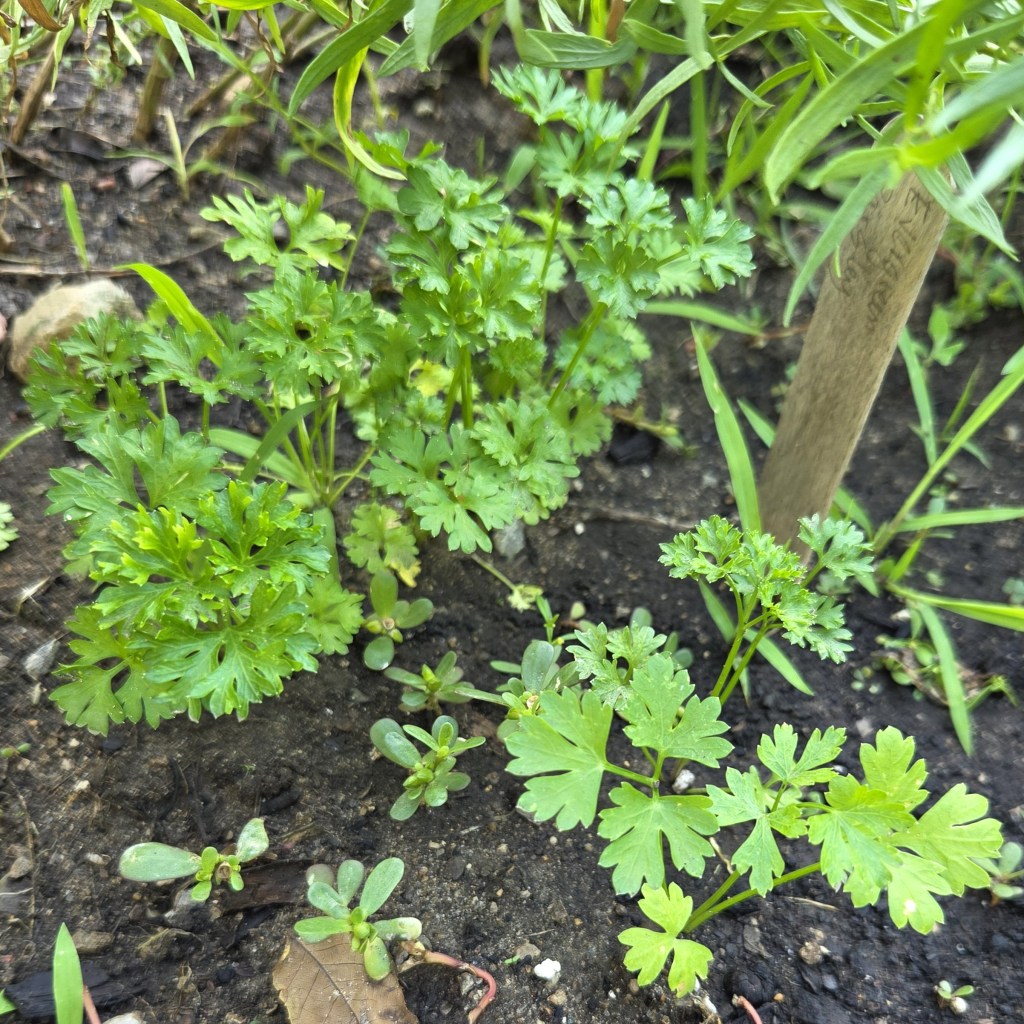
I have grown parsley in my garden for several years, which self-seeds by letting second-year plants complete their life cycle. This year, though, I felt I wanted to refresh the crops and try new-to-me varieties of both flat and curly parsley. The flat parsley seed (Festival 68 variety) was developed by Bulgarian scientists, who according to Richters Herbs “crossed a celery with a parsley and got plants that looked like parsley but had a richer, more pleasant flavour with subtle hints of celery.” The curly variety, called Evergreen, has been a favourite since the 1940s for its dark green tone and its resistance to hot and cold weather. When starting parsley from seed, patience is of the essence, because the seed might take several weeks to sprout. I sowed my seed in early May, and did not see any sprouts until the end of the month (photo below, left). Keeping the soil moist ensures consistent growth; in the photo below, right, the plants a few days ago:
Potatoes (Solanum tuberosum) – This is a new-to-me crop; there are so many kinds of delicious and affordable potatoes at the supermarket here in Canada that I had never thought of growing my own. However, last year, I shared a recipe for a salad with my homegrown watercress and mini rainbow tomatoes, but with baby potatoes from the supermarket:
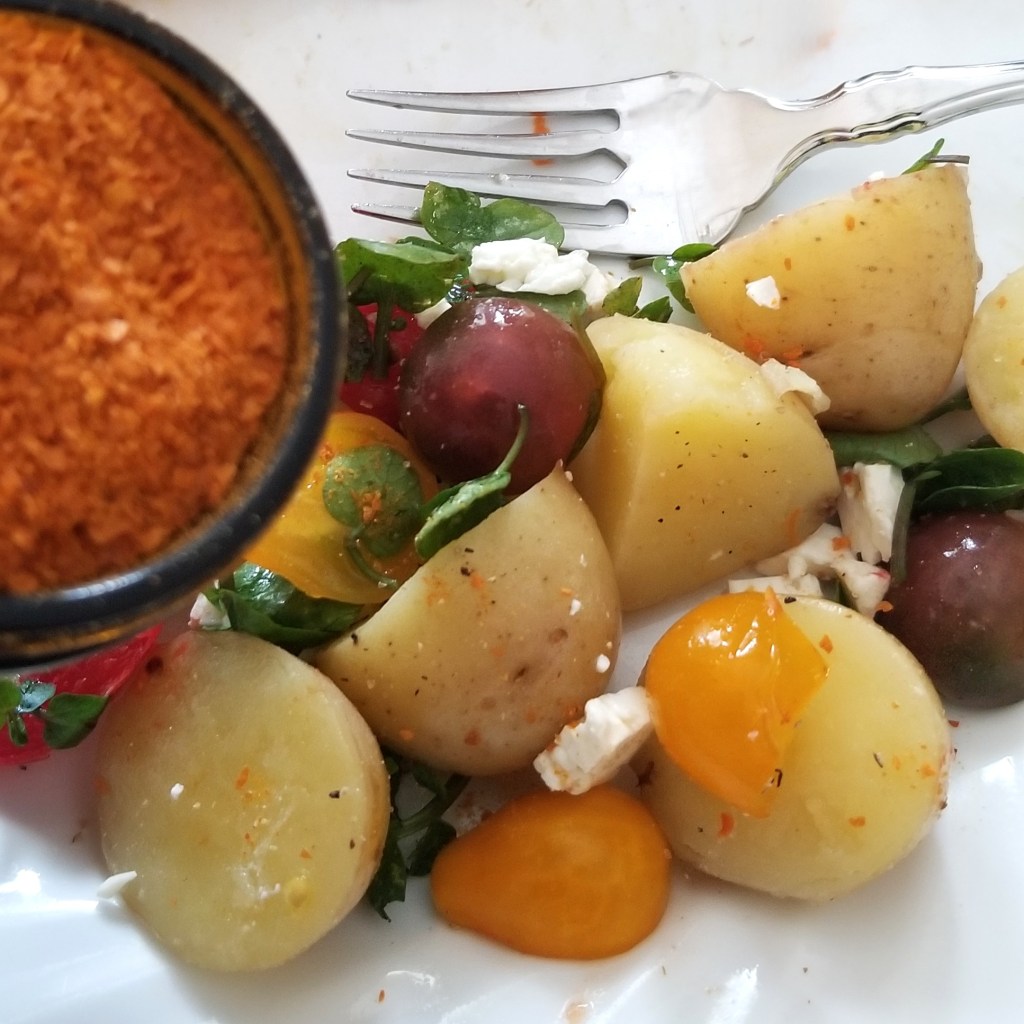
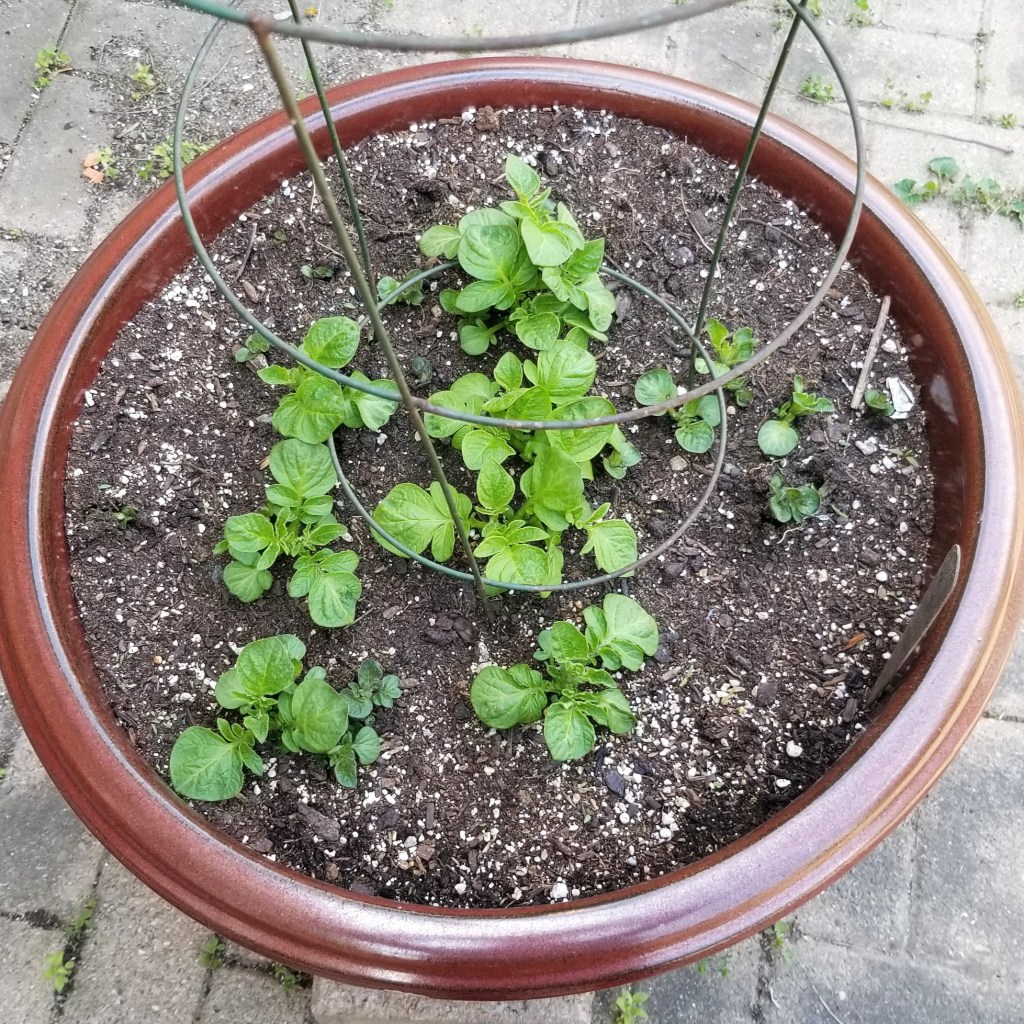
It turned out really good, and I said that maybe I would try growing my own potatoes this year, to have all produce coming from my backyard. So, I ordered 2 lb of La Ratte fingerling potatoes from Veseys, a French variety with yellow flesh, called “the rat” from the elongated shape, usually tappered thinner on one end. I planted all the seed a few days after receiving it, as they were already sprouting (as seen in the photo at the top of this post.) I only had a small spot in one of the garden beds assigned to the potato crop, so I planted the leftovers in a large pot in the middle of my concrete jungle (aka, patio.) It took close to two weeks before seeing the sprouts, first in the pot, and a few days later in the garden bed, but they came out bright green and healthy looking:
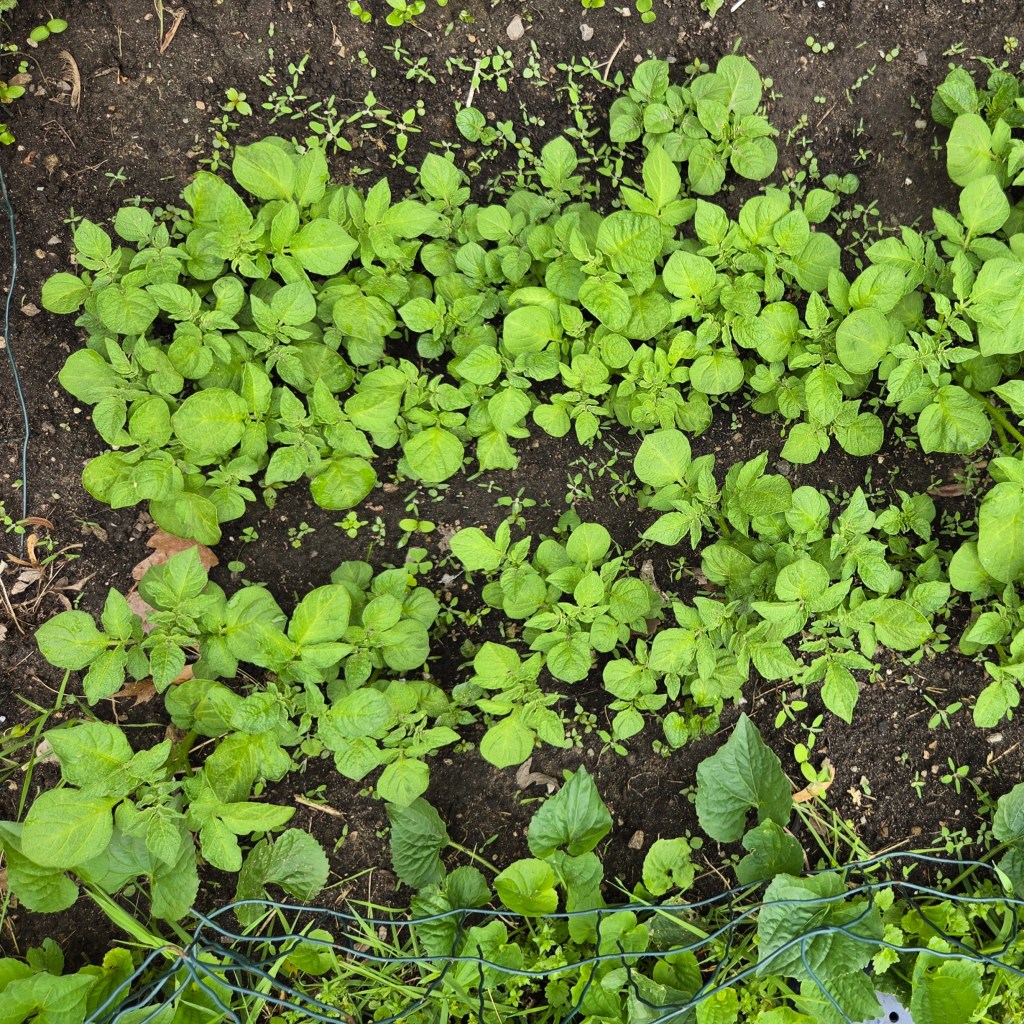
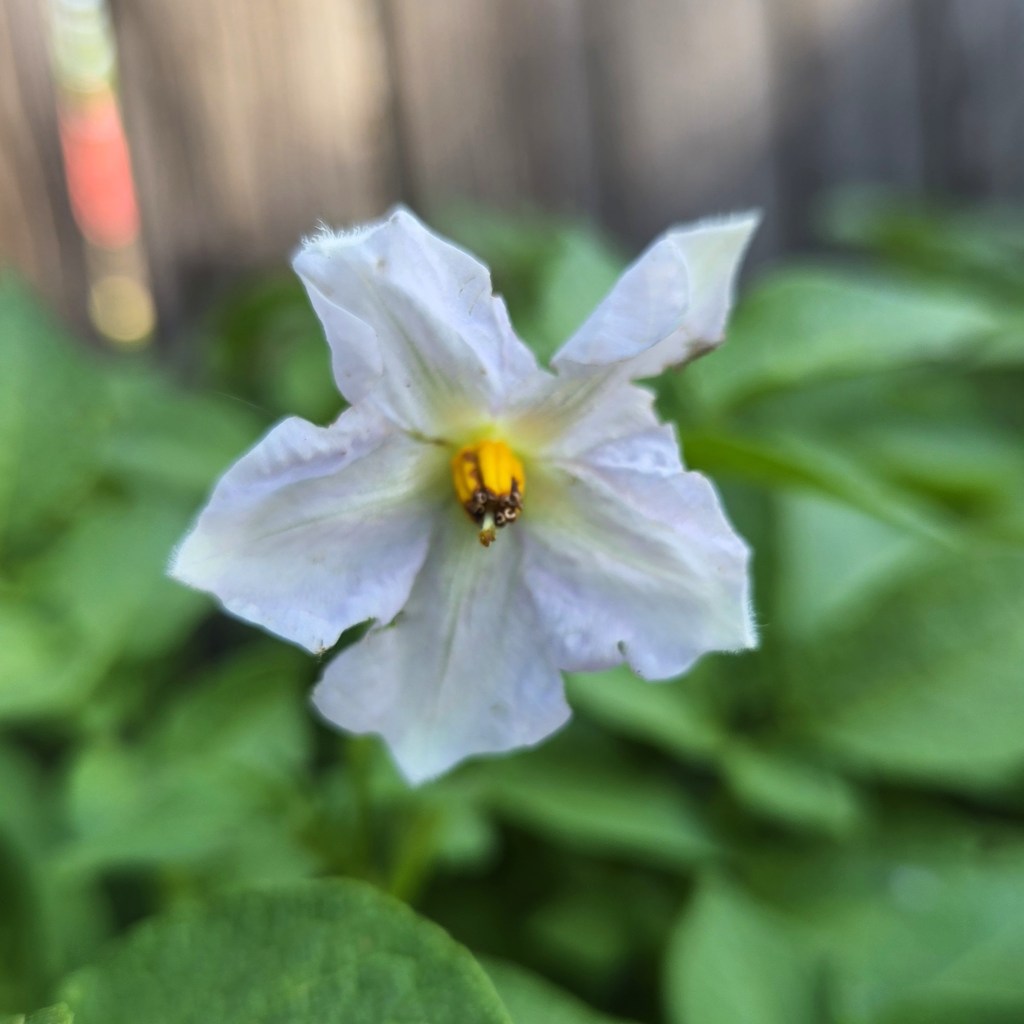
After two to three weeks, it is necessary to add soil and compost on top of the plants, to encourage growth, and protect roots from direct sunlight. A month later, a few flowers showed their pretty purple colours, curiously in a brighter shade in the pot (photo below, left) than on the plants in the ground (photo below, right):

Now that the weather is really hot, and with rain coming strong and then none at all, it has become harder to keep the potted plants healthy, and are looking a little stressed (photo below, left). The plants in the ground are still good for the most part (photo below, right):
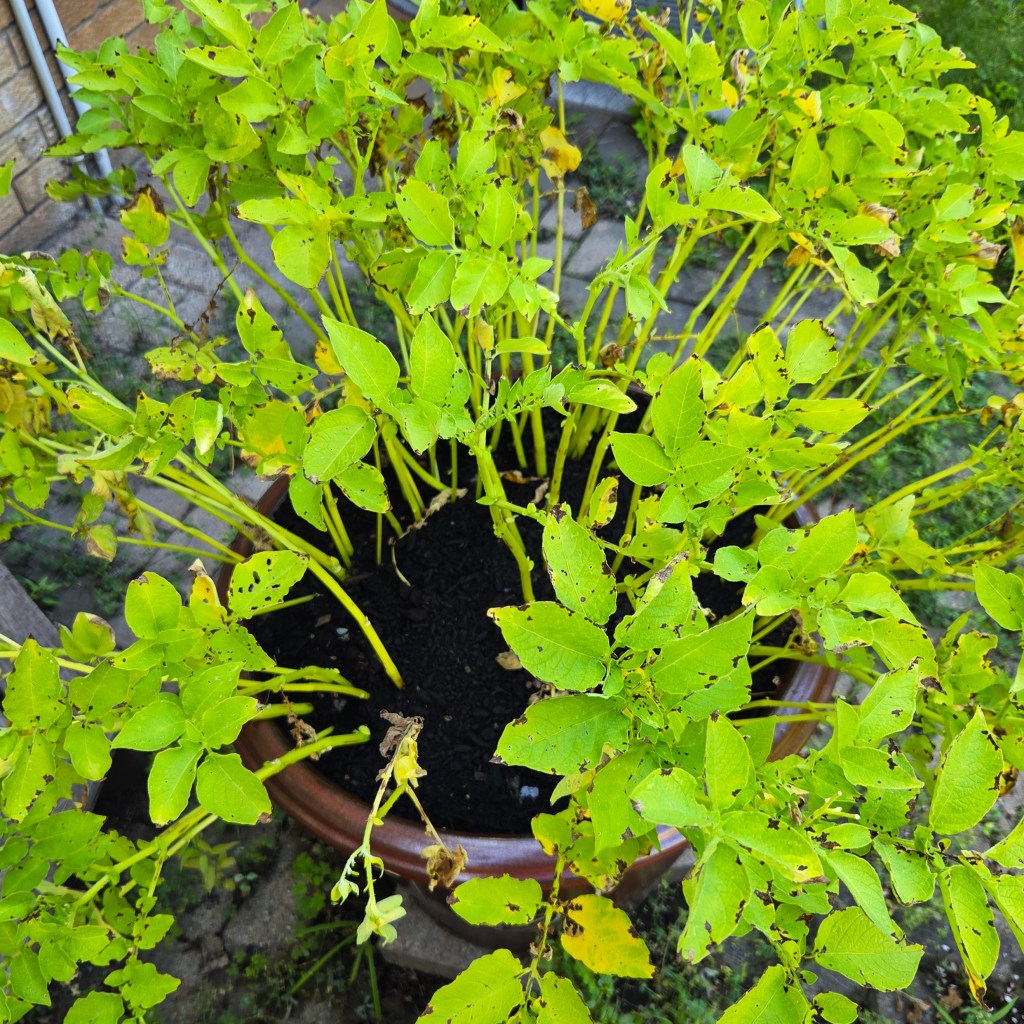

In my characteristic impatient gardener mode, I dug around a couple of stems in the pot, and found a sample of two tiny potatoes forming:
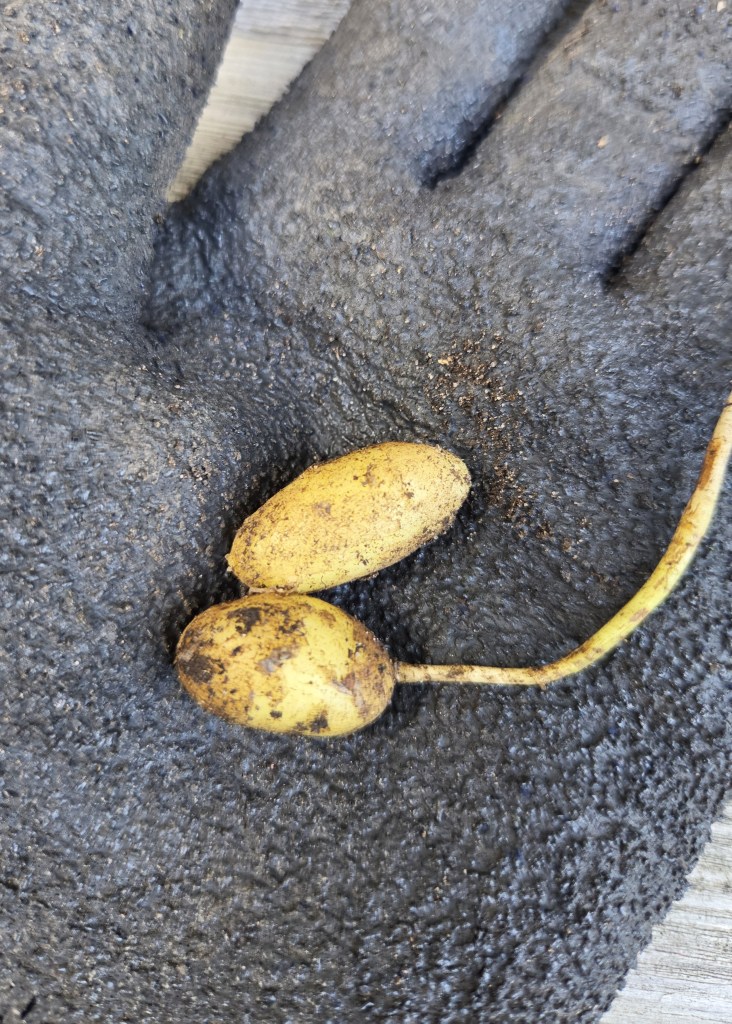
What a prank, those tiny potatoes already looking like their “rat” namesake, tail and all! Of course, the joke was on me, since I perfectly knew that La Ratte fingerlings take 100 to 120 days to mature, so they still have at least until mid-August to go … patience … patience …
I am sharing my post at Thursday Favourite Things #768, with Katherine @ Katherine’s Corner, Pam @ Artful Analog, Amber @ Follow the Yellow Brick Home, and Esme @ Esme Salon.
I am bringing my recipes to Full Plate Thursday #803 with Miz Helen @ Miz Helen’s Country Cottage.
I am joining (along with the previous post) Six on Saturday for July 18, 2026 hosted by Jim Stephens @ Garden Ruminations.





 My Slice of Mexico
I bet the flat and Curley parsley is delicious in soups.
LikeLike
They are, for sure, and stews, too.
LikeLiked by 1 person
What a fabulous crop Irene. You didn’t try the pollination with a fine brush for the cucumbers? I always has parsley growing in the herb garden until the possums discovered it and ate it down until it was no more. This winter is time to reinforce the fences. Potatoes are fun as long as you are able to add more compost and soil regularly and build up the sides of the container.A wonderful way to escape the concrete jungle
Thanks for joining in RDP 😀
LikeLike
Hi, Brian, thank you for hosting! I usually do the brush pollination with cucumbers, but this variety just popped all the female flowers and they seem to be doing fine on their own, so I haven’t done anything, other than check for beetles and water. I am not counting my cucumbers yet, though, hopefully they will grow to maturity ok. What fence can keep opossums out?? I have only had one in my backyard, but my dog was still around and kept the visitor at bay. I have been adding compost to the spuds 🤞
LikeLiked by 1 person
Don’t count you cucumbers before they hatch 😂
My Brush-tailed Possum proof garden was made from 1″ chicken mesh that was full enclosed, sides and top. The bottom layer has corrugated iron and timber so they can’t get under.
I didn’t notice that one of the timbers had fallen inwards and it only took a few nights for the total plant demolition to happen.
LikeLike
😂
Wow, sounds great, happy repairs!
LikeLiked by 1 person
Thanks 😀
LikeLiked by 1 person
I love your tiny potatoes! We dug some of ours out this week. Not as many as we would have hoped, but they were absolutely delicious with a nice creamy sauce and some cheese. There’s just something special about home-grown and freshly harvested potatoes.
LikeLike
Yummy! I hope my potatoes will grow enough🤞
LikeLiked by 1 person