Street Food – Esquites

Street Food – Esquites

Two very popular street foods in Mexico are corn on the cob and esquites (from the Nahuatl form izquitl - roasted young corn.) In pre-Hispanic times, esquite was probably eaten with dry hot peppers and salt and, after the Spanish conquest, lime juice was added to the seasonings. Nowadays, it is very common to top esquites with mayonnaise, shredded cheese and a variety of spicy ingredients … click on title for more
An Heirloom Recipe

An Heirloom Recipe

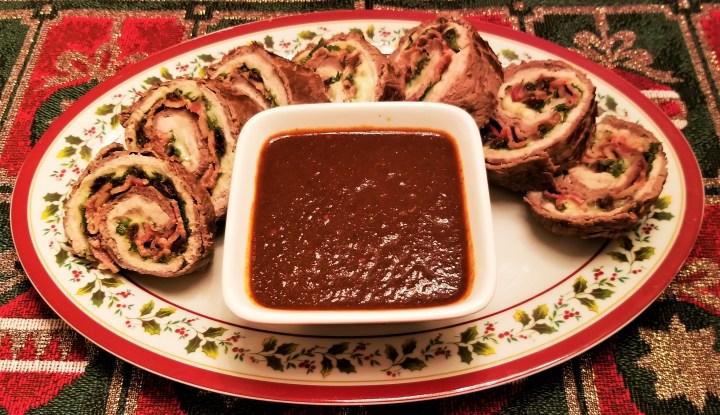
My friend Paco's mom digitalized her recipes, many of them heirlooms from her Italian grandmother, putting them all together in a recipe book. I was lucky enough to browse through it, and asked my friend to pick a couple regarded as his mom's trademarks that I could share in my blog … click on title for more

Mexican Christmas Eve Salad

Mexican Christmas Eve Salad

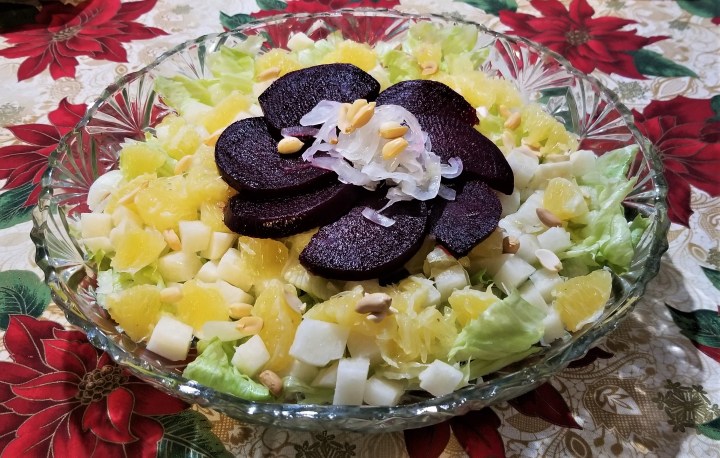
When it comes to Christmas time dishes, Mexican cuisine is filled with European influence: cod stew, creamy soups, and desserts such as fruit cake or even a Yule log are to be expected in many Mexican households during this time of year. Christmas Eve salad is a true example of the fusion of Old World ingredients, such as beets and oranges, and other indigenous to the Americas, such as jícama and peanuts … click on title for more

Pan de Yema – A Day of the Dead Bread from Oaxaca

Pan de Yema – A Day of the Dead Bread from Oaxaca

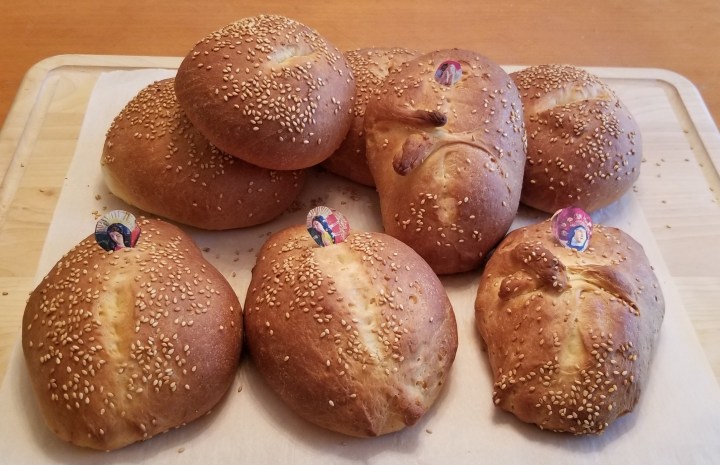
All wheat-based bread in Mexico has a clear Spanish or French influence, and this particular one can be traced to Spanish recipes, but some families have been baking this bread in the Mexican state of Oaxaca for several generations. Pan de yema translates as “yolk bread”, an apt name since a batch contains several eggs and a few extra yolks, giving them their characteristic flaky texture and slightly yellow tone … click on title for more

Pan de Muerto – Day of the Dead Bread

Pan de Muerto – Day of the Dead Bread

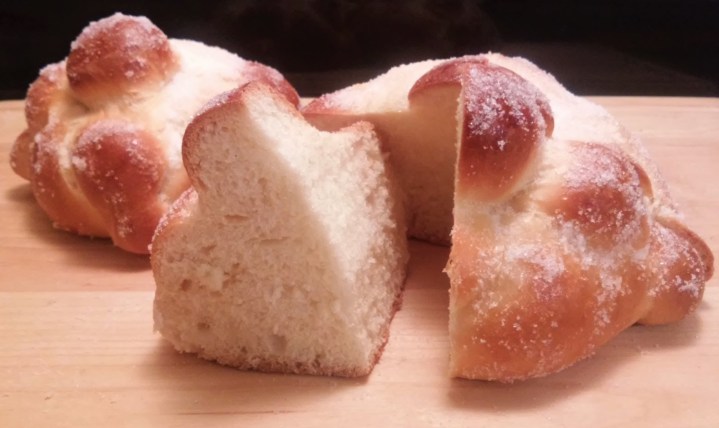
Pan de muerto (literally, bread of the dead) is a sweet bread that is almost always included in Day of the Dead offerings, and traditionally eaten on November 2nd. It is fashioned in a round shape which may represent the natural and endless cycle of life and death, and decorated with small pieces of the same dough to symbolize bones and tears … Click on image for more