My Christmas tree has a neutral palette this year, and the main accents of colour come from citrus fruit slices, which were the inspiration for a Citrusy New Year's Eve or New Year's Day menu ... click on title for more

Discover and re-discover Mexico’s cuisine, culture and history through the recipes, backyard stories and other interesting findings of an expatriate in Canada
My Christmas tree has a neutral palette this year, and the main accents of colour come from citrus fruit slices, which were the inspiration for a Citrusy New Year's Eve or New Year's Day menu ... click on title for more
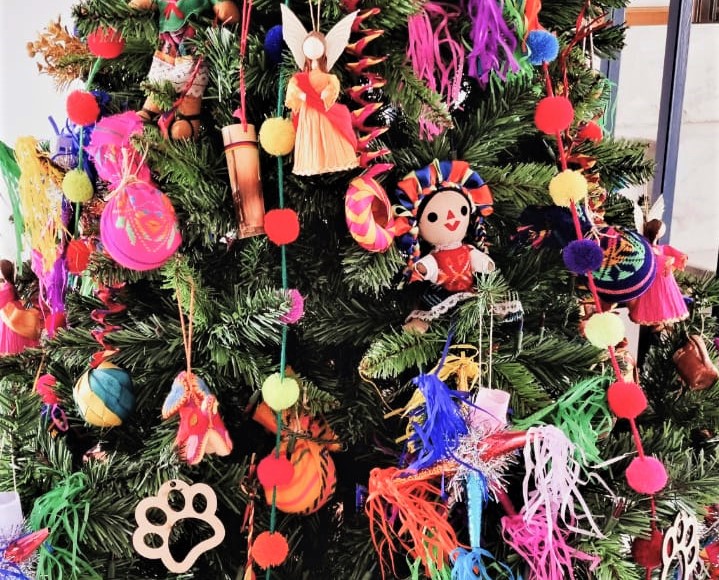
One of my nieces and her husband live in Guadalajara, capital city of the Mexican state of Jalisco. She just shared with me a photo of their Christmas tree, all decorated with Mexican crafts. Here in Canada, the government has issued an advisory against international travelling, due to COVID19, so no hope for me to join them, but I wanted to imagine how it would be to plan a holiday menu to go with my niece's decorations ... click on title for more

Flan is a dessert consisting of custard with a layer of caramel; it is well-known internationally from being served at many Mexican restaurants. Another Mexican custardy dessert is jericalla, equally delicious, but unfairly not as famous as flan, even in Mexico, where it is mostly found regionally, in the state of Jalisco ... click on title for more

Turkey and pork loin roasts are some of the most popular choices on the Christmas menu for many Mexican families, as well as more traditional dishes, such as revoltijo (a red mole-based stew), bacalao (a cod stew), tamales, and last, but not least, pozole (hominy soup). I have shared recipes for pozole blanco (clear broth, "white" pozole), and for pozole verde (green pozole), but for Christmas time, nothing like a delicious pozole rojo (red pozole). There are several recipes for red pozole, primarily form the states of Jalisco, Nuevo León, and other Northern states. For this post, I have chosen a recipe from Jalisco, which uses the Mexican staple of hierbas de olor (bay leaf, marjoram and thyme), and only one kind of dry red pepper, either regional chilacate, or the more readily available guajillos ... click on title for more
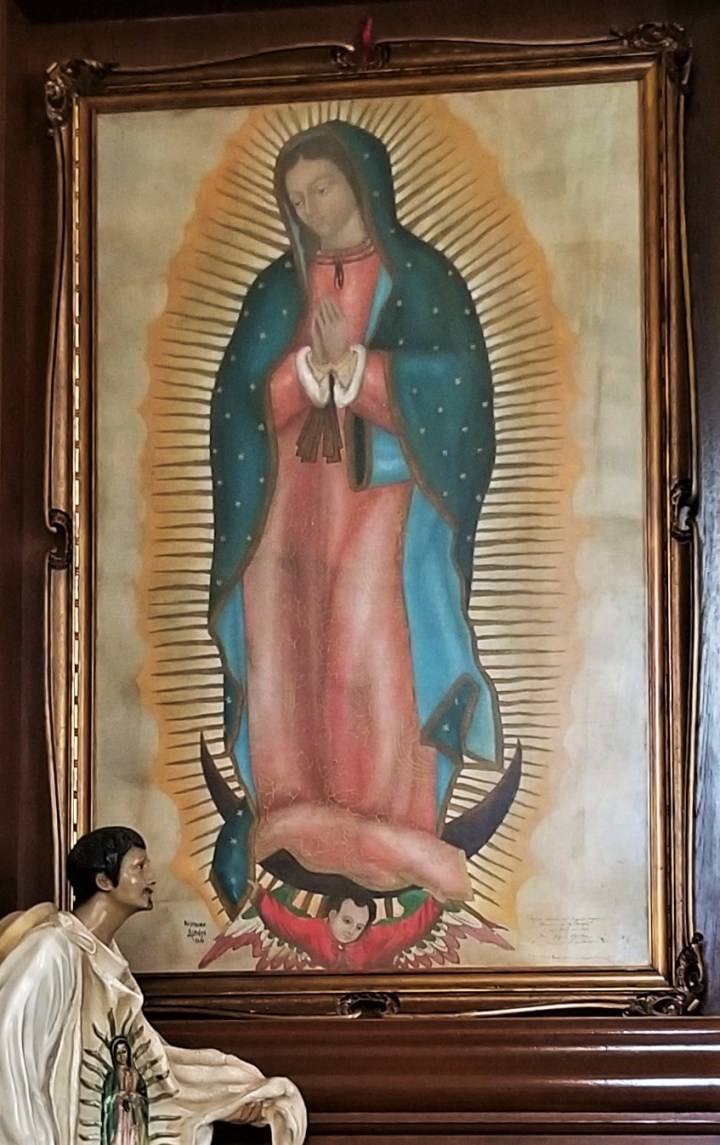
Year after year, uninterrupted since the 16th century, many devout people have visited the site of Our Lady of Guadalupe apparitions, coming from all corners of Mexico, Latin America, and the world, just to see the image of the Virgin, now inside the New Basilica. Last year, due to the COVID19 pandemic, the site had very limited access to the public; this year, it has been announced that the Sanctuary will again be open, to continue the centuries-old tradition ... click on title for more